

Laos Road Trip: Epic One-Week Travel Itinerary Through the Land of a Million Elephants!
Laos is an incredibly rewarding destination for a Southeast Asian road trip. This detailed one-week Laos road trip itinerary covers the best places in the country that you can visit in 7 days of adventure through this enchanting landlocked nation.
Laos is a captivating country with an astounding amount to discover! Scenic mountain roads wind through ancient temples, traditional villages, dramatic waterfalls, and breathtaking limestone karst formations. Therefore, embarking on a Laos road trip is undoubtedly the best way to explore this former French Indochina gem.
With your own wheels, you’ll be able to explore the best places in Laos at your own pace and convenience. While some attractions in Laos can be reached by public transport or organized tours, many of the most spectacular and authentic experiences are only accessible by car.
Based on my unforgettable journey through this remarkable country, I’ve put together this comprehensive one-week Laos road trip itinerary covering the cultural heart around Luang Prabang, the adventure hub of Vang Vieng, and the capital city of Vientiane. It includes distances traveled, provides practical tips, and suggests the best places to stay in Laos.
Car rental tip 1: For Laos, I recommend using Rental Cars or Discover Cars to compare rates from local and international providers. Make sure to choose a 4WD vehicle for mountain roads and book comprehensive insurance coverage.
Car rental tip 2: Consider renting from Avis Laos or Budget which have reliable services in major cities like Vientiane and Luang Prabang. Always inspect the vehicle thoroughly before departure.
Stay: I booked all my accommodation in Laos through Booking.com and Agoda, which offer excellent options from budget guesthouses to boutique hotels.
Travel Insurance: Purchase reliable travel insurance through World Nomads or SafetyWing for peace of mind during your adventure.
Tours: Check adventure and cultural tours on Viator and GetYourGuide for activities like kayaking, cave exploration, and temple visits.
Summary of My Laos Road Trip Route
- Day 1: Arrive in Vientiane, explore the capital
- Day 2: Vientiane to Vang Vieng via scenic Route 13
- Day 3: Vang Vieng adventure activities and limestone landscapes
- Day 4: Vang Vieng to Luang Prabang via mountain roads
- Day 5: Explore Luang Prabang UNESCO World Heritage site
- Day 6: Kuang Si Falls and traditional villages near Luang Prabang
- Day 7: Return to Vientiane via Route 13, departure
If I had 5 Days in Laos: My itinerary would include Vientiane (1 day) – Vang Vieng (2 days) – Luang Prabang (2 days).
If I had 10 Days in Laos: My itinerary would add Nong Khiaw, Muang Ngoi, and the 4000 Islands (Si Phan Don) in the south.
Laos Road Trip Planning Tips
Renting a Car in Laos
Car rental companies are primarily based in Vientiane and Luang Prabang. I strongly recommend booking through comparison sites like Discover Cars or directly with established providers like Avis or Budget. Always opt for a 4WD vehicle as many roads, especially in rural areas, can be challenging during the rainy season.
Driving in Laos
Driving is an excellent way to explore beautiful Laos, giving you access to remote temples, traditional villages, and stunning natural attractions that tour groups often miss. Having your own vehicle allows you to stick to your own schedule and make spontaneous stops.
However, driving in Laos requires extra caution. Roads can be narrow and winding, especially in mountainous regions. Traffic rules are loosely followed, and you’ll encounter everything from water buffalo to motorcycles carrying entire families. During rainy season (May-October), some roads can become impassable.
The key is to drive defensively, take your time, and always have a backup plan. Most main highways are in good condition, but secondary roads can vary dramatically in quality.
Where to Stay During the Laos Road Trip
Throughout my journey in Laos, I prioritized staying in locally-owned guesthouses and boutique hotels rather than international chains. This approach not only supported local communities but also provided more authentic cultural experiences and better value for money.
When looking for accommodation in Laos with a rental car, secure parking is essential. Each place I booked had either private parking or safe street parking options.
Accommodation: I consistently use Booking.com and Agoda for reservations in Laos. Both platforms offer excellent variety for every budget, from backpacker hostels to luxury resorts. Agoda often has better rates for Southeast Asian properties.
Tip: Always check the cancellation policy and choose flexible booking options when possible. Road conditions and weather can sometimes force itinerary changes.
Here’s a quick summary of my accommodation choices:
Hotel List:
- Vientiane – Lao Plaza Hotel – 2 nights (arrival and departure)
- Vang Vieng – Riverside Boutique Resort – 2 consecutive nights
- Luang Prabang – Villa Maly Boutique Hotel – 3 consecutive nights
I booked all accommodations through Booking.com and Agoda. You’ll find detailed reviews of each property later in this post, along with alternative options for different budgets.
What to Expect in Laos
In Laos, you’ll discover ancient Buddhist temples with golden stupas glinting in the tropical sun, traditional villages where time seems to have stopped centuries ago, and some of the most welcoming people in Southeast Asia. You’ll experience the serene beauty of the Mekong River, challenge yourself with outdoor adventures in Vang Vieng’s dramatic karst landscape, and find inner peace watching monks collect alms at dawn in UNESCO-listed Luang Prabang.
The country offers incredible natural beauty from towering waterfalls to mysterious caves, along with a rich cultural heritage reflected in its temples, cuisine, and traditional crafts. Adventure seekers can enjoy rock climbing, kayaking, and cave exploration, while those seeking tranquility can meditate in ancient monasteries or cruise along the mighty Mekong River.
How Many Days Do You Need in Laos?
Based on my experience, one week provides a solid introduction to Laos’ highlights, allowing you to experience the main cultural sites, natural attractions, and get a feel for the country’s relaxed pace of life. With 10-14 days, you could explore more remote regions and really immerse yourself in local culture.
This post focuses on the essential destinations for first-time visitors, while also highlighting places worth adding if you have extra time.
Note: All major destinations are accessible from Wattay International Airport in Vientiane, making it easy to adjust this itinerary based on your arrival and departure plans.
When to Visit Laos
The best time to visit Laos is during the cool, dry season from November to March. This period offers comfortable temperatures (20-30°C/68-86°F) and minimal rainfall, perfect for road trips and outdoor activities.
The hot season (April-May) can be extremely warm (up to 40°C/104°F) but offers clear skies and fewer crowds. The rainy season (June-October) brings lush green landscapes and fewer tourists, but some roads may become challenging and river activities might be limited.
For road trips, I recommend November through March for the most comfortable driving conditions.
Budget for Your Road Trip in Laos
Laos remains one of Southeast Asia’s most budget-friendly destinations. Here’s a rough breakdown of expected costs:
- Accommodation: $15-50/night for guesthouses and mid-range hotels
- Meals: $10-25/day depending on where you eat
- Car Rental: $25-50/day for a reliable 4WD vehicle
- Fuel: $0.90-1.10/liter for petrol
- Activities: $10-30 for most attractions and tours
- Temple donations: $1-5 per visit (optional but appreciated)
One-Week Laos Road Trip Itinerary Day by Day
For travelers wanting to experience the essence of Laos, here’s my detailed day-by-day breakdown of the route I took during my incredible week-long road trip through this captivating country.
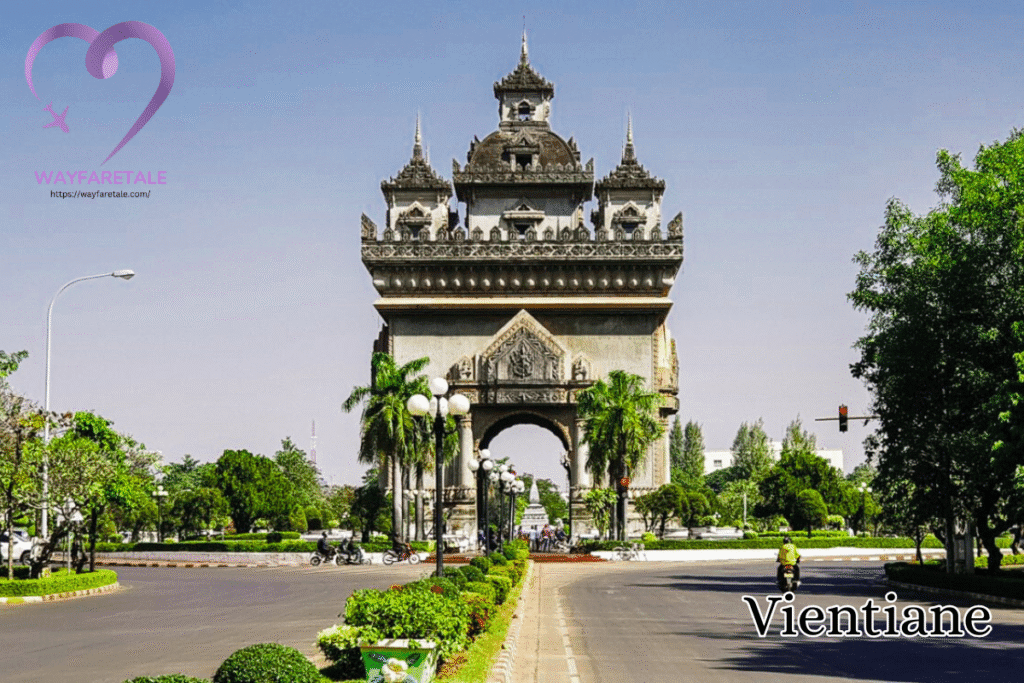
Day 1: Arrival in Vientiane – Capital City Exploration
Distance covered: 15 KM
Total drive time: 30 MIN (from airport to city center)
Overnight in: Vientiane
Landing at Wattay International Airport, I immediately felt the laid-back atmosphere that Laos is famous for. After collecting my rental car (a Toyota Fortuner 4WD), I drove the short distance into Vientiane, the surprisingly quiet capital city sitting along the Mekong River.
Vientiane might be a capital city, but it feels more like a large town with tree-lined streets, French colonial architecture, and Buddhist temples around every corner. It’s the perfect gentle introduction to Laos before heading into more remote areas.
Things to do in Vientiane:
Explore Pha That Luang (Golden Stupa)
The golden Buddhist stupa of Pha That Luang is Laos’ most important national monument and appears on the national seal. Built in the 16th century, this impressive structure gleams in the afternoon sun and is surrounded by smaller temples. I arrived around 4 PM for the best lighting and fewer crowds.
USEFUL TIP: Entry fee is 10,000 LAK ($1.20). The best photos are from the main entrance side, especially during golden hour. Dress modestly – shoulders and knees covered.
Wander through Talat Sao (Morning Market)
Despite its name, this bustling market operates all day. It’s perfect for picking up traditional textiles, silver jewelry, and local snacks. The new air-conditioned mall section contrasts sharply with the traditional outdoor stalls where I found incredible hand-woven scarves.
Visit Wat Sisaket Temple
This 1818 temple survived the 1828 Siamese invasion and houses over 6,800 Buddha statues in various poses. The serene courtyard surrounded by covered galleries filled with thousands of silver and ceramic Buddha images creates an almost mystical atmosphere.
Stroll along the Mekong Riverside
As evening approaches, head to the Mekong riverfront where locals gather for exercise, socializing, and street food. The sunset views across to Thailand are spectacular, and the night market comes alive with delicious local dishes like tam mak hoong (spicy papaya salad).
PARKING TIP: Most temples and attractions in Vientiane have dedicated parking areas. Street parking is generally safe, but always lock your vehicle and avoid leaving valuables visible.
Where to stay in Vientiane:
I stayed at the Lao Plaza Hotel, perfectly located in the city center within walking distance of major attractions. The colonial-style building offers comfortable rooms, reliable WiFi, secure parking, and an excellent breakfast featuring both Western and Lao options.
Alternative options include the boutique Ansara Hotel for luxury seekers or Mali Namphu Guest House for budget travelers. All offer secure parking essential for road trippers.
Day 2: Vientiane to Vang Vieng via Route 13
Distance covered: 160 KM
Total drive time: 3 HRS
Overnight in: Vang Vieng (2 consecutive nights)
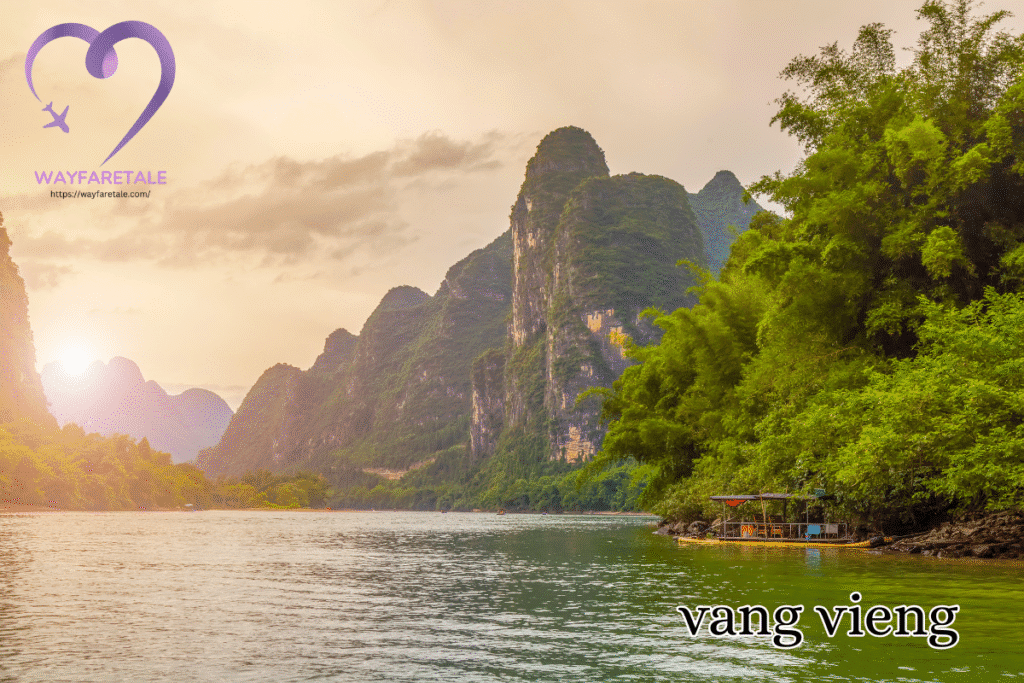
I departed Vientiane early morning for one of the most scenic drives in Laos. Route 13 North initially passes through flat agricultural land with rice paddies and traditional villages, gradually transforming into dramatic limestone karst formations as you approach Vang Vieng.
The drive itself becomes increasingly beautiful as dramatic limestone peaks emerge from the valley floor. Water buffalo graze in emerald rice fields while traditional stilted houses dot the landscape. I stopped frequently for photos and to interact with friendly locals selling fresh fruit from roadside stalls.
DRIVING TIP: Route 13 is well-maintained but can have heavy truck traffic. Start early to avoid the midday heat and afternoon thunderstorms during rainy season. Always carry water and snacks as services can be limited between towns.
VANG VIENG ARRIVAL
Arriving in Vang Vieng feels like entering a natural amphitheater. Towering limestone cliffs surround the small town, while the Nam Song River meanders through the valley creating a playground for adventure seekers and nature lovers alike.
Vang Vieng has evolved from its reputation as a backpacker party destination into a hub for outdoor adventures and eco-tourism, though it maintains its laid-back riverside charm.
Things to do in Vang Vieng:
Explore the Blue Lagoons (Tham Phu Kham Cave and Lagoon)
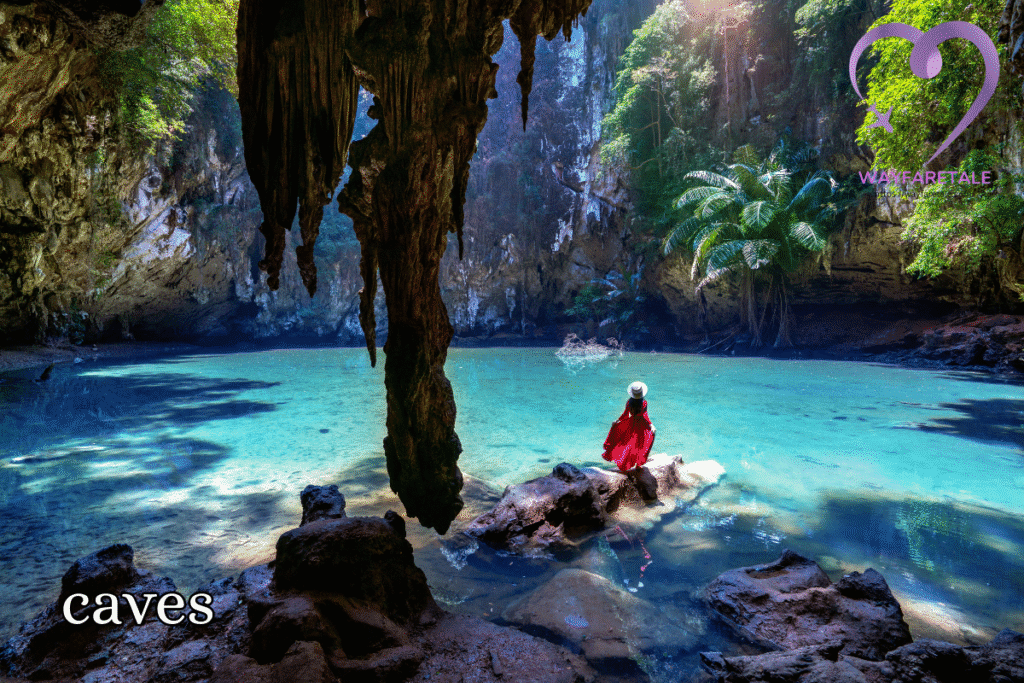
Just 7 KM from town, this stunning turquoise swimming hole sits at the base of limestone cliffs. The water is refreshingly cool and perfect for swimming after the cave exploration above. Tham Phu Kham Cave requires a steep 20-minute climb but rewards visitors with impressive stalactites and a bronze reclining Buddha statue.
Entry fee: 10,000 LAK ($1.20). Bring a headlamp or rent one at the entrance. The lagoon can get crowded after 11 AM, so arrive early.
Take a Hot Air Balloon Ride
One of the most spectacular ways to see Vang Vieng’s dramatic landscape is from above. The sunrise balloon rides offer breathtaking 360-degree views of limestone karsts, rice paddies, and the Nam Song River winding through the valley.
Book through: Vang Vieng Ballooning – approximately $90 for a one-hour flight. Reserve in advance as flights depend on weather conditions.
Go Tubing on the Nam Song River
The classic Vang Vieng experience involves floating down the Nam Song River on inflatable tubes. The 3-4 hour journey passes stunning scenery and includes stops at riverside bars. While more regulated now than in previous years, it remains a fun way to see the countryside.
SAFETY TIP: Always wear a life jacket, avoid excessive drinking, and be aware of changing water levels. The river can be dangerous during rainy season.
Where to stay in Vang Vieng:
I chose the Riverside Boutique Resort, perfectly positioned along the Nam Song River with spectacular mountain views. The traditional Lao architecture blends beautifully with modern amenities, and having your own balcony overlooking the river at sunset is unforgettable.
The resort offers secure parking, an excellent restaurant serving both Western and Lao cuisine, and helpful staff who arrange activities. Pool facilities provide a refreshing break from adventure activities.
Day 3: Adventure Day in Vang Vieng – Caves, Kayaking, and Karst Landscapes
Distance covered: 50 KM
Total drive time: 1 HR 30 MIN (various short trips to activities)
Overnight in: Vang Vieng
I dedicated this entire day to exploring Vang Vieng’s incredible outdoor offerings. The town serves as a perfect base for multiple adventures, all easily accessible by car.
Morning: Tham Chang Cave Exploration
Starting early at 7 AM, I drove to Tham Chang Cave, one of the area’s most accessible and impressive cave systems. The 15-minute drive through rice paddies and traditional villages sets the scene perfectly.
Tham Chang Cave was historically used as a bunker during the Second Indochina War, but today it’s famous for its stunning limestone formations and underground pools. The cave extends about 400 meters into the mountain, with well-lit pathways making exploration safe and enjoyable.
CAVE TIP: Bring a headlamp as backup lighting, wear non-slip shoes, and allow 1-2 hours for full exploration. Entry fee is 15,000 LAK ($1.80). The cave maintains a cool temperature year-round – perfect relief from the heat.
Afternoon: Kayaking the Nam Song River
After lunch, I joined a half-day kayaking tour down the Nam Song River. Unlike tubing, kayaking allows you to actively explore hidden channels, limestone grottoes, and traditional fishing villages along the riverbanks.
The journey downstream passes through some of the most dramatic scenery in Laos. Towering limestone cliffs rise directly from the water, while local fishermen cast nets from traditional boats. I stopped at several small caves accessible only by water, each offering unique rock formations and crystal-clear pools.
KAYAKING DETAILS: Tours cost approximately $15 and include equipment, guide, and transportation. The 3-hour journey covers 8 KM of river with multiple stops for swimming and exploration.
Evening: Sunset at Nam Xay Viewpoint
Just before sunset, I drove 20 minutes to Nam Xay Viewpoint for panoramic views over the entire Vang Vieng valley. The climb to the viewpoint takes about 15 minutes through jungle paths, but the 360-degree views are absolutely worth it.
Watching the sun set behind the limestone peaks while the valley floor glows golden with rice paddies is one of those moments that makes travel magical. Local vendors sell cold Beer Lao at the top – perfect for sunset toasts.
VIEWPOINT TIP: Arrive 45 minutes before sunset to secure a good spot and enjoy the changing light. The path can be slippery during rainy season, so wear proper footwear.
Day 4: Vang Vieng to Luang Prabang via Scenic Mountain Route
Distance covered: 230 KM
Total drive time: 5 HRS (including stops)
Overnight in: Luang Prabang (3 consecutive nights)
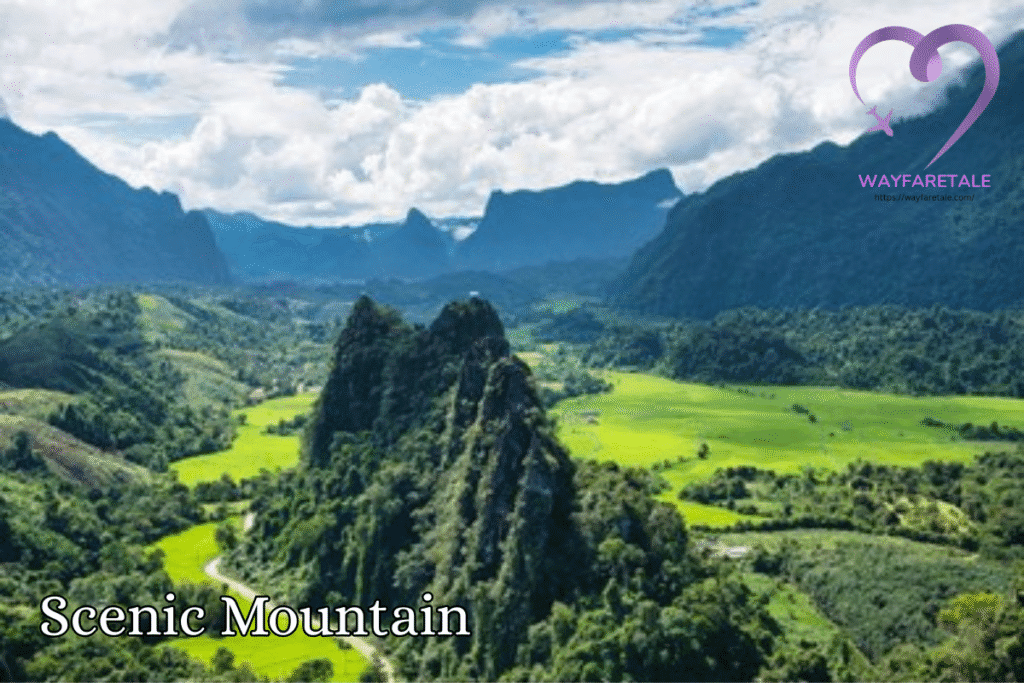
This day featured the most spectacular and challenging drive of the entire trip. The route from Vang Vieng to Luang Prabang winds through some of the most dramatic mountain scenery in Southeast Asia.
DRIVING THE MOUNTAIN ROUTE
I departed at 6 AM to tackle the mountain roads during cooler morning temperatures. The route initially follows Route 13 north before turning onto Route 1 through the mountains. This section includes numerous switchbacks, steep climbs, and dramatic valley views.
The road conditions are generally good but require careful driving. Mountain passes reach over 1,000 meters elevation, providing cool relief and spectacular views. Traditional Hmong and Khmu villages dot the mountainsides, offering glimpses into rural Lao life unchanged for generations.
ESSENTIAL DRIVING TIPS:
- Start early to avoid afternoon heat and potential thunderstorms
- Carry extra water, snacks, and a first aid kit
- Check fuel levels – gas stations are limited in mountain areas
- Drive slowly on wet roads as surfaces can become extremely slippery
Stop 1: Traditional Hmong Village
About 2 hours into the drive, I stopped at a traditional Hmong village where locals were drying corn and weaving traditional textiles. The villagers were incredibly welcoming, offering fresh fruit and allowing me to photograph their traditional wooden houses on stilts.
This unplanned interaction became one of my trip highlights, demonstrating why driving independently opens doors that organized tours often miss.
Stop 2: Mountain Pass Viewpoint
At the highest point of the route, a small restaurant offers stunning panoramic views and strong Lao coffee. I spent 30 minutes here, watching clouds drift through valleys below while enjoying arguably the best coffee view in Laos.
LUANG PRABANG ARRIVAL
Arriving in Luang Prabang felt like entering a living museum. The UNESCO World Heritage town sits at the confluence of the Mekong and Nam Khan rivers, surrounded by mountains and filled with golden Buddhist temples.
The French colonial architecture blends seamlessly with traditional Lao buildings, creating a unique atmosphere that instantly captures your heart. After checking into accommodation, I spent the evening wandering the old town’s quiet streets, already excited for the next day’s exploration.
Day 5: Explore Luang Prabang UNESCO World Heritage Site
Distance covered: 25 KM
Total drive time: 45 MIN (various temple visits)
Overnight in: Luang Prabang
Luang Prabang deserves its reputation as one of Southeast Asia’s most beautiful cities. This entire day was dedicated to exploring the temples, markets, and cultural sites that earned UNESCO recognition.
Early Morning: Alms Giving Ceremony (Tak Bat)
I woke at 5:30 AM to witness the daily alms giving ceremony, where hundreds of saffron-robed monks walk through town collecting offerings from locals and visitors. This centuries-old tradition continues unchanged despite tourism growth.
RESPECTFUL OBSERVATION: Stay at least 3 meters away, don’t use flash photography, dress conservatively, and remain silent. If participating, purchase offerings from locals rather than tourist shops, and kneel while giving alms.
Morning Temple Circuit:
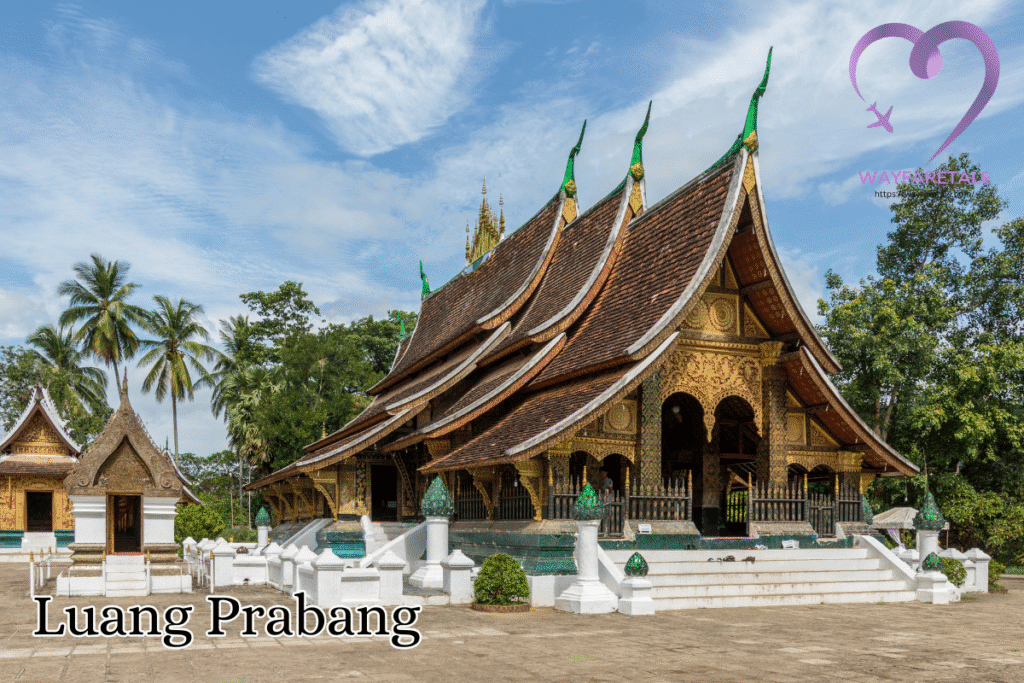
Wat Xieng Thong
The crown jewel of Luang Prabang’s temples, built in 1560, represents classical Lao architecture at its finest. The sim (ordination hall) features a distinctive roofline that sweeps low to the ground, while intricate glass mosaics tell Buddhist stories.
The temple complex includes multiple buildings, each with unique decorative elements and historical significance. I spent over an hour here, amazed by the detailed craftsmanship and peaceful atmosphere.
Wat Mai Suwannaphumaham
Famous for its five-tiered roof and elaborate gold leaf decorations, this temple houses important Buddha statues and serves as the residence of the Buddhist patriarch of Laos.
Royal Palace Museum (Haw Kham)
The former royal palace, now a museum, provides insight into Lao royal history and houses the famous Phra Bang Buddha statue that gives the city its name. The throne hall and royal bedrooms remain perfectly preserved.
Afternoon: Mount Phousi Climb
The 100-meter hill in the center of town offers panoramic views over Luang Prabang and the surrounding rivers and mountains. The climb involves 355 steps through forest paths, passing small shrines and Buddha statues.
Sunset from Mount Phousi is legendary, but I recommend visiting during mid-afternoon to avoid crowds and still enjoy spectacular views. The golden stupa at the summit provides a perfect focal point for photographs.
Evening: Night Market and Mekong Riverside
Luang Prabang’s night market transforms the main street into a wonderland of local handicrafts, textiles, and artwork. I found incredible hand-woven scarves, traditional lamps, and unique silver jewelry at prices much lower than elsewhere in Southeast Asia.
The nearby food market offers an amazing variety of local dishes. I tried buffalo laab (spicy meat salad), sticky rice with various accompaniments, and fresh fruit smoothies while sitting by the Mekong River watching traditional longtail boats pass by.
Where to stay in Luang Prabang:
I stayed at Villa Maly, a beautifully restored 1960s princess’s residence turned boutique hotel. The property perfectly balances historical charm with modern luxury, featuring traditional Lao architecture, lush gardens, and a stunning pool area. The location puts you within walking distance of all major temples while providing a peaceful retreat.
The hotel offers secure parking, exceptional service, and one of the best breakfast spreads in Southeast Asia featuring both Western and traditional Lao options.
Day 6: Kuang Si Falls and Traditional Villages
Distance covered: 60 KM
Total drive time: 1 HR 30 MIN (round trip)
Overnight in: Luang Prabang
KUANG SI WATERFALLS
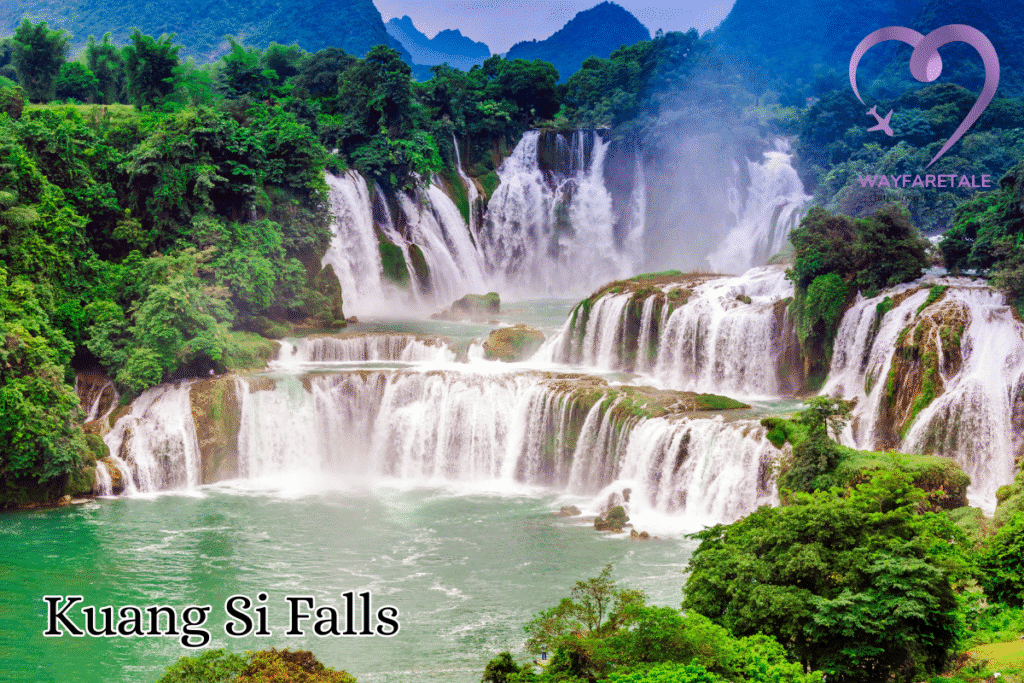
The highlight of any Luang Prabang visit is the spectacular Kuang Si Falls, located 29 KM south of the city. The drive through rural countryside passes traditional villages, rice paddies, and water buffalo working in the fields – quintessential Lao scenes.
Kuang Si Falls cascades down limestone formations through multiple tiers, creating dozens of turquoise pools perfect for swimming. The main waterfall drops 60 meters into a large swimming pool surrounded by tropical forest, while smaller falls above offer more intimate swimming spots.
SWIMMING TIPS: The water is cool year-round (perfect for hot days), but wear shoes with good grip as rocks can be slippery. Respect local customs by dressing modestly – shorts and t-shirts are fine, but avoid revealing swimwear.
Bear Rescue Center
Before reaching the main falls, visit the Free the Bears rescue center, home to Asiatic black bears rescued from illegal wildlife trade. The sanctuary provides education about conservation efforts and allows visitors to observe these magnificent animals in natural enclosures.
Traditional Village Stops
On the return journey, I stopped at Ban Thapene, a traditional Khmu village where locals still practice traditional crafts like papermaking from mulberry bark and natural indigo dyeing. The villagers warmly welcomed visitors and demonstrated their techniques, offering handmade products at fair prices.
CULTURAL TIP: Always ask permission before photographing people, and consider purchasing something to support local communities. Small donations for village maintenance are also appreciated.
Day 7: Return to Vientiane and Departure
Distance covered: 385 KM
Total drive time: 6 HRS (including stops)
Departure: Wattay International Airport
THE FINAL JOURNEY
My last day involved the longest drive of the trip, returning from Luang Prabang to Vientiane via the main Route 13. I departed early at 6 AM to allow time for stops and to return the rental car before evening flights.
The drive retraces much of the previous route but offers new perspectives in different lighting conditions. I made several stops at roadside fruit stands, local markets, and scenic viewpoints I’d missed on the northbound journey.
Final Stop: Vang Xang (Elephant Village)
About halfway to Vientiane, I made a detour to visit an ethical elephant sanctuary where rescued elephants live in natural conditions. Unlike tourist elephant rides, this sanctuary focuses on conservation and education while allowing visitors to observe these gentle giants in their forest habitat.
What I Skipped and Would Suggest Skipping
Vientiane’s Shopping Malls: The modern shopping centers lack the charm of traditional markets and offer little that’s uniquely Lao.
Tourist Elephant Rides: Many operations still exploit elephants. Choose ethical sanctuaries that prioritize animal welfare over entertainment.
Overcrowded Waterfall Swimming: Popular spots like Blue Lagoon can become extremely crowded after 11 AM. Early morning visits offer much better experiences.
Tourist Menu Restaurants: Stick to local eateries and night markets for authentic and affordable Lao cuisine.
What I Wish I Had More Time For
Nong Khiaw: This stunning riverside town north of Luang Prabang offers incredible mountain scenery and excellent trekking opportunities.
4000 Islands (Si Phan Don): The southern river archipelago provides a completely different Laos experience with Irrawaddy dolphins and traditional fishing culture.
Pakse and Champasak: Southern Laos features Angkor-era temples at Wat Phou and the dramatic Tad Fane waterfalls.
Plain of Jars: The mysterious ancient stone jars scattered across Xieng Khouang Province remain one of Southeast Asia’s archaeological puzzles.
Essential Laos Travel Resources
Planning your trip to Laos soon? Below are the booking resources I personally use and recommend:
Flights: Use Skyscanner or Kayak to find the best flight deals to Vientiane or Luang Prabang.
Car Rental: Book through Discover Cars or directly with Avis Laos and Budget Rent a Car for reliable vehicles and insurance coverage.
Accommodation: Booking.com and Agoda offer the best selection and rates for Laos properties, from budget guesthouses to luxury resorts.
Travel Insurance: Get comprehensive coverage through World Nomads or SafetyWing – essential for adventure activities and remote area travel.
Tours and Activities: Book cultural tours, adventure activities, and airport transfers through GetYourGuide and Viator.
Guidebooks: Lonely Planet Laos provides excellent detailed information for independent travelers.
Final Thoughts on Road Tripping Laos
This one-week Laos road trip provided an incredible introduction to one of Southeast Asia’s most authentic and unspoiled destinations. The combination of ancient temples, dramatic natural beauty, genuine hospitality, and cultural depth makes Laos an ideal country for independent exploration.
The road trip format allowed me to experience Laos at its natural pace – slow, contemplative, and deeply rewarding. Unlike more developed tourist destinations, Laos still offers opportunities for genuine cultural exchange and moments of profound tranquility.
Most importantly, traveling by car in Laos opens doors to experiences that organized tours simply can’t provide: spontaneous village visits, hidden waterfalls, remote temples, and conversations with locals who rarely see independent travelers.
Drive safely, respect local customs, and prepare to fall in love with the Land of a Million Elephants.
This comprehensive Laos road trip guide is based on my personal experience and extensive research. Road conditions and tourist facilities can change, so always check current information before traveling. Have you completed a road trip in Laos? Share your experiences and tips in the comments below!