
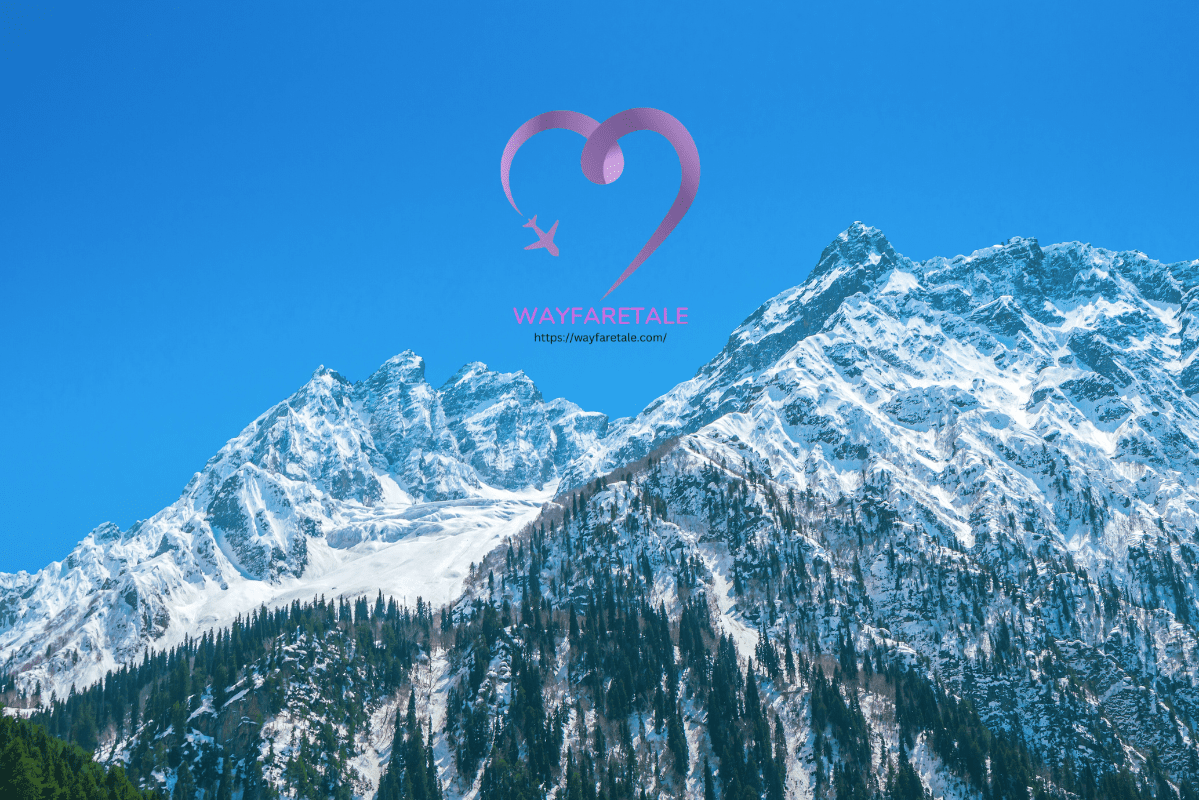
Nepal Road Trip: Epic One-Week Travel Itinerary Through the Himalayas!
Nepal is an extraordinary destination for an adventurous road trip through the heart of the Himalayas. This comprehensive one-week Nepal road trip itinerary covers the best places in the country that you can explore in 7 unforgettable days.
Nepal is a landlocked country with an incredible diversity of landscapes to discover! Winding mountain roads lead through ancient temples, terraced hillsides, pristine lakes, deep valleys, and breathtaking Himalayan passes. Therefore, embarking on a Nepal road trip is absolutely the best way to explore this incredible nation nestled between India and China.
With your own vehicle, you’ll be able to explore Nepal’s most stunning destinations at your own pace. While some attractions in Nepal can be reached by public transport or organized tours, many of the most spectacular and remote places are only accessible by private vehicle, giving you the freedom to discover hidden gems off the beaten path.
Based on my incredible journey through this mesmerizing country, I’ve put together this comprehensive 7-day Nepal road trip itinerary covering the cultural treasures of Kathmandu Valley, the adventure capital of Pokhara, the wildlife wonders of Chitwan, and the breathtaking mountain passes of the Himalayas. It includes distance calculations, provides an interactive route map, and suggests the best places to stay throughout Nepal.
Car rental tip 1: Rent Nepal is a reliable choice and one of the best car rental booking sites specifically for Nepal and the Himalayan region. You’ll be renting from local providers at competitive rates with experienced mountain driving guides available. This is the rental service I used for my Nepal adventure.
Car rental tip 2: For budget-conscious travelers, check DiscoverCars Nepal. This comparison website helps you find the best deals from different rental companies in Nepal, potentially saving up to 60% on your rental rate. They also offer reasonably priced comprehensive insurance coverage for mountain driving.
Stay: I booked all my accommodations in Nepal through Booking.com and Agoda, which offer excellent options from budget guesthouses to luxury mountain lodges.
Travel Insurance: Purchase reliable travel insurance at World Nomads or SafetyWing – essential for Nepal’s mountainous terrain and adventure activities.
Check the best adventure tours in Nepal on Viator for activities like white-water rafting, paragliding, and mountain flights.
Check guided cultural tours on GetYourGuide for expert-led temple visits and cultural experiences.
Summary of My Nepal Road Trip Route
- Day 1: Kathmandu Valley Exploration – Swayambhunath, Durbar Square, Thamel
- Day 2: Kathmandu to Nagarkot via Bhaktapur – Sunrise Views and Ancient Architecture
- Day 3: Nagarkot to Pokhara via Bandipur – Scenic Mountain Drive
- Day 4: Pokhara Adventure Day – Sarangkot Sunrise, Phewa Lake, Adventure Activities
- Day 5: Pokhara to Chitwan National Park – Wildlife Safari Preparation
- Day 6: Chitwan National Park Full Day – Elephant Safari, Jungle Activities
- Day 7: Chitwan to Kathmandu via Tribhuvan Highway – Return Journey
If I had 5 Days in Nepal, my itinerary would include Kathmandu Valley – Bhaktapur – Pokhara – Sarangkot – return to Kathmandu.
If I had 10 Days in Nepal, my itinerary would extend to include Chitwan National Park – Lumbini (Buddha’s birthplace) – Bandipur heritage town – and additional time in each location for deeper exploration.
Nepal Road Trip Planning Tips

Renting a Car in Nepal
Major car rental companies operate from Tribhuvan International Airport in Kathmandu. However, I strongly recommend checking local providers or Rent Nepal and DiscoverCars Nepal for better rates and mountain-experienced drivers. These platforms often offer competitive prices compared to international chains and frequently don’t require large deposits.
Important: Most visitors opt for a car with driver in Nepal due to challenging mountain roads, local driving customs, and navigation complexities. This is actually more cost-effective and much safer than self-driving.
Driving in Nepal
Having your own transportation (with a local driver) is the ideal way to explore Nepal’s diverse landscapes. This gives you access to remote villages, scenic viewpoints, and hidden temples that are impossible to reach via public transport. You’ll also have the flexibility to stop for photos, explore local markets, and adjust your schedule based on weather conditions.
Nepal’s road conditions vary dramatically – from smooth highways to challenging mountain paths. Distances can be deceptive; what looks like a short journey on the map might take several hours due to winding mountain roads, traffic, and weather conditions. For example, the 200km journey from Kathmandu to Pokhara can take 6-8 hours depending on road conditions and season.
Important considerations when driving in Nepal:
- Roads are often narrow with steep drop-offs
- Traffic drives on the left side
- Monsoon season (June-September) can make roads dangerous
- Always carry emergency supplies and inform others of your route
- Local drivers have invaluable knowledge of road conditions and shortcuts
Where to Stay During the Nepal Road Trip
Throughout my Nepal adventure, I prioritized staying in locally-owned guesthouses, heritage hotels, and boutique properties that showcase authentic Nepali hospitality. This approach not only supports local communities but also provides a more immersive cultural experience than large international hotel chains.
When traveling by car in Nepal, secure parking is crucial. Each accommodation I selected offered either private parking or safe street parking options. Many mountain locations have limited parking, so advance booking is essential.
Accommodation: I consistently booked through Booking.com and Agoda, which provide excellent variety for every budget. Both platforms offer great cancellation policies and frequent discounts for return customers.
Tip: Always verify cancellation policies and choose flexible booking options when possible. Nepal’s weather can be unpredictable, especially during monsoon season, so having flexibility in your accommodation bookings is invaluable.
What to Expect in Nepal?
In Nepal, you’ll experience an incredible blend of ancient culture and natural beauty. From the bustling streets of Kathmandu filled with centuries-old temples and vibrant markets, to the serene lakes of Pokhara reflecting snow-capped Himalayan peaks. You’ll witness the spiritual heart of Buddhism and Hinduism coexisting harmoniously, encounter some of the world’s friendliest people, and challenge yourself with adventure activities from white-water rafting to paragliding over the world’s highest mountains.
The country offers pristine wildlife experiences in Chitwan National Park where you might spot the rare one-horned rhinoceros and Royal Bengal tiger. You’ll taste incredible Nepali cuisine including dal bhat, momos, and authentic mountain honey, while staying in everything from traditional Nepali homes to luxury mountain lodges with Himalayan views.
How Many Days Do You Need in Nepal?
Based on my extensive travels throughout Nepal, one week provides an excellent introduction to the country’s highlights. You can experience the cultural treasures of Kathmandu Valley, the natural beauty of Pokhara, and the wildlife wonders of Chitwan National Park.
However, Nepal deserves more time if you can spare it. Two weeks would allow for trekking experiences, visits to more remote regions, and a more relaxed pace to truly absorb the culture and scenery.
In this guide, I also highlight the absolute must-see destinations for travelers with limited time, as well as places that can be skipped if you’re short on time.
Note: This itinerary is designed for Tribhuvan International Airport arrival/departure, but can easily be modified for overland entry from India at various border crossings.
When to Visit Nepal?
The best time for a Nepal road trip is during the dry seasons: October to December and March to May.
October to December: Crystal clear mountain views, perfect weather, and post-monsoon freshness. This is peak season, so book accommodations well in advance.
March to May: Warm weather, rhododendrons in bloom, and excellent visibility before the monsoon. This is ideal for both mountain views and wildlife viewing.
June to September (Monsoon): While scenery is lush and green, road conditions can be challenging with landslides and flooding. Not recommended for first-time visitors.
Winter (January-February): Cold but clear views. Higher altitude destinations may be inaccessible due to snow.
Budget for Your Road Trip in Nepal
Nepal offers incredible value for money, especially compared to other mountain destinations. Here’s a realistic budget breakdown for major expenses:
- Accommodation: $15-$80/night depending on location and luxury level
- Food: $10-$25/day for meals (local restaurants to tourist areas)
- Car with Driver: $40-$80/day depending on vehicle type and distance
- Fuel: Approximately $1.20/liter (prices fluctuate)
- Activities: $10-$100+ depending on adventure level (temple entry to helicopter tours)
- Permits: Various costs for national parks and restricted areas
Total daily budget: $80-$200 per person depending on comfort level and activities chosen.
Nepal 7-Day Road Trip Itinerary Day by Day
For those ready to dive deep into what this incredible Himalayan nation has to offer, here’s my detailed day-by-day breakdown of the route I took during my unforgettable week-long road trip through Nepal.
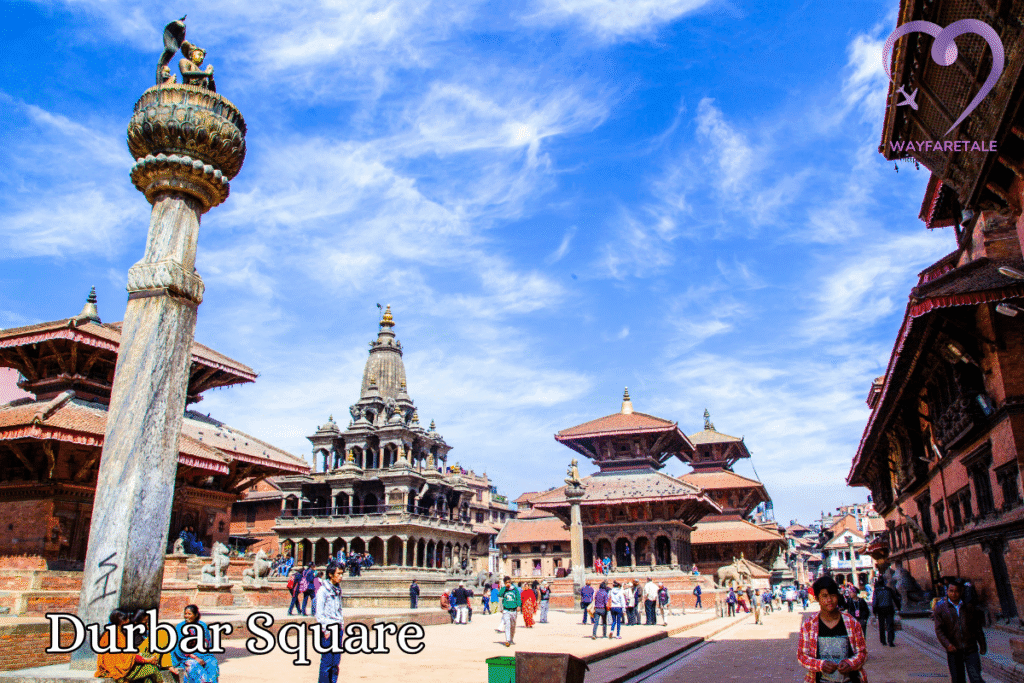
Day 1: Kathmandu Valley Exploration – Swayambhunath, Durbar Square, Thamel
- Distance covered: 25 KM
- Total drive time: 1 HR 30 MIN (with Kathmandu traffic)
- Overnight in: Thamel, Kathmandu
Starting your Nepal adventure in the chaotic but captivating capital city of Kathmandu is the perfect introduction to the country’s rich cultural tapestry. The Kathmandu Valley, a UNESCO World Heritage Site, contains more temples per square kilometer than anywhere else in the world.
I recommend beginning early to beat both the crowds and the notorious Kathmandu traffic. The city awakens slowly, and those early morning hours offer magical lighting for photography and peaceful moments at the sacred sites.
Things to Do in Kathmandu
Swayambhunath Stupa (Monkey Temple) Perched atop a hill overlooking the Kathmandu Valley, Swayambhunath is one of Nepal’s most sacred Buddhist sites. The 365-step climb to reach the stupa is worth every step – you’ll be rewarded with panoramic views of the entire valley and the snow-capped Himalayas on clear days.
USEFUL TIP: Visit at sunrise (around 6 AM) for the most spectacular views and to avoid the afternoon heat and crowds. The resident monkeys are most active in the morning, making for entertaining photo opportunities. Entry fee is 200 NPR for foreigners.
The ancient eyes of Buddha painted on the stupa seem to watch over the entire valley, and the spinning prayer wheels create a meditative atmosphere as devotees perform their morning rituals.
Kathmandu Durbar Square This historic square showcases the architectural brilliance of the Malla and Shah dynasties. Despite earthquake damage in 2015, many structures have been restored, and the square remains a living museum of Nepal’s royal heritage.
USEFUL TIP: Hire a local guide for 1,500-2,000 NPR to truly understand the historical significance and intricate details of the palaces and temples. The stories behind each structure bring the ancient stones to life.
Don’t miss the Kumari Ghar (House of the Living Goddess) where you might catch a glimpse of the young girl worshipped as a living deity. Photography is strictly prohibited near the Kumari’s residence.
Thamel District Evening As the sun sets, head to Thamel, Kathmandu’s tourist hub. This vibrant neighborhood comes alive with restaurants serving everything from traditional dal bhat to international cuisine, shops selling trekking gear and handicrafts, and rooftop bars offering views of the surrounding hills.
FOOD TIP: Try authentic Newari cuisine at Honacha Restaurant – their buff (water buffalo) sekuwa and traditional rice wine are exceptional. For vegetarians, the dal bhat at Thamel House Restaurant is legendary among travelers.
Where to Stay in Kathmandu
I stayed at Hotel Yala Peak in the heart of Thamel, which offered the perfect balance of comfort, location, and authentic Nepali hospitality. The rooftop restaurant provides stunning mountain views on clear days, and it’s walking distance to all major attractions and restaurants.
For budget travelers, Kathmandu Guest House is a legendary backpacker institution with clean rooms and a prime Thamel location. For luxury, Hotel Shangri-La Kathmandu offers five-star comfort with traditional Nepali architecture.
PARKING TIP: Most hotels in Thamel offer secure parking, but spaces are limited. Book accommodations that guarantee parking for your vehicle, as street parking in Kathmandu can be challenging and unsafe.
Day 2: Kathmandu to Nagarkot via Bhaktapur – Ancient Architecture and Mountain Sunrise
- Distance covered: 45 KM
- Total drive time: 2 HRS 30 MIN
- Overnight in: Nagarkot (mountain resort town)
This day combines cultural immersion with scenic mountain driving as you leave the Kathmandu Valley behind and climb toward the Himalayan foothills.
BHAKTAPUR – The Medieval Gem
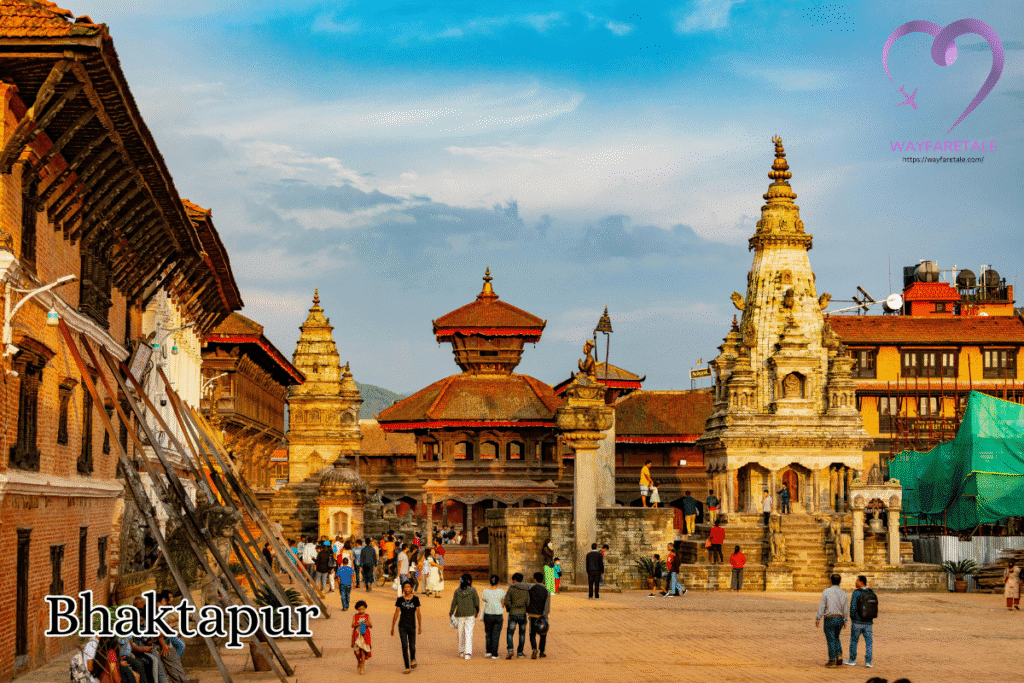
Before heading to the mountains, spend your morning exploring Bhaktapur, often called the most medieval city in Nepal. This UNESCO World Heritage Site feels frozen in time, with its narrow brick-paved streets, traditional architecture, and ancient way of life continuing unchanged for centuries.
Bhaktapur Durbar Square More intimate and better preserved than Kathmandu’s Durbar Square, Bhaktapur’s version showcases the pinnacle of Newari craftsmanship. The 55-Window Palace, Nyatapola Temple, and countless smaller shrines create an architectural wonderland.
USEFUL TIP: Purchase the comprehensive site ticket (1,500 NPR for foreigners) which covers all major attractions in Bhaktapur. The ticket is valid for multiple days if you want to return.
Traditional Crafts Experience Bhaktapur remains a living city where traditional crafts continue to thrive. Watch potters working on ancient wheels in Potter’s Square, observe woodcarvers creating intricate temple details, and witness the creation of traditional masks and sculptures.
FOOD HIGHLIGHT: Don’t leave without trying Bhaktapur’s famous king curd (juju dhau) – it’s incredibly creamy and served in traditional clay pots. Sample it at Shiva Cafe near Taumadhi Square.
NAGARKOT – Gateway to Himalayan Sunrise
The drive from Bhaktapur to Nagarkot takes you through terraced hillsides and traditional villages as the elevation gradually increases. This hill station at 2,195 meters offers some of the most accessible Himalayan views near Kathmandu.
Sunset Views Arrive in Nagarkot with time to spare before sunset. The western-facing slopes provide spectacular sunset views over the Kathmandu Valley, with the city lights beginning to twinkle below as darkness falls.
USEFUL TIP: Many hotels offer sunset viewing from their terraces or rooftops. Book a table for dinner at a restaurant with panoramic views – the combination of sunset, mountain air, and traditional Nepali cuisine creates unforgettable memories.
Where to Stay in Nagarkot
I stayed at Hotel Country Villa, which offers comfortable rooms with private balconies facing the Himalayas. The sunrise views directly from your room are worth the early wake-up call.
For budget travelers, Hotel Green Valley provides clean accommodation with shared sunrise viewing areas. For luxury, Club Himalaya Resort offers spa facilities and premium mountain views.
Book your stay at Hotel Country Villa through Booking.com
Day 3: Nagarkot to Pokhara via Bandipur – Epic Himalayan Drive
- Distance covered: 210 KM
- Total drive time: 6-7 HRS (including stops)
- Overnight in: Pokhara (2 consecutive nights)
HIMALAYAN SUNRISE IN NAGARKOT
Wake up at 5 AM for one of Nepal’s most spectacular experiences – watching the sun rise over the Himalayan range from Nagarkot. On clear days, you can see eight of the world’s thirteen highest peaks, including Mount Everest in the distance.
USEFUL TIP: The viewing tower near Hotel Everest View offers the best panoramic sunrise experience for 50 NPR. Bring warm clothes as temperatures can drop significantly at this altitude, especially in winter months.
The sight of the golden light hitting the snow-capped peaks while the valley below remains in shadow is absolutely magical. I spent nearly two hours just absorbing this incredible natural display and taking countless photos that never quite captured the true majesty of the scene.
THE SCENIC DRIVE TO POKHARA
After breakfast and sunrise viewing, begin the journey to Pokhara – Nepal’s adventure capital and gateway to the Annapurna region. This drive showcases Nepal’s incredible geographical diversity as you descend from the hills, cross river valleys, and wind through traditional villages.
BANDIPUR – A Heritage Hilltop Town Detour
About halfway to Pokhara, take a 30-minute detour up to Bandipur, a beautifully preserved Newari trading town perched on a hilltop. This gem is often overlooked by travelers rushing between Kathmandu and Pokhara, but it offers an authentic glimpse into traditional Nepal.
Things to do in Bandipur:
- Walk the main bazaar with its traditional architecture and mountain views
- Visit Thani Mai Temple for panoramic Himalayan vistas
- Explore Siddha Gufa, one of the largest caves in Nepal (if time permits)
- Enjoy lunch at a local restaurant with organic mountain vegetables
USEFUL TIP: The road up to Bandipur is steep and winding, but the views from the top are worth the challenging drive. Allow 2-3 hours total for the Bandipur detour including driving time.
ARRIVING IN POKHARA
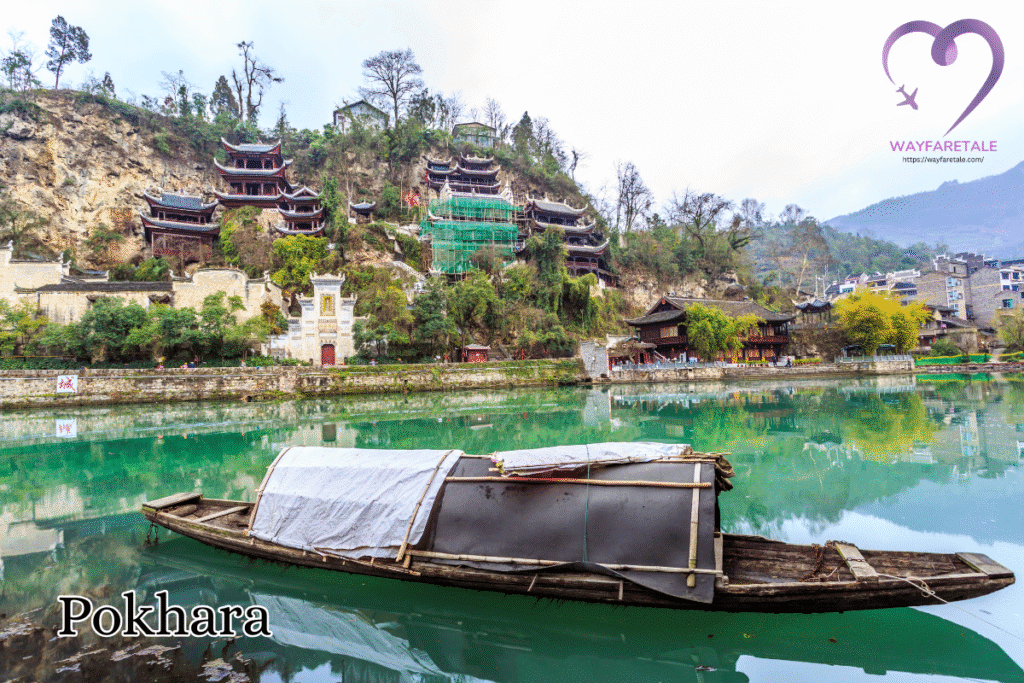
As you descend toward Pokhara, the landscape opens up dramatically. Suddenly, Phewa Lake comes into view with the mighty Annapurna massif reflecting in its waters – one of the most photographed scenes in all of Nepal. The contrast between the serene lake and the towering peaks creates an almost surreal beauty.
Pokhara sits at just 822 meters above sea level, making it significantly warmer and more humid than the mountain locations you’ve been visiting. The city has a much more relaxed vibe than Kathmandu, with wide streets, cleaner air, and a distinctly resort-town atmosphere.
Where to Stay in Pokhara
I stayed at Hotel Barahi directly on the shores of Phewa Lake in the Lakeside district. The location is unbeatable – you can watch sunrise over the Annapurnas from your balcony while enjoying morning tea. The hotel offers secure parking and is walking distance to restaurants, shops, and activity operators.
For budget travelers, Hotel Middle Path & Spa offers clean rooms with mountain views at reasonable rates. For luxury, Temple Tree Resort & Spa provides five-star comfort with traditional architecture and premium lake views.
PARKING TIP: Lakeside Pokhara can get congested, especially during peak season. Choose accommodations with guaranteed parking, as street parking is limited and not always secure.
Day 4: Pokhara Adventure Day – Sarangkot Sunrise, Phewa Lake, Adventure Activities
- Distance covered: 35 KM
- Total drive time: 1 HR 30 MIN (local driving around Pokhara area)
- Overnight in: Pokhara
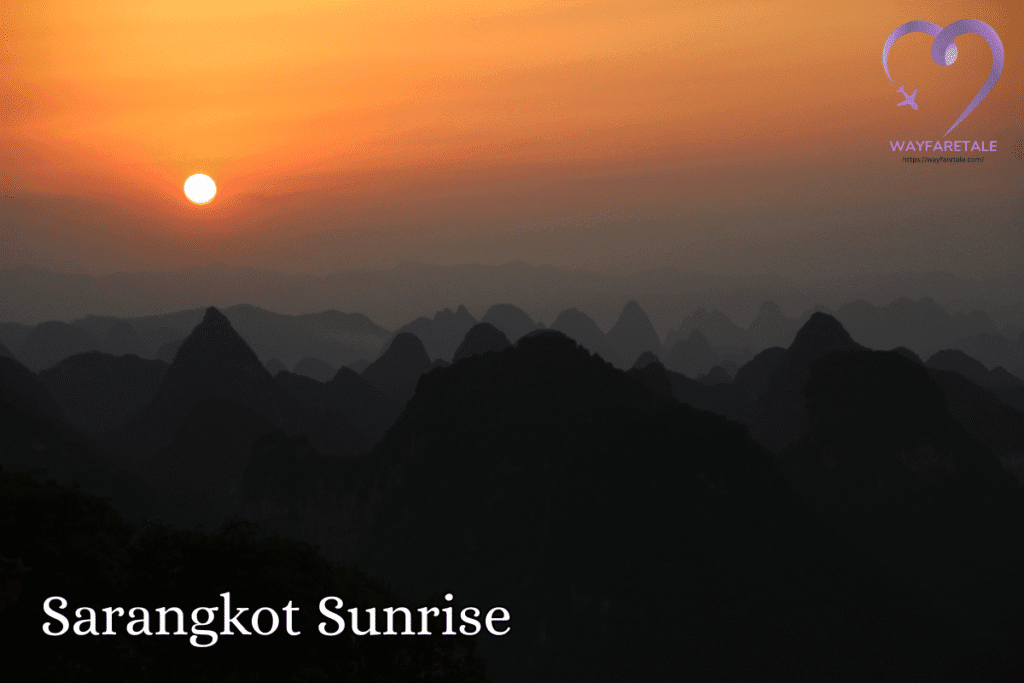
SARANGKOT SUNRISE – The Ultimate Himalayan Experience
Start your day with another early wake-up call (4:30 AM) for the drive up to Sarangkot viewpoint. At 1,592 meters, this hilltop offers arguably the best accessible sunrise views of the Annapurna range in all of Nepal.
The 30-minute drive up winding mountain roads in pre-dawn darkness adds to the adventure. As you reach the viewpoint, you’ll join dozens of other early risers – both tourists and locals – all waiting in anticipation for the sun to illuminate the massive peaks.
USEFUL TIP: Dress warmly! The temperature difference between Pokhara and Sarangkot can be 10-15 degrees. Bring a thermos of hot tea or coffee, and arrive at least 30 minutes before sunrise to secure the best viewing spot.
When the sun finally crests the horizon and begins painting the peaks in brilliant orange and gold, the crowd falls silent. Machapuchare (Fish Tail Peak) dominates the view, while the entire Annapurna massif stretches across the horizon like a white-capped wall touching the sky.
PHEWA LAKE EXPLORATION
Return to Pokhara for breakfast, then spend your morning exploring Phewa Lake – Nepal’s second-largest lake and the heart of Pokhara’s tourism scene.
Boating on Phewa Lake Rent a colorful wooden rowboat (500-800 NPR per hour) and paddle across the calm waters toward Tal Barahi Temple, a small pagoda-style temple on an island in the middle of the lake. The peaceful rowing, combined with mountain reflections in the water, creates a meditative experience.
USEFUL TIP: Early morning (7-9 AM) offers the calmest water and best mountain reflections. Avoid midday when the lake can become choppy from motorboats and the heat becomes intense.
ADVENTURE ACTIVITIES IN POKHARA
Pokhara is Nepal’s adventure capital, offering activities for every thrill level:
Paragliding (Highly Recommended) Soar like an eagle over Phewa Lake with the Himalayas as your backdrop. Tandem flights with experienced pilots last 30-45 minutes and cost $80-120. The takeoff point is usually from Sarangkot, where you were watching sunrise earlier.
SAFETY TIP: Only book with licensed operators like Avia Club Nepal or Blue Sky Paragliding. Weather conditions can change quickly in the mountains, so be prepared for potential delays or cancellations.
White Water Rafting The Seti River offers gentle Class I-II rapids perfect for beginners, while the Kali Gandaki provides more challenging Class III-IV rapids for experienced rafters. Half-day trips start from $25 per person.
Zip-lining Experience one of the world’s steepest zip-lines at 1,800 meters length with a 600-meter vertical drop. The ride offers incredible valley views and an adrenaline rush that lasts for days.
Mountain Biking Rent bikes and explore the countryside around Pokhara, including visits to traditional villages, ancient caves, and peaceful riverside trails. Several operators offer guided and self-guided options.
LAKESIDE EVENING
End your adventure-filled day with a sunset stroll along Lakeside Pokhara. The pedestrian-friendly streets come alive in the evening with restaurants, bars, and shops catering to the international adventure crowd.
FOOD TIP: Try the wood-fired pizza at Fire and Ice Restaurant – surprisingly authentic Italian food with Himalayan views. For traditional Nepali cuisine, Krishnarpan at Dwarika’s Resort offers an authentic cultural dining experience.
Book your Pokhara adventure activities through GetYourGuide or Viator for guaranteed availability and safety standards.
Day 5: Pokhara to Chitwan National Park – Wildlife Safari Adventure
- Distance covered: 150 KM
- Total drive time: 4-5 HRS
- Overnight in: Chitwan National Park (2 consecutive nights)
Leave Pokhara after breakfast for the drive south to Chitwan National Park, Nepal’s premier wildlife destination. The journey takes you through the Middle Hills and down into the subtropical Terai plains, showcasing yet another facet of Nepal’s incredible geographical diversity.
THE DRIVE TO CHITWAN
The route from Pokhara to Chitwan follows the Prithvi Highway before branching south through traditional villages and terraced farmland. As you descend from the mountains, the climate becomes noticeably warmer and more humid – you’re entering the subtropics.
SCENIC STOPS ALONG THE WAY:
- Mugling: A riverside town where you can stop for lunch and watch the confluence of the Trisuli and Marsyangdi rivers
- Bharatpur: The gateway town to Chitwan, where you can stock up on supplies and grab snacks
USEFUL TIP: The road can be dusty and bumpy in places, especially during dry season. Keep windows closed and have water readily available. The last 30 km to Chitwan involve smaller roads through rural farming communities.
ARRIVING IN CHITWAN NATIONAL PARK
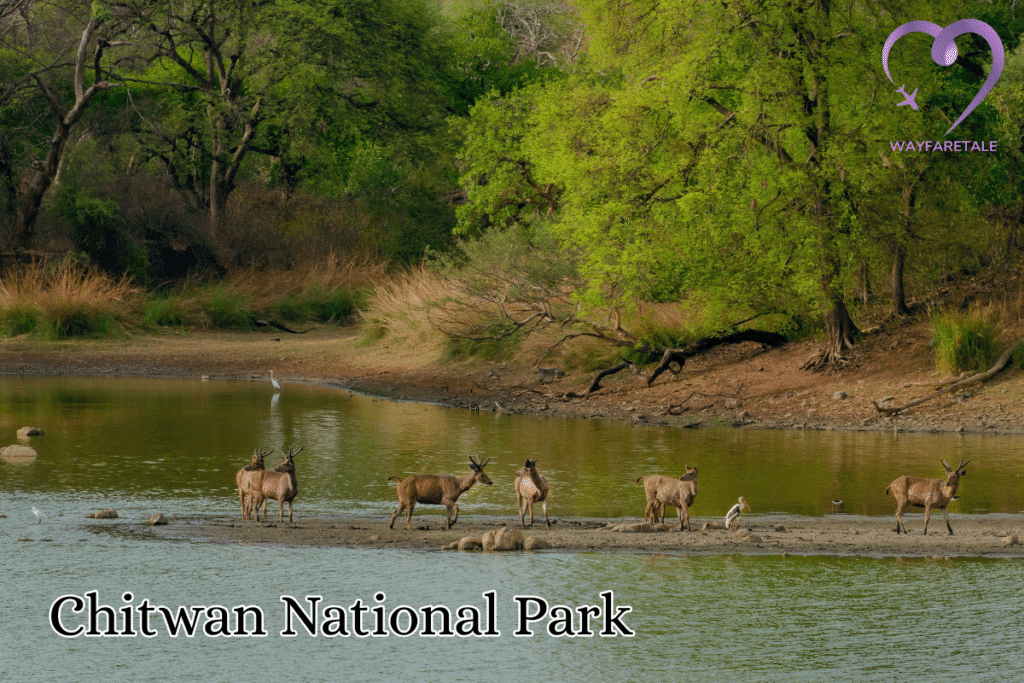
Established in 1973 as Nepal’s first national park, Chitwan is a UNESCO World Heritage Site protecting 932 square kilometers of pristine subtropical wilderness. This lowland preserve in the Terai is home to more than 70 species of mammals, over 540 species of birds, and some of the last remaining populations of endangered species like the one-horned rhinoceros and Royal Bengal tiger.
The contrast with the mountain regions you’ve been exploring is dramatic – dense jungle, tall elephant grass, and meandering rivers replace snow-capped peaks and mountain lakes.
AFTERNOON PREPARATION
Arrive in Sauraha (the main tourist hub for Chitwan) in time for a late lunch and preparation for the next day’s safari activities. Most lodges and hotels will help arrange your wildlife viewing options and provide essential information about park rules and safety guidelines.
ESSENTIAL CHITWAN PREPARATION:
- Lightweight, earth-toned clothing for jungle activities
- Insect repellent and sunscreen
- Comfortable walking shoes for nature walks
- Camera with zoom lens for wildlife photography
- Early bedtime to prepare for dawn safari activities
Where to Stay in Chitwan
I stayed at Sapana Village Lodge, an eco-friendly property built in traditional Tharu architectural style. The lodge offers comfortable bungalows surrounded by jungle, has its own elephant viewing area, and provides authentic cultural experiences with the indigenous Tharu community.
For budget travelers, Hotel Wildlife Camp offers clean rooms and safari packages at reasonable rates. For luxury, Barahi Jungle Lodge provides upscale accommodations with premium safari experiences and spa facilities.
Book your stay at Sapana Village Lodge through Booking.com
Day 6: Chitwan National Park Full Day – Wildlife Safari and Cultural Experiences
- Distance covered: 40 KM (safari driving within the park)
- Total drive time: Various safari activities throughout the day
- Overnight in: Chitwan National Park
This day is dedicated entirely to experiencing Chitwan’s incredible wildlife and learning about the indigenous Tharu culture. Start early – the best wildlife viewing happens at dawn and dusk when animals are most active.
DAWN ELEPHANT SAFARI
Begin your day at 6 AM with an elephant-back safari deep into the jungle. While controversial in some destinations, the elephants in Chitwan are well-cared for and this remains one of the most effective ways to safely navigate the dense jungle terrain and tall grass areas where rhinos and tigers hide.
WILDLIFE VIEWING OPPORTUNITIES:
- One-horned Rhinoceros: Chitwan has over 600 of these magnificent creatures – you’re almost guaranteed to see several
- Royal Bengal Tiger: Much more elusive, but tracks and occasional sightings do occur
- Asian Elephants: Wild herds roam the park, distinct from the safari elephants
- Leopards, Sloth Bears, and Wild Boar: Various predators and prey species
- Crocodiles: Both marsh mugger and gharial species in the rivers
USEFUL TIP: Bring a cushion for the elephant ride – two hours on an elephant’s back can be uncomfortable! Also, listen to your mahout (elephant guide) – their knowledge of animal behavior and locations is invaluable.
CANOE RIDE ON RAPTI RIVER
After breakfast, take a traditional dugout canoe ride along the Rapti River. This peaceful journey offers excellent opportunities to spot crocodiles sunning on the riverbanks, various water birds, and sometimes even rhinos coming to drink.
The silence of paddling through the jungle waterways creates an almost primordial experience. Kingfishers flash blue and orange as they dive for fish, while egrets and herons stand motionless in the shallows.
JUNGLE WALK WITH NATURALIST GUIDE
In the afternoon, embark on a guided jungle walk with an experienced naturalist. This walking safari allows you to learn about the smaller flora and fauna that you miss from elephant-back – medicinal plants, insects, bird calls, and animal tracking techniques.
SAFETY NOTE: Jungle walks are safe when following guide instructions, but remember you’re in wild territory with potentially dangerous animals. Stay close to your guide and follow all safety protocols.
THARU CULTURAL EXPERIENCE
End your day with an authentic Tharu cultural program. The Tharu people are the indigenous inhabitants of the Terai plains and have lived in harmony with the jungle for centuries. Their traditional dances, music, and stories provide insight into life in the subtropics.
CULTURAL HIGHLIGHTS:
- Traditional stick dances performed around a bonfire
- Tharu village visits to see traditional architecture and farming methods
- Local cuisine featuring dal bhat with jungle vegetables and fresh fish
- Traditional crafts including weaving and pottery demonstrations
FOOD TIP: Try the Tharu preparation of dal bhat with fresh river fish and locally grown vegetables. The flavors are distinctly different from mountain varieties, with more spices and tropical ingredients.
Day 7: Chitwan to Kathmandu via Tribhuvan Highway – Journey Home
- Distance covered: 180 KM
- Total drive time: 5-6 HRS
- End point: Tribhuvan International Airport or Kathmandu accommodation
Your final day involves the journey back to Kathmandu, completing the circle of your Nepal road trip adventure. This drive offers one last chance to appreciate Nepal’s diverse landscapes as you climb back into the hills and return to the Kathmandu Valley.
EARLY MORNING BIRD WATCHING
Before departing Chitwan, consider an early morning bird watching session. Chitwan is home to over 540 bird species, making it one of Asia’s premier birding destinations. Even a short walk around your lodge grounds can yield sightings of exotic species rarely seen elsewhere.
THE RETURN JOURNEY
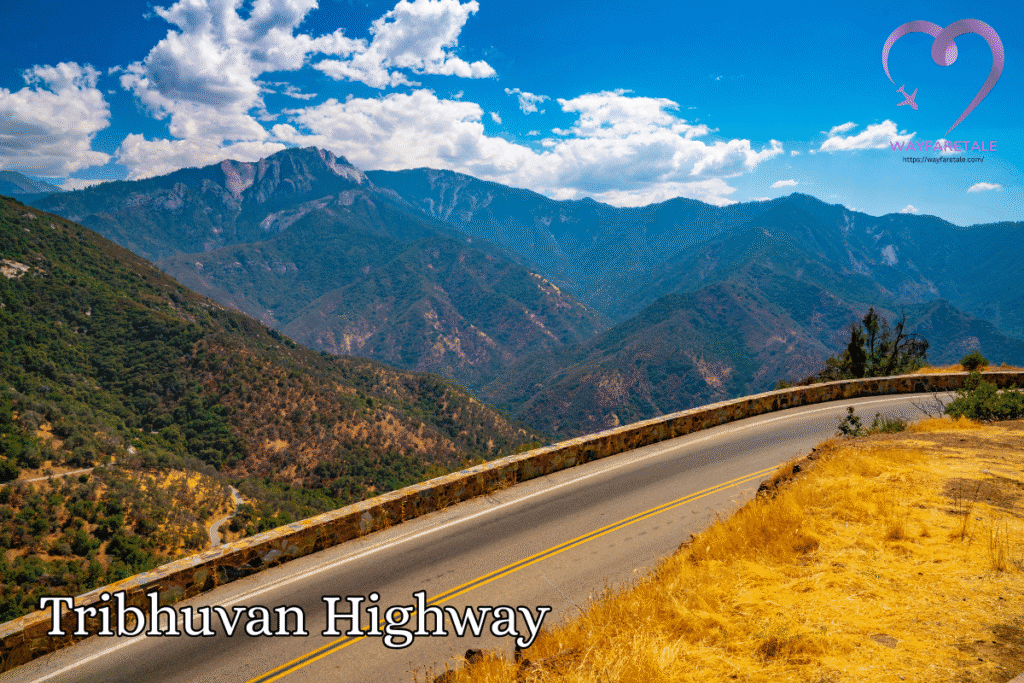
The drive back to Kathmandu reverses your earlier descent, taking you through the changing ecosystems from subtropical plains back to temperate hills. The Tribhuvan Highway, while challenging in places, offers spectacular valley views and mountain vistas as you gain elevation.
SCENIC HIGHLIGHTS OF THE RETURN DRIVE:
- Hetauda: Industrial town with mountain backdrop views
- Daman: High mountain pass with Himalayan panoramas (weather permitting)
- Pharping: Historic town with important Buddhist and Hindu sites
USEFUL TIP: Allow extra time for the return journey, especially if you have an evening flight. Traffic entering Kathmandu can be unpredictable, and you’ll want buffer time for any mechanical issues or road delays.
REFLECTION ON YOUR NEPAL ADVENTURE
As you wind through the final mountain passes before descending into Kathmandu Valley, take time to reflect on the incredible diversity of experiences you’ve had in just one week. From ancient temples and medieval cities to Himalayan sunrises and jungle safaris – Nepal has shown you countless faces of its remarkable character.
The memories of prayer flags fluttering against snow-capped peaks, the sound of temple bells in ancient courtyards, the thrill of spotting a rhinoceros in tall grass, and the warmth of Nepali hospitality will stay with you long after you’ve returned home.
What I Skipped and What I’d Suggest Skipping for a One-Week Trip
Places I skipped that I wish I hadn’t:
- Lumbini: Buddha’s birthplace is historically significant but requires an extra 2-3 days
- Annapurna Base Camp Trek: Requires 7-12 days minimum for proper trekking experience
- Everest Region: Best accessed via flight to Lukla and requires significant trekking time
Places I visited briefly that could be skipped for time:
- Bandipur: Beautiful but not essential if you’re short on time
- Extended Chitwan activities: Two days is sufficient for wildlife viewing
Places I’d skip entirely for first-time visitors:
- Janakpur: Religious significance but limited tourist infrastructure
- Far Western Nepal: Beautiful but requires significantly more time and challenging logistics
- Restricted areas: Mustang, Manaslu, etc. require special permits and guided groups
Final Tips for Your Nepal Road Trip
Road Conditions: Always check current road conditions, especially during monsoon season (June-September) when landslides can block major highways.
Cultural Sensitivity: Dress modestly when visiting religious sites, remove shoes before entering temples, and ask permission before photographing people.
Health Precautions: Drink only bottled or properly treated water, carry hand sanitizer, and consider altitude sickness prevention for higher elevations.
Emergency Preparedness: Carry emergency contact numbers, inform your embassy of travel plans, and have travel insurance that covers adventure activities.
Nepal Travel Resources
Planning your Nepal adventure soon? Below are the booking resources I personally used and recommend:
- Find the BEST FLIGHTS to Nepal using Skyscanner – compare airlines and routes to Tribhuvan International Airport
- Rent your car with driver at competitive rates through Rent Nepal or local operators in Kathmandu
- Book your ACCOMMODATION on Booking.com or Agoda for the best selection and prices
- Get reliable TRAVEL INSURANCE through World Nomads or SafetyWing – essential for Nepal’s adventure activities
- Book adventure activities through GetYourGuide or Viator for guaranteed safety standards and availability
Nepal is a country that changes you. The combination of natural beauty, cultural richness, and genuine hospitality creates an experience that goes far beyond typical tourism. This one-week itinerary provides a perfect introduction, but I guarantee you’ll already be planning your return visit before you even leave.
Safe travels, and may your journey through Nepal be as transformative as mine was!