
Indonesia Road Trip: Epic One-Week Travel Itinerary Through Java’s Hidden Gems!
Indonesia is an incredible destination for an unforgettable road trip adventure. This detailed one-week Indonesia road trip itinerary covers the best places in Java that you can visit in 7 days, focusing on the island’s most spectacular landscapes, cultural treasures, and off-the-beaten-path destinations.
Indonesia, with over 17,000 islands, offers endless possibilities for exploration, but Java stands out as the perfect island for a road trip. Winding roads connect ancient temples, active volcanoes, pristine beaches, and vibrant cultural centers. Therefore, embarking on a Java road trip is by far the best way to experience the heart of Indonesia’s rich heritage and natural beauty.
With your own wheels, you will be able to explore Java’s most incredible destinations at your own pace. While some attractions in Java can be reached by public transport or organized tours, many of the most breathtaking locations are only accessible by car, especially the remote mountain villages and hidden waterfalls.
Based on my extensive travels through Indonesia over multiple visits, I’ve put together this comprehensive 7-day Java road trip itinerary covering ancient temples, active volcanoes, traditional villages, and stunning coastal areas. It includes driving distances, provides practical tips, and suggests the best places to stay throughout Java.
Essential Road Trip Planning Resources
Car rental tip 1: Traveloka Cars is one of the most reliable car rental platforms in Indonesia, offering competitive rates with local and international providers. This platform provides excellent customer service and clear pricing, which I used for my Java road trip.
Car rental tip 2: For budget-conscious travelers, Klook offers great car rental deals with local Indonesian companies. They often have promotions that can save you up to 40% on rental rates and include basic insurance coverage.
Stay: I booked all accommodations through Booking.com and Agoda, which have excellent coverage across Java with competitive rates.
Travel Insurance: Purchase comprehensive travel insurance through World Nomads or SafetyWing for peace of mind during your Indonesian adventure.
Tours: Check the best cultural and adventure tours in Java on GetYourGuide and Klook.
Local Transport: For airport transfers and day trips, Grab is the most reliable ride-hailing app in Indonesia.
Summary of My Java Road Trip Route
- Day 1: Jakarta – Bogor – Bandung (Cultural immersion and mountain escape)
- Day 2: Bandung – Yogyakarta via Pangandaran (Beach detour and cultural capital)
- Day 3: Yogyakarta – Borobudur – Prambanan – Solo (Temple hopping and royal heritage)
- Day 4: Solo – Tawangmangu – Mount Lawu – Sarangan Lake (Mountain adventure)
- Day 5: Sarangan – Malang via Blitar (Colonial architecture and mountain town)
- Day 6: Malang – Mount Bromo – Probolinggo (Volcano sunrise and crater exploration)
- Day 7: Probolinggo – Surabaya – Return to Jakarta (Industrial heritage and departure)
Alternative Itinerary Options
If I had 5 Days in Java: Jakarta – Yogyakarta – Borobudur/Prambanan – Solo – Mount Bromo – Surabaya
If I had 10 Days in Java: Add Dieng Plateau, East Java beaches (Malang region), Central Java highlands, and extended time in cultural centers
If I had 14 Days in Java: Include West Java highlands (Garut, Tasikmalaya), East Java coast (Banyuwangi), and Central Java’s hidden gems (Karimunjawa Islands)
Java Road Trip Planning Essentials

Renting a Car in Indonesia
Major car rental companies operate from Soekarno-Hatta International Airport in Jakarta and other major cities. However, I recommend checking Traveloka Cars or Klook for better rates compared to international brands. Local Indonesian rental companies often provide excellent service at competitive prices, and many don’t require large deposits when booking online.
Important: International Driving Permit (IDP) is mandatory for foreigners driving in Indonesia. Ensure you obtain this before traveling.
Driving in Java
Driving in Java is an adventure in itself and the ideal way to explore this diverse island. Having your own vehicle allows access to remote temples, hidden waterfalls, traditional villages, and scenic mountain roads that public transport simply cannot reach.
Java’s road network is generally well-developed, especially the main highways connecting major cities. However, mountain roads can be narrow and winding, requiring careful driving. Traffic in major cities like Jakarta, Bandung, and Surabaya can be extremely congested, so plan your departure times accordingly.
Driving Tips:
- Avoid Jakarta during rush hours (7-10 AM and 5-8 PM)
- Mountain roads may take longer than Google Maps suggests
- Fuel stations are frequent on main routes but scarce in remote areas
- Local drivers can be aggressive – drive defensively
- Toll roads are efficient but require cash payments
Where to Stay During Your Java Road Trip
Throughout my Java road trip, I prioritized locally-owned accommodations including boutique hotels, homestays, and traditional guesthouses rather than international chains. This approach provided authentic cultural experiences while supporting local communities.
Accommodation Criteria:
- Secure parking (essential with a rental car)
- Central location for exploring on foot
- Traditional Indonesian breakfast included
- Local recommendations for authentic dining
Booking Strategy: I always book through Booking.com and Agoda for their extensive Indonesia coverage, guest reviews, and flexible cancellation policies. As a frequent user, you’ll earn loyalty points and access to special discounts.
Tip: Book accommodations with free cancellation when possible, especially during rainy season (October-April) when weather can affect travel plans.
Quick Accommodation Overview
Here’s a summary of where I stayed during my Java road trip:
- Bandung: Villa Dago – Traditional colonial-style guesthouse in the hills
- Yogyakarta: Sultan Palace Guesthouse – Heritage accommodation near Kraton
- Solo: Rumah Turi Hotel – Boutique property in the cultural district
- Malang: Tugu Malang Hotel – Historic hotel with Indonesian antiques
- Probolinggo: Bromo Permai Hotel – Mountain lodge near Mount Bromo
- Surabaya: Hotel Majapahit – Colonial grandeur for the final night
All accommodations were booked through Booking.com with detailed reviews and recommendations included in each daily section below.
What to Expect in Java
Java offers an incredible diversity of experiences within a relatively compact area. You’ll discover ancient Buddhist and Hindu temples that rival Angkor Wat, witness active volcanic landscapes with otherworldly sunrises, explore royal palaces that preserve centuries-old traditions, and experience warm Indonesian hospitality in traditional villages.
The island seamlessly blends cultural heritage with natural wonders – from the spiritual atmosphere of Borobudur at dawn to the lunar landscape surrounding Mount Bromo, from the artistic traditions of Yogyakarta to the colonial architecture of Malang. Traditional batik workshops, gudeg (local cuisine) cooking classes, and gamelan music performances provide authentic cultural immersion throughout your journey.
Cultural Highlights: UNESCO World Heritage temples, traditional arts and crafts, royal palaces, local markets, traditional villages
Natural Wonders: Active volcanoes, mountain lakes, waterfalls, hot springs, crater landscapes
Culinary Adventures: Regional specialties, traditional coffee culture, local markets, cooking workshops
How Many Days Do You Need in Java?
Based on multiple visits to Java, one week provides sufficient time to experience the island’s major highlights while maintaining a comfortable pace. This itinerary balances must-see attractions with cultural immersion and natural wonders.
However, Java rewards longer stays – two weeks allows for deeper exploration of traditional villages, extended trekking in national parks, and island-hopping to Java’s offshore destinations.
Note: This itinerary assumes arrival and departure from Jakarta, but can easily be modified for those flying into Yogyakarta or Surabaya.
Best Time to Visit Java
Dry Season (May-September): Ideal for temple exploration, mountain trekking, and volcano visits. Clear skies provide perfect conditions for Mount Bromo sunrise and photography.
Wet Season (October-April): Higher rainfall but fewer crowds and lush green landscapes. Many indoor cultural activities and covered attractions remain accessible.
Peak Season: July-August brings school holidays and higher accommodation prices.
Shoulder Season: May-June and September-October offer the best balance of good weather and reasonable prices.
Budget for Your Java Road Trip
Indonesia remains excellent value for travelers, though prices vary significantly between rural areas and major tourist destinations. Here’s a realistic budget breakdown:
Accommodation: $15-$40/night for mid-range hotels and guesthouses Dining: $8-$20/day depending on local warungs vs. restaurants
Car Rental: $20-$40/day for a reliable vehicle with insurance Fuel: $0.65/liter for gasoline (2024 prices) Attractions: $5-$15 entrance fees for major temples and national parks Total Daily Budget: $60-$120 per person (mid-range travel style)
Java 7-Day Road Trip Itinerary Day by Day
For those wanting to experience Java’s incredible diversity, here’s my detailed day-by-day breakdown of the route I took during my one-week road trip across this fascinating island.
Day 1: Jakarta – Bogor – Bandung
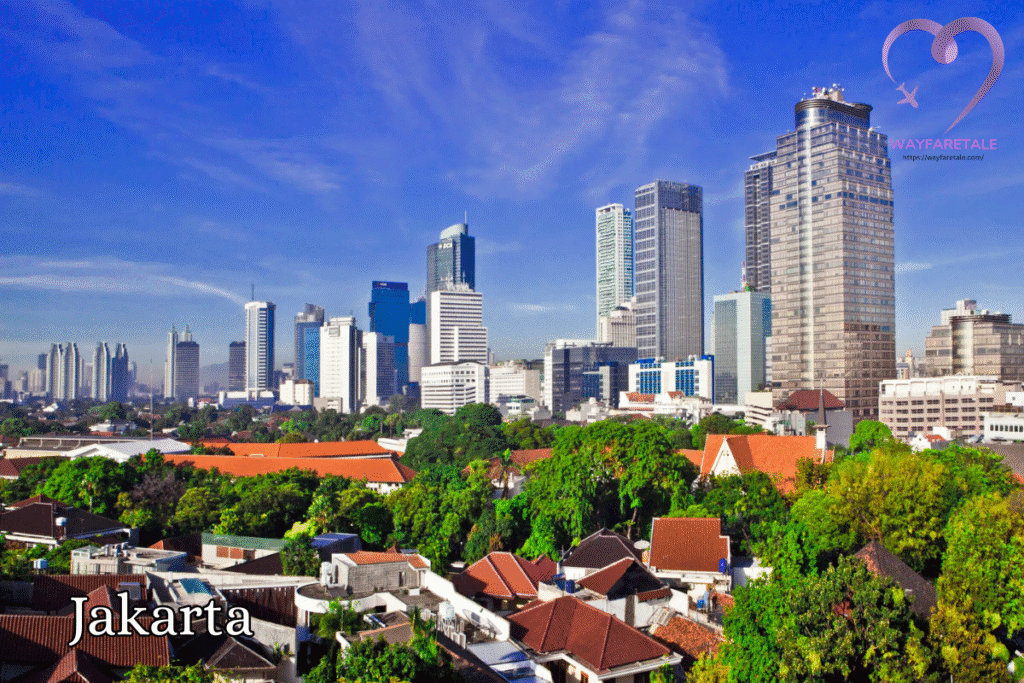
- Distance covered: 180 KM
- Total drive time: 4 hours (without traffic)
- Overnight in: Bandung (2 consecutive nights)
Starting your Java adventure in Jakarta might seem daunting given the city’s notorious traffic, but escaping to the mountains provides immediate relief and sets the tone for your entire trip. I recommend departing Jakarta very early (5 AM) to avoid the worst traffic and reach Bandung before afternoon heat.
BOGOR DETOUR
Bogor Botanical Gardens – Indonesia’s Green Oasis
Just 60 km south of Jakarta, Bogor offers a perfect first stop to stretch your legs and experience Indonesia’s incredible biodiversity. The Bogor Botanical Gardens (Kebun Raya Bogor), established in 1817, spans 87 hectares and houses over 15,000 plant species.
Things to do in Bogor:
- Explore the Presidential Palace grounds – The palace gardens are open to public and offer beautiful colonial architecture
- Visit the Orchid House – Home to Indonesia’s national flower collection
- Walk the Giant Bamboo Grove – Perfect for photography and peaceful contemplation
USEFUL TIP: Park near the main entrance and hire a local guide for 50,000 IDR ($3). They provide fascinating insights into Indonesia’s botanical heritage and know the best photo spots.
PUNCAK PASS SCENIC DRIVE
The drive from Bogor to Bandung via Puncak Pass is one of Indonesia’s most scenic mountain routes. Tea plantations cascade down hillsides, traditional villages dot the landscape, and roadside vendors sell fresh tropical fruits.
Stop at Taman Wisata Matahari – This recreational park offers stunning valley views and traditional Indonesian activities like flying kites and trying local snacks.
DRIVING TIP: The mountain road has many sharp curves and steep sections. Take your time and pull over at designated viewpoints for photos. Weekend traffic can be heavy with Jakarta residents escaping to the mountains.
BANDUNG – PARIS VAN JAVA
Bandung welcomes you with cooler mountain air and a distinctly different atmosphere from Jakarta’s chaos. Known as “Paris van Java” during Dutch colonial times, Bandung maintains architectural charm while embracing modern Indonesian culture.
Things to do in Bandung:
- Explore Braga Street’s Art Deco architecture – Colonial buildings now house trendy cafes and boutiques
- Visit traditional fabric markets – Bandung is Indonesia’s fashion capital with excellent batik and textile shopping
- Experience the vibrant culinary scene – From street food to modern Indonesian cuisine
Must-try Local Food:
- Sate Marangi – Bandung’s signature grilled meat skewers with sweet soy sauce
- Batagor – Fried fish dumplings served with spicy peanut sauce
- Bandung Milk – Sweet condensed milk drink that originated here
ACCOMMODATION TIP: I stayed at Villa Dago in the hills above Bandung. This colonial-era guesthouse offers stunning city views, traditional Indonesian breakfast, and secure parking. The location provides easy access to Bandung’s attractions while maintaining peaceful mountain atmosphere.
Evening Activity: Head to Kampung Gajah Wonderland for sunset views over Bandung’s valley. The chairlift ride offers spectacular panoramas of Java’s mountain landscape.
Day 2: Bandung – Pangandaran – Yogyakarta
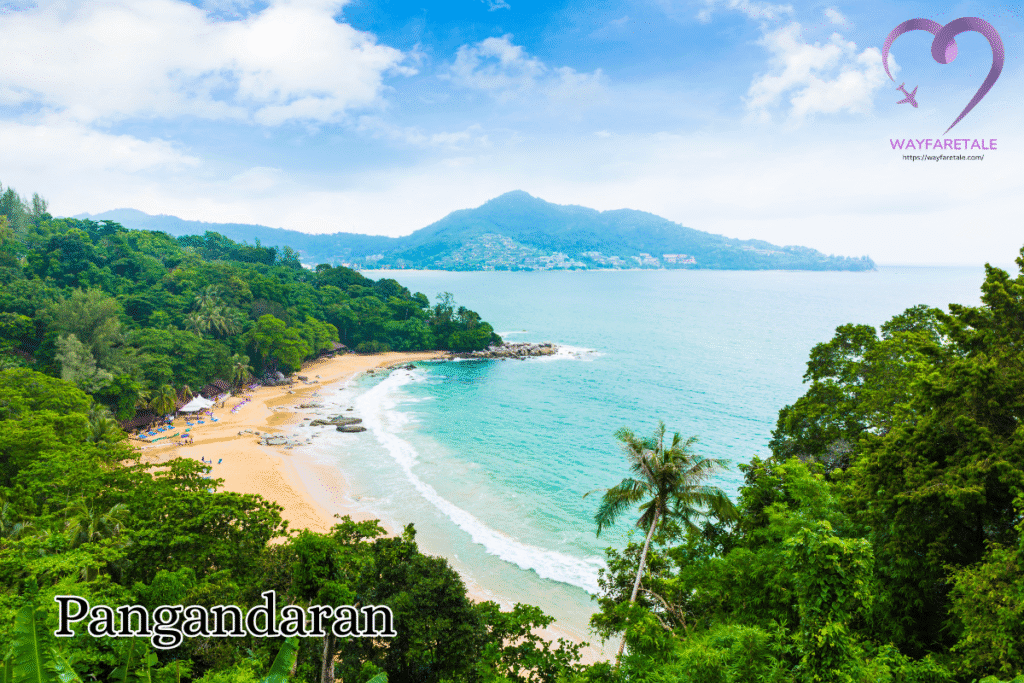
- Distance covered: 380 KM
- Total drive time: 6 hours (with beach stop)
- Overnight in: Yogyakarta (2 consecutive nights)
This is the longest driving day of your Java road trip, but the journey takes you across Java’s diverse landscape from mountains to coast to cultural heartland. I recommend starting at 6 AM to maximize time at each destination.
PANGANDARAN BEACH DETOUR
Indonesia’s Most Accessible Beach Paradise
Pangandaran offers a perfect mid-journey break with black volcanic sand beaches, fresh seafood, and traditional fishing village atmosphere. The beach faces both east and west, providing sunrise and sunset viewing opportunities.
Things to do in Pangandaran:
- Watch traditional fishing boats return – Early morning activity as colorful boats bring in the daily catch
- Try fresh grilled fish lunch – Beachfront warungs serve incredibly fresh seafood at unbeatable prices
- Walk Pangandaran Nature Reserve – Short trails through coastal forest to pristine beaches
USEFUL TIP: Visit Batu Hiu (Shark Rock) for dramatic coastal photography. The natural rock formation creates stunning backdrops against crashing waves.
Local Specialty: Order “ikan bakar” (grilled fish) with “nasi liwet” (coconut rice) at any beachfront warung. The combination of smoky fish and fragrant rice perfectly represents Indonesian coastal cuisine.
DRIVE TO YOGYAKARTA
The final stretch to Yogyakarta takes you through Java’s agricultural heartland. Rice paddies stretch to the horizon, traditional villages preserve centuries-old architecture, and glimpses of distant volcanoes hint at tomorrow’s adventures.
Scenic Stops:
- Wonosari limestone hills – Unique karst landscape with hidden caves and underground rivers
- Traditional pottery villages – Roadside workshops where families create beautiful ceramics
YOGYAKARTA – CULTURAL SOUL OF JAVA
Arriving in Yogyakarta feels like stepping into Indonesia’s cultural heart. This special administrative region maintains its sultanate while embracing modern education and arts. The city pulses with student energy, traditional crafts, and deep spiritual heritage.
Evening in Yogyakarta:
- Explore Malioboro Street – Java’s most famous pedestrian street buzzing with street food, traditional crafts, and live music
- Visit Sultan’s Palace (Kraton) vicinity – Traditional architecture and cultural performances
- Try gudeg – Yogyakarta’s signature dish of young jackfruit curry, only authentic here
Where to Stay in Yogyakarta: I stayed at Sultan Palace Guesthouse, a traditional Javanese house converted into boutique accommodation. Located within walking distance of Kraton and Malioboro Street, it offers authentic architecture, traditional breakfast, and knowledgeable hosts who provide cultural insights.
PARKING TIP: Yogyakarta’s old city has narrow streets and limited parking. Choose accommodation with secure parking or park at designated tourist lots and explore on foot.
Food Recommendation: Have dinner at Gudeg Yu Djum, a legendary local restaurant serving authentic gudeg since 1950. The sweet curry perfectly represents Yogyakarta’s culinary identity.
Day 3: Yogyakarta – Borobudur – Prambanan – Solo
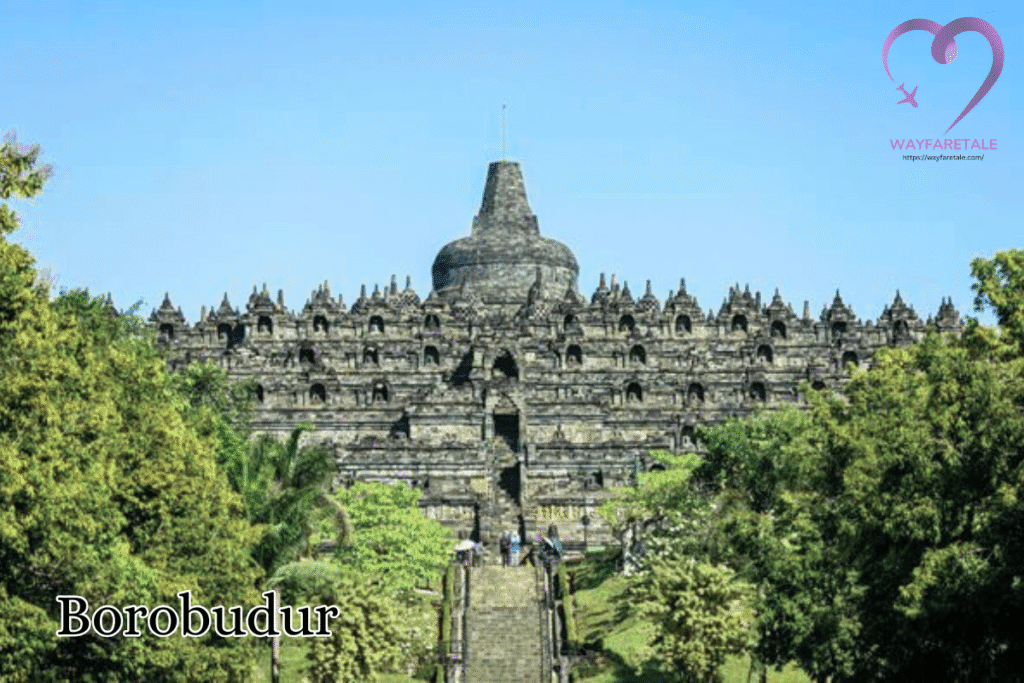
- Distance covered: 120 KM
- Total drive time: 3 hours (temple exploration day)
- Overnight in: Solo (2 consecutive nights)
Today brings you face-to-face with Indonesia’s most magnificent ancient temples – UNESCO World Heritage sites that rival any archaeological wonder in the world. I woke up at 4:30 AM to catch sunrise at Borobudur, one of the most spiritual experiences available in Southeast Asia.
BOROBUDUR TEMPLE – SUNRISE OVER ANCIENT STONES
The World’s Largest Buddhist Monument
Borobudur at sunrise transforms from a collection of stones into a living spiritual experience. As morning mist rolls across rice paddies and the sun illuminates intricate relief carvings, you understand why this 9th-century temple remains Indonesia’s most sacred Buddhist site.
The Sunrise Experience:
- Arrive by 5:30 AM – Limited sunrise tickets (only 320 per day) require advance booking
- Climb to the top terrace – 2,672 relief panels and 504 Buddha statues create the world’s largest Buddhist mandala
- Photography perfection – Golden hour light brings ancient carvings to life
USEFUL TIP: Book sunrise tickets online at least one week in advance through the official website. The 750,000 IDR ($50) ticket includes transportation from Yogyakarta, breakfast, and regular temple access for the rest of the day.
Cultural Insight: Borobudur represents the Buddhist concept of attaining enlightenment – walking clockwise from base to summit symbolizes the spiritual journey from earthly desires to nirvana.
PRAMBANAN TEMPLE COMPLEX – HINDU GRANDEUR
Java’s Greatest Hindu Monument
Just 50 km from Borobudur, Prambanan showcases 9th-century Hindu architecture at its finest. The main temple dedicated to Shiva soars 47 meters high, surrounded by hundreds of smaller temples creating Indonesia’s largest Hindu complex.
Exploring Prambanan:
- Main Temple Groups – Shiva, Vishnu, and Brahma temples feature intricate relief carvings depicting the Ramayana epic
- Sunset Views – Late afternoon light creates dramatic shadows across volcanic stone
- Traditional Dance Performances – Evening Ramayana ballet performances (seasonal) bring temple reliefs to life
Photography Tip: Visit both temples in one day for incredible contrast – Buddhist serenity at sunrise, Hindu grandeur at sunset. The late afternoon light at Prambanan creates perfect conditions for architectural photography.
SOLO (SURAKARTA) – ROYAL HERITAGE PRESERVED
Indonesia’s Most Traditional Royal City
Solo maintains Java’s most authentic royal atmosphere. While Yogyakarta embraces modernity, Solo preserves traditional Javanese culture with active palace life, classical arts, and time-honored customs.
Evening in Solo:
- Keraton Surakarta – Still-functioning royal palace with traditional architecture and cultural performances
- Pasar Gede – Traditional market offering authentic Javanese ingredients and local crafts
- Galabo Night Market – Street food paradise featuring Solo’s culinary specialties
Must-try Solo Specialties:
- Nasi Liwet – Fragrant coconut rice served with chicken, vegetables, and traditional sides
- Serabi – Traditional pancakes with various toppings, perfect afternoon snack
- Dawet Ayu – Refreshing coconut milk drink with palm sugar and rice flour pearls
Where to Stay in Solo: Rumah Turi Hotel perfectly captures Solo’s traditional elegance while providing modern comfort. This boutique property features traditional Javanese architecture, antique furnishings, and exceptional local cuisine. The central location allows walking access to palaces and markets.
Cultural Experience: Attend a traditional gamelan performance at the royal palace. The hypnotic bronze percussion orchestra represents Indonesia’s most sophisticated musical tradition.
Day 4: Solo – Tawangmangu – Mount Lawu – Sarangan Lake
- Distance covered: 95 KM
- Total drive time: 2.5 hours (mountain exploration)
- Overnight in: Sarangan Lake
Leaving Solo’s royal heritage behind, today’s journey takes you into Java’s mystical mountains. Mount Lawu holds deep spiritual significance for Javanese people, while Sarangan Lake offers alpine beauty rare in tropical Indonesia.
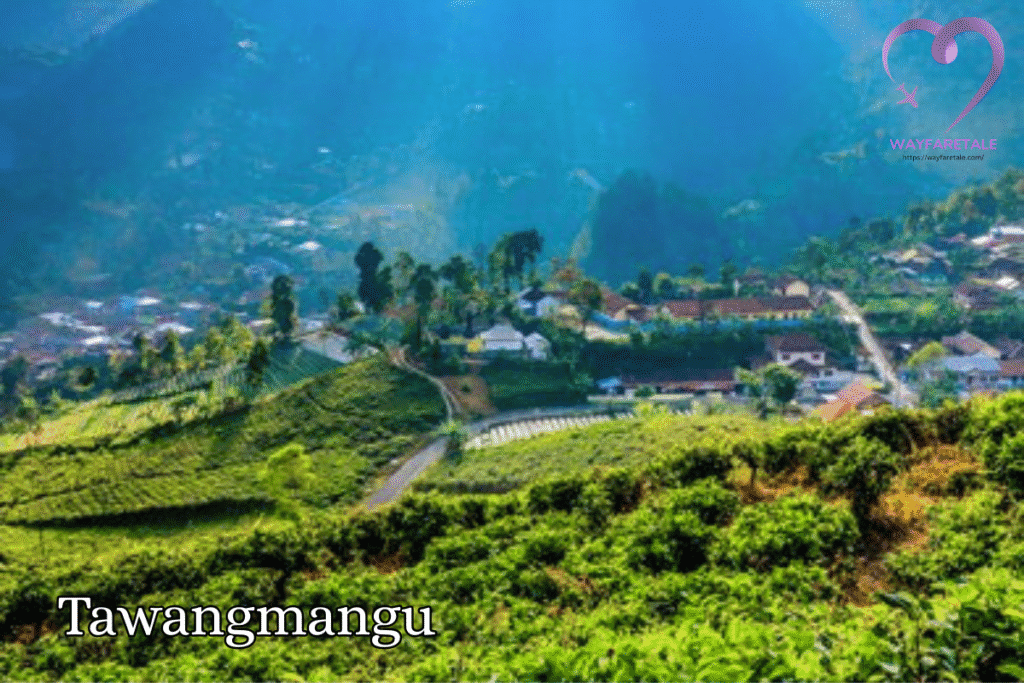
TAWANGMANGU – WATERFALL GATEWAY
Cool Mountain Retreat
Tawangmangu provides the first taste of Java’s mountain beauty. This hill station developed during Dutch colonial times offers cooler temperatures and lush forest landscapes.
Tawangmangu Highlights:
- Grojogan Sewu Waterfall – Multi-tiered waterfall cascading through tropical forest
- Traditional Indonesian breakfast – Local warungs serve gado-gado and other mountain specialties
- Fresh mountain air – Perfect break from Java’s tropical heat
HIKING TIP: The walk to Grojogan Sewu takes 30 minutes through well-maintained forest paths. Wear comfortable shoes and bring insect repellent.
MOUNT LAWU – SPIRITUAL MOUNTAIN
Sacred Summit of Ancient Java
Mount Lawu holds immense spiritual significance as the legendary meditation site of ancient Javanese kings. The mountain’s mystical reputation attracts both pilgrims and adventure seekers to its sacred slopes.
Mount Lawu Experience:
- Ancient temples – Candi Sukuh and Candi Cetho feature unique erotic carvings and pyramid architecture
- Spiritual atmosphere – Active pilgrimage sites with traditional ceremonies
- Panoramic views – Clear days reveal views across Central and East Java
Cultural Note: Mount Lawu temples differ dramatically from Borobudur and Prambanan. Built in the 15th century, they represent Java’s transition from Hindu-Buddhist to Islamic influence, featuring mysterious fertility symbols and pyramid structures.
SARANGAN LAKE – ALPINE JAVA
Mountain Lake Paradise
At 1,200 meters elevation, Sarangan Lake creates an almost European atmosphere in tropical Java. Pine forests surround the pristine lake, while cool mountain air provides refreshing contrast to Java’s coastal humidity.
Sarangan Activities:
- Paddle boat exploration – Traditional boats offer peaceful lake touring
- Pine forest walks – Well-maintained trails through fragrant pine groves
- Mountain photography – Early morning mist creates mystical lake scenes
- Local pine needle tea – Warming mountain beverage perfect for cool evenings
Where to Stay at Sarangan: I stayed at Ijen Resort, a mountain lodge overlooking the lake with traditional Indonesian architecture and modern amenities. The location offers direct lake access while maintaining cozy mountain cabin atmosphere.
USEFUL TIP: Bring warm clothes – Sarangan’s elevation creates genuinely cool temperatures, especially at night. Morning mist over the lake provides incredible photography opportunities around 6 AM.
Local Food: Try “sate kelinci” (rabbit satay) – a regional specialty available at lakeside restaurants. The mountain location provides perfect setting for this unique Indonesian dish.
Day 5: Sarangan – Malang via Blitar
- Distance covered: 140 KM
- Total drive time: 3 hours
- Overnight in: Malang (2 consecutive nights)
The journey from mountain lakes to colonial architecture showcases Java’s incredible diversity. Today’s route takes you through traditional villages and agricultural landscapes before reaching Malang, East Java’s most charming colonial city.
BLITAR – SUKARNO’S LEGACY
Presidential Heritage Stop
Blitar holds special significance as Indonesia’s first president Sukarno’s birthplace and final resting place. This historical detour provides insight into Indonesia’s independence struggle and national identity formation.
Blitar Highlights:
- Sukarno’s Tomb – Beautifully maintained mausoleum honoring Indonesia’s founding father
- Traditional market experience – Authentic local life away from tourist areas
- Colonial architecture remnants – Dutch-era buildings scattered throughout the city
CULTURAL TIP: Visit Sukarno’s tomb respectfully – locals consider this a sacred site. Photography is allowed but maintain quiet, respectful behavior.
MALANG – COLONIAL MOUNTAIN CHARM
East Java’s Cultural Gem
Malang captivates visitors with its unique blend of Dutch colonial architecture, vibrant student culture, and surrounding natural beauty. The city’s 500-meter elevation provides pleasant temperatures year-round while maintaining authentic Indonesian character.
Things to do in Malang:
- Colonial Architecture Walking Tour – Explore beautifully preserved Dutch buildings along Jalan Besar Ijen
- Colorful Village (Kampung Warna-Warni Jodipan) – Instagram-famous painted village created by university students
- Traditional flower markets – Malang’s flower cultivation creates stunning local markets
- University district exploration – Vibrant student area with trendy cafes and local eateries
Must-try Malang Specialties:
- Bakso Malang – Distinctive meatball soup with unique local ingredients
- Rawon – Rich black beef soup that originated in East Java
- Cwie Mie – Chinese-Indonesian noodle dish adapted to local tastes
- Apel Malang – Famous local apples, best enjoyed fresh from mountain orchards
Evening Activity: Head to Alun-Alun Malang (city square) for traditional Indonesian evening atmosphere. Families gather here for street food, children’s activities, and social interaction – perfect cultural immersion.
Where to Stay in Malang: Tugu Malang Hotel offers exceptional colonial elegance with carefully curated Indonesian antiques and art. This boutique property showcases East Java’s cultural heritage while providing modern luxury. The location allows walking access to major attractions while maintaining historic charm.
NEARBY ATTRACTIONS (Optional Extensions)
If you arrive early in Malang, consider these nearby attractions:
Coban Rondo Waterfall – 30-minute drive to beautiful cascade surrounded by pine forests Apple Orchards – Visit working apple farms in the surrounding mountains Traditional Pottery Villages – Observe ceramic creation using centuries-old techniques
Day 6: Malang – Mount Bromo – Probolinggo
- Distance covered: 85 KM to viewpoint + return
- Total drive time: 2.5 hours (plus hiking time)
- Overnight in: Probolinggo/Bromo area
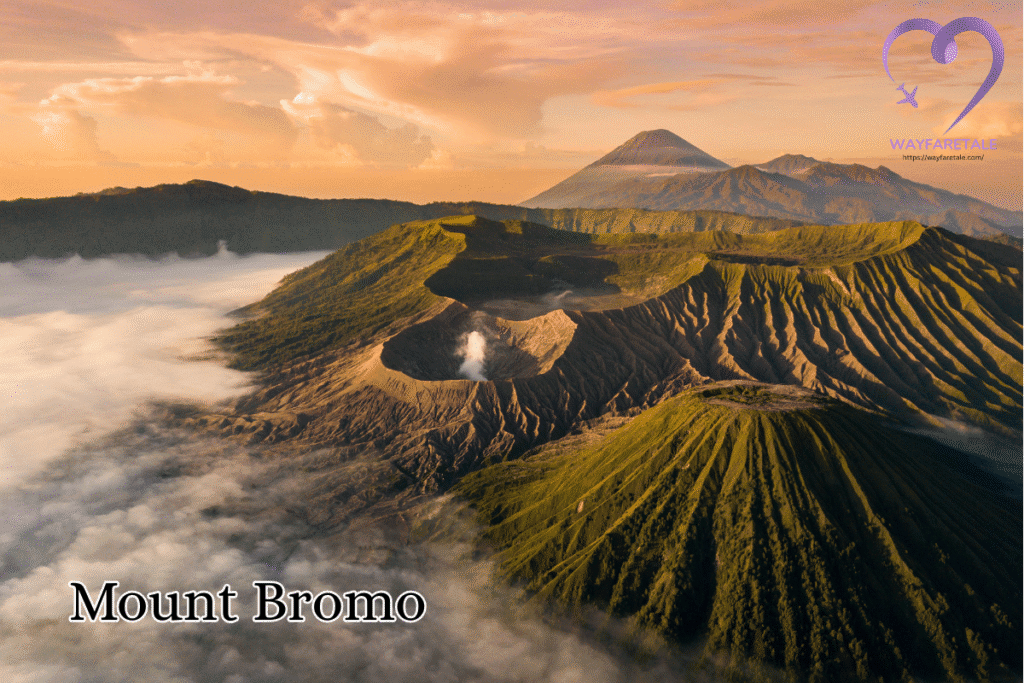
Mount Bromo represents the climax of your Java road trip – an active volcano creating otherworldly landscapes that challenge every expectation of Indonesian scenery. Today requires very early rising but rewards you with one of Asia’s most spectacular sunrises.
MOUNT BROMO SUNRISE – LUNAR LANDSCAPE
Indonesia’s Most Famous Volcanic Experience
Mount Bromo’s alien landscape feels like visiting another planet. The active volcano sits within the massive Tengger Caldera, creating a 10-kilometer-wide sea of volcanic sand punctuated by smoking craters and ancient temple sites.
The Bromo Experience:
- 4 AM departure – Essential for sunrise viewing from Penanjakan viewpoint
- Sunrise over volcanic landscape – Mount Bromo, Mount Batok, and Mount Semeru create unforgettable silhouettes
- Descend into the crater – Drive across the sea of sand to Bromo’s rim
- Active volcano exploration – Peer into the smoking crater (when conditions permit)
USEFUL TIP: Hire a local guide with 4WD vehicle from Cemoro Lawang village. The volcanic sand roads require specialized vehicles, and local drivers know the best viewing positions and safety conditions.
What to Bring:
- Warm clothing (mountain elevation creates cold pre-dawn temperatures)
- Face masks or scarves (volcanic dust protection)
- Good cameras with extra batteries (cold drains power quickly)
- Cash for entrance fees and guide services
Photography Heaven: Bromo offers incredible photography opportunities from multiple angles:
- Penanjakan viewpoint – Classic sunrise shots with multiple volcanic peaks
- Crater rim – Active volcano close-ups and sulfur steam
- Sea of sand – Lunar landscape with tiny human figures for scale
TENGGER PEOPLE – INDIGENOUS VOLCANIC CULTURE
Living Culture in Volcanic Landscape
The Tengger people, descendants of the ancient Majapahit kingdom, maintain unique Hindu traditions despite Java’s predominantly Muslim population. Their culture provides fascinating insight into Indonesia’s pre-Islamic heritage.
Cultural Highlights:
- Pura Luhur Poten Temple – Ancient Hindu temple in the crater floor
- Traditional Tengger villages – Authentic mountain community life
- Annual Kasodo ceremony – Religious offerings thrown into Bromo crater (seasonal)
Respect Local Customs: The Tengger people consider Mount Bromo sacred. Follow your guide’s instructions regarding appropriate behavior near religious sites.
DRIVE TO PROBOLINGGO
After experiencing Bromo’s volcanic wonders, the drive to Probolinggo takes you through East Java’s agricultural regions. The contrast between volcanic desert and fertile farmland showcases Java’s geological diversity.
Where to Stay near Bromo: Bromo Permai Hotel in Probolinggo offers comfortable mountain lodge accommodation with easy Bromo access. The property provides traditional Indonesian hospitality while maintaining modern amenities needed after challenging volcanic exploration.
Day 7: Probolinggo – Surabaya – Jakarta
- Distance covered: 120 KM + flight
- Total drive time: 2.5 hours to Surabaya
- End point: Jakarta (domestic flight)
Your final day balances Java’s industrial heritage with practical departure logistics. Surabaya, Indonesia’s second-largest city, provides fascinating contrast to the week’s cultural and natural highlights.
SURABAYA – HEROES’ CITY
Industrial Heritage and Independence History
Surabaya earned the title “City of Heroes” for its role in Indonesia’s independence struggle. The modern port city showcases Java’s industrial development while preserving significant historical sites.
Surabaya Highlights:
- Heroes Monument (Tugu Pahlawan) – Iconic symbol of Indonesian independence
- House of Sampoerna Museum – Fascinating cigarette factory turned cultural center
- Arab Quarter exploration – Traditional Middle Eastern influenced neighborhood
- Traditional markets – Authentic local life in Indonesia’s second city
Final Indonesian Meal: Try “lontong balap” – Surabaya’s signature dish of rice cakes with bean sprouts, tofu, and spicy sauce. This unique East Java specialty provides perfect culinary conclusion to your road trip.
DEPARTURE LOGISTICS
Surabaya to Jakarta Flight
Multiple daily flights connect Surabaya to Jakarta (1.5 hours), allowing comfortable same-day departure from Indonesia or connection to international flights.
Car Return: Return your rental vehicle at Surabaya airport for convenience. Most rental companies have airport counters with efficient processing.
Final Accommodation (if needed): Hotel Majapahit Surabaya offers colonial grandeur for your final night. This historic property provides fitting conclusion to your Java cultural journey with exceptional Indonesian hospitality.
What I Skipped and What I’d Suggest Skipping
Based on my extensive Java travels, here are places you can skip to maximize your limited time:
Semarang – While historically significant, the port city doesn’t offer enough unique attractions to justify the detour from your main route.
Jakarta extended exploration – Beyond using it as entry/exit point, Jakarta’s traffic and urban challenges make it less rewarding than Java’s cultural and natural highlights.
Dieng Plateau – Beautiful but requires significant detour from the main route. Save it for a longer Java trip.
East Java beaches – While beautiful, they require substantial additional driving time better spent on core cultural/volcanic attractions.
Multiple volcano climbs – Choose Mount Bromo over other volcanic experiences unless you’re specifically focused on mountain climbing.
Additional Java Travel Resources
Planning your Java adventure? Here are essential booking resources I personally use:
Flights: Find the best Indonesia flight deals using Skyscanner or Traveloka – both offer excellent coverage of Indonesian domestic routes.
Car Rental: Book reliable vehicles through Traveloka Cars or Klook for competitive rates with Indonesian rental companies.
Accommodation: Booking.com and Agoda provide the best hotel coverage across Java with verified reviews and flexible cancellation.
Travel Insurance: World Nomads offers comprehensive coverage for Indonesian adventures including volcanic activity and adventure sports.
Tours: GetYourGuide and Klook feature the best-rated cultural tours, temple visits, and volcanic experiences throughout Java.
Local Transport: Download Grab for reliable rideshare services in major Indonesian cities.
This Java road trip itinerary provides authentic Indonesian experiences while maintaining comfortable travel pace. The island’s incredible diversity – from ancient temples to active volcanoes, from royal palaces to mountain lakes – creates unforgettable memories that capture Indonesia’s true essence.
Safe travels and selamat jalan (happy journey) through beautiful Java!