
Pakistan Road Trip: Epic One-Week Travel Itinerary Through the Land of Pure!
Pakistan is an extraordinary destination for an epic road trip adventure. This detailed one-week Pakistan road trip itinerary covers the most spectacular places in the country that you can explore in 7-10 days.
Pakistan is a diverse South Asian country with an incredible amount to offer travelers! Breathtaking mountain highways wind through ancient cities, pristine valleys, towering peaks, and dramatic landscapes. Therefore, embarking on a Pakistan road trip is absolutely the best way to explore this remarkable nation.
With your own vehicle, you’ll be able to discover Pakistan’s hidden gems conveniently. While some attractions can be reached by public transport or organized tours, many of the most stunning locations are only accessible by car or 4WD vehicle.
Based on my unforgettable journey through this magnificent country, I’ve compiled this comprehensive one-week Pakistan road trip itinerary covering the northern mountains, historic cities, and cultural heartlands. It includes distance information, provides practical tips, and suggests the best places to stay throughout Pakistan.
Car rental tips:
- Rent a Car Pakistan and Europcar Pakistan are reliable options for vehicle rental in major cities like Islamabad and Lahore
- For mountain roads, consider renting a 4WD vehicle or hiring a local driver familiar with the terrain
- Important: Many areas require permits and local guides – plan accordingly
Essential booking resources:
- Stay: I booked accommodations through Booking.com and local guesthouses
- Travel Insurance: Purchase comprehensive coverage through World Nomads or SafetyWing
- Tours: Check guided mountain tours on Viator and local tour operators
Summary of My Pakistan Road Trip Route
- Day 1: Islamabad arrival and city exploration
- Day 2: Islamabad to Murree and Nathia Gali
- Day 3: Nathia Gali to Chitral via Lowari Pass
- Day 4: Chitral exploration and Kalash Valleys
- Day 5: Chitral to Gilgit via Shandur Pass
- Day 6: Hunza Valley – Karimabad and Altit
- Day 7: Hunza to Islamabad via Karakoram Highway
If I had 5 days in Pakistan: Islamabad – Murree – Chitral – Hunza Valley – return via KKH
If I had 10 days in Pakistan: Add Skardu, Deosai Plains, Fairy Meadows, and extended time in Kalash Valleys
Pakistan Road Trip Planning Tips

Renting a Car in Pakistan
Major car rental companies operate from Islamabad, Lahore, and Karachi airports. However, for mountain regions, I highly recommend hiring a local driver or joining organized tours. The terrain can be challenging, and local drivers know the roads intimately.
Driving in Pakistan
Driving in Pakistan requires patience and skill, especially in mountainous regions. The country offers some of the world’s most spectacular mountain roads, including the famous Karakoram Highway. However, roads can be narrow, winding, and occasionally unpaved.
Important considerations:
- Mountain roads may require 4WD vehicles
- Weather conditions can change rapidly
- Some areas require special permits
- Fuel stations can be sparse in remote regions
- Local driving customs differ significantly from Western countries
Security note: Always check current security conditions and travel advisories. Stick to main tourist routes and travel during daylight hours.
Where to Stay During Your Pakistan Road Trip
During my Pakistan journey, I discovered an incredible mix of accommodation options. From luxury hotels in major cities to traditional guesthouses in remote valleys, Pakistan offers authentic hospitality everywhere.
Accommodation types I experienced:
- Urban hotels: Modern facilities in Islamabad and Lahore
- Mountain guesthouses: Family-run establishments with incredible views
- Traditional homestays: Cultural immersion opportunities
- Resort properties: Comfortable bases for valley exploration
Booking tip: Many mountain accommodations don’t appear on international booking sites. Contact local tour operators or guesthouses directly.
What to Expect in Pakistan
In Pakistan, you’ll encounter some of the world’s highest mountain ranges, including K2 and the Karakoram Range. Ancient Silk Road cities reveal layers of history, while diverse cultures from Kalash to Balti offer unique experiences. The legendary Pakistani hospitality will touch your heart repeatedly.
You’ll navigate challenging but rewarding mountain passes, witness sunrise over 8,000-meter peaks, explore centuries-old forts, and taste incredible regional cuisines. Traditional bazaars, colorful festivals, and encounters with nomadic peoples create unforgettable memories.
How Many Days Do You Need in Pakistan?
Based on my extensive travels throughout Pakistan, one week provides an excellent introduction to the northern regions. However, two weeks allows for deeper cultural immersion and additional destinations like Skardu or Fairy Meadows.
This itinerary focuses on must-see highlights for first-time visitors with limited time. I also mention places that require more time and which destinations to prioritize based on your interests.
Note: This itinerary assumes arrival and departure from Islamabad, but can be adjusted for other entry points.
When to Visit Pakistan
The best time for northern Pakistan is May through October, when mountain passes are open and weather is favorable. July and August offer warmest temperatures but also peak tourist season. Spring (April-May) and autumn (September-October) provide ideal conditions with fewer crowds.
Winter travel is possible in lower elevations but many mountain roads become impassable due to snow.
Budget for Your Pakistan Road Trip
Pakistan remains one of the world’s most affordable travel destinations. However, costs vary significantly between cities and remote mountain regions.
Estimated daily costs:
- Accommodation: $15-50/night for guesthouses and mid-range hotels
- Food: $5-15/day for local cuisine
- Transportation: $30-80/day for hired driver with vehicle
- Fuel: Approximately $0.70/liter (varies by region)
- Permits and guides: $20-50/day where required
Pakistan One-Week Road Trip Itinerary Day by Day
For those wanting to experience the incredible diversity of Pakistan, here’s my detailed day-by-day breakdown of the route I took during my unforgettable week-long adventure through the Land of Pure.
Day 1: Islamabad Arrival and Exploration
- Distance covered: 50 KM (city exploration)
- Total drive time: 2 hours with stops
- Overnight in: Islamabad
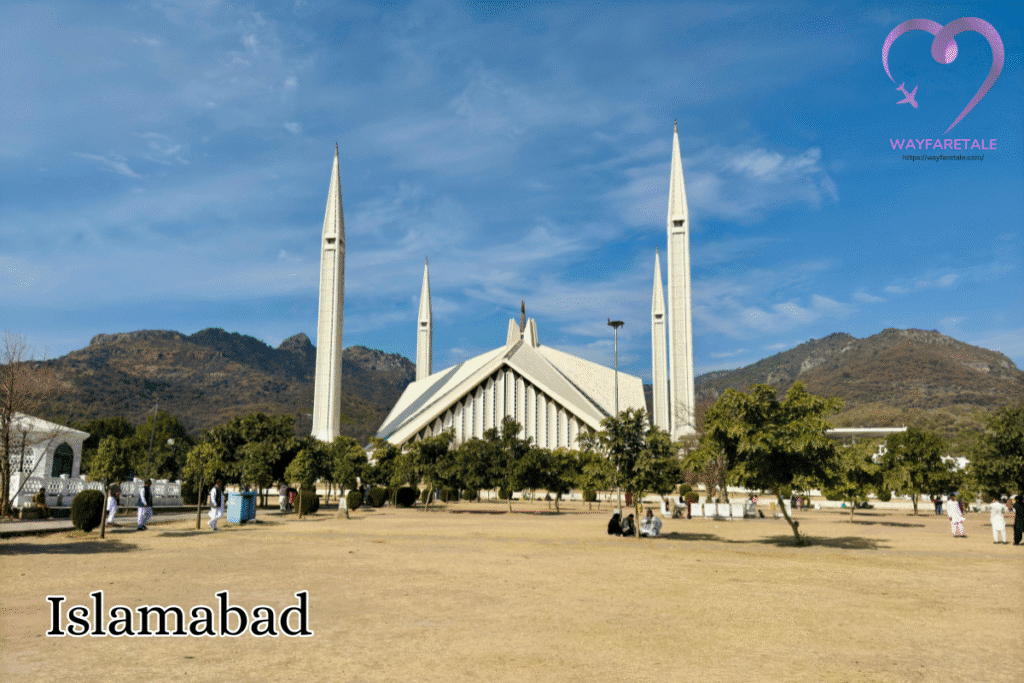
Landing in Pakistan’s capital, Islamabad immediately impresses with its modern planning and stunning backdrop of the Margalla Hills. Unlike many South Asian capitals, Islamabad feels spacious and organized, making it the perfect introduction to Pakistan.
Things to do in Islamabad:
Explore the Pakistan Monument and Museum The Pakistan Monument offers excellent views over the capital and provides historical context for your journey. The museum inside showcases Pakistan’s rich cultural heritage from all provinces.
Visit Faisal Mosque One of the world’s largest mosques, Faisal Mosque’s contemporary architecture against the Margalla Hills creates a striking scene. The mosque welcomes respectful visitors outside prayer times.
Drive through the Diplomatic Enclave The tree-lined streets and impressive embassies showcase Islamabad’s role as a modern capital. The area feels remarkably different from stereotypical images of South Asian cities.
USEFUL TIP: Visit the Lok Virsa Museum to understand Pakistan’s diverse ethnic groups before heading to remote regions. This cultural preparation enhances your appreciation of mountain communities.
Margalla Hills Day Hike If time permits, the Margalla Hills offer excellent hiking trails with panoramic views over Islamabad and Rawalpindi. Trail 3 is most popular and takes 2-3 hours round trip.
Where to stay in Islamabad: I stayed at the Marriott Hotel Islamabad for comfort and security, but the city offers excellent mid-range options like Pearl Continental or boutique guesthouses in the F-7 sector.
Day 2: Islamabad to Murree and Nathia Gali
- Distance covered: 120 KM
- Total drive time: 3 hours
- Overnight in: Nathia Gali
THE GALLIYAT REGION
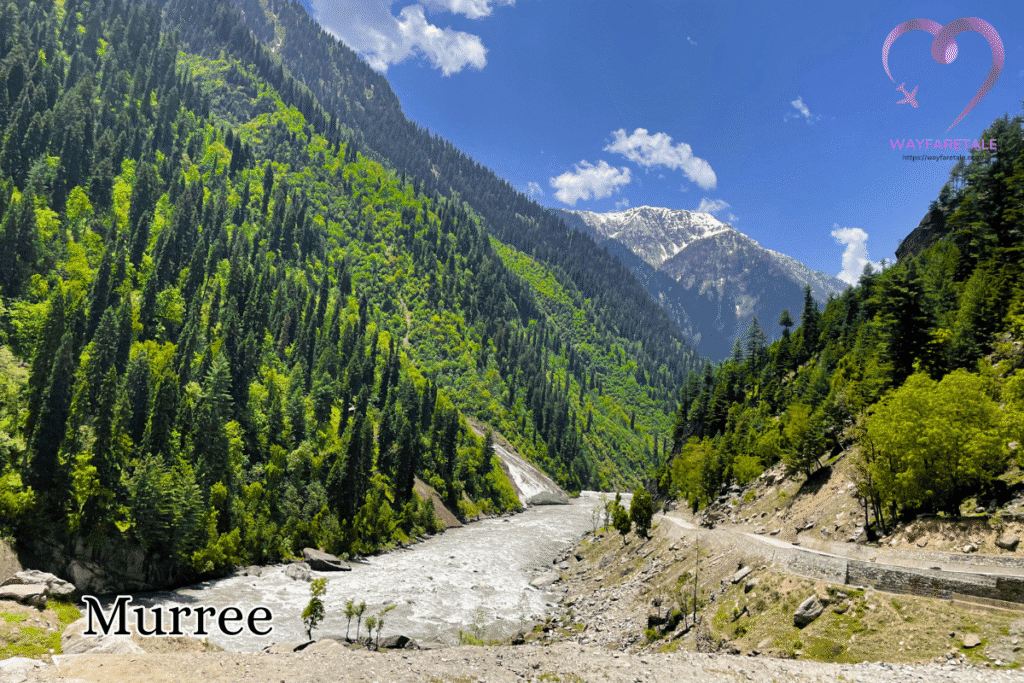
Leaving Islamabad early morning, the road winds upward into the Galliyat hill stations – a collection of colonial-era retreats in the foothills of the Himalayas. These towns provided British officers with relief from the scorching plains during summer months.
Murree – The Queen of Hills Murree remains Pakistan’s most popular hill station, though it can be crowded during peak season. The Mall Road buzzes with activity, offering everything from traditional handicrafts to steaming cups of chai. The colonial architecture tells stories of the British Raj era.
DRIVING TIP: The road from Islamabad to Murree can be congested on weekends and holidays. Start early to avoid traffic jams, especially during Pakistani school holidays.
Continue to Nathia Gali Just 30 minutes beyond Murree lies Nathia Gali, a far more peaceful alternative. This charming hill station sits at 2,500 meters elevation, surrounded by dense pine forests and offering spectacular views of Nanga Parbat on clear days.
Things to do in Nathia Gali:
- Pipeline Track: An easy 3 KM forest walk with mountain views
- Miranjani Top: A challenging day hike to 2,993 meters for panoramic Himalayan vistas
- Governor’s House: Historic colonial building now serving as a museum
- Forest walks: Numerous trails through ancient pine and oak forests
Where to stay in Nathia Gali: I recommend Green Hotel or Pine Track Hotel for comfortable accommodation with mountain views. Both offer traditional Pakistani hospitality and local cuisine.
Day 3: Nathia Gali to Chitral via Lowari Pass
- Distance covered: 280 KM
- Total drive time: 8-10 hours (including stops)
- Overnight in: Chitral
THE LOWARI PASS ADVENTURE
This is the longest and most challenging driving day of the entire trip, but also one of the most rewarding. The journey takes you from the green hills of Galliyat through dramatically changing landscapes to the Hindu Kush mountains and Chitral.
Route: Nathia Gali → Dir → Lowari Pass → Chitral
IMPORTANT: Start extremely early (5:00 AM) as this journey can take 10 hours with photo stops and potential delays at Lowari Pass.
Dir – Gateway to Chitral The town of Dir marks your entry into Khyber Pakhtunkhwa’s mountainous regions. Here, the landscape begins changing from Punjab’s green hills to the rugged terrain of the Hindu Kush. Stop for fuel and refreshments as this is the last major town before Chitral.
Lowari Pass (3,118m) The highlight of today’s journey is crossing Lowari Pass at 3,118 meters elevation. This historic route connects the lower valleys with Chitral district. The pass offers spectacular views of surrounding peaks and marks the gateway to a completely different cultural region.
WEATHER WARNING: Lowari Pass can be closed due to snow from November to April. Always check conditions before attempting this route in winter months.
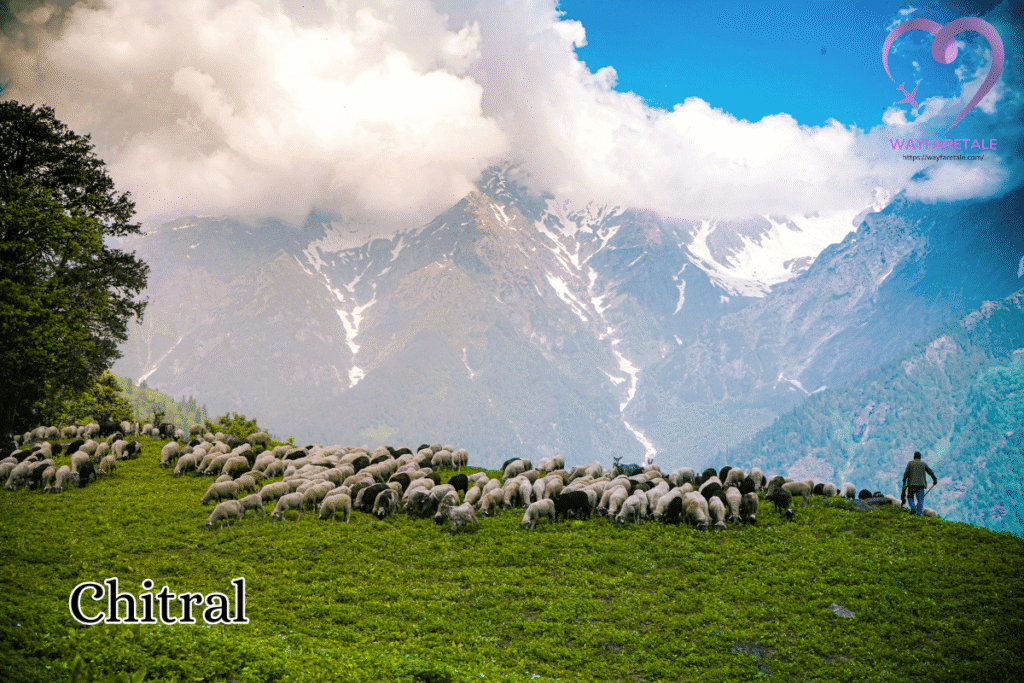
Cultural Transition As you descend into Chitral, you’ll notice immediate cultural changes. Architecture becomes more Central Asian, with flat-roofed houses and different building styles. The people are predominantly Khowar-speaking, and you’re entering the region of the Kalash people.
Arriving in Chitral Chitral town sits in a valley surrounded by towering peaks. The town serves as the administrative center for Chitral district and your base for exploring the famous Kalash Valleys. The Chitral River flows through the center, and the historic fort dominates the skyline.
Where to stay in Chitral: Mountain Inn or Chitral View Hotel offer comfortable accommodations with mountain views. Both provide local cuisine and can arrange transport to Kalash Valleys.
Day 4: Chitral Exploration and Kalash Valleys
- Distance covered: 80 KM
- Total drive time: 3 hours (round trip to Kalash valleys)
- Overnight in: Chitral
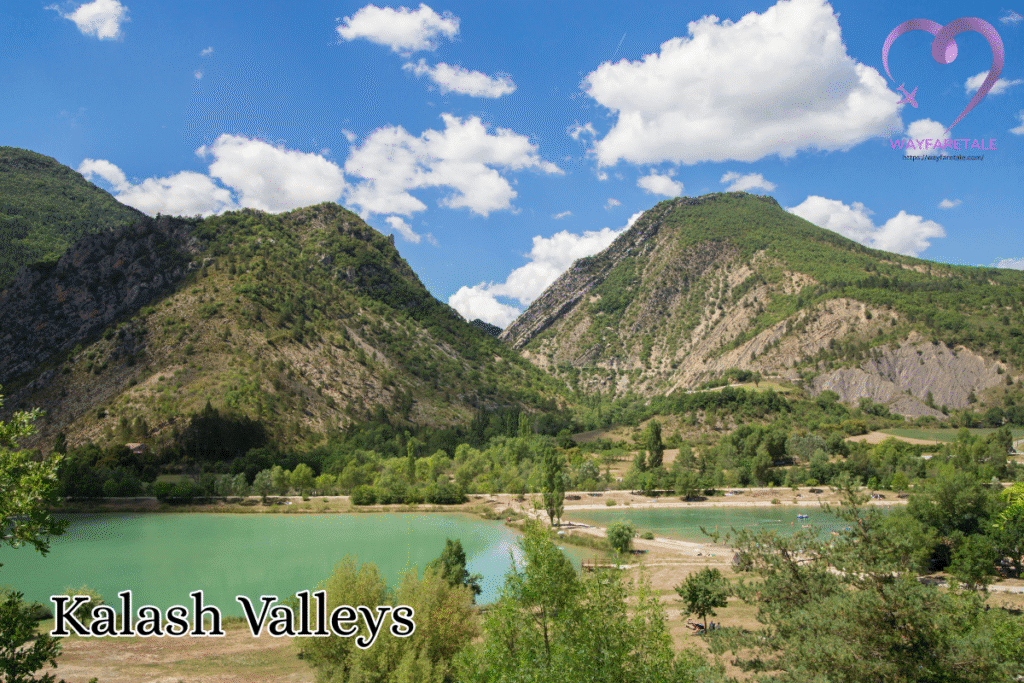
THE KALASH VALLEYS – PAKISTAN’S LAST PAGANS
Today represents one of the cultural highlights of your Pakistan journey. The Kalash people are Pakistan’s smallest religious minority, following ancient pagan traditions in three remote valleys: Bumburet, Rumbur, and Birir.
Morning: Chitral Fort and Bazaar Start your day exploring Chitral Fort, built in 1774, which offers insights into the region’s history as an independent princely state. The old bazaar nearby showcases traditional Chitrali crafts, including the famous Chitrali caps and local woodwork.
Journey to Bumburet Valley The 45-minute drive to Bumburet takes you through spectacular mountain scenery along the Chitral River. The road winds through traditional villages where you’ll see the distinctive flat-roofed architecture of the region.
CULTURAL SENSITIVITY: The Kalash people welcome respectful visitors, but remember you’re entering sacred spaces. Dress modestly, ask permission before photographing people, and consider hiring a local Kalash guide to properly understand the culture.
Exploring Kalash Culture The Kalash people practice an ancient polytheistic religion predating Islam’s arrival in the region. Their colorful festivals, unique architecture, and preservation of ancient traditions create a fascinating cultural experience.
Key experiences in Bumburet:
- Traditional Kalash houses: Multi-story wooden structures with intricate carvings
- Sacred dancing grounds: Where festivals and ceremonies take place
- Local museum: Showcasing Kalash artifacts and cultural items
- Handicraft centers: Where women create traditional clothing and jewelry
- Ancient graveyards: Unique burial traditions different from Islamic customs
Kalash Festivals (if your timing aligns):
- Joshi (May): Spring celebration welcoming summer
- Uchau (August): Harvest festival with dancing and music
- Choimus (December): Winter solstice celebration
Afternoon Return to Chitral Return to Chitral town for the evening, allowing time to process this unique cultural experience. The Kalash valleys provide a window into pre-Islamic Central Asian traditions rarely seen elsewhere.
PHOTOGRAPHY TIP: Golden hour light in the valleys creates stunning photography opportunities, but always respect local customs and ask permission before photographing people.
Day 5: Chitral to Gilgit via Shandur Pass
- Distance covered: 240 KM
- Total drive time: 6-8 hours
- Overnight in: Gilgit
THE ROOF OF THE WORLD HIGHWAY
Today’s journey takes you across the famous Shandur Pass, known as the “Roof of the World,” connecting Chitral with Gilgit-Baltistan region. This high-altitude plateau hosts the world’s highest polo tournament annually.
EARLY START ESSENTIAL: Begin your journey at 5:00 AM as this route can take 8+ hours with photo stops and potential weather delays.
Route: Chitral → Mastuj → Shandur Pass → Gahkuch → Gilgit
Mastuj – Last Major Stop Mastuj serves as the last significant settlement before Shandur Pass. Stock up on fuel and supplies here, as facilities become sparse at higher elevations. The town showcases typical Chitral architecture and hospitality.
Shandur Pass (3,738m) At 3,738 meters, Shandur Pass offers breathtaking 360-degree views of surrounding peaks. The vast plateau feels otherworldly, especially during summer when it’s carpeted with wildflowers. This is where Chitral, Gilgit, and Ghizer districts meet.
WEATHER CONDITIONS: Shandur Pass experiences extreme weather changes. Carry warm clothing even in summer, as temperatures can drop suddenly. The pass may be closed November through April due to snow.
World’s Highest Polo Ground The annual Shandur Polo Festival (July) transforms this remote plateau into a celebration of mountain culture. Even without the festival, the polo ground against the dramatic mountain backdrop creates memorable photos.
Cultural Transition As you descend toward Gilgit, you’ll notice another cultural shift. The architecture changes to reflect Tibetan Buddhist influences, and you enter regions historically connected to the Silk Road trade routes.
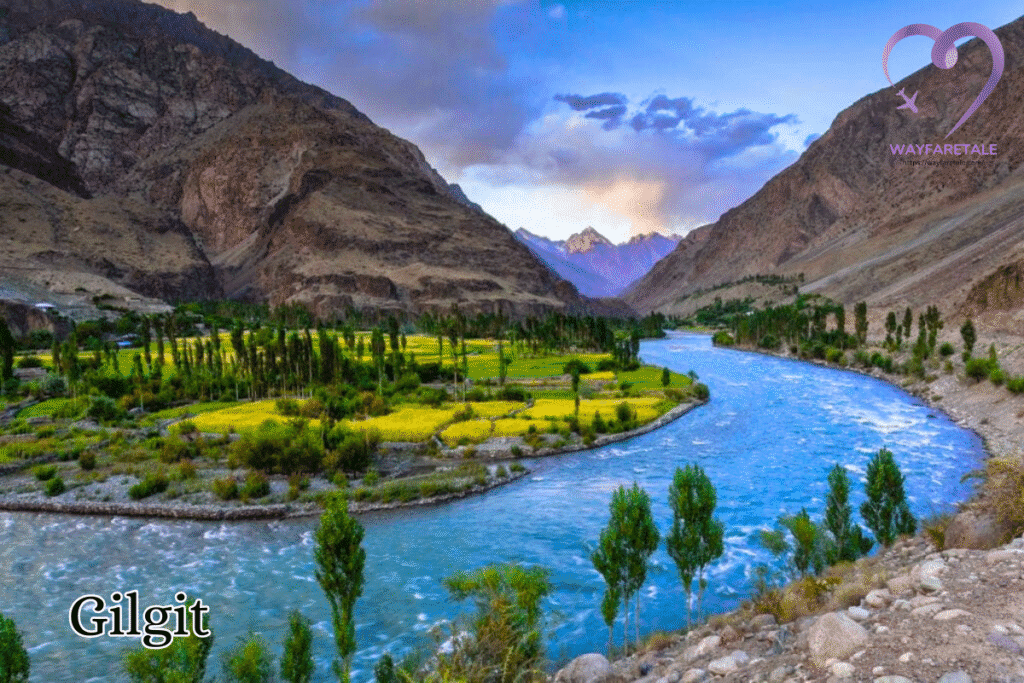
Descent to Gilgit The final approach to Gilgit takes you through the Ghizer Valley, following the Ghizer River. The landscape gradually becomes more arid, typical of the high-altitude desert regions of northern Pakistan.
Arriving in Gilgit Gilgit serves as the administrative center of Gilgit-Baltistan and your gateway to the Karakoram Range. The town bustles with trekkers, mountaineers, and travelers from around the world, creating an international atmosphere in this remote mountain city.
Where to stay in Gilgit: Serena Hotel Gilgit offers luxury accommodations, while Madina Hotel provides excellent mid-range options. Both can arrange permits and transport for Hunza Valley exploration.
Day 6: Hunza Valley – Karimabad and Altit
- Distance covered: 100 KM
- Total drive time: 2.5 hours
- Overnight in: Karimabad, Hunza Valley
THE SHANGRI-LA OF PAKISTAN
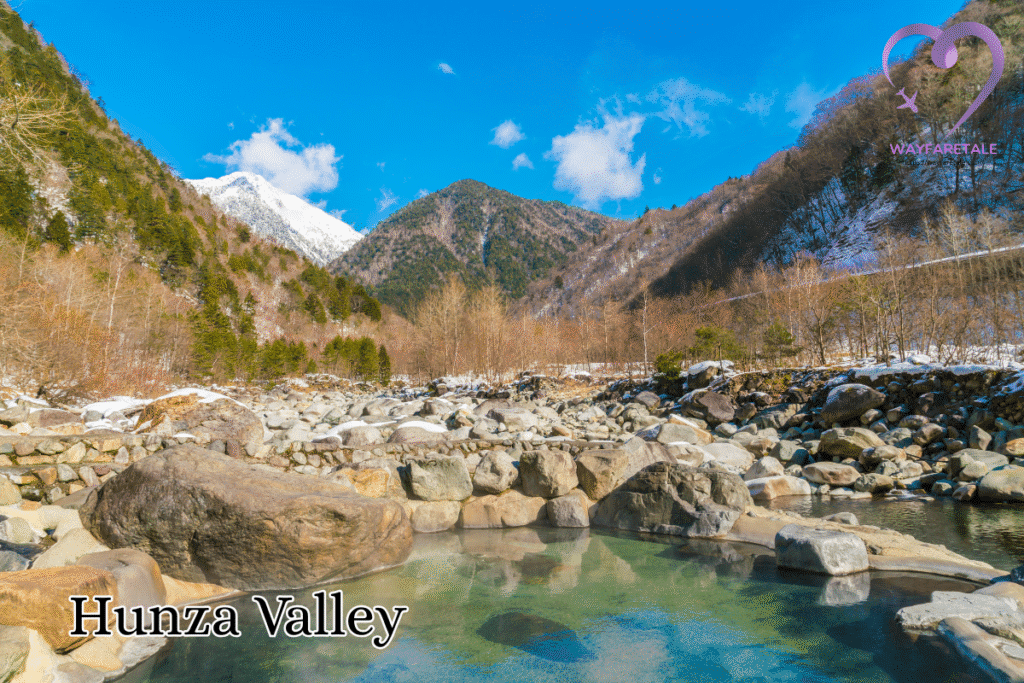
Today brings you to Pakistan’s crown jewel – Hunza Valley. Often called the inspiration for James Hilton’s fictional Shangri-La, this valley offers some of the world’s most spectacular mountain scenery, including views of Rakaposhi (7,788m) and the dramatic peaks of the Karakoram Range.
Morning Drive via Karakoram Highway The drive from Gilgit to Hunza follows the legendary Karakoram Highway (KKH), one of the world’s highest paved roads. The highway hugs cliffsides above the churning Hunza River, offering constant mountain vistas that will have you stopping for photos every few kilometers.
Rakaposhi Viewpoint About 30 minutes from Gilgit, pull over at the famous Rakaposhi Viewpoint. This 7,788-meter peak dominates the skyline with its massive pyramid shape. Local vendors sell traditional Hunza caps and dried fruits – perfect for photos and supporting the local economy.
Arrival in Karimabad Karimabad serves as Hunza Valley’s main tourist center, perched dramatically on terraced mountainsides. The town offers stunning views of Rakaposhi, Ultar Sar, and the historic Baltit Fort. Traditional Hunza architecture blends seamlessly with the dramatic landscape.
Afternoon: Exploring Karimabad
Baltit Fort This 700-year-old fort served as the residence of Hunza’s rulers for centuries. Now a UNESCO World Heritage site, the fort houses a museum showcasing Hunza’s rich history and culture. The views from the fort’s terraces are absolutely spectacular.
CULTURAL INSIGHT: The Hunza people are predominantly Ismaili Muslims, followers of the Aga Khan. Their progressive approach to education and women’s rights creates a notably different atmosphere from other conservative mountain regions.
Hunza Traditional Architecture Walk Wander through Karimabad’s narrow streets to admire traditional stone and wood construction. Many houses date back centuries, built into the mountainside using ancient techniques that withstand earthquakes and extreme weather.
Evening: Altit Fort and Village Just 20 minutes from Karimabad lies Altit, home to an even older fort (1,000 years) and one of Pakistan’s most picturesque villages. The walk through terraced fields and traditional irrigation channels offers insights into sustainable mountain agriculture.
Altit Fort Older than Baltit Fort, Altit Fort provides equally stunning valley views with fewer crowds. The restoration work here showcases traditional building techniques, and the surrounding village remains refreshingly authentic.
Traditional Hunza Cuisine Try local specialties like chapshuro (meat-filled bread), harissa (wheat porridge), and the famous Hunza water – locals claim it contributes to their legendary longevity. Many residents live well past 100 years.
Where to stay in Hunza Valley: Eagle’s Nest Hotel offers spectacular views of Rakaposhi, while Hunza Serena Inn provides luxury accommodations. For budget options, numerous family guesthouses offer authentic hospitality and home-cooked meals.
Day 7: Hunza to Islamabad via Karakoram Highway
- Distance covered: 450 KM
- Total drive time: 8-10 hours
- Final destination: Islamabad
THE EPIC RETURN JOURNEY
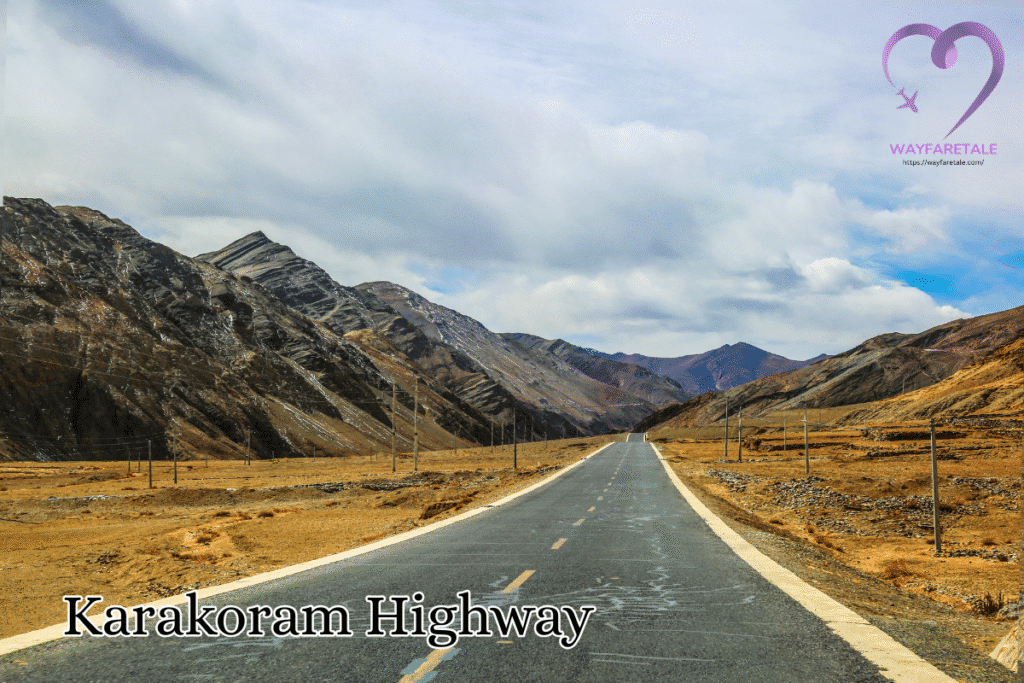
Your final day involves the longest drive but also one of the most scenic routes in the world. The Karakoram Highway descent from Hunza to Islamabad showcases Pakistan’s incredible geographical diversity.
Early Morning: Sunrise at Eagle’s Nest Start your day before dawn at Eagle’s Nest viewpoint (or similar vantage point) to witness sunrise illuminating the Karakoram peaks. The golden light on Rakaposhi and surrounding peaks creates one of the world’s most spectacular mountain sunrises.
PHOTOGRAPHY TIP: Bring layers as pre-dawn temperatures can be freezing even in summer. The sunrise shots will be among your best memories of Pakistan.
The Karakoram Highway Journey The return journey follows the same route but offers completely different perspectives in reverse. You’ll appreciate how dramatically the landscape changes from high-altitude desert to green valleys as you descend.
Key stops on the return journey:
Nanga Parbat Viewpoint Weather permitting, catch glimpses of Nanga Parbat (8,126m), Pakistan’s second-highest peak and the world’s ninth-highest mountain. The mountain’s massive bulk dominates the southern horizon.
Besham and Swat River As you descend, the landscape becomes greener and more populated. Besham marks your return to lower elevations and the influence of monsoon rains.
Taxila Archaeological Sites (Optional) If time permits and you’re interested in history, Taxila UNESCO World Heritage site near Islamabad showcases Gandhara civilization ruins from 2,000 years ago. However, this adds 2-3 hours to your journey.
Afternoon Arrival in Islamabad Arriving back in Islamabad after a week in remote mountain regions creates interesting contrasts. The capital’s modern infrastructure and international atmosphere feel almost foreign after experiencing traditional mountain communities.
Final Evening Reflections Spend your final evening processing the incredible diversity you’ve experienced – from Kalash pagans to Ismaili communities, from colonial hill stations to 8,000-meter peaks, from ancient forts to modern highways carved through seemingly impossible terrain.
What I Skipped and Would Suggest Skipping
Peshawar: While historically significant, security concerns and distance from the main mountain route make it impractical for a one-week itinerary.
Fairy Meadows: Requires 2-3 additional days and significant trekking. Better suited for extended trips.
Skardu and Deosai Plains: Another spectacular region, but requires flying or adding 4-5 days to the itinerary.
Lahore: Pakistan’s cultural capital deserves 2-3 days minimum and doesn’t fit the mountain-focused theme of this itinerary.
Additional Pakistan Travel Resources
Planning Resources:
- Flights: Use Skyscanner or Kayak for best rates to Islamabad
- Local Tours: Contact Concordia Tours or Adventure Tours Pakistan for guided options
- Permits: Some areas require special permits – check with tour operators
- Weather: Mountain weather changes rapidly – pack layers for all conditions
Essential Apps:
- Maps.me: Works offline in remote areas where Google Maps fails
- Google Translate: Helpful for Urdu and regional languages
- Currency converter: Pakistani Rupee exchange rates
Safety Considerations:
- Register with your embassy
- Carry copies of important documents
- Respect local customs and dress codes
- Travel during daylight hours in remote areas
- Consider hiring local guides for cultural sites
This epic one-week Pakistan road trip showcases the country’s incredible natural beauty, cultural diversity, and legendary hospitality. From ancient Kalash traditions to modern Karakoram engineering marvels, Pakistan offers experiences unlike anywhere else on Earth.