
Thailand Road Trip: Epic One-Week Travel Itinerary for the Land of Smiles!
Thailand is an incredible destination for a Southeast Asian road trip. This detailed one-week Thailand road trip itinerary covers the best places in the country that you can visit in 7 days, taking you from bustling Bangkok to pristine beaches, ancient temples, and lush mountains.
Thailand offers an amazing diversity packed into one accessible country! Scenic highways wind through golden temple complexes, floating markets, tropical islands, limestone karsts, and misty mountain passes. Therefore, going on a Thailand road trip is by far the best way to explore this captivating Southeast Asian gem.
With your own wheels, you will be able to explore the best places in Thailand conveniently. Although some sights can be reached by public transport, many of the most stunning viewpoints and hidden gems are only accessible by car.
Based on my experience of multiple visits to this wonderful kingdom, I put together this comprehensive 1-week Thailand road trip itinerary covering Bangkok’s cultural highlights, ancient Ayutthaya, the famous floating markets, mountain temples, and pristine beaches. It includes distance traveled, provides practical tips, and suggests the best places to stay in Thailand.
Essential Planning Information
Car Rental Tips
- Car rental tip 1: Thai Rent A Car is a reliable local provider offering competitive rates specifically for Thailand road trips. They provide excellent English-speaking support and comprehensive insurance options.
- Car rental tip 2: For budget-friendly options, check Rentalcars.com. This comparison site helps you save up to 60% on rental rates by comparing different providers. They offer full coverage insurance at reasonable prices.
- Stay: I booked all accommodation through Agoda and Booking.com for the best rates in Thailand.
- Travel Insurance: Purchase reliable travel insurance through World Nomads or SafetyWing for comprehensive coverage in Southeast Asia.
- Tours: Check the best guided tours on Klook and Viator for unique Thai experiences.
Summary of My Thailand Road Trip Route
- Day 1: Bangkok – Grand Palace, Wat Pho, Khao San Road
- Day 2: Bangkok to Ayutthaya – Ancient capital exploration (80 km)
- Day 3: Ayutthaya to Kanchanaburi – Bridge over River Kwai, Death Railway (140 km)
- Day 4: Kanchanaburi to Hua Hin – Beach town via Damnoen Saduak Floating Market (200 km)
- Day 5: Hua Hin to Krabi – Southern beaches and limestone cliffs (520 km)
- Day 6: Krabi – Island hopping, Railay Beach, Tiger Cave Temple
- Day 7: Krabi to Bangkok – Return journey with stops (650 km)
Alternative Shorter Itineraries
If I had 5 Days in Thailand, my itinerary would include: Bangkok – Ayutthaya – Floating Markets – Hua Hin – Return to Bangkok.
If I had 10 Days in Thailand, my itinerary would include: Bangkok – Ayutthaya – Kanchanaburi – Hua Hin – Krabi – Koh Phi Phi – Phuket – Return to Bangkok with additional mountain stops in Khao Yai.
Thailand Road Trip Planning Tips

Renting a Car in Thailand
Major car rental companies operate from Suvarnabhumi and Don Mueang airports in Bangkok. However, I recommend checking Thai Rent A Car or international comparison sites like Rentalcars.com for better rates. Local providers often offer more personalized service and don’t always require large deposits.
Important: An International Driving Permit (IDP) is required for foreigners to drive legally in Thailand.
Driving in Thailand
Driving is an excellent way to explore Thailand’s diverse landscapes. Having your own vehicle allows access to remote temples, hidden beaches, and mountain viewpoints that tour buses can’t reach. You’ll maintain complete control over your schedule and can stop for photos whenever inspiration strikes.
Thailand’s road infrastructure is generally excellent, with well-maintained highways connecting major destinations. The challenge lies in Bangkok’s notorious traffic and the left-hand driving system. Traffic can be heavy during rush hours (7-9 AM and 5-7 PM), so plan accordingly.
Key driving considerations:
- Traffic drives on the left side
- Speed limits: 90 km/h on highways, 50 km/h in cities
- Thai drivers can be aggressive, especially in Bangkok
- Motorbikes are everywhere – stay alert
- GPS in English works well, but download offline maps
Where to Stay During Your Thailand Road Trip
I always prioritize accommodation with several key features: reliable Wi-Fi, air conditioning (essential in Thailand’s heat), parking availability, and authentic local character. Rather than international hotel chains, I prefer boutique hotels, traditional guesthouses, and family-run properties that offer genuine Thai hospitality.
Accommodation booking strategy:
- Agoda offers the best rates for Southeast Asian properties
- Booking.com provides excellent cancellation policies
- Always check recent reviews for cleanliness and service quality
- Book accommodations with flexible cancellation when possible
Here’s where I stayed during my road trip:
Hotel List:
- Bangkok – Chakrabongse Villas (3 nights) – Historic riverside boutique hotel
- Ayutthaya – Sala Ayutthaya (1 night) – Modern hotel overlooking ancient ruins
- Kanchanaburi – Float House River Kwai (1 night) – Floating hotel on river
- Hua Hin – Anantara Hua Hin Resort (1 night) – Beachfront luxury
- Krabi – Rayavadee (1 night) – Premium resort near Railay Beach
What to Expect in Thailand
Thailand will treat you to golden temple spires reaching toward tropical skies, bustling floating markets where vendors paddle traditional longtail boats, pristine beaches with crystal-clear waters, and limestone cliffs rising dramatically from turquoise seas. You’ll experience the gentle smiles of Buddhist monks in saffron robes, the aromatic chaos of street food markets, the spiritual tranquility of ancient ruins, and the warm hospitality that earned Thailand its nickname as the “Land of Smiles.”
Adventure seekers can explore hidden caves, snorkel in coral-rich waters, trek through jungle trails, and navigate rivers through mangrove forests. Culture enthusiasts will discover centuries-old temples, traditional arts and crafts, classical dance performances, and UNESCO World Heritage sites that tell the story of this fascinating kingdom.
How Many Days Do You Need in Thailand?
Based on multiple visits to Thailand, one week provides an excellent introduction to the country’s highlights. You can experience Bangkok’s urban energy, ancient historical sites, traditional markets, beach relaxation, and natural beauty. However, Thailand offers enough diversity to warrant months of exploration.
This itinerary focuses on the most accessible and rewarding destinations for first-time visitors, while noting additional places worth exploring if you have more time.
When to Visit Thailand
Thailand’s best weather occurs during the cool, dry season from November to February. March to May brings intense heat, while June to October is the monsoon season with heavy rainfall.
Seasonal considerations:
- November-February: Perfect weather, peak tourist season, higher prices
- March-May: Hot season, fewer crowds, good for beach destinations
- June-October: Rainy season, lowest prices, lush green landscapes
Budget for Your Thailand Road Trip
Thailand offers excellent value for money, especially compared to Western countries. Here’s a realistic breakdown of daily costs:
- Accommodation: $30-80/night for quality hotels and resorts
- Food: $15-35/day for street food to restaurant dining
- Car Rental: $25-45/day including insurance
- Fuel: $1.20/liter for gasoline
- Attractions: $3-15 entrance fees for most temples and sites
- Activities: $25-75 for boat trips, tours, and experiences
Total daily budget: $100-200 per person for comfortable travel
Thailand 1-Week Road Trip Itinerary Day by Day
For those wanting to experience the best of Thailand’s diversity, here’s my detailed day-by-day breakdown of the route I took during my one-week road trip through the Land of Smiles.
Day 1: Bangkok – The City of Angels
- Distance covered: 25 KM (city exploration)
- Total drive time: 2-3 hours (with Bangkok traffic)
- Overnight in: Bangkok (Riverside area)
Landing in Bangkok, I immediately felt the energy of this vibrant metropolis. The city assaults your senses in the best possible way – the aroma of street food, the sound of tuk-tuks weaving through traffic, the sight of golden temple spires piercing the skyline, and the warm humidity that reminds you you’re in the tropics.
GRAND PALACE AND WAT PHO
Starting early is crucial in Bangkok’s heat. I arrived at the Grand Palace at 8 AM sharp when gates opened, beating both the heat and the tour bus crowds that arrive later.
The Grand Palace is Thailand’s most sacred site and former royal residence. The complex took 200 years to complete and houses Wat Phra Kaew (Temple of the Emerald Buddha), Thailand’s most revered Buddha image. The intricate architecture features glittering gold leaf, colorful mosaics, and mythical creatures that seem to dance in the morning light.
USEFUL TIP: Dress code is strictly enforced – cover shoulders, knees, and feet. The palace provides clothing rentals for 200 THB deposit if needed. Entry costs 500 THB and includes an audio guide.
Wat Pho, just a 5-minute walk from the Grand Palace, houses the famous 46-meter-long Reclining Buddha covered in gold leaf. The temple is also the birthplace of traditional Thai massage. I spent an hour getting an authentic Thai massage here – an incredible way to recover from the long flight.
KHAO SAN ROAD AND RIVERSIDE EXPLORATION
After the spiritual morning, I explored Bangkok’s famous backpacker district. Khao San Road transforms throughout the day – quiet street food haven in the morning, bustling market during afternoon, and party central at night.
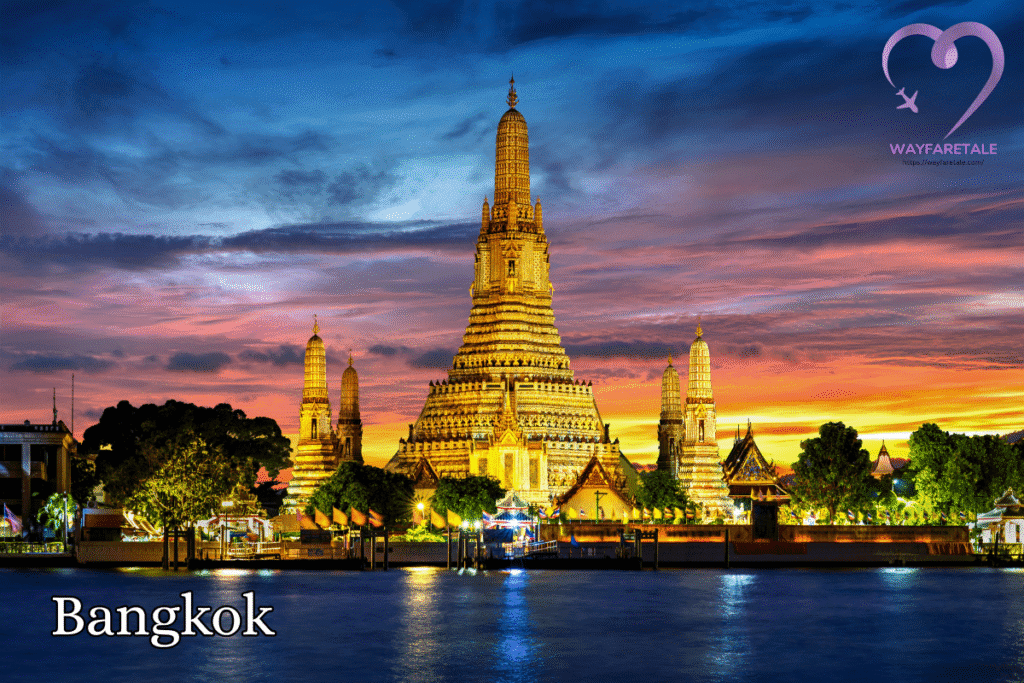
I took a longtail boat along the Chao Phraya River, Bangkok’s lifeline. The contrasts are striking – gleaming skyscrapers rise next to traditional wooden houses on stilts, while orange-robed monks share space with business executives on public ferries.
FOOD HIGHLIGHT: Street food dinner at Thip Samai, famous for the best pad thai in Bangkok. The noodles are wrapped in an impossibly thin egg omelet and taste like heaven for just 80 THB ($2.30).
TRAFFIC TIP: Bangkok traffic is legendary. Plan extra time for any journey, especially during rush hours. The BTS Skytrain and MRT subway are excellent alternatives to driving within the city.
Where to Stay in Bangkok
I stayed at Chakrabongse Villas, a hidden gem on the Chao Phraya River directly across from Wat Arun. This historic property offers traditional Thai architecture with modern comfort. Waking up to temple bells and river views while sipping Thai coffee was magical.
The location provides easy access to major sites via river taxi, while offering a peaceful retreat from Bangkok’s intensity. Parking is available, though I recommend using public transport for city sightseeing.
Day 2: Bangkok to Ayutthaya – Journey to the Ancient Capital
- Distance covered: 80 KM
- Total drive time: 1 HR 30 MIN
- Overnight in: Ayutthaya
Leaving Bangkok’s urban sprawl behind, I drove north to Ayutthaya, Thailand’s ancient capital and UNESCO World Heritage Site. The drive offers a glimpse into rural Thai life – rice paddies stretch endlessly, water buffalo graze peacefully, and traditional wooden houses line quiet canals.
AYUTTHAYA HISTORICAL PARK
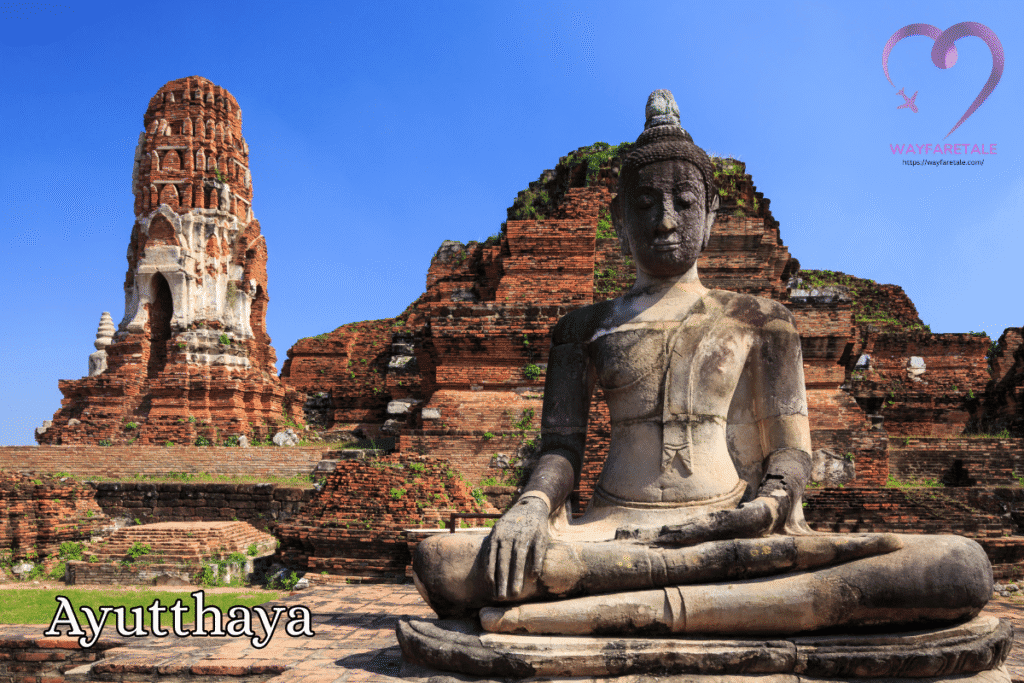
Ayutthaya was once one of the world’s largest cities, with over one million inhabitants. Founded in 1351, it served as Thailand’s capital for 417 years until Burmese armies destroyed it in 1767. Today, the ruins tell the story of a once-mighty kingdom.
Wat Mahathat contains the famous Buddha head entwined in tree roots – one of Thailand’s most photographed sites. The image symbolizes nature reclaiming human creations, creating something more beautiful than either could achieve alone. I arrived early morning when golden light filtered through the trees, creating an almost mystical atmosphere.
Wat Phra Si Sanphet, the most important temple in the old royal palace, features three distinctive chedis (stupas) that once housed royal ashes. The structures survived centuries of weather and war, standing as proud monuments to Siamese architectural mastery.
EXPLORATION TIP: Rent a bicycle at your hotel to explore the historical park. The 6 km route connects major temples while providing exercise in the cooler morning hours. Entry to the historical park costs 220 THB and includes access to six main temples.
Wat Chaiwatthanaram, built in 1630, represents the peak of Ayutthaya architecture. Its central tower rises 35 meters, surrounded by smaller towers representing Mount Meru, the center of the universe in Hindu cosmology. Sunset here is spectacular – arrive by 5:30 PM for the best light.
AYUTTHAYA FLOATING MARKET
Unlike touristy Bangkok floating markets, Ayutthaya’s version maintains authenticity. Local vendors paddle traditional boats selling fresh tropical fruits, handmade crafts, and delicious boat noodles. I spent two hours here, sampling exotic fruits like rambutan and dragon fruit while watching daily life unfold on the water.
FOOD HIGHLIGHT: Boat noodles served directly from floating kitchens. These small bowls of rich, flavorful soup cost just 15 THB each. Locals typically eat 5-6 bowls – it’s impossible to stop at one.
Where to Stay in Ayutthaya
Sala Ayutthaya provides modern luxury with ancient views. My room overlooked Wat Putthaisawan across the river, offering incredible sunset vistas. The infinity pool seems to flow into the Chao Phraya River, creating the illusion of swimming toward ancient temples.
The hotel’s restaurant serves refined Thai cuisine while maintaining views of the historical ruins. It’s the perfect blend of comfort and cultural immersion.
Day 3: Ayutthaya to Kanchanaburi – War History and Natural Beauty
- Distance covered: 140 KM
- Total drive time: 2 HRS 15 MIN
- Overnight in: Kanchanaburi
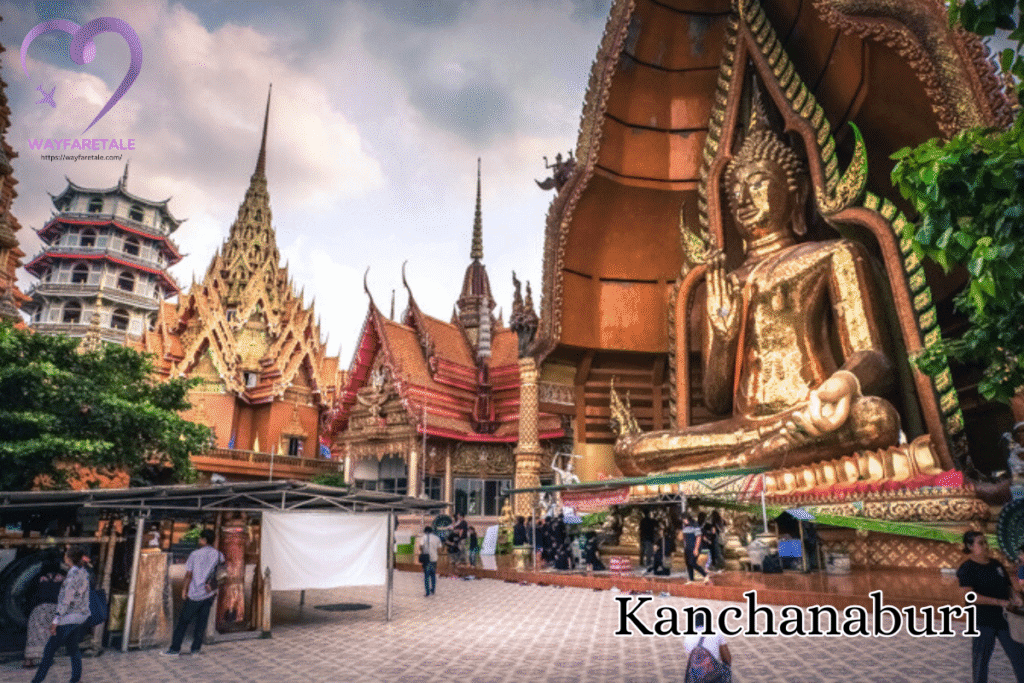
The drive to Kanchanaburi takes you deeper into Thailand’s countryside. Palm trees replace rice paddies, limestone mountains appear on the horizon, and the landscape becomes more dramatic. This region holds deep historical significance from World War II, when Allied prisoners of war built the infamous Death Railway under brutal conditions.
BRIDGE OVER THE RIVER KWAI
The steel bridge crossing the River Kwai is one of Thailand’s most historically significant sites. Part of the 415 km Death Railway connecting Thailand to Myanmar (Burma), it was built by Allied POWs and Asian laborers under horrific conditions. An estimated 90,000-100,000 people died during construction.
Walking across the bridge, I reflected on the human cost of war while appreciating the engineering achievement. The original wooden bridge was destroyed by Allied bombing in 1945; the current steel structure uses original sections alongside modern reconstruction.
The Death Railway Museum provides sobering context about this dark period. Personal accounts from survivors, authentic artifacts, and detailed exhibits explain the railway’s construction and impact. Entry costs 120 THB and includes an audio guide available in multiple languages.
USEFUL TIP: Take the Death Railway train ride to Nam Tok station (2 hours round trip, 100 THB). The journey follows the original route through spectacular jungle scenery, including the famous wooden viaduct clinging to cliff faces.
ERAWAN NATIONAL PARK
Just 65 km from Kanchanaburi, Erawan National Park protects one of Thailand’s most beautiful waterfall systems. The seven-tiered Erawan Falls cascade down limestone steps, creating emerald pools perfect for swimming. Each level has its own character – some feature gentle cascades, others dramatic plunges.
I hiked to all seven tiers (2 km, moderate difficulty), swimming at levels 2, 4, and 6. The water temperature remains cool year-round due to limestone springs. Small fish nibble your feet at some pools – a natural pedicure that initially startles but becomes relaxing.
HIKING TIP: Start early (8 AM) to avoid crowds and heat. Wear good hiking shoes as rocks can be slippery. Bring a waterproof bag for electronics – spray from waterfalls reaches everywhere. Park entry is 300 THB for foreigners.
Level 7, called “Phu Pha Erawan,” requires the most challenging hike but offers the most dramatic scenery. The waterfall resembles a three-headed elephant (erawan), giving the park its name.
HELLFIRE PASS
This cutting through solid rock represents the Death Railway’s most challenging section. Allied POWs worked by torchlight, earning the location its grim nickname. Today, a memorial and interpretive trail honor those who suffered and died here.
The 4 km walking trail follows the original railway route, passing information boards explaining construction techniques and human stories. Audio guides (included with 120 THB entry fee) feature survivor testimonies that bring history to life.
Standing in Hellfire Pass as evening light filtered through the jungle, I felt the weight of history. The site serves as a powerful reminder of war’s human cost and the resilience of the human spirit.
Where to Stay in Kanchanaburi
Float House River Kwai offers a unique accommodation experience. My floating villa sat directly on the River Kwai, gently rocking with the current. Falling asleep to water sounds and waking to mist rising from the river created an unforgettable experience.
The restaurant serves excellent Thai cuisine with river views, while the infinity pool appears to merge with the Kwai. Despite the remote feeling, modern amenities ensure comfort after days of historical exploration and jungle hiking.
Day 4: Kanchanaburi to Hua Hin via Damnoen Saduak Floating Market – From Mountains to Sea
- Distance covered: 200 KM
- Total drive time: 4 HRS (including floating market stop)
- Overnight in: Hua Hin
Leaving the mountains and war history behind, I headed south toward Thailand’s coast. The route takes you through changing landscapes – from limestone karsts to coconut plantations to salt fields near the sea. A essential stop along the way is Thailand’s most famous floating market.
DAMNOEN SADUAK FLOATING MARKET
Located 100 km southwest of Bangkok, Damnoen Saduak is Thailand’s most famous floating market. While undeniably touristy, it remains an authentic glimpse into traditional Thai commerce that has operated for over 100 years.
Arriving at 7 AM proved crucial – vendors paddle their boats loaded with tropical fruits, vegetables, and prepared foods through narrow canals lined with traditional wooden houses. The early morning light creates magical reflections on the water, and you’ll avoid the tour bus crowds that arrive later.
I hired a longtail boat for 1,500 THB per hour to navigate the maze of waterways. My boat driver spoke excellent English and explained the market’s history while skillfully maneuvering between vendor boats and tourist traffic.
FOOD HIGHLIGHTS:
- Boat noodles prepared fresh on floating kitchens
- Mango sticky rice served on banana leaves
- Fresh coconut ice cream that vendors scoop directly from coconut shells
- Tropical fruits I’d never seen before, including sala (snake fruit) and longan
USEFUL TIP: Bring small bills (20-100 THB notes) for purchases. Vendors appreciate cash and haggling is expected but keep it friendly. Don’t buy from the first vendor you see – prices decrease as you move deeper into the market.
The market operates daily from 6 AM to 2 PM, but 7-9 AM offers the best experience before tour groups arrive.
DRIVE TO HUA HIN
The final stretch to Hua Hin reveals coastal Thailand’s beauty. Palm plantations give way to salt fields and fishing villages. The air becomes noticeably more humid as you approach the Gulf of Thailand, and the first glimpse of turquoise water after days inland feels refreshing.
Hua Hin emerged as Thailand’s first beach resort when King Rama VII built a summer palace here in the 1920s. Unlike party-focused destinations like Pattaya or Phuket, Hua Hin maintains a refined, family-friendly atmosphere that attracted Thai royalty for decades.
HUA HIN ATTRACTIONS
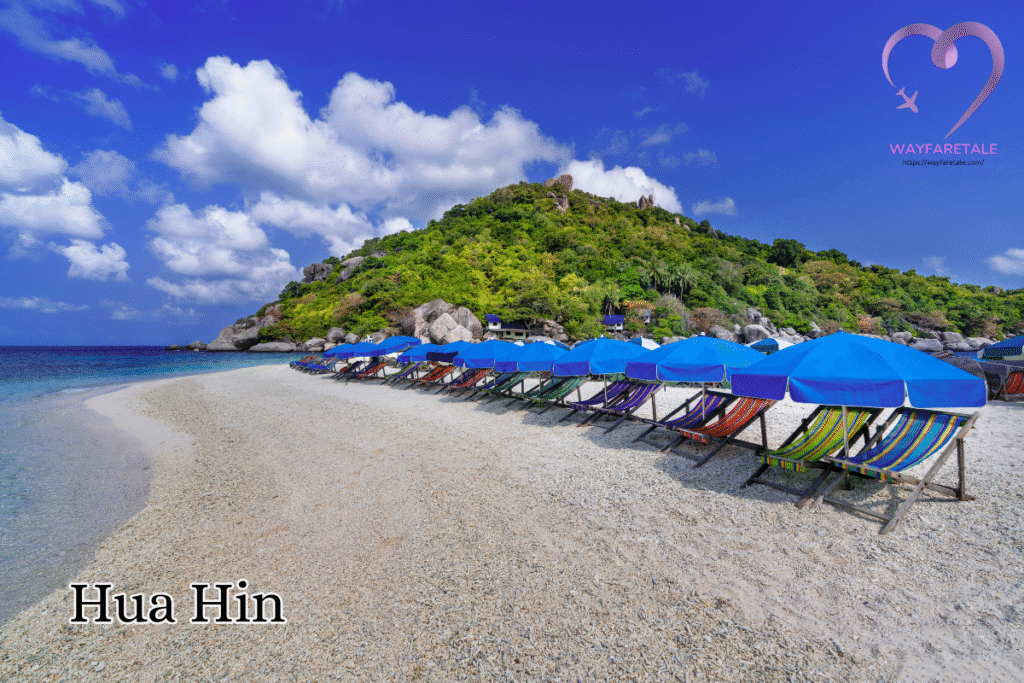
Hua Hin Beach stretches for 5 km of golden sand backed by casuarina trees. The beach slopes gradually into calm waters perfect for swimming, while colorful longtail boats create picture-perfect scenes. I spent the afternoon alternating between swimming and reading under beach umbrellas.
Hua Hin Railway Station, built in 1926, ranks among Thailand’s most beautiful train stations. The wooden structure features traditional Thai architecture with intricate carvings and a royal waiting room that hosted kings and queens. It’s still functional – trains connect Hua Hin to Bangkok multiple times daily.
Cicada Market operates Friday-Sunday evenings, showcasing local artisans, musicians, and food vendors. Unlike tourist markets elsewhere, Cicada focuses on unique handicrafts, vintage items, and creative foods. I spent two hours browsing handmade jewelry, original artwork, and sampling fusion Thai cuisine.
FOOD HIGHLIGHT: Hua Hin night market offers incredible seafood. Fresh catches are displayed on ice, and vendors grill them to order. I enjoyed massive tiger prawns, whole grilled fish, and som tam (green papaya salad) while sitting at plastic tables under fluorescent lights – authentic Thai dining at its finest.
Where to Stay in Hua Hin
Anantara Hua Hin Resort occupies beachfront grounds where I felt transported to colonial times. The property features traditional Thai architecture with modern luxury, expansive gardens leading to private beach access, and an elephant camp where rescued elephants receive care.
My beachfront villa included a private terrace overlooking the Gulf of Thailand. Falling asleep to wave sounds and waking to sunrise over the water recharged my spirits after several days of intense sightseeing.
The resort’s Baan Huraa restaurant serves exceptional Thai cuisine with ocean views, while the Sivara Spa offers traditional treatments using local ingredients.
Day 5: Hua Hin to Krabi – Journey to the Andaman Coast
- Distance covered: 520 KM
- Total drive time: 7 HRS
- Overnight in: Krabi
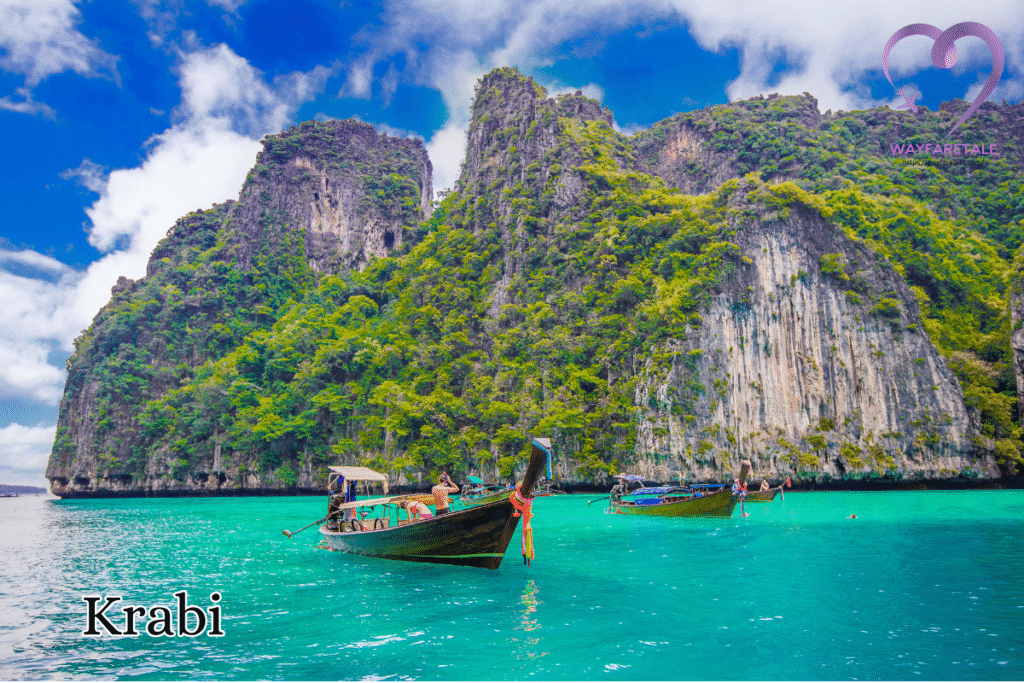
This represents the longest driving day, but the route rewards you with Thailand’s most dramatic coastal scenery. You’ll cross from the Gulf of Thailand to the Andaman Sea, transitioning from gentle beaches to towering limestone cliffs and emerald waters.
The drive takes you through southern Thailand’s heartland – rubber plantations, oil palm estates, and traditional fishing villages. Around Chumphon, you’ll cross the narrow isthmus where Thailand is only 44 km wide, then begin seeing the limestone karsts that make Krabi Province famous worldwide.
DRIVING TIP: Start early (6 AM) to avoid midday heat and arrive in Krabi with time for afternoon activities. Highway 4 (Phetkasem Road) is well-maintained but has heavy truck traffic in some sections. Rest stops every 2 hours help combat fatigue.
KRABI PROVINCE OVERVIEW
Krabi Province contains some of Thailand’s most iconic scenery – towering limestone cliffs rising directly from turquoise seas, hidden lagoons accessible only by kayak, pristine beaches backed by jungle, and over 150 islands scattered offshore.
The landscape formed over millions of years as ancient coral reefs rose from the sea, creating the dramatic karst formations that attract rock climbers, photographers, and beach lovers from around the world. Krabi serves as the gateway to famous destinations like Railay Beach, Phi Phi Islands, and the Four Islands.
Krabi Town itself feels authentically Thai – a working port city where longtail boats share space with fishing vessels, and locals outnumber tourists. The town’s night market, riverside promenade, and traditional shophouses provide glimpses into southern Thai life.
TIGER CAVE TEMPLE (WAT THAM SUEA)
Located 9 km from Krabi Town, this forest temple gets its name from tiger paw prints found in caves centuries ago. The main attraction requires climbing 1,237 steps to a summit viewpoint 600 meters above sea level.
The climb takes 45-60 minutes and challenges even fit hikers. Stone steps wind through jungle canopy where monkeys watch curiously and exotic birds call from hidden branches. Rest platforms every few hundred steps provide opportunities to catch your breath and hydrate.
The Summit rewards climbers with 360-degree views over Krabi Province – limestone islands dotting the Andaman Sea, mangrove forests following river channels, and mountain ranges extending to the horizon. Sunrise and sunset provide the most spectacular lighting, but afternoon visits mean fewer crowds.
TEMPLE TIP: Dress respectfully (covered shoulders and knees), bring water, and start the climb before 4 PM to avoid descending in darkness. The temple provides walking sticks at the base – accept them gratefully as the climb is steep and challenging.
RAILAY BEACH
Accessible only by longtail boat due to towering cliffs, Railay Peninsula feels like a hidden paradise cut off from the modern world. Four beaches offer different experiences – East Railay for mangroves and mud, West Railay for swimming and sunsets, Phra Nang for caves and rock climbing, and Tonsai for budget backpackers.
I took a 15-minute longtail boat ride from Ao Nang Beach (150 THB per person) as the sun approached the horizon. West Railay Beach exceeded my expectations – white sand backed by 200-meter limestone cliffs, clear turquoise water, and just enough visitors to create energy without feeling crowded.
Rock Climbing attracts enthusiasts worldwide to Railay’s limestone walls. Routes range from beginner-friendly to extremely challenging, with many climbs offering ocean views. Several operators rent equipment and provide instruction – I spent two hours learning basic techniques on easier routes.
Phra Nang Cave contains a shrine to a mythical princess spirit. Local fishermen leave carved phalluses as offerings for good luck and fertility – an initially surprising but deeply traditional aspect of Thai spiritual beliefs.
SUNSET TIP: West Railay faces directly west, providing spectacular sunsets. Arrive by 5:30 PM to secure a good spot on the beach, then watch the sky transform through oranges and purples as the sun disappears behind distant islands.
Where to Stay in Krabi
Rayavadee Resort occupies an exclusive location where Railay’s three beaches meet. My pavilion was surrounded by tropical gardens with limestone cliffs towering overhead. The property feels like a hidden village where traditional Thai architecture blends seamlessly with natural surroundings.
The resort’s private beach provides direct access to Phra Nang Cave and rock climbing sites, while multiple restaurants serve excellent Thai and international cuisine. The Rayavadee Spa utilizes natural caves for treatment rooms – an utterly unique wellness experience.
Despite luxury amenities, the resort maintains connection with Railay’s natural beauty. Monkeys visit the grounds regularly (secure your belongings!), tropical birds provide morning serenades, and the sound of waves is never far away.
Day 6: Krabi Island Hopping – Four Islands and Phi Phi Day Trip
- Distance covered: 0 KM (boat day)
- Total boat time: 6-8 hours depending on tour
- Overnight in: Krabi
Island hopping from Krabi represents one of Thailand’s most spectacular experiences. Crystal-clear waters, pristine beaches, dramatic limestone formations, and vibrant coral reefs create scenes that seem too beautiful to be real. I dedicated this entire day to exploring the famous Four Islands tour and an afternoon trip to Phi Phi Islands.
FOUR ISLANDS TOUR
The classic Four Islands tour visits Koh Poda, Chicken Island (Koh Gai), Tup Island (Koh Tup), and Phra Nang Cave Beach via traditional longtail boat. Most tours operate 9 AM-4 PM and cost 1,200-1,500 THB including lunch, snorkeling equipment, and national park fees.
Koh Poda features a perfect crescent beach with powdery white sand and turquoise water. The small island takes 20 minutes to walk around, revealing different perspectives of limestone cliffs and coral formations. I spent an hour snorkeling here – the coral isn’t pristine due to tourism impact, but tropical fish still create colorful underwater scenes.
Chicken Island (Koh Gai) gets its name from a limestone formation resembling a chicken’s head. The island connects to smaller Koh Mor via a sandbar that appears at low tide – you can literally walk between islands through knee-deep water. The phenomenon, called a “sandbar island,” creates stunning photo opportunities.
Tup Island (Koh Tup) offers the most dramatic sandbar experience. At low tide, a white sand path emerges connecting Tup Island to Koh Mor, allowing visitors to walk across the sea. The crystal-clear water on both sides creates an otherworldly experience – like walking on water.
SNORKELING TIP: Bring reef-safe sunscreen and an underwater camera. While coral has suffered from overtourism, you’ll still see parrotfish, angelfish, and sergeant major damselfish. The best snorkeling occurs on the far side of islands away from longtail boat moorings.
PHI PHI ISLANDS AFTERNOON TRIP
After returning from Four Islands around 3 PM, I joined an afternoon speedboat trip to the famous Phi Phi Islands. While more expensive (2,500 THB), the speed boat covers distance quickly, allowing visits to Maya Bay and Phi Phi Don before sunset.
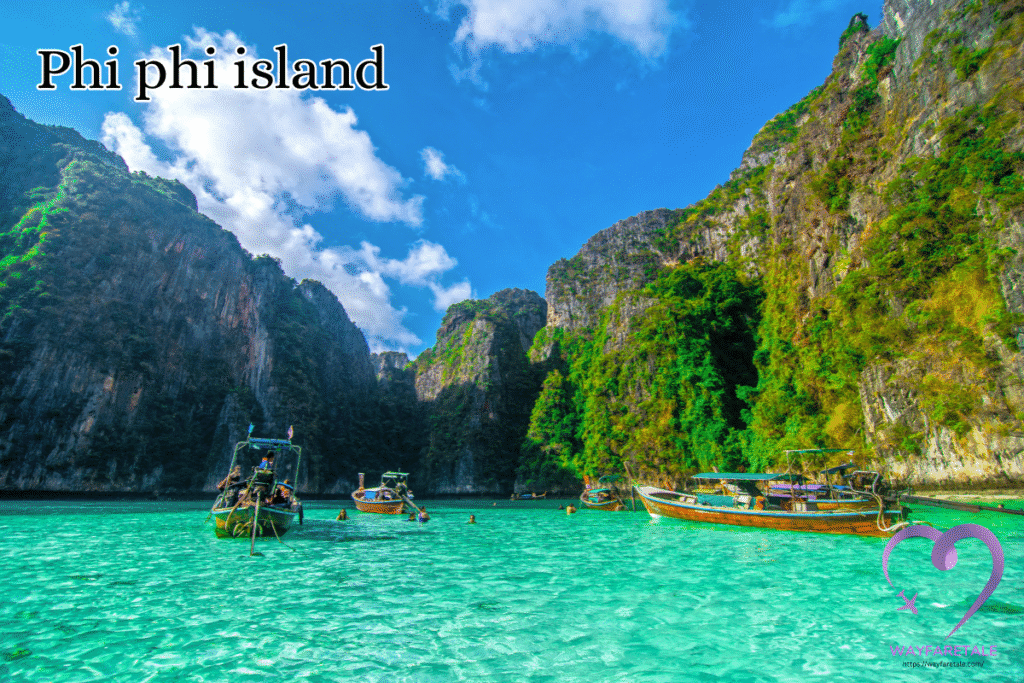
Maya Bay achieved worldwide fame from “The Beach” movie starring Leonardo DiCaprio. The bay was closed for several years to recover from tourism damage and reopened with strict visitor limits. Now only 300 people per day can visit, and no swimming is allowed to protect recovering coral.
Despite restrictions, Maya Bay remains breathtaking. Towering limestone cliffs form a perfect circle around a small beach with water so clear it appears artificial. The recovery efforts show positive results – I noticed young coral growth and small fish returning to previously barren areas.
Phi Phi Don provides the contrast with developed tourism infrastructure. The main town, Tonsai Village, survived the 2004 tsunami and rebuilt into a bustling backpacker destination. I spent an hour walking the main street, sampling fresh fruit shakes and watching fire shows being prepared for evening entertainment.
Viking Cave on Phi Phi Leh contains ancient paintings and serves as a bird’s nest harvesting site. These nests, made from bird saliva, are collected to make expensive Chinese bird’s nest soup. While you can’t enter the cave, viewing from the boat provides glimpses into this traditional industry.
SUNSET VIEWING: The boat trip timed perfectly with sunset, providing spectacular views as we traveled between islands. The limestone cliffs turn golden in evening light, and the calm Andaman Sea reflects the changing sky colors.
Evening in Ao Nang
Returning to mainland around 7 PM, I spent the evening in Ao Nang Beach, Krabi’s main tourist area. The 2 km beach offers numerous restaurants, bars, and shops, plus easy access to longtail boats for Railay Beach.
FOOD HIGHLIGHT: Lae Lay Grill, perched on cliffs above Ao Nang, serves exceptional seafood with panoramic ocean views. The tom yum kung (spicy shrimp soup) and grilled whole fish with tamarind sauce were outstanding. Prices are higher than street food but reasonable for the quality and setting.
Day 7: Krabi to Bangkok – Return Journey with Mountain Stops
- Distance covered: 650 KM
- Total drive time: 8-9 hours with stops
- Overnight in: Bangkok (near airport)
The final day involves the longest drive, but strategic stops break up the journey while showcasing different aspects of Thailand. I planned departure at 6 AM to avoid afternoon heat and Bangkok’s notorious evening traffic.
KHAO SOK NATIONAL PARK (Optional Stop)
Located halfway between Krabi and Bangkok, Khao Sok National Park protects one of Thailand’s oldest rainforests. While a full visit requires at least two days, even a brief stop reveals the park’s incredible biodiversity.
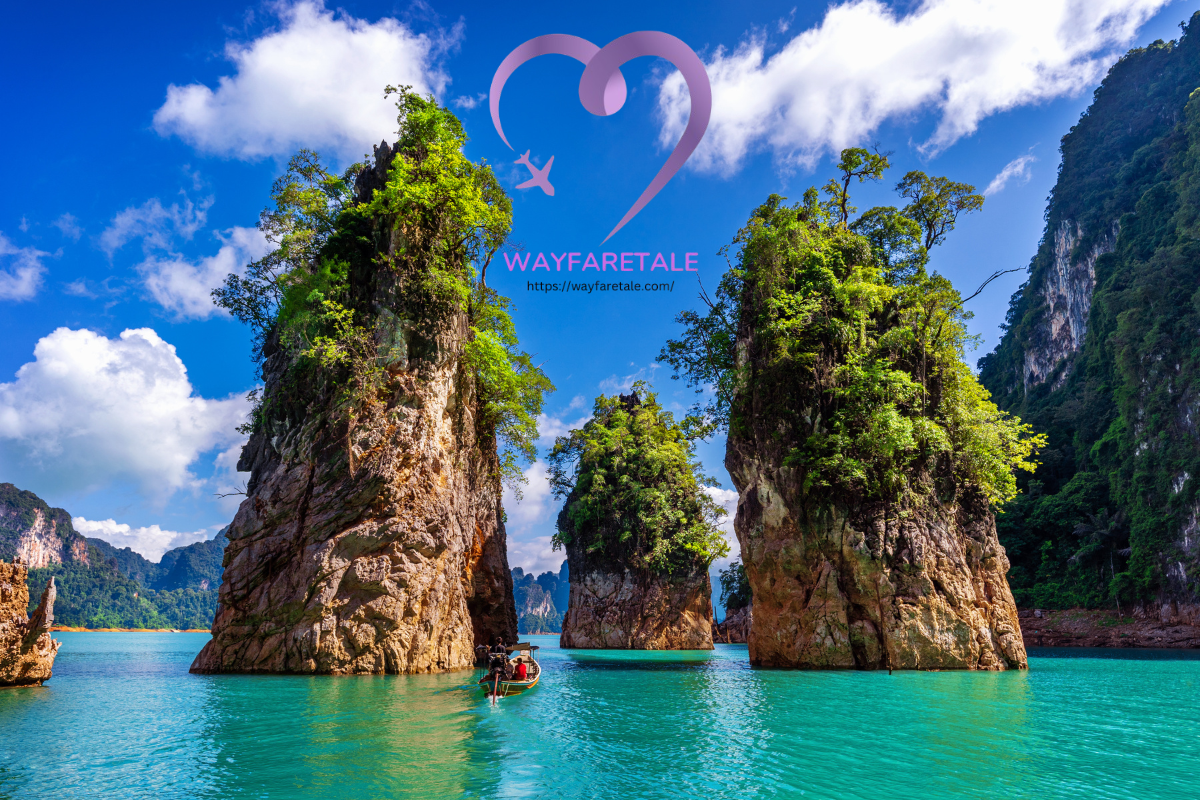
The park’s highlight is Cheow Lan Lake, created by the Ratchaprapha Dam. Limestone mountains rise directly from the lake, creating a landscape reminiscent of Halong Bay in Vietnam. Longtail boat trips explore hidden caves and floating bamboo restaurants serving fresh fish.
TIME MANAGEMENT: If following my one-week itinerary, Khao Sok requires choosing between this stop and arriving in Bangkok early. I spent 2 hours here for a brief jungle walk and lake views, but the park deserves much more time for those with flexible schedules.
PRACHUAP KHIRI KHAN
This coastal town provides an excellent lunch stop and represents authentic Thai seaside life without heavy tourism. The town wraps around a perfect horseshoe bay backed by limestone mountains, creating dramatic scenery.
I climbed Khao Chong Krachok (Mirror Tunnel Mountain) for panoramic views over the bay and surrounding countryside. The 20-minute hike leads to caves containing Buddha images and offers 360-degree views. Hundreds of macaque monkeys inhabit the mountain – they’re accustomed to humans but keep food secured.
FOOD STOP: Prachuap’s night market (operating during lunch hours) serves exceptional seafood at local prices. Fresh crab curry, grilled squid, and mango sticky rice cost a fraction of tourist area prices while maintaining authentic flavors.
RETURN TO BANGKOK
The final stretch passes through central Thailand’s agricultural heartland. Rice paddies extend to the horizon, water buffalo cool themselves in ponds, and traditional wooden houses line quiet canals. It’s a peaceful contrast to the coastal drama of previous days.
Entering Bangkok’s outskirts, urban sprawl gradually replaces rural landscapes. The contrast feels jarring after a week of natural beauty, but the city’s energy becomes infectious as you approach the metropolitan core.
TRAFFIC STRATEGY: Arrive in Bangkok between 2-4 PM to avoid both lunch hour and evening rush traffic. Airport hotels provide convenient locations for morning flights while avoiding city center traffic.
What I Would Skip and Recommend Skipping
Based on this road trip experience, here are places I’d suggest skipping due to overtourism, underwhelming experiences, or better alternatives:
- Pattaya – overcrowded, overly commercialized beach resort lacking authenticity
- Chatuchak Weekend Market in Bangkok – enormous but overwhelming, with mostly mass-produced items
- Full day in Phi Phi Don – half-day visit sufficient, as the island is small and very touristy
- Driving in central Bangkok – use public transport, taxis, or tuk-tuks instead
- Popular floating markets during peak hours – arrive early or choose lesser-known markets
Budget Breakdown for Thailand Road Trip
Here’s my actual spending breakdown for the one-week road trip (per person):
Accommodation (6 nights): $540
- Bangkok luxury hotel: $120/night × 2 nights = $240
- Ayutthaya boutique hotel: $80/night × 1 night = $80
- Kanchanaburi floating hotel: $70/night × 1 night = $70
- Hua Hin beach resort: $100/night × 1 night = $100
- Krabi luxury resort: $150/night × 1 night = $150
Transportation: $310
- Car rental (7 days): $35/day × 7 = $245
- Fuel: $65 total
Food and Dining: $280
- Street food and casual meals: $20/day × 7 = $140
- Mid-range restaurant dinners: $20/meal × 7 = $140
Activities and Attractions: $195
- Temple entrance fees: $35
- Four Islands tour: $45
- Phi Phi Islands tour: $75
- Floating market boat ride: $25
- Various other activities: $15
Total Trip Cost: $1,325 per person for 7 days
Daily average: $189 per person
This represents comfortable mid-range to luxury travel. Budget travelers could easily reduce costs by 40-50% by choosing guesthouses, eating primarily street food, and joining group tours instead of private options.
Thailand Travel Resources
Planning your Thailand road trip? Here are the booking resources I personally use:
Transportation
- Find BEST FLIGHT DEALS to Thailand using Skyscanner – comprehensive search engine with price alerts and flexible date options
- Car Rental: Book through Rentalcars.com for best price comparisons, or Thai Rent A Car for local expertise and English support
- International Driving Permit: Required for legal driving – obtain from AAA (US) or equivalent in your country before departure
Accommodation
- Agoda – best rates for Southeast Asian properties with frequent promotions
- Booking.com – excellent cancellation policies and property variety
- Airbnb – unique stays and local experiences, especially good for longer stays
Insurance and Health
- Travel Insurance: World Nomads offers comprehensive coverage for adventure activities
- Health Precautions: No vaccinations required, but bring mosquito repellent and sunscreen
Tours and Activities
- Klook – best platform for Asian tours and activities with mobile vouchers
- Viator – extensive tour selection with user reviews
- GetYourGuide – reliable booking platform with instant confirmation
Money Matters
- Currency: Thai Baht (THB) – approximately 35 THB = $1 USD
- ATMs: Widely available, typically charge 220 THB fee per transaction
- Credit Cards: Accepted at hotels and restaurants, less common at street food and markets
This Thailand road trip itinerary showcases the country’s incredible diversity – ancient temples and modern cities, mountain jungles and pristine beaches, bustling markets and peaceful islands. The Land of Smiles offers experiences that satisfy every type of traveler, while the warmth and hospitality of Thai people make every moment memorable.
Whether you have one week or one month, Thailand rewards exploration with unforgettable experiences, delicious cuisine, and natural beauty that will have you planning your return visit before you’ve even left.