
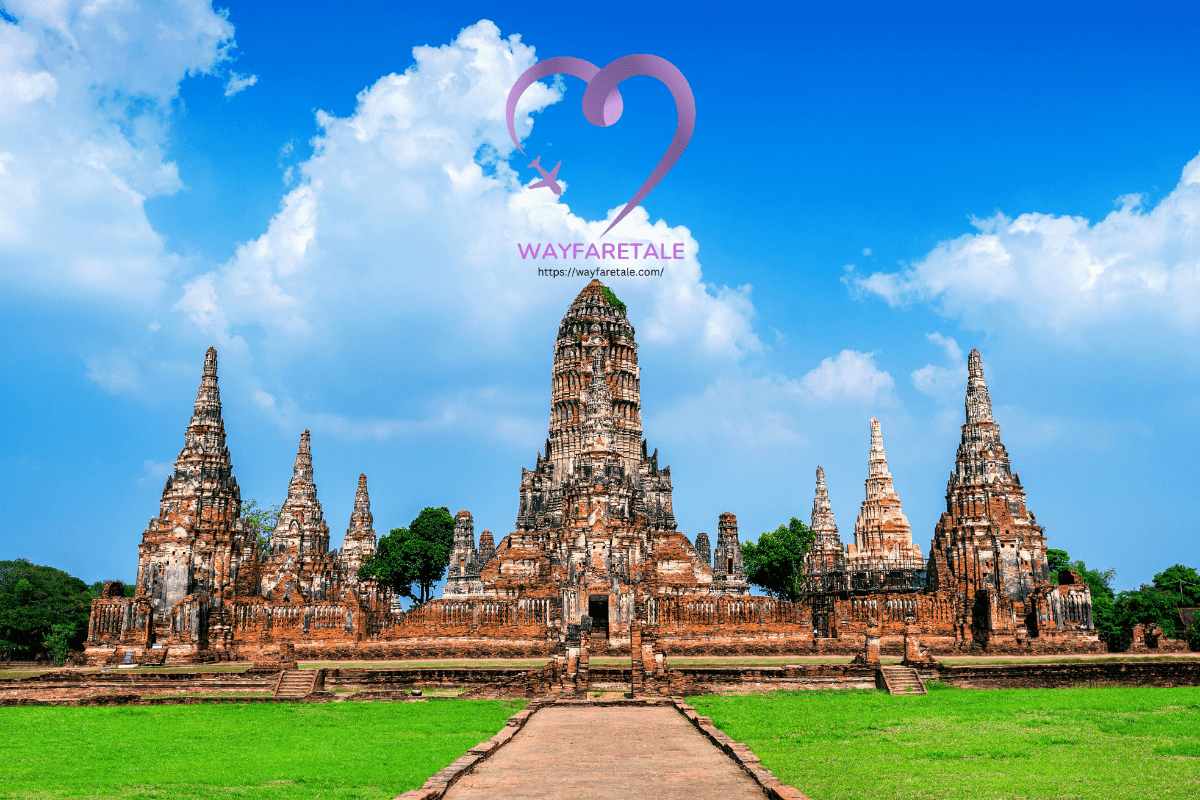
Cambodia Road Trip: Epic One-Week Travel Itinerary Through the Kingdom of Wonder!
Cambodia is an extraordinary destination for a Southeast Asian road trip adventure. This detailed one-week Cambodia road trip itinerary covers the most spectacular places in the country that you can explore in 7 days, from the magnificent temples of Angkor to pristine beaches and jungle-covered mountains.
Cambodia is a captivating country with an incredible diversity of experiences packed into a relatively compact area! Ancient temple complexes rise from lush jungles, colonial architecture lines riverside boulevards, pristine beaches stretch along untouched coastlines, and dramatic mountain ranges hide forgotten ruins. Therefore, embarking on a Cambodia road trip is absolutely the best way to explore this fascinating Southeast Asian kingdom.
With your own vehicle, you’ll have the freedom to discover Cambodia’s hidden gems at your own pace. While some attractions can be reached by public transport or organized tours, many of the most breathtaking and authentic experiences are only accessible by car or motorbike.
Based on my extensive travels throughout Cambodia over multiple visits, I’ve crafted this comprehensive 7-day Cambodia road trip itinerary covering ancient temples, colonial cities, mountain landscapes, and coastal paradises. It includes detailed driving distances, an interactive route map, and carefully selected accommodation recommendations.
Essential Travel Planning Tips
- Car rental tip 1: Tuk Tuk Rental and Cambodia Car Rental are reliable local operators offering competitive rates and good insurance coverage. I’ve used both companies for different trips throughout the country.
- Car rental tip 2: For budget-friendly options, check Asia Car Rental aggregator which compares rates across multiple local providers, potentially saving up to 50% on rental costs.
- Motorbike alternative: Many travelers opt for motorbike rentals (125cc-250cc) which are perfect for Cambodia’s roads and offer more flexibility in remote areas.
- Stay: I booked all accommodation through Booking.com and Agoda (which often has better rates for Southeast Asian properties).
- Travel Insurance: Get comprehensive coverage through World Nomads or SafetyWing that includes motorbike coverage if needed.
- Tours: Check Viator and GetYourGuide for skip-the-line temple passes and guided experiences.
Summary of My Cambodia Road Trip Route
- Day 1: Arrive in Siem Reap, explore Pub Street and Night Market
- Day 2: Angkor Archaeological Park – Angkor Wat, Bayon Temple, Ta Prohm
- Day 3: Siem Reap to Battambang via floating villages and countryside
- Day 4: Battambang to Phnom Penh via Udong and countryside temples
- Day 5: Phnom Penh city exploration and drive to Kampot
- Day 6: Kampot to Kep and coastal exploration
- Day 7: Return to Phnom Penh via Takeo Province temples
If I had 5 days in Cambodia, my itinerary would include: Siem Reap (Angkor) – Battambang – Phnom Penh – Kampot.
If I had 10 days in Cambodia, I would add: Ratanakiri Province, Mondulkiri, Kratie (Mekong dolphins), and extended time in each location.
Cambodia Road Trip Planning Essentials

Renting a Vehicle in Cambodia
International driving permits are technically required, though enforcement varies. Most rental companies operate from Siem Reap and Phnom Penh airports. Local operators often provide better rates and more flexible terms than international chains. Many travelers choose motorbikes (automatic scooters or manual bikes) which offer excellent maneuverability on Cambodia’s diverse road conditions.
Driving in Cambodia
Driving in Cambodia offers incredible freedom to explore this beautiful country at your own pace. Road conditions vary dramatically – major highways are generally excellent, while rural roads can be challenging, especially during rainy season (May-October). Traffic follows right-hand drive patterns, but expect creative interpretations of traffic rules, especially in cities.
The key to successful driving in Cambodia is patience and defensive driving. Motorbikes, cars, trucks, and animal-drawn carts share the same roads. Honking is communication, not aggression. Always carry cash for fuel and tolls, as card payments aren’t universally accepted.
Rural distances can be deceptive – what looks like 50km on the map might take 2 hours on winding, potholed roads. However, the journey itself is part of the adventure, with rice paddies, village life, and stunning landscapes unfolding along the way.
Where to Stay During Your Cambodia Road Trip
Throughout my Cambodia travels, I prioritize locally-owned guesthouses, boutique hotels, and family-run accommodations over international chains. This approach provides authentic cultural experiences while supporting local communities. Cambodia offers incredible value for money, with comfortable accommodations available at all budget levels.
When booking accommodation, secure parking is essential if you’re driving. Most places I recommend offer either private parking or safe street parking. I consistently use Booking.com for its extensive Cambodia coverage and Agoda for often-better Southeast Asian rates and local insights.
Pro tip: Book accommodations with flexible cancellation policies, especially during rainy season when travel plans might need adjustment.
Here’s where I stayed during my road trip:
Accommodation Summary:
- Siem Reap – Villa Indochine d’Angkor (2 nights) – Colonial charm near temples
- Battambang – Maisons Wat Kor (1 night) – Restored Khmer wooden houses
- Phnom Penh – Plantation Urban Resort (1 night) – Boutique oasis in the city
- Kampot – The Old Cinema (1 night) – Creative riverside accommodation
- Kep – Knai Bang Chatt (1 night) – Beachfront boutique luxury
What to Expect in Cambodia
Cambodia will surprise you with its incredible diversity and the warmth of its people. You’ll experience the world’s largest religious monument at Angkor Wat, get lost in the atmospheric ruins of jungle-covered temples, cruise along the mighty Mekong River, and discover pristine beaches that rival any tropical paradise.
The country offers extraordinary cultural immersion opportunities – from learning traditional Khmer cooking techniques to understanding the complex history that shaped modern Cambodia. You’ll taste some of Southeast Asia’s most underrated cuisine, witness traditional crafts being practiced as they have been for centuries, and encounter some of the most genuinely welcoming people you’ll ever meet.
Adventure seekers can explore cave systems, trek through cardamom mountains, spot rare Irrawaddy dolphins, and experience rural life in floating villages. Meanwhile, history enthusiasts will find themselves transported through millennia of Khmer civilization, French colonial heritage, and Cambodia’s journey toward modern nationhood.
How Many Days Do You Need in Cambodia?
Based on multiple visits spanning different seasons, one week provides an excellent introduction to Cambodia’s highlights. This timeframe allows for meaningful temple exploration, cultural immersion, and some relaxation without feeling rushed.
However, Cambodia rewards longer stays. Two weeks enables deeper exploration of remote provinces, extended temple complex visits, and genuine connections with local communities. The country’s compact size means you can see considerable diversity even in shorter timeframes.
This guide focuses on must-see experiences for first-time visitors while highlighting optional extensions for those with additional time.
When to Visit Cambodia
Cambodia’s climate significantly impacts road trip experiences. The cool, dry season (November-February) offers the most comfortable driving conditions with minimal rainfall and pleasant temperatures. March-May brings hot, dry weather – excellent for temple visits but challenging for extensive driving.
The rainy season (June-October) transforms Cambodia into a lush, green paradise. While some rural roads become challenging, this period offers fewer crowds, dramatic landscapes, and authentic local experiences. Many roads remain accessible, and the countryside is at its most beautiful.
I’ve traveled Cambodia in all seasons – each offers unique advantages for road tripping adventurers.
Budget for Your Cambodia Road Trip
Cambodia remains one of Southeast Asia’s most budget-friendly destinations. A rough breakdown of expected costs for essential travel needs:
- Accommodation: $15-$40/night for comfortable guesthouses and boutique hotels
- Meals: $8-$20/day depending on local eateries vs. tourist restaurants
- Vehicle Rental: $20-$45/day for cars, $5-$15/day for motorbikes
- Fuel: $1.20/liter for petrol (2024 prices)
- Temple Pass: $37 for 1-day Angkor pass, $62 for 3-day pass
Cambodia 7-Day Road Trip Itinerary: Day by Day
For those wanting to experience the essence of Cambodia, here’s my detailed day-by-day breakdown of the route I took during my week-long Cambodian adventure.
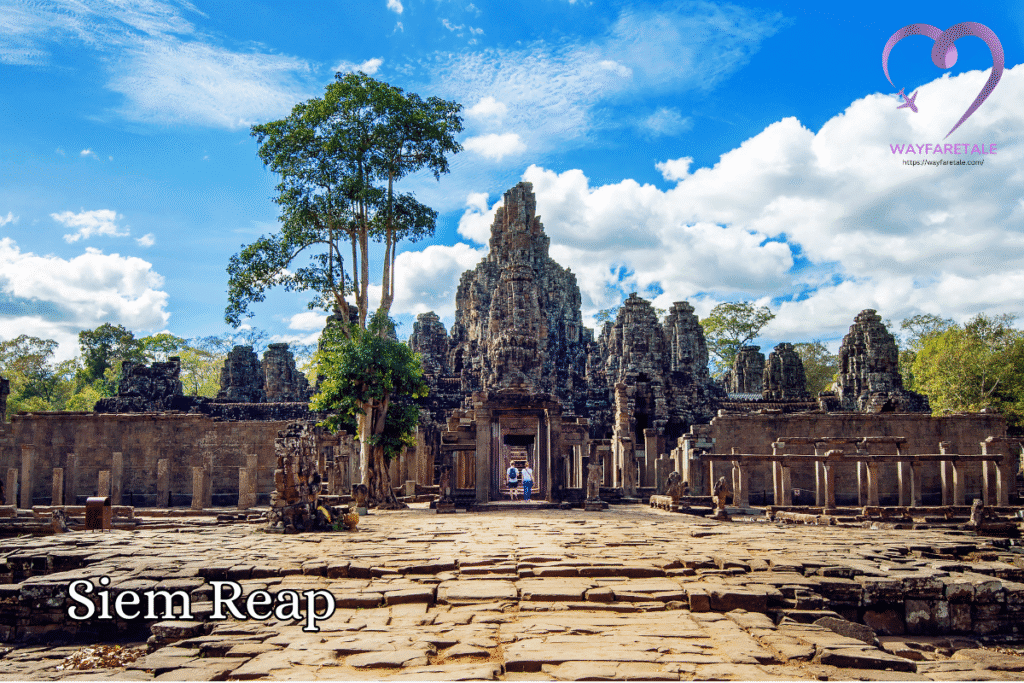
Day 1: Arrival in Siem Reap – Gateway to Angkor
- Distance covered: 15 km from airport
- Total drive time: 30 minutes
- Overnight in: Siem Reap (2 consecutive nights)
Landing in Siem Reap, Cambodia’s temple town, you’ll immediately feel the excitement of being at the doorstep of one of the world’s greatest archaeological wonders. The city perfectly balances ancient heritage with modern traveler amenities.
After settling into accommodation, I recommend spending your first evening exploring Siem Reap’s vibrant center. This gentle introduction helps you adjust to Cambodia’s rhythm while preparing for the temple adventures ahead.
Things to Do in Siem Reap on Day 1
Explore Pub Street and the Old Market Area Pub Street is Siem Reap’s beating heart – a pedestrian zone lined with restaurants, bars, and shops. While touristy, it’s genuinely fun and offers excellent people-watching. The adjacent Old Market (Phsar Chas) provides authentic local atmosphere where you can practice your bargaining skills and sample Cambodian street food.
USEFUL TIP: Visit the Old Market early morning (6-7 AM) to see local life in action – vendors setting up fresh produce, locals buying ingredients for the day, and fewer tourists. The market transforms completely from its daytime tourist-focused persona.
Take a Sunset Stroll Along Siem Reap River The riverside area offers peaceful walks away from Pub Street crowds. Several cafes and restaurants provide perfect sunset viewing spots with Cambodian beer or fresh coconut water.
Visit Artisans Angkor This social enterprise workshop showcases traditional Cambodian crafts being made by local artisans. It’s fascinating to watch silk weaving, stone carving, and wood sculpture techniques passed down through generations. Plus, it’s completely free and helps you understand the cultural context you’ll encounter at the temples.
Where to Stay in Siem Reap
I stayed at Villa Indochine d’Angkor, a beautifully restored colonial property that perfectly captures Siem Reap’s French heritage while providing modern comfort. The location is ideal – close enough to walk to Pub Street but far enough away to ensure peaceful nights.
The villa features gorgeous gardens, a refreshing pool (essential after temple exploring), and incredibly helpful staff who arranged my temple passes and transportation. The breakfast is exceptional, featuring both Western and Khmer options.
Book Villa Indochine d’Angkor through Booking.com
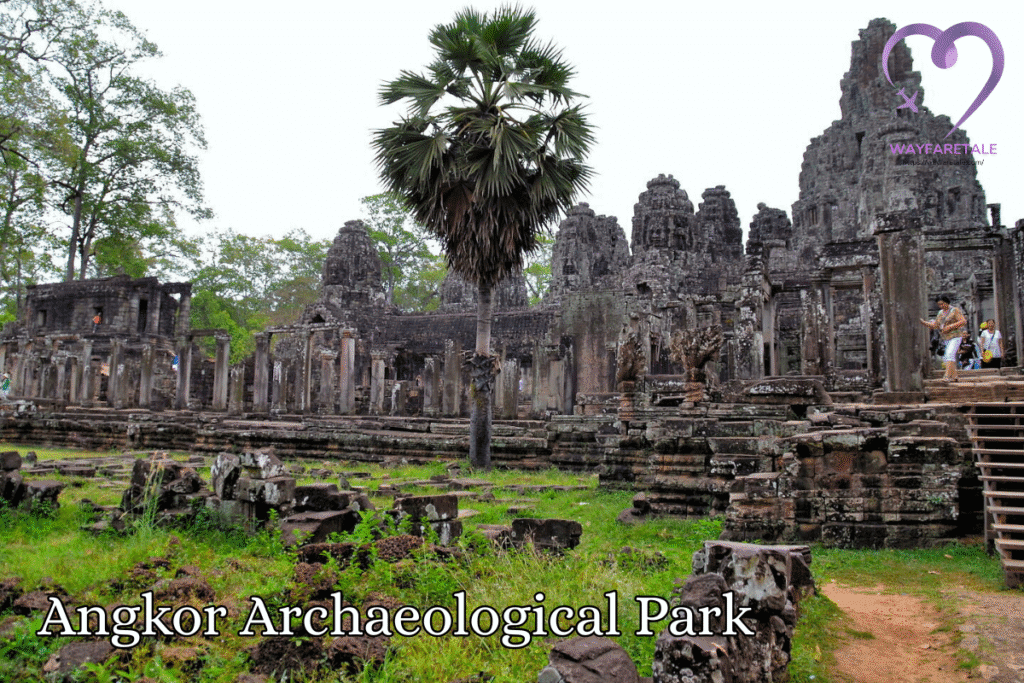
Day 2: Angkor Archaeological Park – The Eighth Wonder of the World
- Distance covered: 45 km
- Total drive time: 4 hours (including temple exploration)
- Overnight in: Siem Reap
This is the day you’ve been waiting for – exploring the magnificent Angkor Archaeological Park. I recommend purchasing a 1-day temple pass ($37) unless you’re planning to return, as one full day provides an excellent overview of the most significant temples.
EARLY START TIP: Begin at 5 AM to catch sunrise at Angkor Wat. The crowds are manageable, the lighting is magical, and you’ll experience the temples in their most serene state.
Essential Temples for Your One-Day Angkor Experience
Angkor Wat – The Crown Jewel Start with the most famous temple complex in the world. Angkor Wat’s scale is impossible to comprehend until you’re standing before it. The sunrise here is legendary – arrive by 5:30 AM to secure a good viewing spot near the reflection pools.
Spend 2-3 hours exploring Angkor Wat’s three levels. The bas-reliefs on the first level tell incredible stories from Hindu mythology and Khmer history. The steep stairs to the top level require patience (and are occasionally closed for conservation), but the views are spectacular.
PHOTOGRAPHY TIP: The classic reflection shot works best early morning or late afternoon. Midday lighting is harsh and less flattering for both architecture and photos.
Bayon Temple – The Temple of Faces Located in Angkor Thom, Bayon features over 200 massive stone faces carved into 37 towers. Each face displays the mysterious “Angkor smile” – serene, enigmatic, and utterly captivating. The temple’s central location in the ancient city makes it feel like the heart of the Khmer empire.
The temple’s maze-like structure rewards exploration. Each turn reveals new faces, different perspectives, and hidden alcoves where you can escape the crowds for contemplative moments.
Ta Prohm – The Jungle Temple Made famous by Tomb Raider, Ta Prohm demonstrates nature’s incredible power as massive tree roots intertwine with ancient stones. The temple has been deliberately left partially unrestored, creating an atmospheric journey into Cambodia’s jungle-covered past.
Arrive at Ta Prohm around 2-3 PM when afternoon light filters through the canopy, creating dramatic shadows and highlighting the temple’s otherworldly atmosphere.
CROWD AVOIDANCE STRATEGY: Visit popular temples early morning or late afternoon. The middle of the day brings tour bus crowds, making photography difficult and reducing the spiritual atmosphere.
Temple Pass and Transportation Tips
Purchase temple passes at the official checkpoint before entering Angkor Archaeological Park. Carry your passport and keep your pass visible – guards check frequently. The 1-day pass provides ample time for the essential temples, while 3-day passes allow for deeper exploration and return visits.
Many visitors use tuk-tuks for temple touring, but having your own vehicle provides maximum flexibility. You can escape crowds by visiting lesser-known temples, take photo breaks whenever desired, and explore at your own pace without driver waiting costs.
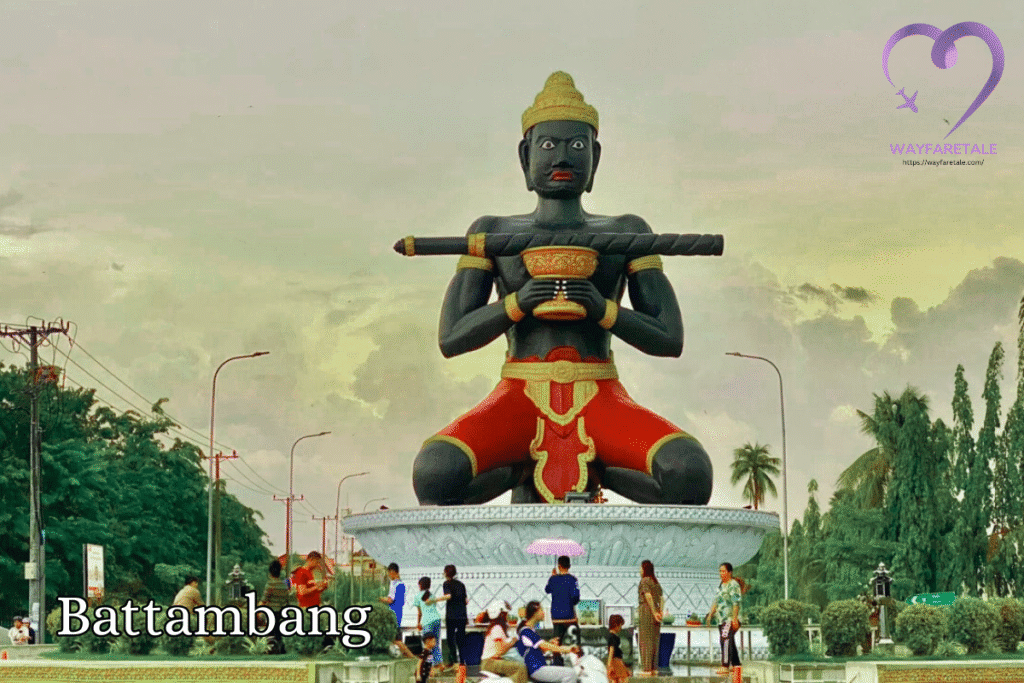
Day 3: Siem Reap to Battambang via Floating Villages and Countryside
- Distance covered: 180 km
- Total drive time: 4 hours (including stops)
- Route: Siem Reap → Kompong Phluk → Battambang
- Overnight in: Battambang
Leaving Siem Reap, this drive showcases Cambodia’s incredible rural beauty while introducing you to traditional village life. The journey to Battambang includes a fascinating detour to Kompong Phluk floating village – one of Cambodia’s most authentic water communities.
Kompong Phluk Floating Village
Experience Traditional Water Community Life Unlike the more touristy Chong Kneas floating village, Kompong Phluk offers genuine cultural immersion. During dry season, houses stand on tall stilts above dried earth. In wet season, the entire community floats on lake waters, with boats replacing walking as primary transportation.
I spent 2 hours here, taking a traditional boat tour through the village and into the flooded forest. The experience provides incredible insights into sustainable living and the intimate relationship between Cambodians and the Tonle Sap ecosystem.
TIMING TIP: Visit during mid-morning (9-11 AM) when village life is most active. Fishermen return with their catch, children play around the houses, and daily community activities are in full swing.
The Drive to Battambang
The road from Kompong Phluk to Battambang passes through quintessential Cambodian countryside. Rice paddies stretch to the horizon, traditional wooden houses dot the landscape, and life moves at a gentler pace. This drive perfectly demonstrates why road trips are ideal for experiencing authentic Cambodia.
Stop at roadside stalls for fresh coconut water and observe rural life unfolding – water buffalo grazing, farmers working the fields, and children waving enthusiastically at passing vehicles.
Battambang Evening Exploration
Arrive in Battambang by late afternoon, giving time to explore this charming riverside city before sunset. Battambang perfectly preserves French colonial architecture while maintaining authentic Cambodian character.
Walk the Colonial Quarter Battambang’s colonial buildings create Southeast Asia’s most intact French architecture collection outside Vietnam. The governor’s residence, train station, and riverside shophouses transport you to 1920s Indochina.
Sunset at Wat Banan Temple If energy permits, drive 25km to Wat Banan temple for spectacular sunset views over the Cambodian countryside. This 11th-century temple complex sits atop a hill, providing panoramic vistas and peaceful atmosphere away from city bustle.
Where to Stay in Battambang
I stayed at Maisons Wat Kor, an extraordinary collection of restored traditional Khmer wooden houses turned into boutique accommodation. Each house represents authentic 1920s Cambodian architecture while providing modern amenities. The property sits along the Sangkae River, offering tranquil gardens and genuine cultural immersion.
The breakfast features excellent local dishes alongside Western options, and the staff provides invaluable local insights for exploring Battambang’s hidden gems.
Book Maisons Wat Kor through Booking.com
Day 4: Battambang to Phnom Penh via Udong and Countryside Temples
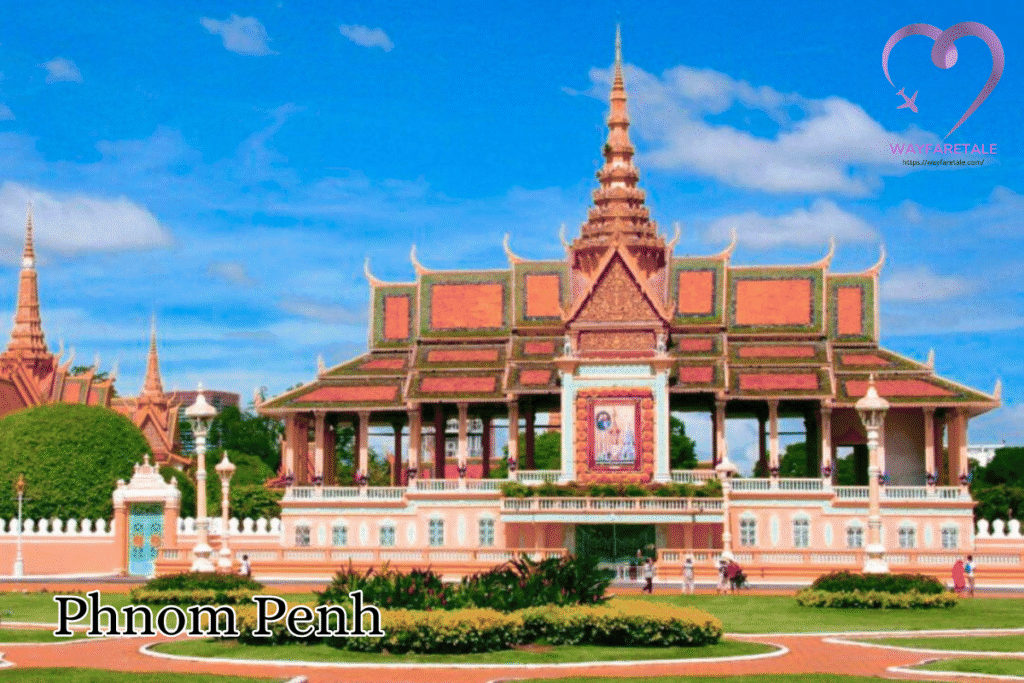
- Distance covered: 290 km
- Total drive time: 5-6 hours (including stops)
- Route: Battambang → Udong → Phnom Penh
- Overnight in: Phnom Penh
This longest driving day of the itinerary takes you from provincial Cambodia into the bustling capital. The route includes fascinating historical stops and showcases Cambodia’s diverse landscapes – from rice paddies to small market towns to urban sprawl.
EARLY START RECOMMENDATION: Leave Battambang by 7 AM to avoid afternoon heat and arrive in Phnom Penh with daylight remaining for city orientation.
Udong – Former Capital Discovery
Explore Cambodia’s 17th-19th Century Royal Capital Udong served as Cambodia’s capital before Phnom Penh, and its hilltop location provides both historical significance and spectacular views. The site features multiple temple ruins, stupas containing royal remains, and peaceful monastery complexes.
The climb to the main temple area takes 20-30 minutes up stone steps. The panoramic views over the Cambodian countryside make the effort worthwhile, and you’ll often have the site largely to yourself – a stark contrast to Angkor’s crowds.
CULTURAL TIP: Dress respectfully (cover shoulders and knees) and remove shoes when entering active temple buildings. Monks are often friendly and may practice English conversation if approached respectfully.
The Drive to Phnom Penh
The highway from Udong to Phnom Penh represents modern Cambodia – smooth roads, roadside restaurants, and glimpses of the country’s economic development. As you approach the capital, traffic increases and urban energy becomes palpable.
DRIVING TIP: Phnom Penh traffic can be overwhelming for first-time visitors. Stay calm, drive defensively, and remember that organized chaos has its own logic. Motorbikes will surround you, but they’re generally very skilled at avoiding collisions.
Day 5: Phnom Penh Exploration and Drive to Kampot
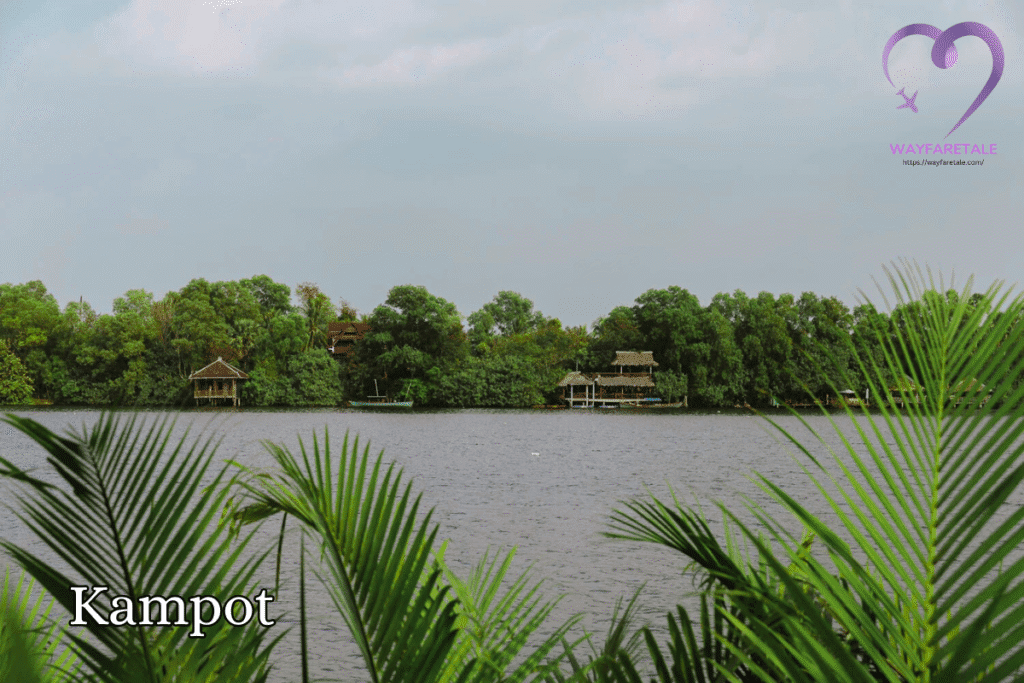
- Distance covered: 150 km (city exploration + drive to Kampot)
- Total drive time: 3 hours (2 hours city, 2.5 hours to Kampot)
- Overnight in: Kampot
Phnom Penh deserves extended exploration, but this condensed day provides essential experiences while positioning you for coastal adventures ahead. The morning covers historical and cultural highlights, followed by an scenic afternoon drive to the charming riverside town of Kampot.
Essential Phnom Penh Experiences
Royal Palace and Silver Pagoda Cambodia’s royal compound showcases traditional Khmer architecture at its finest. The Silver Pagoda, named for its 5,000 silver floor tiles, houses precious Buddha statues and royal treasures. The adjacent Royal Palace (viewable from outside only) represents Cambodia’s continuing monarchy.
Arrive early (8 AM opening) to avoid crowds and heat. The complex requires 2-3 hours for thorough exploration. Audio guides provide valuable historical context often missing from basic signage.
Tuol Sleng Genocide Museum (S-21) This former high school turned prison during the Khmer Rouge era provides sobering insight into Cambodia’s tragic 1975-1979 period. The museum preserves cells, torture instruments, and victim photographs as powerful testimony to human resilience and the importance of historical memory.
Plan 90 minutes here. The experience is emotionally challenging but essential for understanding modern Cambodia. Many visitors find this more impactful than the more distant Killing Fields site.
Central Market and Riverside Promenade The Art Deco Central Market offers Cambodia’s best shopping for authentic handicrafts, jewelry, and textiles. The nearby riverside promenade provides pleasant walking with river views and excellent people-watching opportunities.
The Drive to Kampot
Leaving Phnom Penh, the landscape transitions from urban sprawl to rural countryside and finally to the foothills of Bokor National Park. This scenic drive passes through traditional villages, rice paddies, and pepper plantations that make Kampot famous throughout Southeast Asia.
The final stretch winds through dramatic karst formations – limestone peaks jutting dramatically from flat countryside, creating one of Cambodia’s most photogenic landscapes.
Day 6: Kampot to Kep and Coastal Exploration
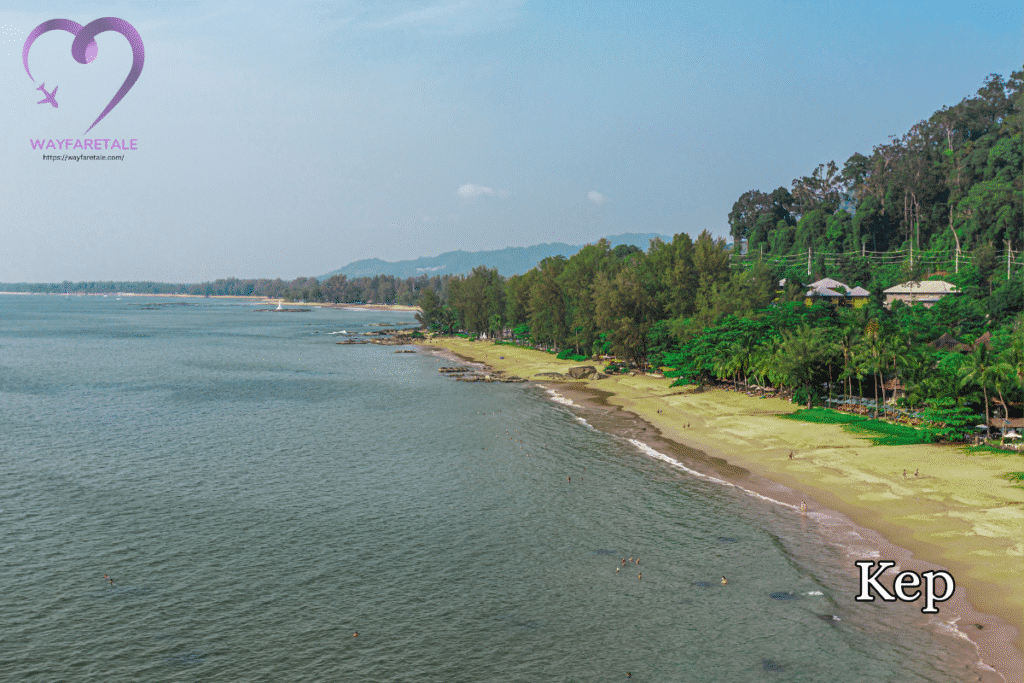
- Distance covered: 80 km
- Total drive time: 2.5 hours (including stops)
- Route: Kampot → Secret Lake → Kep → Rabbit Island day trip
- Overnight in: Kep
This day combines mountain scenery, colonial history, and pristine beaches. The short drive allows maximum time for diverse activities – from exploring abandoned hill stations to lounging on tropical islands.
Secret Lake (Bokor Mountain)
Discover Cambodia’s Abandoned French Hill Station The drive up Bokor Mountain reveals Cambodia’s most mysterious attraction – an abandoned French colonial resort town. The 1920s casino, hotel, and church sit empty on the mountainside, slowly being reclaimed by jungle vegetation.
Secret Lake itself is a serene mountain pond surrounded by cloud forest. The combination of historical ruins and natural beauty creates an otherworldly atmosphere perfect for photography and contemplation.
DRIVING CHALLENGE: The mountain road includes steep switchbacks and occasional rough patches. The journey takes 90 minutes each way, but the dramatic scenery makes every minute worthwhile.
Kampot Town Exploration
Experience Cambodia’s Most Charming Riverside Town Kampot perfectly balances colonial architecture, river life, and artistic creativity. The town has become a haven for expat artists, creative entrepreneurs, and travelers seeking authentic Cambodian experiences away from tourist crowds.
Explore the old quarter’s shophouses, many converted into galleries, cafes, and boutique hotels. The evening riverside scene includes floating restaurants, sunset bars, and night markets selling Kampot’s famous pepper and other local specialties.
Kep and Crab Market
Sample Cambodia’s Premier Seafood Destination Kep developed as a seaside retreat for Cambodia’s elite during the 1960s. While many villas were destroyed during subsequent conflicts, the town retains its relaxed coastal atmosphere and reputation for outstanding seafood.
The Crab Market offers the freshest blue swimmer crabs in Cambodia, prepared with Kampot green peppercorns in coconut curry or simple salt and pepper preparations. Even non-seafood lovers will find fresh fish, vegetables, and fruit options.
Rabbit Island Day Trip
Escape to Paradise Island A 20-minute boat ride from Kep pier takes you to Rabbit Island (Koh Tonsay) – a pristine tropical paradise with white sand beaches, crystal-clear water, and virtually no development beyond basic bungalows and restaurants.
Spend 4-5 hours here swimming, snorkeling, beach walking, or simply relaxing in a hammock with fresh coconut water. The island epitomizes tropical perfection while remaining completely uncommercial.
BOAT TIP: Arrange return transportation when arriving – boats don’t run on fixed schedules. Most operators charge $25-30 per person for round-trip transportation.
Where to Stay in Kep
I stayed at Knai Bang Chatt, a stunning beachfront boutique resort that exemplifies contemporary Cambodian design. The property features modernist architecture, art-filled interiors, direct beach access, and world-class dining.
Each villa offers ocean views, private terraces, and sophisticated amenities while maintaining intimate, non-resort atmosphere. The infinity pool and spa provide perfect relaxation after active exploration days.
Book Knai Bang Chatt through Booking.com
Day 7: Return to Phnom Penh via Takeo Province Temples
- Distance covered: 200 km
- Total drive time: 4-5 hours (including temple stops)
- Route: Kep → Phnom Chisor → Ta Prohm of Bati → Phnom Penh
- Final night: Phnom Penh (near airport)
The final day provides a perfect conclusion to your Cambodia road trip, combining ancient temple exploration with scenic countryside driving. These less-visited temples offer peaceful alternatives to Angkor’s crowds while showcasing different periods of Khmer architecture.
Phnom Chisor Temple
Climb to 11th Century Hilltop Temple Complex Phnom Chisor sits dramatically atop an isolated hill, requiring a 20-minute climb up ancient stone steps. The temple complex rewards the effort with spectacular 360-degree views over the Cambodian countryside and well-preserved Angkorian architecture.
Unlike Angkor’s crowds, you’ll likely share this magnificent site with only a few other visitors. The peaceful atmosphere allows for contemplative appreciation of Khmer architectural mastery and spiritual significance.
TIMING TIP: Visit early morning (8-10 AM) to avoid midday heat and enjoy the best lighting for photography.
Ta Prohm of Bati
Experience Active Temple Life This 12th-century temple complex remains an active religious site where local communities conduct daily prayers and festivals. The temple’s integration with contemporary Cambodian spiritual life provides fascinating cultural insights unavailable at purely archaeological sites.
The nearby artificial lake and modern pagoda create a pleasant park-like setting perfect for picnic lunches and observing local family outings – especially popular on weekends.
Final Drive to Phnom Penh
Return to Cambodia’s capital through rural landscapes that now feel familiar after a week of countryside exploration. The approaching city skyline marks the end of your adventure, but the memories and understanding of Cambodia will last forever.
Where to Stay Near Phnom Penh Airport
For your final night, I recommend Plantation Urban Resort in Phnom Penh – a tranquil oasis that provides perfect transition from road trip adventure to international departure. The boutique property features lush gardens, comfortable rooms, and easy airport access while maintaining the intimate atmosphere that characterizes the best Cambodian accommodations.
Book Plantation Urban Resort through Booking.com
What I Skipped and What I Would Suggest Skipping
Sihanoukville: Once Cambodia’s premier beach destination, this coastal city has been overdeveloped with Chinese casinos and lost much of its original charm. Kep and the southern islands provide far better coastal experiences.
Chong Kneas Floating Village: This heavily touristed floating village near Siem Reap feels artificial compared to authentic communities like Kompong Phluk. The experience is rushed and commercialized.
Killing Fields (Choeung Ek): While historically significant, the site requires significant time investment and can be emotionally overwhelming. For limited timeframes, Tuol Sleng provides sufficient historical context in a more manageable format.
Preah Vihear Temple: This spectacular clifftop temple on the Thai border requires a full day detour and 4WD vehicle access. Save it for a return visit when you have more time.
Ratanakiri and Mondulkiri Provinces: These remote northeastern provinces offer incredible ethnic diversity and natural beauty but require additional weeks to explore properly. They’re better suited for dedicated adventure travel rather than first-time overview trips.
Tonle Sap Lake Cruises: Most organized lake tours are overcrowded and don’t provide meaningful cultural interaction. The floating village visit included in this itinerary offers more authentic experiences.
Additional Cambodia Travel Tips
Health and Safety Considerations
Cambodia is generally very safe for travelers, but standard precautions apply. Tap water isn’t potable – stick to bottled or properly filtered water. Street food is generally safe if it’s hot and freshly prepared, but be cautious with raw vegetables and ice in rural areas.
Malaria risk exists in border areas and rural regions, though major tourist destinations are typically safe. Consult a travel medicine specialist before departure for current recommendations.
Traffic accidents pose the highest safety risk. Always wear helmets when on motorbikes, drive defensively, and avoid night driving on rural roads.
Cultural Sensitivity Guidelines
Cambodia is predominantly Buddhist with strong traditional values. Dress conservatively when visiting temples – cover shoulders, knees, and remove shoes when entering sacred buildings. Public displays of affection should be minimal, especially in rural areas.
The Khmer Rouge period (1975-1979) remains sensitive for many Cambodians. Approach historical discussions with respect and avoid making comparisons to other countries’ experiences.
Tipping isn’t mandatory but is increasingly appreciated, especially in tourist areas. 10% at restaurants and $1-2 per day for guides or drivers is appropriate.
Photography Etiquette
Always ask permission before photographing people, especially in rural areas and religious sites. Many locals are happy to pose but appreciate being asked first. Some monks prefer not to be photographed with women.
Drone regulations in Cambodia are relatively relaxed, but avoid flying over military areas, government buildings, or active temple ceremonies. The spectacular aerial perspectives are worth the equipment investment for serious photographers.
Money and Banking
US dollars are widely accepted alongside Cambodian riel. Small denomination bills ($1, $5, $10) are most useful. ATMs are abundant in major cities but less common in rural areas – carry sufficient cash when heading to remote regions.
Credit cards work in upscale hotels and restaurants but cash remains king for local businesses, street food, and transportation.
Communication and Internet
WiFi is available in virtually all accommodations and many restaurants. Local SIM cards provide excellent value for data and local calls. Smart and Cellcard are the major providers with good coverage throughout the country.
Learning basic Khmer phrases enhances interactions significantly. “Chomreab suor” (hello), “orkun” (thank you), and “somtoh” (excuse me) go a long way toward building connections with locals.
Cambodia Travel Resources
Planning your Cambodia road trip? Here are the essential booking resources I personally use and recommend:
Transportation and Accommodation
- Find the BEST FLIGHTS to Cambodia using Skyscanner or Kayak – both offer flexible date searches and price alerts for budget-conscious travelers
- Rent vehicles at COMPETITIVE RATES through Cambodia Car Rental or Tuk Tuk Rental for local expertise and better insurance coverage
- Book your PERFECT ACCOMMODATION on Booking.com or Agoda (often better rates for Southeast Asian properties)
- Secure COMPREHENSIVE TRAVEL INSURANCE through World Nomads or SafetyWing – ensure coverage includes motorbike riding if applicable
Tours and Activities
- Purchase ANGKOR TEMPLE PASSES in advance through official channels to skip ticket office lines
- Book GUIDED EXPERIENCES through GetYourGuide or Viator for skip-the-line access and cultural insights
- Find LOCAL TOURS and cooking classes through your accommodation – often better value and more authentic than international operators
Practical Resources
- Download offline maps through Maps.Me – essential for rural areas with limited internet connectivity
- Currency exchange works best with US dollars – bring clean, newer bills for best exchange rates
- Health preparations should include consultation with travel medicine specialists 4-6 weeks before departure
Final Thoughts on Cambodia Road Tripping
Cambodia exceeded every expectation I had before my first visit. The country’s incredible diversity – from world-class archaeological sites to pristine beaches, from bustling cities to timeless rural communities – creates unforgettable road trip experiences that rival anywhere in Southeast Asia.
The warmth and resilience of Cambodian people make every interaction memorable. Their pride in sharing their culture, history, and natural beauty with visitors transforms a simple road trip into genuine cultural immersion.
This one-week itinerary provides an excellent foundation for understanding Cambodia’s complexity and beauty. Many travelers find themselves planning return visits before they’ve even completed their first trip – Cambodia has that effect on people.
The roads will challenge you, the history will move you, the landscapes will inspire you, and the people will welcome you. Cambodia road tripping offers everything adventurous travelers seek: authentic experiences, incredible value, stunning scenery, and memories that last forever.
Whether you’re drawn by ancient temples, pristine beaches, fascinating history, or simply the adventure of exploring one of Southeast Asia’s most authentic destinations, Cambodia will exceed your expectations. Pack your sense of adventure, bring your curiosity, and prepare for one of the world’s great road trip experiences.