
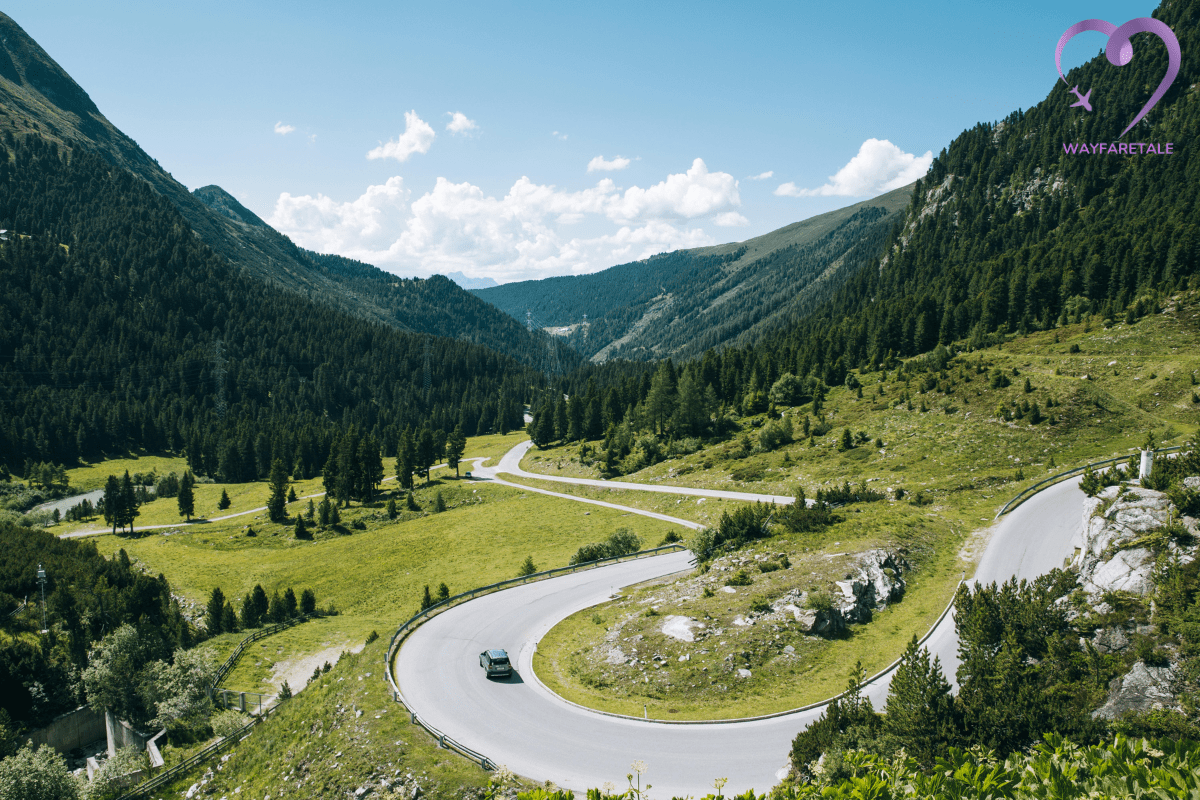
Austria Road Trip: The Ultimate One Week Austria Itinerary!
Austria is a dream destination for a European road trip. This detailed one-week Austria itinerary covers the best places in the country that you can visit in 7 days, with options to extend to 10 days if you have more time.
Austria is a compact Alpine country with an astonishing variety of landscapes and experiences packed into its borders! Scenic mountain roads wind through fairytale villages, pristine alpine lakes, imperial cities, and dramatic mountain passes. Therefore, embarking on an Austria road trip is undoubtedly the best way to explore this magnificent country.
With your own wheels, you’ll be able to explore Austria’s highlights conveniently and at your own pace. While major cities like Vienna and Salzburg are well-connected by train, many of the country’s most breathtaking Alpine villages, mountain passes, and hidden gems are only accessible by car.
Based on my experience exploring Austria over multiple visits, I’ve put together this comprehensive one-week Austria road trip itinerary covering Vienna’s imperial grandeur, Salzburg’s baroque beauty, the stunning Salzkammergut lake region, the Austrian Alps, and charming Tyrolean villages. It also indicates distances traveled, provides practical tips, and suggests the best places to stay throughout your journey.
Essential Travel Planning Resources
- Car rental tip 1: Discovercars is my go-to for finding the best car rental deals in Austria. This comparison site searches across major rental companies and can save you up to 70% on rental rates. They also offer reasonably priced full insurance coverage.
- Car rental tip 2: For pickup at Vienna or Salzburg airports, check Rentalcars.com which offers excellent rates with local and international providers. Austrian rental companies are reliable and vehicles are typically well-maintained.
- Stay: I book all my accommodation in Austria through Booking.com for the best selection and flexible cancellation policies.
- Travel Insurance: Get reliable coverage with Heymondo or SafetyWing (the most budget-friendly option on the market).
- Tours: Check the best guided tours and experiences on Viator and GetYourGuide.
Summary of My Austria Road Trip Route
- Day 1-2: Vienna – Imperial palaces, historic center, and coffeehouse culture
- Day 3: Wachau Valley – Melk Abbey, Dürnstein, and Danube River scenery
- Day 4: Salzburg – Mozart’s birthplace, Hohensalzburg Fortress, and Sound of Music locations
- Day 5: Hallstatt and Salzkammergut Lakes – Austria’s most photographed village
- Day 6: Grossglockner High Alpine Road – Epic mountain drive through Hohe Tauern National Park
- Day 7: Innsbruck and Return – Tyrolean capital and Alpine scenery
If I had 10 Days in Austria, my itinerary would add: Day 8 exploring the Ötztal Alps or Stubai Valley, Day 9 in the scenic Zillertal Valley, and Day 10 visiting Graz or extending time in the Salzkammergut region.
Perfect One Week Route: Vienna → Wachau Valley → Salzburg → Hallstatt → Grossglockner → Innsbruck
Austria Road Trip Planning Tips

Renting a Car in Austria
Major international car rental companies operate at Vienna International Airport (VIE), Salzburg Airport (SZG), and Innsbruck Airport (INN). I highly recommend using Discovercars or Rentalcars.com to compare rates – these aggregator sites typically offer better prices than booking directly.
Important notes:
- An international driving permit is recommended but not always required for tourists from EU countries, the US, Canada, Australia, and New Zealand
- Consider adding a second driver if you’re sharing driving duties
- Winter tires are mandatory from November 1st to April 15th (rental companies provide these automatically)
- Vignette (highway toll sticker) is usually included by rental companies – verify this!
Driving in Austria
Driving in Austria is an absolute pleasure. The country boasts some of Europe’s best-maintained roads, spectacular scenery at every turn, and generally courteous drivers. Austrian roads are well-signposted, and even mountain roads are in excellent condition.
Key driving tips:
- Highway vignette: Austria requires a vignette (Vignette) for highway use. The 10-day vignette costs around €9.90 and can be purchased at border crossings, gas stations, and post offices. Most rental cars include this.
- Speed limits: 130 km/h on highways (Autobahn), 100 km/h on rural roads, 50 km/h in towns
- Mountain passes: Take it slow on Alpine roads, especially the Grossglockner. Hairpin turns require careful navigation, but the roads are wide and well-maintained compared to many other European mountain roads.
- Parking: In city centers, use parking garages (Parkhaus). Street parking requires payment via machines (Parkscheinautomat) – keep coins handy!
- Fuel: Petrol stations are plentiful. Diesel is typically cheaper than petrol (around €1.50-1.70/liter as of 2024).
Where to Stay During Your Austria Road Trip
Throughout my Austria road trip, I prioritized booking apartments or guesthouses (Pension) over hotels. This approach offers better value, more authentic experiences, and the convenience of having kitchen facilities – perfect for storing snacks and drinks, especially useful when traveling with family.
When booking accommodation in Austria with a rental car, always verify parking availability. Austrian cities have limited street parking, so private parking or a garage is essential.
Booking tips:
- Use Booking.com for the widest selection and best Genius discounts (10-30% off for returning customers)
- Always check cancellation policies – I prioritize flexible cancellation options
- Book mountain accommodations early, especially during peak season (July-August, Christmas-New Year)
- Consider Airbnb for longer stays or family-friendly apartments
Quick Summary of Recommended Stays:
- Vienna – Stay in the 7th District (Neubau) or near Naschmarkt for easy access – 2 nights
- Wachau Valley – Stay in Krems or Dürnstein – 1 night (optional)
- Salzburg – Stay in the Altstadt (Old Town) or nearby Elisabeth-Vorstadt – 2 nights
- Hallstatt/Salzkammergut – Stay in Hallstatt, Obertraun, or Gosau – 1 night
- Grossglockner area – Stay in Heiligenblut, Zell am See, or Lienz – 1 night
- Innsbruck – Stay near the Altstadt or in nearby villages – 1 night
I’ll provide specific accommodation recommendations with each day’s itinerary below.
What to Expect in Austria?
Austria delivers an incredible diversity of experiences. You’ll be enchanted by Vienna’s imperial palaces and world-class museums, charmed by Salzburg’s baroque architecture and musical heritage, mesmerized by Hallstatt’s fairytale beauty reflected in crystalline alpine waters, and exhilarated by the dramatic mountain scenery of the Grossglockner High Alpine Road.
You’ll savor the world’s best apple strudel in traditional coffeehouses, hear Mozart’s music in the city of his birth, hike through alpine meadows dotted with wildflowers, and discover that Austria’s natural beauty rivals its cultural treasures. The country’s compact size means you can experience both imperial grandeur and alpine wilderness in a single week.
Austrians are warm, hospitable, and take immense pride in their traditions. Don’t be surprised when locals greet you with “Grüß Gott!” (God greet you) – this is the standard greeting, especially in rural areas.
How Many Days Do You Need in Austria?
Based on my experience, one week is perfect for hitting Austria’s absolute highlights without feeling too rushed. This gives you enough time to explore Vienna, Salzburg, the Salzkammergut region, and the Alpine roads while maintaining a comfortable pace.
For a shorter trip: If you only have 4-5 days, focus on Vienna (2 days), Salzburg (1 day), and Hallstatt (1 day).
For 10 days or more: Add the Wachau Valley, spend more time in Innsbruck and the Tyrol, visit Graz, or explore additional Salzkammergut lakes like Wolfgangsee and Mondsee.
This itinerary assumes you’re flying into Vienna and out of Innsbruck (or Munich), but it’s easily adaptable for a round-trip from either city.
When to Visit Austria?
Austria is stunning year-round, but the best time depends on your priorities:
Late Spring to Early Fall (May-September) – Peak season for road trips:
- June and September are ideal – pleasant weather, fewer crowds, and lower prices than July-August
- July-August – Warmest weather, perfect for Alpine hikes but expect crowds and higher accommodation costs
- All mountain roads and passes are fully open
- Outdoor cafés, beer gardens, and lake swimming at their best
Winter (December-March):
- Perfect for Christmas markets (late November-December) and skiing
- Vienna and Salzburg are magical with Christmas decorations
- Some mountain passes like Grossglockner are closed (typically November-April)
- Consider a winter-focused itinerary with Vienna, Salzburg, and ski resorts
Shoulder Season (April-May, October):
- Fewer tourists, lower prices, beautiful autumn colors
- Some Alpine roads may still be closed in April
- October offers wine harvest season in Wachau Valley
For this road trip itinerary, I recommend late May through September when all roads are open and weather is most reliable.
Budget for Your Austria Road Trip
Austria is more expensive than Eastern European countries but still reasonable compared to Switzerland or Scandinavia. Here’s a realistic breakdown of daily costs:
- Accommodation: €60-100/night for a nice apartment or guesthouse; €40-70 for budget options
- Food: €35-60/day per person (€12-20 for lunch, €20-35 for dinner, plus snacks and coffee)
- Car Rental: €25-50/day for a compact car booked in advance (more in peak season)
- Fuel: €1.60-1.70/liter for diesel, €1.70-1.85 for petrol (2024 prices)
- Parking: €15-30/day in cities, often free or cheap in smaller towns
- Attractions: €10-20 per person per major site (palaces, museums, cable cars)
- Grossglockner High Alpine Road: €38 per car (valid for the day)
Estimated total per person for one week: €800-1,200 (mid-range), €500-700 (budget), €1,500+ (luxury)
Money-saving tips:
- Eat lunch at Gasthofs (traditional inns) for better value than dinner
- Shop at supermarkets (Billa, Spar, Hofer) for picnic supplies
- Book accommodation with kitchen facilities
- Visit free attractions like churches, parks, and viewpoints
- Get the Salzburg Card if spending 2+ days there
Austria One Week Road Trip Itinerary Day by Day
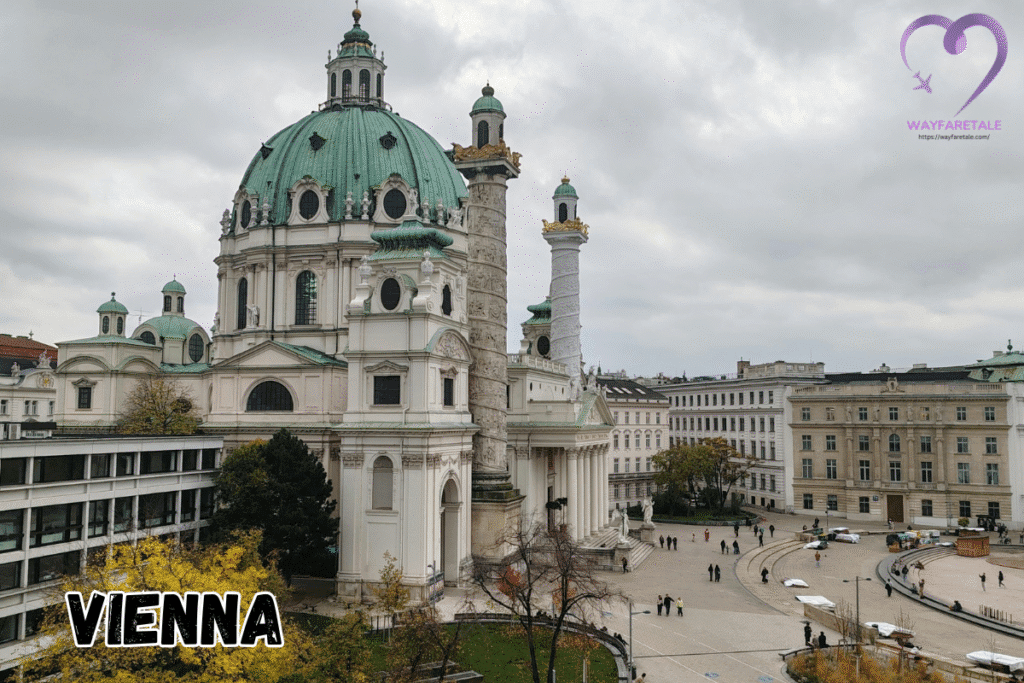
Day 1-2: Vienna – Imperial Splendor and Coffeehouse Culture
- Distance covered: Minimal (exploring on foot)
- Total drive time: 30 minutes from airport to city center
- Overnight in: Vienna (2 consecutive nights)
Vienna, Austria’s elegant capital, deserves at least two full days to experience its imperial grandeur, world-class museums, and legendary coffeehouse culture. After landing at Vienna International Airport, pick up your rental car and drive to your accommodation. However, I strongly recommend leaving your car parked during your Vienna stay – the city’s public transport is excellent, and driving in the city center is unnecessary and expensive for parking.
Things to Do in Vienna
DAY 1: Imperial Vienna
- Explore Schönbrunn Palace
Start your Austrian adventure at the magnificent summer residence of the Habsburgs. This UNESCO World Heritage Site features 1,441 rooms (40 are open to visitors), spectacular baroque gardens, and the Gloriette offering panoramic city views.
USEFUL TIP: Arrive right at opening time (8:00 AM in summer, 8:30 AM in winter) to beat the tour groups. Book tickets online in advance to skip ticket lines. The Grand Tour ticket (40 rooms) is worth it. Budget 3-4 hours for the palace and gardens.
Don’t miss walking through the palace gardens to the Gloriette – the uphill walk takes about 15 minutes but rewards you with stunning views back to the palace and across Vienna. The café at the Gloriette is perfect for a mid-morning break.
- Stroll through the Historic City Center (Innere Stadt)
Vienna’s historic center is a UNESCO World Heritage Site and remarkably compact. Wander the elegant streets connecting St. Stephen’s Cathedral (Stephansdom), the Hofburg Palace, and the State Opera House.
Must-sees in the center:
- St. Stephen’s Cathedral – Climb the 343 steps of the South Tower for incredible views (€6). Come early to avoid crowds.
- Hofburg Palace – The winter residence of the Habsburgs. Visit the Imperial Apartments, Sisi Museum, and Imperial Silver Collection.
- Graben and Kärntner Strasse – Vienna’s main shopping streets with beautiful architecture
PARKING TIP: If you drove into the center, use a parking garage like Parkgarage am Hof or Kärntner Ring Garage (€4-5/hour). Street parking in the 1st district is expensive and time-limited.
- Experience Viennese Coffeehouse Culture
No visit to Vienna is complete without spending time in a traditional Kaffeehaus. These aren’t just places to drink coffee – they’re institutions where Viennese have socialized, read newspapers, and debated ideas for centuries.
My favorite traditional coffeehouses:
- Café Central – Stunning architecture, once frequented by Freud and Trotsky (can be touristy, go early)
- Café Hawelka – Authentic atmosphere, beloved by locals
- Café Sperl – Unchanged since 1880, perfect Viennese charm
- Demel – Famous for pastries, especially Sachertorte
Order a Wiener Melange (similar to cappuccino) and apple strudel (Apfelstrudel) or Sachertorte. Take your time – it’s expected that you linger.
DAY 2: Art, Culture, and Naschmarkt
- Visit the Kunsthistorisches Museum
One of the world’s finest art museums, housing an incredible collection including works by Bruegel, Vermeer, Raphael, and Caravaggio. The building itself is a work of art with its stunning dome and marble interiors.
TIP: Visit Tuesday or Wednesday mornings for smaller crowds. Budget 2-3 hours minimum. The museum café under the dome is perfect for a break.
- Explore the MuseumsQuartier
One of the world’s largest cultural complexes, the MuseumsQuartier houses multiple museums in former imperial stables. Even if you don’t visit museums, the courtyards are wonderful for people-watching.
Must-visits:
- Leopold Museum – World’s largest Egon Schiele collection and Austrian art
- MUMOK – Modern and contemporary art
- The outdoor courtyards with colorful seating areas
- Shop and Eat at Naschmarkt
Vienna’s most popular market stretches for 1.5 kilometers and has been operating since the 16th century. You’ll find fresh produce, international foods, spices, olives, cheeses, and excellent casual eateries.
FOOD TIP: Have lunch at one of the market stands – try Wiener Schnitzel, Käsekrainer (cheese-filled sausage), or international cuisine. The Saturday flea market is excellent for vintage finds.
- Belvedere Palace and Gardens
If you have time, visit this stunning baroque palace complex with its beautiful terraced gardens. The Upper Belvedere houses an impressive art collection including Gustav Klimt’s famous “The Kiss.”
TIP: The gardens are free and offer perfect photo opportunities. Late afternoon light is magical here.
- Evening at Prater and Giant Ferris Wheel
End your Vienna stay at the historic Prater amusement park. Ride the iconic Riesenrad (Giant Ferris Wheel) built in 1897 for sunset views over Vienna (€13.50). The wheel appears in the classic film “The Third Man.”
The Prater grounds are free to wander, and the nostalgic atmosphere is delightful. Grab dinner at one of the traditional beer gardens or food stands.
Where to Stay in Vienna
I recommend staying in the 7th District (Neubau) – trendy, convenient, and more affordable than the 1st District. It’s walking distance to museums, has excellent restaurants, and great public transport connections.
Alternative areas:
- 6th District (Mariahilf) – Near Naschmarkt, hip cafés and shops
- 4th District (Wieden) – Quiet, residential, good value
- 1st District (Innere Stadt) – Most expensive but you’re in the heart of everything
Accommodation tip: Look for apartments near U-Bahn (metro) stations Museumsquartier, Volkstheater, or Kettenbrückengasse. Book through Booking.com for best selection.
Expect to pay €70-120/night for a nice apartment. Hotels start around €100-150/night for mid-range options.
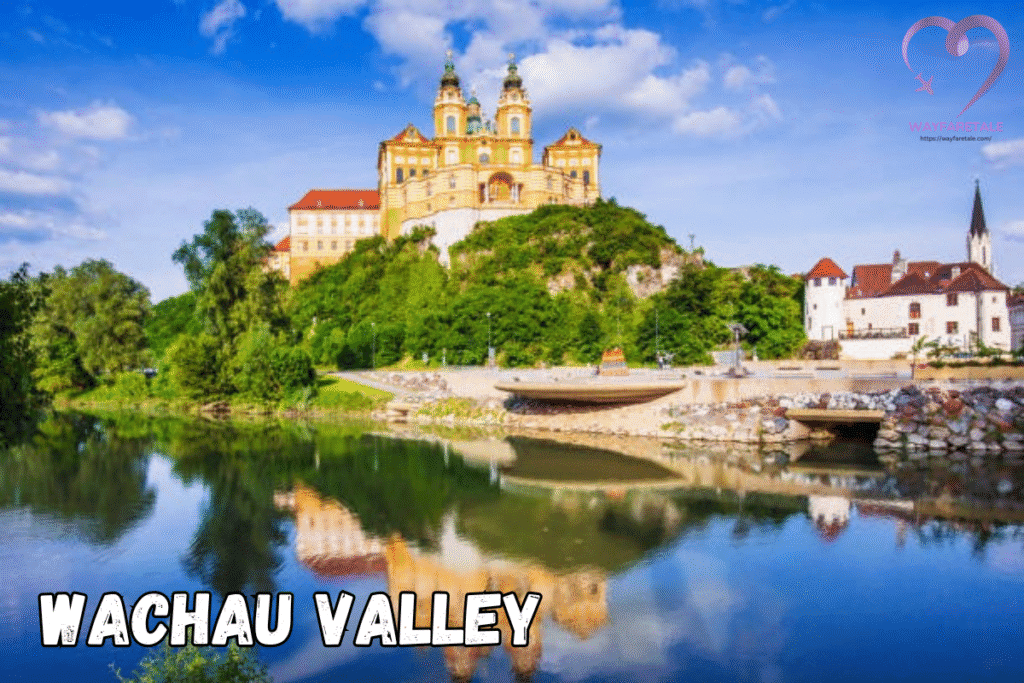
Day 3: Wachau Valley – Melk Abbey, Dürnstein, and Danube River Scenery
- Distance covered: 150 km (round trip from Vienna) or 90 km (one-way to Salzburg via Wachau)
- Total drive time: 3-4 hours (including stops)
- Overnight in: Krems, Dürnstein (if staying overnight) or continue to Salzburg
Leave Vienna early and drive west along the Danube River into the enchanting Wachau Valley – a UNESCO World Heritage Site known for vineyards, apricot orchards, medieval castles, and charming villages.
MELK ABBEY (STIFT MELK)
Your first stop is the magnificent Melk Abbey, one of Europe’s most impressive baroque monasteries perched dramatically on a cliff overlooking the Danube.
Founded in 1089, the abbey we see today was rebuilt in baroque style in the early 18th century. The ornate library with 100,000 volumes, the marble hall, and the church with ceiling frescoes are absolutely breathtaking.
USEFUL TIP: Arrive at opening time (9 AM April-October, 9:30 AM November-March) to explore before tour buses arrive. Entry costs €13.50. The abbey terrace offers spectacular Danube Valley views – perfect for photos. Budget 1.5-2 hours for your visit.
The abbey has a restaurant and café, but I recommend continuing to Dürnstein for lunch.
WACHAU VALLEY SCENIC DRIVE
From Melk, drive along the B33 road hugging the Danube River through the heart of the Wachau Valley. This 36-kilometer stretch from Melk to Krems is one of Austria’s most scenic drives.
What makes this drive special:
- Terraced vineyards cascading down hillsides
- Medieval castles and ruins crowning hilltops
- Charming villages with colorful buildings
- The Danube River winding through the valley
- Apricot orchards (spectacular in spring blossom)
DRIVING TIP: Take your time – the road winds through villages with 50 km/h speed limits. Stop frequently for photos. The best viewpoints are just before and after villages.
DÜRNSTEIN
Twenty kilometers from Melk, you’ll reach the jewel of the Wachau Valley – the picturesque village of Dürnstein. This postcard-perfect town with its blue and white church tower is arguably the most beautiful spot in the valley.
Things to do in Dürnstein:
- Wander the medieval streets – The car-free old town is tiny but incredibly charming with colorful buildings, flower boxes, and cobblestone lanes.
- Climb to Dürnstein Castle ruins – A steep 20-minute hike up the hill rewards you with panoramic views of the Danube Valley and surrounding vineyards. This is where Richard the Lionheart was imprisoned in 1192-1193. Free entry, always accessible.
- Visit the blue Stiftskirche – The baroque church with its distinctive blue tower is Dürnstein’s landmark. The interior is ornate and beautiful.
- Wine tasting – The Wachau is famous for white wines, especially Grüner Veltliner and Riesling. Stop at a Heuriger (wine tavern) for tasting. Try Weingut Rainer Wess or Domäne Wachau.
- Try Wachauer Marille – Wachau apricots are legendary. Sample apricot jam, schnapps, or fresh apricots in season (July-August).
LUNCH TIP: Have lunch at Loibnerhof restaurant with Danube views, or grab a picnic from a local bakery and eat by the river.
PARKING TIP: Park in the designated parking area just outside the old town (€2-3 for a few hours). The old town itself is pedestrian-only.
KREMS AN DER DONAU
If you have time, continue to Krems, the larger town at the eastern end of the Wachau Valley. Krems has a beautiful old town, several museums, and is less touristy than Dürnstein.
Highlights include the historic town center, Steiner Tor (city gate), and excellent wine shops if you want to buy bottles to take home.
Route Decision Point
From the Wachau Valley, you have two options:
Option 1: Return to Vienna for the night (about 1.5 hours), then drive to Salzburg the next morning.
Option 2: Continue directly to Salzburg (about 2.5 hours from Krems via A1 highway). This is what I recommend to save time and make the most of your week.
Option 3: Stay overnight in the Wachau Valley (Dürnstein or Krems) for a relaxed evening with wine tasting, then drive to Salzburg the next morning. This works best if you have 8+ days.
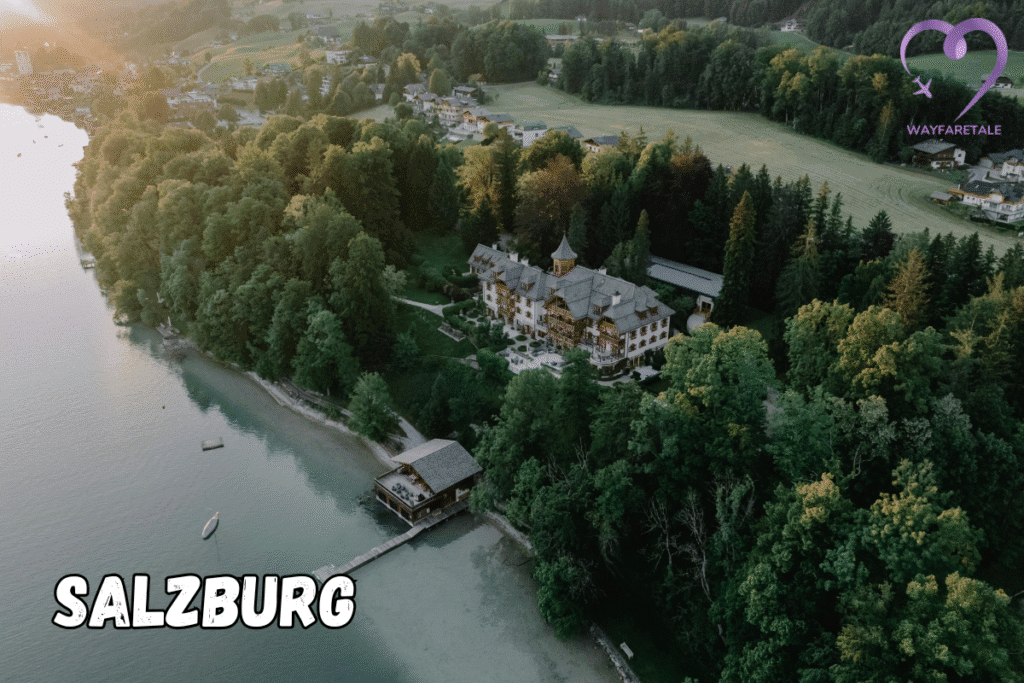
Day 4: Salzburg – Mozart’s Birthplace and Sound of Music Magic
- Distance covered: 150 km from Wachau Valley (or 300 km from Vienna)
- Total drive time: 2.5 hours from Krems, 3 hours from Vienna
- Overnight in: Salzburg (2 consecutive nights recommended)
Salzburg is pure magic. This baroque jewel nestled beneath the Alps is where Mozart was born, where “The Sound of Music” was filmed, and where every corner looks like a movie set. The city deserves at least a full day, though two days would be even better.
Drive into Salzburg in the morning and head straight to your accommodation. Like Vienna, I strongly recommend parking your car and exploring Salzburg entirely on foot – the Altstadt (Old Town) is compact and pedestrian-friendly.
Things to Do in Salzburg
Morning: Hohensalzburg Fortress
Start your day at Europe’s largest fully-preserved medieval fortress, dramatically perched 120 meters above the city. Built in 1077, this imposing fortress has never been successfully conquered.
USEFUL TIP: Take the funicular railway (Festungsbahn) up to avoid the steep 20-minute climb (€13.30 includes fortress entry, or €9.50 funicular only). Arrive right at 9 AM opening time to beat the crowds and enjoy the best light for photography.
The fortress offers spectacular 360-degree views of Salzburg’s spires, the Salzach River, and the surrounding Alps. Inside, explore the state rooms, medieval torture chamber, fortress museum, and the Rainer Regiment Museum.
Budget 1.5-2 hours for the fortress. The panoramic terrace is perfect for photos – you’ll get those iconic shots of Salzburg’s Old Town with mountains in the background.
PHOTO TIP: The best views are from the fortress’s western terrace, especially in morning light when the sun illuminates the Old Town’s baroque facades.
Late Morning: Salzburg’s Altstadt (Old Town)
After descending from the fortress, lose yourself in the narrow medieval lanes of Salzburg’s UNESCO-listed Old Town. The streets are so charming you’ll want to photograph everything.
Must-sees:
- Getreidegasse – Salzburg’s most famous shopping street with wrought-iron guild signs hanging above boutiques and cafés. Every building is Instagram-worthy.
- Mozart’s Birthplace (Mozarts Geburtshaus) – The yellow house at Getreidegasse 9 where Wolfgang Amadeus Mozart was born in 1756. The museum displays his childhood violin, letters, and portraits (€12 entry). Even if you skip the museum, the exterior is worth photographing.
- Salzburg Cathedral (Salzburger Dom) – This stunning baroque cathedral is where Mozart was baptized. The white marble interior with its dome is breathtaking. Entry is free, though donations are appreciated. Try to visit when organ music is playing – the acoustics are phenomenal.
- Residenzplatz – The city’s main square with an impressive baroque fountain. Street performers and horse-drawn carriages add to the atmosphere. The Residenz Palace (former archbishop’s residence) on the square is worth visiting if you have time.
- St. Peter’s Abbey and Cemetery – Founded in 696 AD, this is one of the oldest monasteries in the German-speaking world. The cemetery (Petersfriedhof) with its ivy-covered walls and ornate wrought-iron gates is hauntingly beautiful and featured in “The Sound of Music.” Free to enter.
LUNCH TIP: Try traditional Austrian cuisine at Stiftskeller St. Peter (Europe’s oldest restaurant, dating from 803 AD) or grab a quick bite at Balkan Grill for the best Bosna sausage in Salzburg (€4-5, locals’ favorite).
Afternoon: Mirabell Palace and Gardens
Cross the Salzach River via the Makartsteg (Love Lock Bridge) to reach Mirabell Palace and its stunning baroque gardens.
The gardens are free and absolutely gorgeous – manicured flower beds, fountains, marble statues, and picture-perfect views of Hohensalzburg Fortress. This is where the “Do-Re-Mi” scene from “The Sound of Music” was filmed. You can recreate the famous scene at the Pegasus Fountain and the steps where the von Trapp children sang.
PHOTO TIP: Position yourself at the far end of the gardens for the classic shot with Hohensalzburg Fortress in the background. Late afternoon light (4-6 PM) is magical here.
The Mirabell Palace itself can be visited – the stunning Marble Hall where Mozart performed as a child is free to enter (ground floor). It’s one of the world’s most beautiful wedding venues.
Optional Sound of Music Locations
Salzburg is synonymous with the beloved 1965 film. If you’re a fan, you can visit several filming locations on your own:
- Nonnberg Abbey – Where Maria was a novice (15-minute walk uphill from Old Town)
- Leopoldskron Palace – The von Trapp family home exterior (private property, but you can photograph from the lake path)
- Hellbrunn Palace – The glass gazebo from “Sixteen Going on Seventeen” scene
Alternatively, join a Sound of Music Tour (half-day, around €50) that covers all filming locations including those outside the city. Book through GetYourGuide or Panorama Tours.
Evening: Dinner and Classical Music
Salzburg comes alive in the evening. Dine at one of the traditional restaurants in the Old Town, then catch a classical concert if possible.
Dinner recommendations:
- Zum Zirkelwirt – Traditional Austrian gasthaus with excellent Wiener Schnitzel
- Augustiner Bräu – Historic beer hall and monastery brewery (established 1621) where locals gather. Grab a massive beer stein and traditional dishes. Authentic Salzburg experience!
- Triangel – Modern Austrian cuisine in a cozy setting
Concert tip: Salzburg offers classical concerts almost nightly in various historic venues (Mirabell Palace, Fortress, Mozart Residence). Tickets range from €30-60. Book online in advance or check availability at tourist information.
Alternative evening: Climb to Kapuzinerberg hill across the river for sunset views over Salzburg (30-minute walk up, free).
Where to Stay in Salzburg
Best areas:
- Altstadt (Old Town) – Right Bank: Most atmospheric but priciest (€120-200/night)
- New Town – Left Bank (Elisabeth-Vorstadt): Close to Mirabell Gardens, more affordable (€70-120/night)
- Near train station: Budget-friendly, 15-minute walk to center (€50-90/night)
PARKING TIP: Street parking is difficult and expensive. Look for accommodations with parking, or use park-and-ride facilities outside the center. Parkhaus Altstadt garage charges about €24/day.
I stayed in a guesthouse in Elisabeth-Vorstadt, a charming residential area a 10-minute walk from Mirabell Gardens. Perfect location with easy street parking.
Accommodation recommendation: Book through Booking.com. Look for guesthouses (Pension) or apartments near Mirabellplatz or Makartplatz for the best combination of location and value.
Day 5: Hallstatt and Salzkammergut Lakes – Austria’s Most Beautiful Village
- Distance covered: 75 km from Salzburg to Hallstatt
- Total drive time: 1 hour 15 minutes
- Overnight in: Hallstatt, Obertraun, or Gosau
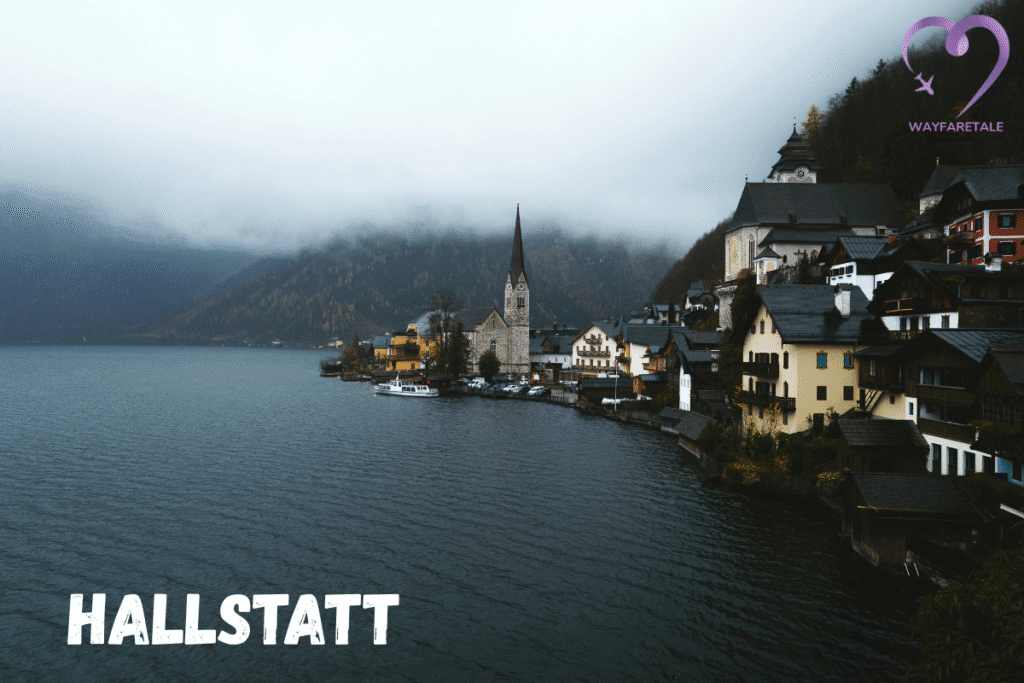
This might be the highlight of your entire Austria road trip. The Salzkammergut lake region is breathtakingly beautiful, and Hallstatt is the jewel in its crown.
Leave Salzburg after breakfast and drive southeast through stunning Alpine scenery. The route via Bad Ischl takes you through traditional Austrian villages and past several beautiful lakes.
HALLSTATT – The World’s Most Beautiful Village
Hallstatt is that place you’ve seen a thousand times on Instagram – the impossibly picturesque lakeside village with colorful houses reflected in crystal-clear water, backed by towering Alps. And yes, it really does look like that.
This UNESCO World Heritage Site has been inhabited for over 7,000 years due to its ancient salt mines (Hallstatt literally means “salt town”). Today, it’s Austria’s most photographed location, and for good reason.
CRITICAL TIMING TIP: Hallstatt is MOBBED during the day, especially 10 AM – 4 PM when day-trippers and tour buses descend. I cannot stress this enough – arrive early (before 8 AM) or late afternoon (after 4 PM) for a magical, relatively peaceful experience. Better yet, stay overnight.
I arrived at 7 AM and had the village virtually to myself for two hours. By 10 AM, it was packed. The difference is dramatic.
Things to Do in Hallstatt:
- The Classic Hallstatt Viewpoint
The most famous view of Hallstatt is from the north end of the village. Walk along the lakeside promenade until you reach the viewpoint platform near Seestraße. This is where you get that perfect postcard shot of the church spire, colorful houses, and mountain reflections.
PHOTO TIP: Morning light (7-9 AM) is best when the sun illuminates the village while it’s still in shadow. The water is usually calmest in early morning for perfect reflections. Use a polarizing filter if you have one.
- Wander the Village Streets
Hallstatt’s charm lies in its tiny lanes squeezed between the mountains and the lake. Explore the narrow passageways, discover hidden courtyards, photograph the geranium-filled window boxes, and simply soak up the fairytale atmosphere.
The village is tiny – you can walk from end to end in 10 minutes. But plan to linger, taking photos, sitting by the lake, and enjoying the scenery.
- Visit Hallstatt Skywalk and Salt Mine
Take the funicular (€17 return) up to the Salzwelten (Salt Mine) and Skywalk viewing platform 350 meters above the village. The views from up here are absolutely spectacular – you’ll see Hallstatt from above, Lake Hallstatt, and the surrounding Dachstein mountains.
The salt mine tour (€38 including funicular) takes 70 minutes and includes a ride on wooden slides (yes, really!) and a boat ride across an underground salt lake. It’s fascinating and fun, though the tour is only in German and English.
TIP: You can just take the funicular for the view without doing the mine tour. The Skywalk platform is free with the funicular ticket.
- Relax by the Lake
One of the simplest pleasures in Hallstatt is just sitting by the crystal-clear lake. The water is an incredible turquoise-green color and so clear you can see the bottom. Find a bench, have a coffee, watch the swans glide by, and breathe in the mountain air.
Swimming is possible in summer (June-August) – the water is cold but refreshing. There are several small swimming areas along the lake.
- Visit the Bone House (Beinhaus)
This might sound macabre, but Hallstatt’s charnel house is a unique cultural site. Due to limited burial space in this mountain village, after 10-15 years, bones were exhumed and decorated with floral patterns and the deceased’s name. Over 1,200 skulls are displayed in this small chapel. Entry costs €2.
LUNCH TIP: Have lunch at Restaurant im Seehotel Grüner Baum (lakeside terrace, amazing views) or Bräugasthof Lobisser (traditional Austrian food, more affordable). Book ahead in summer.
PARKING IN HALLSTATT: This is tricky. The village has very limited parking, and you cannot drive into the village center.
Options:
- P1 Parking Lahn (north entrance) – €10/day, 10-minute walk to village center. This is where I parked.
- P2 Parking (south entrance) – €6/day, closer to village center
- Stay overnight at accommodation with parking included
Parking fills up by 9-10 AM in summer. Arrive early or late afternoon.
OBERTRAUN AND DACHSTEIN
If you have time and energy, drive 5 km south to Obertraun. This quiet lakeside village offers the same stunning scenery without the crowds. From here, you can take the cable car up to Dachstein mountain.
Dachstein Ice Cave and 5 Fingers viewing platform (cable car €36 return) – The ice cave is extraordinary with massive frozen formations. The “5 Fingers” viewing platform juts out over the cliff 400 meters above the valley – not for those afraid of heights! Budget 3-4 hours for this excursion.
Only do this if you’re staying overnight in the area, as it’s too much to combine with Hallstatt in one day.
GOSAU AND GOSAUSEE
Another stunning option is driving 20 minutes west to Gosausee, a mountain lake with views of the Dachstein glacier. The 30-minute easy walk around the lake offers incredible Alpine scenery and is much quieter than Hallstatt.
TIP: Come here in late afternoon after visiting Hallstatt in the morning. Parking costs €7/day.
Where to Stay in the Salzkammergut Region
Staying overnight in this region is highly recommended to experience Hallstatt without the crowds.
Options:
- Hallstatt village – Most expensive (€150-300/night) but you’ll have the village to yourself in early morning and evening. Book months in advance!
- Obertraun – 5 km from Hallstatt, quieter, more affordable (€80-150/night), excellent lakeside accommodations
- Gosau – Beautiful mountain village, cheapest option (€60-100/night), 20 minutes from Hallstatt
- Bad Ischl – Larger town, 30 minutes from Hallstatt, good for facilities and restaurants (€70-120/night)
I stayed in Obertraun at a lakeside guesthouse with parking included (€95/night). Perfect location – I could drive to Hallstatt in 7 minutes for sunrise photography, then return to a peaceful setting.
Booking tip: Reserve accommodation in this region as early as possible, especially for July-August. Book through Booking.com for the best selection.
Day 6: Grossglockner High Alpine Road – Austria’s Most Spectacular Drive
- Distance covered: 180-220 km (depending on route and accommodation choices)
- Total drive time: 4-5 hours (including the Grossglockner route)
- Recommended route: Hallstatt → Bischofshofen → Grossglockner High Alpine Road → Heiligenblut or Zell am See
- Overnight in: Heiligenblut, Zell am See, or Lienz
This is the day you’ve been waiting for – driving one of the world’s most spectacular mountain roads. The Grossglockner High Alpine Road (Grossglockner Hochalpenstrasse) is 48 kilometers of pure Alpine magnificence, with 36 hairpin turns climbing to 2,571 meters elevation.
IMPORTANT: The road is typically open from early May to late October/early November, weather permitting. Check the official website (grossglockner.at) before your trip. Snow can close the road even in summer at higher elevations.
Leave Hallstatt early to make the most of this epic day. The drive to the Grossglockner entrance takes about 1.5 hours via Bischofshofen.
GROSSGLOCKNER HIGH ALPINE ROAD
This engineering marvel, completed in 1935, winds through Hohe Tauern National Park – Austria’s largest nature reserve. The road connects the states of Salzburg and Carinthia while offering access to Austria’s highest mountain, Grossglockner (3,798 meters), and the Pasterze Glacier.
Road toll: €38 per car for a day ticket (2024 prices). You pay at the entrance gate. Motorcycles €28, camper vans €44. Keep your ticket – you’ll need it if you exit and re-enter.
DRIVING TIPS:
- Start early (before 10 AM) for the best weather, clearer views, and fewer tour buses
- Drive slowly and enjoy – this isn’t about speed, it’s about the scenery
- Pull over at designated viewpoints to let faster traffic pass
- Bring warm clothes – it can be cold at higher elevations even in summer
- Fill up your fuel tank before entering – no gas stations on the road
- Allow 3-4 hours minimum for the drive with stops
The Route Breakdown
Entrance to Fuscher Törl (2,428m)
Enter the Grossglockner road from either Fusch (north, Salzburg side) or Heiligenblut (south, Carinthia side). I recommend starting from the Fusch entrance for the best progression of views.
The first section takes you through lush alpine meadows dotted with traditional mountain huts. In summer, these meadows explode with wildflowers – it’s absolutely magical. You’ll start encountering the famous hairpin bends with spectacular valley views.
Must-stop viewpoints on the way up:
- Fuscher Lacke – Small mountain lake with reflections
- Hochmais viewpoint – First really dramatic mountain panoramas
- Fuscher Törl – The highest point on the main road
PHOTO TIP: The numbered hairpin bends make great photo subjects. Stop at bends 5, 8, and 12 for classic road shots winding through the mountains.
Kaiser-Franz-Josefs-Höhe Side Trip
From Fuscher Törl, take the 9-kilometer side road (Gletscherstrasse) to Kaiser-Franz-Josefs-Höhe – this is the absolute highlight and you CANNOT miss it.
This stunning viewpoint at 2,369 meters offers face-to-face views of Grossglockner peak and the Pasterze Glacier, Austria’s longest glacier (though sadly retreating due to climate change).
What to do at Kaiser-Franz-Josefs-Höhe:
- Marvel at the view – The glacier stretches below you, and Grossglockner towers above. It’s one of the most dramatic mountain views I’ve ever witnessed. On clear days, the panorama is absolutely breathtaking.
- Visit the visitor center – Free exhibitions about the national park, Alpine ecology, and climate change. Clean restrooms and a good restaurant.
- Hike to the glacier – A moderately steep trail leads down to the glacier edge (30-40 minutes one way, 300-meter descent). The trail is well-maintained but requires good fitness. Seeing the glacier up close is incredible, but remember you have to hike back up!
- Shorter walks – Several easier panoramic trails around the viewing platform take 15-30 minutes.
TIP: Spend at least 1.5-2 hours here. Have lunch at the self-service restaurant (reasonably priced for a tourist spot) while enjoying million-dollar views through the panoramic windows.
WEATHER WARNING: Even in summer, temperatures can be near freezing at this elevation, and weather changes rapidly. I experienced sunshine, clouds, and even light snow within an hour in July! Bring layers, a windproof jacket, and sunscreen (UV radiation is intense at this altitude).
Continuing on the Main Road
After returning to the main route, continue south through more spectacular Alpine scenery. The section between Fuscher Törl and Hochtor tunnel is particularly dramatic with steep cliffs and sweeping views.
Stop at:
- Edelweißspitze – Austria’s highest paved mountain road at 2,571m (side detour, 2 km). The 360-degree panoramic view from the top encompasses over 30 peaks above 3,000 meters. Absolutely worth the detour!
- Hochtor – The highest point of the through road (2,504m)
Southern Descent to Heiligenblut
The descent on the Carinthian side offers different but equally stunning scenery. The road winds down through 12 more hairpin bends toward the picturesque village of Heiligenblut.
HEILIGENBLUT VILLAGE
This postcard-perfect Alpine village sits at the base of Grossglockner and deserves a stop even if you’re not staying overnight. The iconic Gothic church with its needle-thin spire, backed by snow-capped mountains, is one of Austria’s most photographed scenes.
What to do in Heiligenblut:
- Walk to the church for photos with Grossglockner backdrop
- Wander the charming village streets
- Have coffee with a view at one of the cafés
- If staying overnight, take a cable car ride for sunset views (Schareck lift)
PARKING: Free parking in the village center.
Route Options After Grossglockner
You have several options depending on your accommodation and next-day plans:
Option 1: Stay in Heiligenblut (charming, right at the mountain, quieter) and drive to Innsbruck the next morning (3.5 hours).
Option 2: Drive to Zell am See (1 hour from Heiligenblut) – beautiful lake town, more facilities and restaurants, 2.5 hours to Innsbruck.
Option 3: Drive to Lienz (1.5 hours from Heiligenblut) – historic Tyrolean town, 2.5 hours to Innsbruck via scenic route.
I chose to stay in Heiligenblut for the authentic mountain village experience and proximity to Grossglockner for possible morning photos if weather improves.
Where to Stay Near Grossglockner
Heiligenblut:
- Best for mountain atmosphere and Grossglockner proximity
- Limited but good accommodation options (€70-130/night)
- Book early in summer
- Excellent traditional restaurants
Zell am See:
- Beautiful lakeside resort town
- More hotels, restaurants, and activities
- Great if you want swimming, lake activities, or nightlife
- €80-150/night for good accommodation
Lienz:
- Charming historic town in the Dolomites region
- Good restaurants and facilities
- Less touristy than Zell am See
- €70-120/night
I stayed at a traditional guesthouse in Heiligenblut (€95/night, breakfast included) with Grossglockner views from my balcony. The family-run hospitality was wonderful, and the dinner at their restaurant featured excellent Tyrolean cuisine.
FOOD TIP: Wherever you stay, try traditional Alpine dishes like Kasnocken (cheese dumplings), Tiroler Gröstl (fried potatoes with meat), or fresh trout. The region is famous for hearty mountain food.
Day 7: Innsbruck – Tyrolean Capital and Alpine Splendor
- Distance covered: 180-230 km (depending on starting point)
- Total drive time: 2.5-3.5 hours to Innsbruck
- Route options: Heiligenblut → Lienz → Brenner Pass → Innsbruck OR Zell am See → Kitzbühel → Innsbruck
- Overnight in: Innsbruck or return journey
Your final full day takes you to Innsbruck, the capital of Tyrol, dramatically nestled in the Alps. If you’re flying out from Innsbruck or Munich, this makes a perfect final stop. If returning to Vienna, you’ll have a 4-hour drive ahead, so adjust your timing accordingly.
SCENIC ROUTE TO INNSBRUCK
The drive itself is spectacular. If coming from Heiligenblut, the route via Lienz and the Brenner Pass offers dramatic mountain scenery. From Zell am See, the route via Kitzbühel passes through quintessential Tyrolean landscape.
Optional stop – Kitzbühel: If time permits and you’re taking the northern route, stop in Kitzbühel, one of the Alps’ most famous ski resorts. Even in summer, the town is charming with its colorful Tyrolean buildings and luxury boutiques. It’s pricey but worth a quick walk through the medieval town center.
Things to Do in Innsbruck
Innsbruck perfectly combines urban sophistication with Alpine wilderness. Mountains rise directly from the city edge – you can be hiking in serious Alpine terrain within 20 minutes of the city center.
Morning: Old Town (Altstadt)
Park your car (parking garages in the center cost €2-3/hour) and explore Innsbruck’s compact, beautiful old town on foot.
Must-sees:
- Golden Roof (Goldenes Dachl) – Innsbruck’s most famous landmark. This ornate Gothic balcony covered with 2,657 gilded copper tiles was built in 1500 for Emperor Maximilian I. It’s stunning but small – essentially just a decorated balcony. The square around it is perfect for people-watching.
- Maria-Theresien-Strasse – The main street leading from the old town offers that iconic Innsbruck view: the Baroque buildings framing the Nordkette mountain range. The contrast between ornate architecture and rugged peaks is quintessentially Tyrolean. This view adorns countless postcards.
- Imperial Palace (Hofburg) – Former Habsburg palace with magnificent rococo state rooms (€12 entry). Worth visiting if you love imperial history.
- Court Church (Hofkirche) – Famous for the empty tomb of Emperor Maximilian I surrounded by 28 larger-than-life bronze statues of his ancestors and heroes. It’s quite impressive and slightly eerie (€8 entry).
- Dom St. Jakob – Beautiful baroque cathedral with ceiling frescoes and the famous painting “Mary of Succour.”
COFFEE BREAK: Stop at Café Sacher Innsbruck for a slice of Sachertorte or at Café Central for traditional Tyrolean apple strudel. Sit outside and watch the street performers in Maria-Theresien-Strasse.
Afternoon: Nordkette Cable Car
This is Innsbruck’s signature experience – in just 20 minutes, you’ll travel from the city center (560m) to the Hafelekar peak (2,300m) with panoramic Alpine views.
The journey involves:
- Funicular from Congress station to Hungerburg (designed by Zaha Hadid)
- Cable car to Seegrube (1,905m) – already stunning views
- Final cable car to Hafelekar (2,300m) – mind-blowing 360-degree panorama
Cost: €36.50 return to Hafelekar (or €31 return to Seegrube only)
TIP: Go on a clear day – check webcams online before purchasing tickets. At the top, several hiking trails offer different difficulty levels. Even a 20-minute easy walk along the ridge provides incredible views. In summer, you might see ibex (Alpine goats) near the summit.
Bring warm clothes – it’s windy and cool at the top even in summer. There’s a restaurant at Seegrube if you want lunch with a view.
Alternative afternoon activity – Ambras Castle: If you prefer cultural sights over mountains, visit Schloss Ambras, a beautiful Renaissance castle south of the city center with impressive collections and gardens (€14 entry, allow 2 hours).
Evening in Innsbruck
If you have time, explore the Bergisel Ski Jump with its futuristic tower (take the funicular up for sunset views), or simply relax at one of the riverside cafés along the Inn River.
DINNER RECOMMENDATION:
- Die Wilderin – Modern Austrian cuisine with local ingredients
- Gasthaus Anich – Traditional Tyrolean food, very authentic
- Lichtblick – Rooftop restaurant with city views
Departure Options
Flying out of Innsbruck: The airport is tiny and only 4 km from the city center (10 minutes drive). Return your rental car at the airport before your flight.
Flying out of Munich: Drive 2 hours north to Munich Airport. Consider stopping in charming Bavarian towns like Garmisch-Partenkirchen or Mittenwald along the way.
Returning to Vienna: It’s a 4-hour drive on the A12/A1 highways. Leave early to avoid arriving too late.
Extending your trip: With extra days, explore the Ötztal Valley, Stubai Valley, or continue to the Arlberg region and Vorarlberg.
Where to Stay in Innsbruck
Best areas:
- Altstadt (Old Town): Most atmospheric, easy walking to everything (€100-180/night)
- Near train station: Budget-friendly, good transport connections (€60-100/night)
- Hungerburg: Hillside neighborhood above the city, quiet with mountain views (€80-150/night)
PARKING TIP: If staying overnight, choose accommodation with parking included or use hotel parking. Street parking in the center is expensive and time-limited. Some hotels offer discounted parking garage rates.
Many travelers choose to skip staying in Innsbruck and drive directly to Munich or their departure point, using Innsbruck as a day stop only. This works if you’re on a tight schedule, but staying overnight lets you enjoy the city’s evening atmosphere and mountain views.
What I Skipped and What I Would Suggest Skipping
Based on my experience, here’s what I chose to skip and why:
Eisriesenwelt Ice Caves (near Salzburg): While impressive, they require a 2-3 hour excursion including a steep hike. If you’re doing the Dachstein Ice Cave, skip this one to avoid repetition.
St. Wolfgang and Wolfgangsee: Beautiful lake town but very touristy. Hallstatt offers similar scenery with more charm (though also touristy).
Graz: Austria’s second-largest city is lovely but requires a full day detour south from Vienna. Only worthwhile if you have 10+ days.
Sölden/Ischgl: Famous ski resorts that are somewhat lifeless in summer unless you’re specifically interested in glacier skiing or mountain biking.
Vienna’s Naschmarkt on non-market days: Come on Saturday for the flea market, or skip it if you’re there on other days when it’s less lively.
Final Tips for Your Austria Road Trip
Money-Saving Tips
- Shop at supermarkets (Billa, Spar, Hofer/Aldi) for breakfast and lunch supplies
- Lunch specials (Mittagsmenü) at restaurants are much cheaper than dinner
- Free drinking water from fountains in Vienna and Salzburg
- Many churches and viewpoints are free
- Fill up fuel before mountain areas where it’s more expensive
What to Pack
- Layers – Weather changes quickly in mountains
- Comfortable walking shoes – You’ll walk a lot
- Rain jacket – Mountain weather is unpredictable
- Sunscreen and sunglasses – Essential in Alpine areas
- Swimwear – For lakes in summer
- Power adapter – European Type C/F plugs
- Reusable water bottle – Tap water is excellent throughout Austria
Best Apps for Your Trip
- Google Maps – Works perfectly in Austria, download offline maps
- ÖBB (Austrian Railways) – Useful even when driving, shows distances and routes
- Bergfells – For hiking trails and mountain hut information
- Grossglockner official app – Real-time road conditions and webcams
- Parker – Find parking in Austrian cities
Language Tips
Germans is the official language, but English is widely spoken in tourist areas. Useful phrases:
- Grüß Gott – Hello (common greeting in Austria)
- Danke – Thank you
- Bitte – Please / You’re welcome
- Entschuldigung – Excuse me
- Rechnung, bitte – Check, please
Food You Must Try
- Wiener Schnitzel – Breaded veal cutlet, Austria’s national dish
- Apfelstrudel – Apple strudel, best served warm with vanilla sauce
- Sachertorte – Rich chocolate cake with apricot jam
- Kaiserschmarrn – Shredded pancake with plum compote (a Tyrolean specialty)
- Kasnocken – Cheese dumplings from the Alpine regions
- Tafelspitz – Boiled beef in broth, Emperor Franz Josef’s favorite
- Mozartkugel – Chocolate confection from Salzburg
Cultural Notes
- Austrians value punctuality and politeness
- Always greet shopkeepers when entering and leaving (Grüß Gott / Auf Wiedersehen)
- Tipping is customary – round up or add 10% at restaurants
- Sunday is quiet day – most shops closed (grocery stores at train stations stay open)
- Dress codes: Austrians tend to dress more formally than Americans, especially in Vienna
Alternative Austria Road Trip Routes
The Alpine Route (7-10 days)
Vienna → Grossglockner → Lienz → Dolomites → Innsbruck → Zugspitze → Salzburg → Vienna
The Lakes & Mountains Route (5-7 days)
Salzburg → Salzkammergut (Hallstatt, Wolfgang see, Attersee) → Innsbruck → Munich
The Eastern Austria Route (5-7 days)
Vienna → Wachau Valley → Salzburg → Graz → Vienna
Conclusion
Austria delivers everything a road trip should be: dramatic scenery, cultural treasures, charming villages, excellent roads, and unforgettable experiences. From Vienna’s imperial grandeur to Hallstatt’s lakeside beauty to the Grossglockner’s Alpine majesty, this one-week itinerary captures Austria’s essence.
The country’s compact size means you can experience incredible diversity without spending entire days driving. Every turn reveals another postcard view, every village invites exploration, and the combination of culture and nature is simply perfect.
Whether you’re sipping coffee in a Viennese palace, climbing to Salzburg’s fortress, photographing Hallstatt at sunrise, or navigating hairpin bends on Austria’s highest road, you’ll understand why this country consistently ranks among Europe’s most beautiful destinations.
Start planning your Austria road trip today – you won’t regret it!
More Austria Travel Resources
Planning your Austria trip? Here are additional resources:
- Find the BEST FLIGHTS to Vienna, Salzburg, or Innsbruck using Skyscanner or Kiwi.com
- Rent a car at the best rates with Discovercars or Rentalcars.com
- Book accommodation on Booking.com or Airbnb for apartments
- Get travel insurance from SafetyWing or Heymondo
- Book tours on GetYourGuide or Viator
- Visit austria.info for official tourism information
YOU MAY ALSO LIKE:
- Driving the Romantic Road in Germany
- Switzerland Road Trip Itinerary
- Dolomites Road Trip Guide
- Slovenia and Croatia Combined Itinerary
Have you been to Austria? Share your favorite experiences in the comments below! And if you found this Austria itinerary helpful, please share it with fellow travelers planning their Austrian adventure!