
Cordoba in One Day: The Perfect Itinerary for Spain’s Moorish Jewel!
Cordoba is a captivating Andalusian city that deserves a prime spot on any Spanish itinerary. This detailed one-day Cordoba itinerary covers the essential highlights you can realistically explore in a single day while soaking up the city’s incredible Moorish heritage.
Cordoba is a relatively compact city with an extraordinarily rich history! Medieval lanes wind through the enchanting Jewish Quarter, the magnificent Mezquita rises with breathtaking beauty, and charming patios overflow with colorful flowers at every turn. Therefore, exploring Cordoba on foot is by far the best way to discover this former capital of Islamic Spain.
With comfortable walking shoes and a well-planned route, you will be able to experience the best of Cordoba efficiently. Although some attractions can get crowded during peak hours, arriving early or late allows you to enjoy the city’s magic with fewer tourists around.
Based on my experience visiting this wonderful city, I put together this comprehensive one-day Cordoba itinerary covering the historic center, the famous Mezquita-Cathedral, the enchanting Jewish Quarter, and the atmospheric riverside areas. It also provides practical tips, suggests the best times to visit each attraction, and recommends where to eat authentic Cordoban cuisine.
Quick Planning Tips:
- Accommodation tip: Book your stay on Booking.com for the best selection of hotels, apartments, and guesthouses in Cordoba’s historic center.
- Skip-the-line tickets: Purchase your Mezquita-Cathedral tickets in advance on GetYourGuide or Viator to avoid the notoriously long queues (trust me, this saves hours!).
- Travel Insurance: Purchase reliable travel insurance at Heymondo or SafetyWing (this one is the cheapest on the market).
- Guided tours: Check the best walking tours and experiences in Cordoba on Viator or GetYourGuide.
Summary of My One-Day Cordoba Route
- Early Morning (7:00-9:00 AM): Mezquita-Cathedral at opening time
- Mid-Morning (9:00-11:00 AM): Jewish Quarter (Judería), Synagogue, and Calleja de las Flores
- Late Morning (11:00 AM-12:30 PM): Alcázar de los Reyes Cristianos and gardens
- Lunch (12:30-2:00 PM): Traditional Cordoban lunch at a local taberna
- Afternoon (2:00-4:00 PM): Roman Bridge, Torre de la Calahorra, and riverside walk
- Late Afternoon (4:00-6:00 PM): Patio de los Naranjos, shopping for souvenirs, exploring hidden patios
- Evening (6:00 PM onwards): Sunset from the Roman Bridge, tapas dinner in the historic center
If I had just half a day in Cordoba, my itinerary would include the Mezquita-Cathedral, a quick walk through the Jewish Quarter, and the Roman Bridge.
If I had two days in Cordoba, my itinerary would add Medina Azahara (the ruined palace-city), more patio visits, the Palacio de Viana, and possibly a day trip to nearby Carmona or the castle towns.
Cordoba Travel Planning Tips
Getting to Cordoba
Cordoba is exceptionally well-connected by Spain’s high-speed AVE train network. The journey from Madrid takes only 1 hour 45 minutes, while Seville is just 45 minutes away. From the Cordoba train station, it’s a pleasant 20-minute walk or a quick €7-8 taxi ride to the historic center.
If you’re driving, parking near the historic center can be challenging. I recommend parking at one of the public parking garages on the periphery of the old town (Parking Mezquita or Parking Alcázar) and exploring on foot from there.
Walking in Cordoba
Walking is absolutely the ideal way to explore beautiful Cordoba. The historic center is wonderfully compact, with all major attractions within easy walking distance of each other. No need to mention, you will be able to discover hidden corners and charming patios that you’d miss otherwise.
Moreover, Cordoba’s historic center is so concentrated that distances between places of interest are remarkably short. The only catch when walking in Cordoba is the heat during summer months. This makes exploring slower and more exhausting than expected, especially between 12 PM and 5 PM when temperatures can exceed 40°C (104°F). Luckily, the narrow streets of the Jewish Quarter provide plenty of shade.
Another thing to consider when visiting Cordoba is that many streets in the old town are pedestrian-only with uneven cobblestones. Therefore, comfortable walking shoes are absolutely essential. This could be challenging for those with mobility issues, but the main attractions are accessible.
Where to Stay in Cordoba
On every trip, including this visit to Cordoba, I try to find accommodation in the historic center, usually charming boutique hotels or traditional Andalusian-style apartments, rather than staying in modern chain hotels. This way, especially when staying overnight, I have the convenience of being steps away from all the attractions and basically feeling immersed in Cordoba’s atmosphere.
When looking for accommodation in Cordoba, a crucial criterion is location within or near the Jewish Quarter. Each place that I researched had either views of historic streets or access to charming patios filled with flowers.
Accommodation: I always book my stays through Booking.com. This accommodation search site provides a variety of places to stay for any budget. Also, as a returning customer of Booking.com, you get some great Genius discounts (10-30%), and special mobile-only prices when booking through their app.
Tip: always check the booking cancellation policy, and if possible, choose accommodation with the most flexible cancellation terms. I usually book places that I can cancel as close to the trip as possible to be on the safe side in case my plans change.
What to Expect in Cordoba?
In Cordoba, you will be treated to one of the world’s most stunning examples of Islamic architecture at the Mezquita-Cathedral, wandering through the enchanting maze-like streets of the Jewish Quarter with its whitewashed walls and flower-filled patios, and discovering the fascinating blend of Muslim, Jewish, and Christian heritage that makes this city unique. You will also experience authentic Andalusian cuisine including salmorejo (cold tomato soup), flamenquín (breaded pork rolls), and oxtail stew, then relax while strolling along the ancient Roman Bridge at sunset with views of the illuminated Mezquita. All this and more is waiting for you in this UNESCO World Heritage city.
When to Visit Cordoba?
The best time to visit Cordoba is during spring (March-May) or fall (September-November). Spring is particularly magical if you visit during the Patio Festival (Fiesta de los Patios) in early May when private courtyards open to the public, showcasing spectacular floral displays. During the peak summer months of July and August, Cordoba becomes brutally hot—often the hottest city in Europe—with temperatures regularly exceeding 40°C (104°F). Therefore, summer visits require strategic planning with early morning starts and afternoon siestas.
However, summer evenings in Cordoba are absolutely magical, with locals filling the streets and outdoor terraces coming alive after sunset.
Budget for Your Day in Cordoba
Cordoba is reasonably priced compared to other major Spanish cities like Barcelona or Madrid, though slightly more expensive than some other Andalusian towns. A rough breakdown of expected costs for a day in Cordoba:
- Mezquita-Cathedral entrance: €13 (book online to skip queues)
- Alcázar entrance: €5
- Synagogue entrance: €0.30 (yes, thirty cents!)
- Lunch: €15-25 per person at a traditional restaurant
- Dinner/Tapas: €20-30 per person
- Coffee and snacks: €5-10 throughout the day
- Total estimated budget: €60-90 per person for a full day
One-Day Cordoba Itinerary – Hour by Hour
Early Morning (7:00-9:00 AM): Mezquita-Cathedral
Distance from accommodation: Walking distance from any hotel in the historic center
Time needed: 1.5-2 hours
Entrance fee: €13 (free entry 8:30-9:30 AM Monday-Saturday for prayer, but limited access)
If you take only one piece of advice from this entire guide, let it be this: arrive at the Mezquita-Cathedral RIGHT when it opens at 10 AM on weekdays, or even better, go for the free morning entry between 8:30-9:30 AM. I promise this will be the best decision you make during your Cordoba visit.
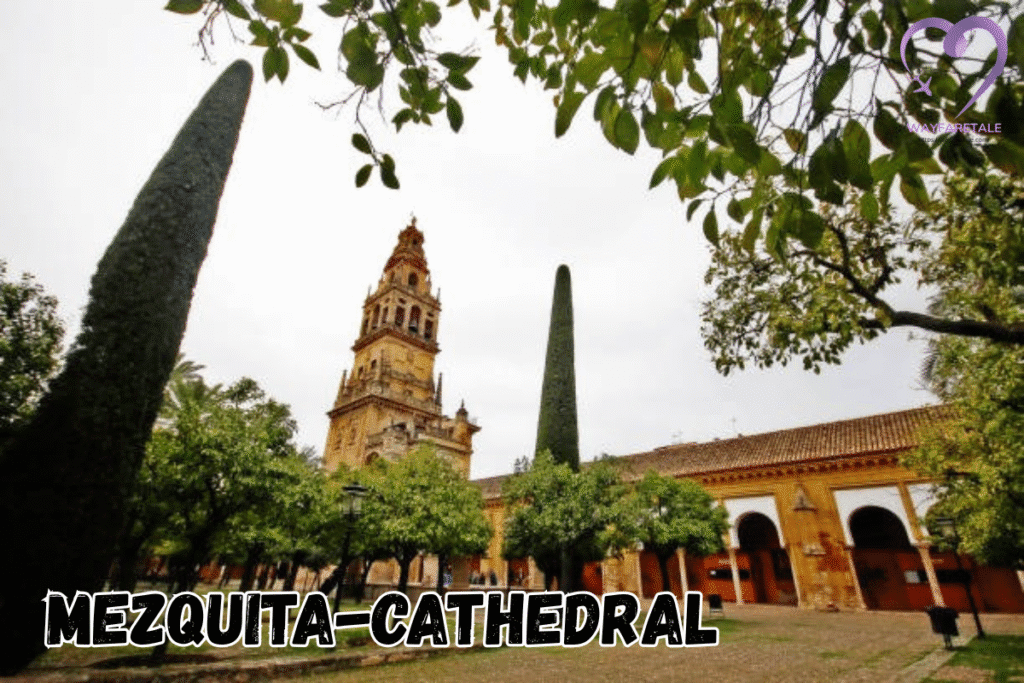
The Mezquita-Cathedral (Mosque-Cathedral) is not just the highlight of Cordoba—it’s one of the most breathtaking buildings I’ve ever entered in my entire life. This former Great Mosque, later converted into a Catholic cathedral, is an architectural masterpiece that beautifully (and controversially) represents the layers of Cordoba’s complex history.
Things to Experience in the Mezquita-Cathedral
Marvel at the Forest of Columns
As soon as you step inside, you’ll be transported into an otherworldly space: 856 columns made of jasper, onyx, marble, and granite create a mesmerizing forest effect. The famous red and white striped arches (inspired by Roman aqueducts) stretch endlessly in every direction, creating an almost hypnotic visual rhythm. The play of light and shadow through this forest is simply magical, especially in the early morning when sunlight filters through.
USEFUL TIP: Go as early as possible to experience the Mezquita in relative peace. I arrived at 8:45 AM during the free entry period, and while there were other visitors, the atmosphere was still contemplative and quiet. By 10:30 AM, when I was leaving, the entrance was packed with tour groups, and the magical atmosphere had completely changed. The early morning light also creates the best photography conditions inside.
Discover the Mihrab
The Mihrab (prayer niche) is the most ornate and sacred part of the original mosque. The golden mosaics, intricate geometric patterns, and Arabic calligraphy are absolutely stunning. Byzantine craftsmen created these mosaics in the 10th century, and they’ve survived in remarkable condition. Stand here quietly for a few moments and imagine the thousands of prayers offered in this direction over centuries.
Experience the Jarring Cathedral Interior
Right in the heart of the mosque, you’ll encounter something completely unexpected: a massive Renaissance cathedral nave. In the 16th century, King Charles V authorized the construction of a cathedral right in the center of the mosque. The contrast is stark—soaring Gothic and Renaissance elements rising among the Islamic arches. It’s architecturally impressive but also controversial. Even Charles V reportedly said upon seeing the finished result: “You have built what you or others might have built anywhere, but you have destroyed something that was unique in the world.”
Explore the Courtyard (Patio de los Naranjos)
Before or after visiting the interior, spend time in the beautiful orange tree courtyard. This tranquil space with its fountains, orange trees, and palm trees was the original ablution courtyard where Muslims performed ritual washing before prayers. It’s a perfect spot to sit, reflect, and escape the crowds for a moment.
PHOTOGRAPHY TIP: The best photos inside the Mezquita are taken early morning or late afternoon when the light is softer. Use a wide-angle lens to capture the forest of columns. Flash photography is not allowed, so bring a camera that performs well in low light, or use your phone’s night mode.
BUYING TICKETS: I highly recommend purchasing skip-the-line tickets in advance through GetYourGuide or Viator. The queues can be 1-2 hours long during peak season, which would completely derail your one-day itinerary. The small booking fee is absolutely worth the time saved.
Mid-Morning (9:00-11:00 AM): The Jewish Quarter (Judería)
Distance from Mezquita: 2-minute walk
Time needed: 2 hours
Cost: Free to wander; Synagogue €0.30
After the awe-inspiring Mezquita, it’s time to get lost (literally and figuratively) in Cordoba’s enchanting Jewish Quarter. This is my absolute favorite part of Cordoba—a labyrinth of narrow, whitewashed streets adorned with vibrant flower pots, hidden patios, artisan workshops, and charming plazas.
Things to Do in the Jewish Quarter
Wander the Maze of White Streets
The best way to experience the Judería is to simply wander without a specific plan. Turn down any narrow alley that catches your eye. The whitewashed walls, blue flower pots, wrought-iron balconies, and sudden glimpses of colorful patios around every corner create an atmosphere straight out of a fairy tale. Each street has its own character—some are filled with souvenir shops and restaurants, while others are peaceful residential lanes where locals still live.
USEFUL TIP: The Jewish Quarter is most magical early in the morning (before 10 AM) when the streets are quiet and you can hear the fountain water trickling and smell the orange blossoms. Later in the day, especially around lunchtime, the main streets become packed with tour groups. I loved walking through at 9 AM when shopkeepers were just opening their doors and locals were having their morning coffee at the small bars.
Visit the Synagogue
Cordoba’s Synagogue is one of only three medieval synagogues remaining in Spain (the others are in Toledo). Built in 1315, this small but beautifully decorated building served the Jewish community until their expulsion in 1492. The Hebrew inscriptions and Mudéjar plasterwork are remarkably well-preserved.
At only €0.30 entrance fee (yes, thirty cents!), this is probably the best value attraction in all of Spain. The intimate space gives you a powerful sense of the Jewish community that once thrived here. EU citizens get free entry.
Find the Calleja de las Flores
This is probably the most photographed street in Cordoba, and for good reason. The “Alley of the Flowers” is a narrow lane exploding with colorful geraniums in blue pots mounted on pristine white walls, with the Mezquita’s bell tower perfectly framed at the end.
WARNING: This street gets absolutely mobbed with tourists between 11 AM and 6 PM, making it nearly impossible to get a good photo. I visited at 9:15 AM and had the street almost to myself for about 15 minutes. If you miss the early morning window, try returning around 8 PM when most tour groups have left.
Discover Hidden Patios
Cordoba is famous for its patios—private courtyards filled with fountains, tiles, and hundreds of flowering plants. While most patios are private and only open during the May Patio Festival, you can peek through doorways and sometimes find small signs inviting visitors into certain patios year-round.
Keep an eye out for open doorways as you wander—some restaurants, hotels, and shops have stunning patios that you’re welcome to admire. The contrast between the stark white streets and the explosion of color in these hidden gardens is what makes Cordoba so special.
Visit Plaza del Potro
This charming square is slightly outside the main Jewish Quarter but worth the 5-minute walk. The plaza features a fountain with a statue of a colt (potro), and it’s mentioned in Cervantes’ Don Quixote. The square has a more local, less touristy feel and is surrounded by lovely traditional buildings.
Stop for Coffee at Plaza de las Tendillas
If you need a break (and a modern coffee), walk 5 minutes north to Plaza de las Tendillas, Cordoba’s main modern square. This is where contemporary Cordoba meets the historic center. Grab a café con leche at one of the outdoor terraces and people-watch for 20 minutes before continuing your historic explorations.
SHOPPING TIP: The Jewish Quarter is filled with artisan shops selling Cordoban leather goods (cordobán), silver filigree jewelry, ceramics, and traditional tiles. The quality varies dramatically from tourist junk to genuine craftwork. Look for shops where you can see artisans actually working—these tend to have authentic, locally-made products. Avoid the shops that look identical and sell the same mass-produced “souvenirs from Spain.”
Late Morning (11:00 AM-12:30 PM): Alcázar de los Reyes Cristianos
Distance from Jewish Quarter: 5-minute walk
Time needed: 1-1.5 hours
Entrance fee: €5
After exploring the Jewish Quarter, head to the Alcázar de los Reyes Cristianos (Fortress of the Christian Monarchs). This medieval fortress-palace has witnessed some of the most important moments in Spanish history, including Christopher Columbus’s pitch to Queen Isabella and King Ferdinand for funding his voyage to the Americas.
What to See at the Alcázar
The Fortress and Towers
The Alcázar isn’t as ornate as the famous Alcázar in Seville, but it has its own austere beauty and historical significance. You can climb the fortress towers for excellent views over the gardens, the city, and the Guadalquivir River. The Torre de la Inquisición (Inquisition Tower) offers the best panoramic views.
The interior rooms contain Roman mosaics discovered in Cordoba—some of the finest I’ve seen anywhere in Spain. The intricate designs and vibrant colors are remarkably well-preserved.
The Gardens
The real highlight of the Alcázar is its gorgeous Moorish-inspired gardens. Arranged in formal terraces, the gardens feature fountains, pools, orange trees, palm trees, and beautifully manicured hedges. The sound of water from numerous fountains creates a peaceful atmosphere perfect for escaping the midday heat.
PHOTOGRAPHY TIP: The gardens are most beautiful in spring when everything is in bloom, but they’re lovely year-round. The reflections in the pools make for great photos. Visit the gardens last (around 12:30 PM) when the light is better for photography.
TIME-SAVING TIP: If you’re really pressed for time and have to choose between the Alcázar and spending more time in the Jewish Quarter, I’d suggest prioritizing the Judería. The Alcázar is nice but not essential if you’ve visited similar fortresses elsewhere in Andalusia.
Lunch (12:30-2:00 PM): Traditional Cordoban Cuisine
Time needed: 1.5 hours
After a morning packed with sightseeing, it’s time to experience one of the best parts of visiting Cordoba—the food! Cordoban cuisine is hearty, flavorful, and deeply traditional. The city takes pride in its culinary heritage, and you’ll find dishes here that you won’t encounter anywhere else in Spain.
What to Eat in Cordoba
Salmorejo Cordobés
This is THE dish you must try in Cordoba. It’s a thick, creamy cold soup made from tomatoes, bread, garlic, and olive oil, topped with diced hard-boiled eggs and jamón serrano. It’s similar to gazpacho but much thicker and richer. Every restaurant in Cordoba serves it, but quality varies enormously. The best salmorejo should be velvety smooth, perfectly balanced, and served ice-cold.
Flamenquín
This is Cordoba’s signature main dish—a roll of ham wrapped around pork loin, breaded, and deep-fried until golden and crispy. It’s usually served sliced, revealing the spiral of meat inside. It sounds heavy (and it is), but when done well, it’s absolutely delicious. Perfect comfort food after a morning of walking.
Rabo de Toro (Oxtail Stew)
Cordoba’s bullfighting tradition means oxtail is a local specialty. The meat is slow-cooked for hours in red wine until it’s fall-apart tender. This rich, deeply flavored stew is perfect for cooler months, though locals eat it year-round.
Berenjenas con Miel (Eggplant with Honey)
This Moorish-influenced dish features thin slices of fried eggplant drizzled with local honey or molasses. The sweet-savory combination is addictive. It’s often served as a tapa, making it perfect for sharing.
Where to Eat
For Traditional Atmosphere: Taberna Salinas
This is where I had my lunch, and it was hands-down one of the best meals of my entire Andalusia trip. Located just outside the tourist core (5 minutes from the Mezquita), Taberna Salinas has been serving traditional Cordoban food since 1879. The interior features beautiful Andalusian tiles, bullfighting memorabilia, and old wooden barrels.
I ordered the salmorejo (the best I’ve ever tasted—silky smooth and perfectly balanced), flamenquín (crispy outside, juicy inside), and a half-portion of oxtail stew. Everything was spectacular. The service was warm and professional, and prices were very reasonable (around €20-25 per person including wine).
RESERVATION TIP: Taberna Salinas fills up quickly, especially during lunch hours (2-4 PM). If you’re visiting during high season, consider making a reservation or arriving right when they open at 12:30 PM.
For Budget-Friendly Tapas: Bodegas Mezquita
Located very close to the Mezquita, this family-run bodega offers excellent tapas at local prices. Don’t be fooled by the tourist location—this is where Cordobans actually eat. Order several tapas to share: salmorejo, berenjenas con miel, presa ibérica (Iberian pork shoulder), and tortilla española. With a glass of local Montilla-Moriles wine, you’ll spend around €15 per person.
For a Special Experience: Regadera
If you want to splurge on a more modern take on Cordoban cuisine, Regadera offers creative dishes using traditional ingredients. The tasting menu is excellent, and the patio setting is beautiful. Expect to pay €40-50 per person.
SIESTA NOTE: Remember that Spain operates on a different schedule. Lunch typically runs from 1:30 PM to 4 PM, and many shops close from 2-5 PM for siesta. Embrace this rhythm—have a leisurely lunch, then continue sightseeing when things reopen in the late afternoon.
Afternoon (2:00-4:00 PM): Roman Bridge and Riverside Walk
Distance from lunch: 5-10 minute walk depending on restaurant location
Time needed: 1.5-2 hours
Cost: Free; Torre de la Calahorra €4.50
After lunch, head toward the Guadalquivir River for some of Cordoba’s most iconic views. The afternoon light is perfect for photography along the riverside, and the walk provides a nice change of pace after the morning’s intense cultural immersion.
The Roman Bridge (Puente Romano)
This stunning 16-arch bridge spanning the Guadalquivir River has been standing (in various forms) since the 1st century BC. Although it’s been rebuilt and restored many times over 2,000 years, walking across it gives you a powerful connection to Cordoba’s ancient past.
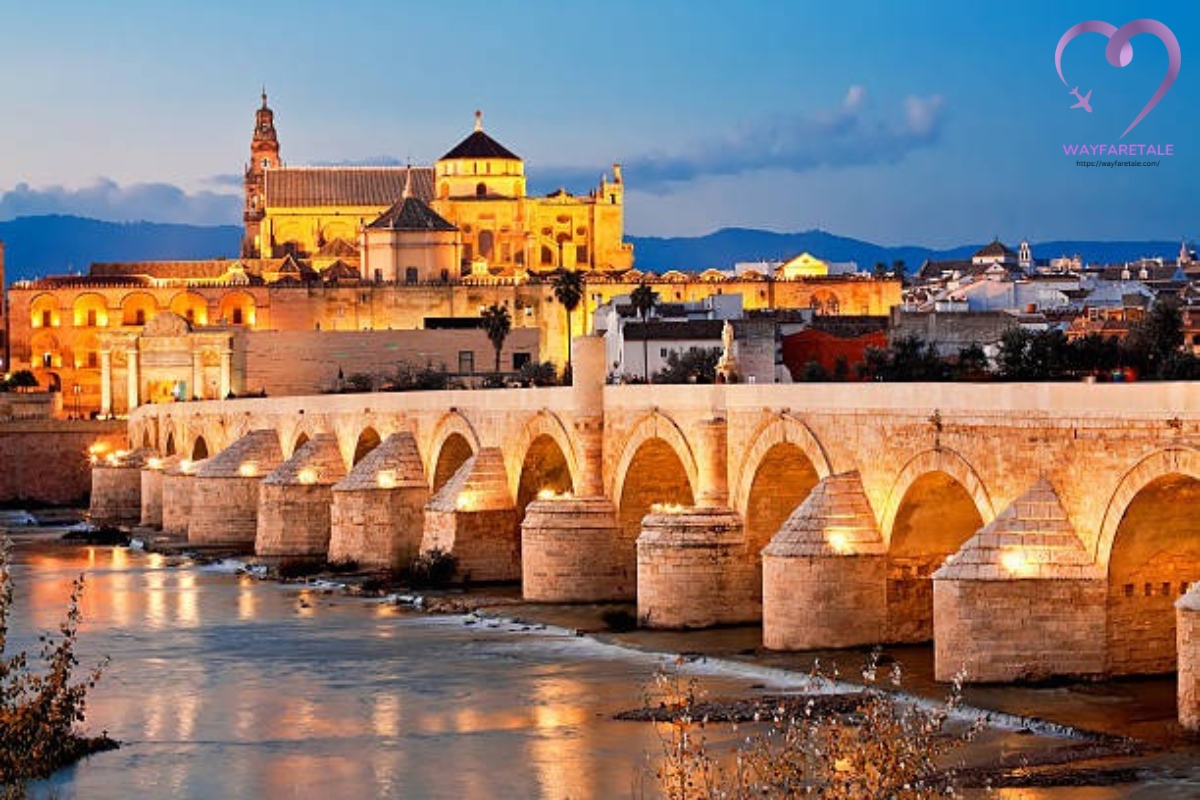
The bridge is pedestrian-only, making it a peaceful place to stroll. From the center of the bridge, you get the most famous view in Cordoba—the Mezquita rising majestically behind the old city walls, reflected in the river. This is the postcard shot of Cordoba that you’ve seen a million times, and it’s every bit as beautiful in person.
PHOTOGRAPHY TIP: While the bridge is lovely in afternoon light, it’s even more spectacular at sunset and after dark when everything is illuminated. I walked the bridge three times during my visit—afternoon, sunset, and night—and each time offered completely different lighting and atmosphere. If you can only do it once, save it for sunset around 8-9 PM in summer or 6-7 PM in winter.
At the southern end of the bridge stands the impressive Statue of San Rafael (Archangel Raphael), Cordoba’s patron saint. Locals believe touching the statue brings good luck.
Torre de la Calahorra
At the far end of the Roman Bridge sits the Torre de la Calahorra, a fortified gate tower that now houses a small museum about Cordoba’s multicultural history. The museum focuses on the convivencia (coexistence) period when Muslims, Christians, and Jews lived together in medieval Cordoba.
The museum itself is modest—I found it somewhat dated with old audiovisual displays—but climbing to the tower’s top level offers fantastic panoramic views of the bridge, river, and city. The €4.50 entrance fee is worth it primarily for these views.
TIME-SAVING TIP: If you’re short on time or not interested in the museum content, you can skip the Torre and simply walk the bridge and enjoy the views from there.
Mills of the Guadalquivir
Along the riverbank near the Roman Bridge, you’ll notice several ancient watermills (molinos). These Arabic-era mills once ground grain for the city. The Molino de la Albolafia is the most prominent, with its large waterwheel still visible (though no longer functioning). These mills are one of my favorite details in Cordoba—a reminder of the city’s practical industrial heritage alongside all the grand monuments.
Riverside Walk and Sotos de la Albolafia
After crossing the bridge, I recommend walking along the southern riverbank through the Sotos de la Albolafia nature area. This riverside park offers shaded paths under eucalyptus and poplar trees, with benches overlooking the water. It’s a lovely escape from the stone streets of the old town, and you’ll see locals jogging, cycling, and walking dogs here.
The contrast between the wild, green riverside and the historic city across the water is striking. I spent about 30 minutes here just sitting on a bench, watching the river flow, and recovering from the midday heat. These quiet moments between major sights often end up being the most memorable parts of a trip.
USEFUL TIP: Bring water! The afternoon sun can be brutal, especially in summer. There are no facilities or shops once you cross the bridge, so fill up your water bottle before leaving the old town.
Late Afternoon (4:00-6:00 PM): Hidden Corners and Local Life
Time needed: 2 hours
Cost: Free, unless you visit Palacio de Viana (€8)
By late afternoon, the worst heat of the day has passed (in summer) or the gentle afternoon light makes everything glow (in spring/fall). This is the perfect time to explore some of Cordoba’s lesser-known corners and experience local life as shops reopen after siesta.
Casa Andalusí
This restored 12th-century house in the Jewish Quarter gives you a glimpse into how wealthy Muslims lived in medieval Cordoba. The house features a beautiful central courtyard with a fountain, traditional Moorish architecture, and period furnishings. The rooftop terrace offers nice views over the neighborhood.
The entrance fee is only €3, and the visit takes about 20-30 minutes. It’s a peaceful refuge from the busy streets, and the courtyard is particularly photogenic.
Baños del Alcázar Califal (Arab Baths)
These 10th-century Arab baths are among the best-preserved in Spain. The atmospheric underground chambers with their horseshoe arches and star-shaped ceiling openings (for light and ventilation) transport you back to the hammam culture of Al-Andalus.
The site is small but fascinating, especially if you’re interested in understanding daily life in Muslim Cordoba. A visit takes about 30 minutes. Entrance is €2.50, free on Fridays.
ALTERNATIVE: Palacio de Viana
If you have extra time and energy, consider visiting the Palacio de Viana, about 15 minutes’ walk north of the historic center. This aristocratic palace is famous for its 12 stunning patios, each with a different design and plant collection. If you missed the May Patio Festival, this is your chance to see Cordoba’s patio culture in all its glory.
The palace and patios are beautifully maintained, and you can easily spend 1-2 hours here. However, I’ll be honest—after a full morning of sightseeing, I was getting tired by late afternoon and decided to skip it. If you’re doing Cordoba as a day trip and need to maximize your time in the historic core, save Viana for a future visit.
Local Shopping and Souvenirs
As shops reopen around 5 PM, it’s a good time to browse for souvenirs. Here’s what’s actually worth buying in Cordoba:
Cordoban Leather (Cordobán): Cordoba has been famous for its leatherwork since Moorish times. Look for genuine leather goods like wallets, bags, and belts. Real cordobán is expensive, so if something seems too cheap, it’s probably not authentic.
Filigree Silver Jewelry: Cordoba’s silversmiths are renowned for their intricate filigree work. Small jewelry shops throughout the Jewish Quarter sell beautiful pieces. Watch for shops where you can see artisans actually working.
Ceramics and Tiles: Traditional Andalusian ceramics make beautiful, practical souvenirs. Look for hand-painted pieces rather than factory-made items.
Local Food Products: Pick up some local olive oil, Montilla-Moriles wine, or membrillo (quince paste) to take home. The Mercado Victoria or specialized gourmet shops have the best selection.
SHOPPING TIP: I found the best quality and prices in shops slightly away from the immediate Mezquita area. The streets around Calle de San Fernando and Plaza de la Corredera have more authentic local shops with better prices.
Plaza de la Corredera
This unique square is worth a 10-minute detour. Unlike Cordoba’s intimate medieval plazas, Plaza de la Corredera is a large, rectangular, enclosed square built in the 17th century—the only one of its kind in Andalusia. It’s surrounded by three-story buildings with balconies, reminiscent of Madrid’s Plaza Mayor.
The square has a more local, working-class feel than the tourist-heavy Jewish Quarter. In the morning, there’s a food market in the center. By evening, the square fills with locals having drinks at the outdoor cafés. I loved the authentic atmosphere here—it felt like discovering the real Cordoba that exists beyond the monuments.
Evening (6:00 PM onwards): Sunset and Tapas
Time needed: 3-4 hours
Cost: €20-30 for dinner/tapas
As the sun begins to set and temperatures cool, Cordoba transforms into something magical. The monuments are illuminated, locals emerge for their evening paseo (stroll), and the city takes on a romantic, almost dreamlike quality. This is my favorite time in Cordoba, and I encourage you to slow down and savor these final hours.
Sunset from the Roman Bridge
I cannot stress this enough: you must experience the Roman Bridge at sunset. I returned here around 7:30 PM (in late spring) and watched as the golden hour light painted the Mezquita and the old city in warm amber tones. The reflection in the Guadalquivir River doubled the beauty.
As the sun set completely, the lights came on—first the Mezquita’s bell tower, then the bridge itself, and finally the mills and surrounding buildings. The transformation from day to night, watching the city light up piece by piece, was one of the most memorable moments of my entire Spain trip.
PHOTOGRAPHY TIP: Arrive about 45 minutes before sunset to secure a good spot on the bridge. Bring a tripod if you have one for long-exposure night shots. The blue hour (just after sunset) produces the most magical photos when the sky still has color but the lights are fully illuminated.
There were dozens of other photographers and tourists there at sunset, but it never felt crowded. Everyone was quiet, respectful, just absorbing the beauty. It’s a shared experience that somehow feels intimate despite the crowd.
Evening Walk Through the Jewish Quarter
After sunset, take another walk through the Jewish Quarter. The streets are beautifully lit, and the atmosphere is completely different from the morning. The narrow lanes feel mysterious and romantic, with warm light spilling from restaurant doorways and the sounds of flamenco guitar drifting from bars.
The Calleja de las Flores is particularly beautiful at night when it’s lit up and virtually empty of tourists. I had it completely to myself at 9 PM and could finally take photos without dozens of people in the frame.
Walk past the illuminated Mezquita one more time. The building is stunning from every angle, but something about seeing it lit up against the night sky is especially moving. Take the time to walk along Calle Cardenal Herrero on the Mezquita’s north side—the orange trees silhouetted against the illuminated walls create a beautiful scene.
Tapas Dinner – The Cordoban Way
Now it’s time for the evening’s main event: tapas! In Cordoba, the tapas culture is alive and well, though it works slightly differently than in other parts of Andalusia. Many bars still offer a free tapa with each drink, keeping alive a tradition that’s disappearing elsewhere in Spain.
How Tapas Work in Cordoba:
The traditional approach is to bar-hop, having one or two tapas and a drink at each place before moving to the next. This is called “ir de tapas” (going for tapas). You’ll eat better, spend less, and experience more of the city than sitting down for a full meal at one restaurant.
My Recommended Tapas Route:
Stop 1: Taberna San Miguel (Casa El Pisto)
Start at this legendary tavern that’s been serving since 1880. The place has an authentic, no-frills atmosphere with bullfighting posters, old barrels, and locals who’ve been coming here for decades. Order the house specialty—pisto (Cordoban-style ratatouille) topped with a fried egg. It’s simple, hearty, and delicious. Pair it with a glass of Montilla-Moriles wine.
The atmosphere here is pure Cordoba—locals standing at the bar, animated conversations in rapid Spanish, and the clatter of plates and glasses. This is the real deal.
Stop 2: Bar Santos
This tiny bar near the Mezquita is famous for one thing: the enormous tortilla de patatas (Spanish omelet) that fills the entire bar top. For just €2.50, you get a huge slice of this perfectly cooked tortilla—crispy on the outside, creamy on the inside—and a drink.
The place is always packed with a mix of tourists and locals, creating a lively atmosphere. Grab your food and drink and join everyone standing on the street outside. There’s something wonderfully communal about eating tapas standing on a narrow medieval street under the stars.
Stop 3: Bodega Guzmán
For your final stop, head to this traditional bodega for some montaditos (small sandwiches on crusty bread). The pringá montadito (slow-cooked meat) is the specialty. The interior is classic Cordoba—hanging hams, wine barrels, and tiles covering every surface.
By now you’ll be happily full, having eaten well and spent around €20-25 total. This is how Cordobans eat, and it’s infinitely more enjoyable than sitting down for a touristy three-course meal.
DRINKING TIP: Try Montilla-Moriles wine, the local alternative to sherry from nearby Jerez. It’s produced using similar methods but from different grapes. The fino style (dry, light) pairs perfectly with tapas. Most bars will have excellent local wines by the glass for €2-3.
Evening Entertainment Options
Flamenco Show
If you want to experience flamenco, several venues in Cordoba offer nightly shows. However, I’ll be honest—Cordoba isn’t as renowned for flamenco as Seville or Granada. The shows here tend to be more tourist-oriented and less authentic.
That said, if you haven’t seen flamenco elsewhere in Andalusia, Tablao El Cardenal offers decent performances in an intimate 16th-century building. Shows run around €23-28 including a drink. Book in advance through GetYourGuide or Viator.
Alternatively, sometimes you’ll stumble upon spontaneous flamenco guitar playing in bars around the Jewish Quarter. These impromptu performances, though brief, often feel more genuine than the organized shows.
Late Night Stroll
Cordoba is wonderfully safe at night, and I loved simply wandering the illuminated streets until around 11 PM. The city has a peaceful, romantic atmosphere after dark. The major monuments remain lit until midnight, creating endless photo opportunities.
Walk along the riverbank path on the north side of the river (opposite from where you walked earlier). The views of the illuminated bridge and Mezquita from here are spectacular, and you’ll often have the path mostly to yourself.
What I Would Skip (If Pressed for Time)
Having spent a full day in Cordoba, here’s what I’d suggest skipping if you need to make choices:
Torre de la Calahorra Museum: The views are nice, but the museum content is dated. Save the €4.50 and 45 minutes unless you’re a history enthusiast.
Casa Andalusí: Pleasant but not essential if you’ve seen similar houses elsewhere in Andalusia.
Palacio de Viana: Beautiful but located away from the main historic area. Better saved for a return visit unless you’re specifically interested in patios and gardens.
Plaza de las Tendillas: The modern city center is fine but not particularly special. Only worth visiting if you need a coffee break or modern shopping.
Additional Tips for Your Cordoba Visit
What to Wear
Summer (June-September): Light, breathable clothing in natural fabrics. A wide-brimmed hat is essential—the sun is brutal. Comfortable walking sandals (not flip-flops on the cobblestones!). Sunglasses and high-SPF sunscreen are non-negotiable. Bring a light scarf or shawl for entering churches.
Spring/Fall: Layers are key. Mornings can be cool, afternoons warm. Comfortable walking shoes, light jacket. An umbrella just in case.
Winter: Warm jacket, layers, comfortable waterproof walking shoes. It can be surprisingly chilly, especially in the shaded narrow streets.
Practical Information
Money: Most places accept cards, but small bars and markets may be cash-only. Have some euros on hand.
Bathrooms: Free public bathrooms are scarce in the historic center. Your best bet is to stop at a café, order a coffee, and use their facilities.
Water: Tap water is safe to drink. Refill your bottle at fountains around the city to stay hydrated and reduce plastic waste.
Language: English is spoken at major tourist sites and restaurants, but less so in local bars and shops. Basic Spanish phrases go a long way and are appreciated. Download Google Translate offline for Cordoba.
Safety: Cordoba is very safe. Standard precautions apply—watch for pickpockets in crowded areas around the Mezquita, but violent crime is virtually nonexistent.
Best Photo Spots in Cordoba
- Roman Bridge center – Classic Mezquita view (sunset is best)
- Calleja de las Flores – Mezquita bell tower framed by flowers (early morning)
- Inside the Mezquita – Forest of columns (early morning light)
- Riverside path south of the bridge – Wide view of bridge and city
- Alcázar gardens – Fountain reflections
- Any corner of the Jewish Quarter – Whitewashed walls with flower pots
- Torre de la Calahorra rooftop – Panoramic city view
Extending Your Stay
If you find yourself falling in love with Cordoba (as I did) and want to stay longer, consider these additions:
Day Trip to Medina Azahara: This ruined palace-city 8 km outside Cordoba was the capital of Al-Andalus in the 10th century. The archaeological site is stunning, and it provides important context for understanding Cordoba’s golden age. Allow half a day. Tours available on GetYourGuide or Viator.
More Patio Visits: If visiting in May during the Patio Festival, you could easily spend 1-2 additional days visiting the dozens of private patios open to the public. It’s a magical time to be in Cordoba.
Day Trip to Carmona or Écija: These nearby white towns offer more Andalusian charm without Cordoba’s crowds.
My Final Thoughts on Cordoba
Cordoba surprised me. I expected it to be beautiful—everyone knows about the Mezquita—but I didn’t expect to be so emotionally moved by this city. There’s something about the layers of history, the evidence of different cultures coexisting and creating beauty together, that really resonated with me.
The Mezquita is obviously the star attraction, and rightly so. But what I loved most about Cordoba was the overall atmosphere—the quiet corners of the Jewish Quarter early in the morning, the way locals still live their daily lives among these incredible monuments, the genuine warmth of people in the restaurants and shops, and those magical hours around sunset when everything glows.
I planned Cordoba as a quick day trip between Seville and Granada, thinking I’d tick off the Mezquita and move on. Instead, I found myself wishing I’d allocated two full days. There’s an intimacy and authenticity to Cordoba that some of the more famous Spanish cities have lost to tourism.
If you can only do one day, this itinerary will show you the essential highlights while leaving time to simply wander, sit in plazas, eat well, and absorb the atmosphere. But I guarantee you’ll be planning a return visit before you even leave.
Cordoba Travel Resources
Planning your trip to Cordoba soon? Below are some useful links to travel booking resources that I personally use:
Transportation:
- Renfe – Book your AVE high-speed train tickets to Cordoba from Madrid, Seville, or Malaga. Book in advance for the best rates.
- Omio – Compare train, bus, and flight options across Spain and Europe.
Accommodation:
- Find your perfect accommodation in Cordoba on Booking.com, Expedia, or Hotellook (the latter provides the best price comparisons across the biggest hotel search sites).
- Airbnb – Great for finding apartments in the Jewish Quarter with authentic Cordoban patios.
Tours & Activities:
- Book skip-the-line Mezquita tickets on GetYourGuide or Viator to avoid hours of queuing.
- Book guided walking tours of the Jewish Quarter and historic center on GetYourGuide or Viator.
- Book day trips to Medina Azahara on GetYourGuide or Viator.
Travel Insurance:
- Remember to always get travel insurance for peace of mind. Check Heymondo or SafetyWing for the best rates.
Useful Apps:
- Google Maps – Download offline maps of Cordoba
- Google Translate – Download Spanish for offline use
- Citymapper – Good for navigating Cordoba’s bus system if needed
I hope you found this Cordoba itinerary useful! This incredible city deserves to be explored slowly and savored fully. Even in just one day, you can fall completely under its spell. Safe travels, and enjoy every moment in this magical Andalusian jewel!
Have you visited Cordoba? What were your favorite moments? Share your experiences in the comments below!