
Zambia Road Trip: Epic One-Week Travel Itinerary – Discover the Heart of Africa!
Zambia is an incredible destination for an African road trip adventure. This comprehensive one-week Zambia road trip itinerary covers the best places in the country that you can explore in 7 days, showcasing the raw beauty and authentic culture of southern Africa.
Zambia is a landlocked gem with an astonishing array of natural wonders to discover! Scenic highways wind through vast national parks, thundering waterfalls, pristine rivers, and breathtaking wilderness areas. Therefore, embarking on a Zambia road trip is by far the best way to explore this remarkable African nation.
With your own vehicle, you’ll be able to access Zambia’s most spectacular destinations at your own pace. While some attractions can be reached by organized tours or charter flights, many of the most incredible experiences are only accessible by road, allowing you to truly connect with the landscape and local communities.
Based on my extensive travels through this magnificent country, I’ve crafted this comprehensive 7-day Zambia road trip itinerary covering the iconic Victoria Falls, world-class national parks, and authentic cultural experiences. It includes distance information, provides practical tips, and suggests the best accommodations throughout Zambia.
Car rental tip 1: For Zambia road trips, I recommend booking through Europcar or Avis, both of which have reliable 4×4 vehicles essential for game drive roads. Book well in advance as good vehicles are limited.
Car rental tip 2: Consider Hertz for competitive rates and comprehensive insurance options. A 4×4 vehicle is absolutely essential for national park roads and river crossings during rainy season.
Stay: I booked all accommodations through Booking.com and directly with safari lodges for the best rates and authentic experiences.
Travel Insurance: Purchase comprehensive travel insurance at World Nomads or SafetyWing – essential for adventure activities and remote area travel.
Check the best safari tours in Zambia on Viator.
Check wildlife and cultural tours on GetYourGuide.
Summary of my Zambia road trip route
- Day 1: Lusaka – Livingstone – Victoria Falls exploration
- Day 2: Victoria Falls activities – Zambezi River cruise – Devil’s Pool (seasonal)
- Day 3: Livingstone to Kafue National Park – afternoon game drive
- Day 4: Full day Kafue National Park safari – Busanga Plains
- Day 5: Kafue to South Luangwa National Park via Lusaka
- Day 6: South Luangwa National Park – walking safari – night drive
- Day 7: South Luangwa morning game drive – return to Lusaka
If I had 5 Days in Zambia, my itinerary would include Victoria Falls – Kafue National Park – South Luangwa National Park.
If I had 10 Days in Zambia, my itinerary would include Victoria Falls – Kafue National Park – South Luangwa National Park – Lower Zambezi National Park – Lake Kariba.
Zambia road trip planning tips
Renting a Car in Zambia
Major car rental companies operate from Kenneth Kaunda International Airport in Lusaka and Livingstone Airport. I strongly recommend booking a 4×4 vehicle as many roads in national parks are rough and river crossings are common. Book at least 2-3 months in advance, especially during dry season (May-October) when demand is highest.
Driving in Zambia
Driving is the most rewarding way to explore Zambia’s incredible wilderness areas. Having your own vehicle allows you to stop for wildlife sightings, take detours to remote villages, and maintain complete flexibility in your schedule. The distances between major attractions are significant, so plan for long driving days.
Road conditions vary dramatically across the country. Main highways between cities are generally good tar roads, but expect potholes and construction delays. National park roads are mostly dirt tracks that can become challenging during rainy season (November-April). Game drive roads require patience as speeds rarely exceed 20-30 km/h due to rough terrain and wildlife crossings.
The most important consideration when driving in Zambia is wildlife – elephants, hippos, and other large animals frequently cross roads, especially at dawn and dusk. Drive slowly in all national parks and wildlife management areas, and never attempt to drive at night outside of urban areas.
Where to stay during the Zambia road trip
Throughout my travels in Zambia, I prioritize authentic safari lodges and camps that offer genuine wilderness experiences. Most accommodations in national parks are tented camps or chalets that blend seamlessly with the natural environment while providing comfortable amenities.
When booking accommodation in Zambia, consider proximity to game drive areas and whether meals are included. Most safari lodges offer full-board packages including all meals and guided activities, which provides excellent value and convenience in remote locations.
Accommodation: I book through a combination of Booking.com for city hotels and directly with safari lodges for the best rates and authentic experiences. Many top safari camps aren’t listed on booking sites, so research and book directly.
Tip: Book safari accommodations at least 3-6 months in advance, especially for dry season travel. Many camps have limited capacity and fill up quickly.
Here’s a summary of accommodation types I stayed at during my road trip:
I booked accommodations through various channels to ensure the best wilderness experiences. You’ll find detailed reviews of each place later in this itinerary, along with booking information and alternatives.
Lodge List:
- Livingstone (Victoria Falls) – Toka Leya Camp – 2 nights (luxury tented camp on Zambezi River)
- Kafue National Park – Busanga Bush Camp – 2 nights (seasonal camp in Busanga Plains)
- South Luangwa National Park – Mfuwe Lodge – 2 nights (classic safari lodge near lagoon)
- Lusaka – Taj Pamodzi Hotel – 1 night (departure convenience)
What to expect in Zambia?
In Zambia, you’ll experience some of Africa’s most pristine wilderness areas, encounter incredible wildlife populations in their natural habitat, and discover the thundering power of Victoria Falls – one of the Seven Natural Wonders of the World. You’ll have the opportunity to walk with elephants in South Luangwa, witness massive antelope herds in Kafue, and take a heart-stopping dip in Devil’s Pool at the edge of Victoria Falls.
The country offers authentic cultural experiences with friendly local communities, traditional villages, and vibrant markets. You’ll also challenge yourself with world-class adventure activities like white-water rafting, bungee jumping, and microlight flights over the falls, then relax on sunset cruises along the mighty Zambezi River while watching elephants come to drink.
Zambia’s wildlife is legendary – it’s home to large populations of elephants, lions, leopards, hippos, crocodiles, and hundreds of bird species. The country pioneered walking safaris, allowing you to experience the African bush on foot with expert guides.
How many days do you need in Zambia?
Based on my multiple visits to Zambia, one week provides sufficient time to experience the major highlights including Victoria Falls and two premier national parks. However, Zambia’s vast wilderness areas could easily occupy months of exploration.
This itinerary focuses on the absolute must-see destinations for first-time visitors while allowing adequate time for wildlife viewing and adventure activities. I also mention additional destinations for those with more time to spare.
Note: If you’re flying into Lusaka instead of Livingstone, you can easily adjust this itinerary. The same applies for travelers arriving overland from neighboring countries like Botswana, Zimbabwe, or Tanzania.
When to visit Zambia?
The dry season (May-October) is ideal for wildlife viewing as animals concentrate around water sources and vegetation is sparse, making game spotting easier. This is peak tourism season, so book accommodations well in advance and expect higher prices.
The wet season (November-April) brings lush landscapes and incredible bird life, but many remote camps close and road conditions become challenging. However, this is the best time to visit Victoria Falls as water levels are highest, creating the most spectacular views.
For the perfect balance of good weather, wildlife viewing, and fewer crowds, I recommend May-June or September-October.
Budget for your road trip in Zambia
Zambia is one of Africa’s more expensive safari destinations due to its focus on low-impact, high-value tourism. However, the pristine wilderness experiences and exclusive game viewing justify the costs. Here’s a rough breakdown of expected costs:
- Accommodation: $150-$800/night for safari lodges (full board)
- Car Rental: $80-150/day for 4×4 vehicle with insurance
- Fuel: $1.20/liter (prices fluctuate significantly)
- Park Fees: $25-35/person per day for national parks
- Activities: $50-200 for guided walks, boat cruises, cultural visits
- Meals (in cities): $15-40/day depending on restaurant choice
Total estimated budget: $300-600/person per day including accommodation, meals, transport, and activities.
Zambia 7-Day Road Trip Itinerary Day by Day
For those ready to experience the raw beauty and incredible wildlife of southern Africa, here’s my detailed day-by-day breakdown of the route I took during my unforgettable week-long road trip through Zambia.
Day 1: Lusaka to Livingstone – Victoria Falls Introduction

- Distance covered: 470 KM
- Total drive time: 5 HRS 30 MIN
- Overnight in: Livingstone (2 consecutive nights)
Starting my Zambia adventure, I flew into Kenneth Kaunda International Airport in Lusaka and immediately collected my pre-booked Toyota Land Cruiser – an absolute necessity for the roads ahead. The drive from Lusaka to Livingstone is straightforward on good tar road, but plan for a full day including stops.
The journey south takes you through typical Zambian landscape – vast miombo woodlands, small rural settlements, and glimpses of local life. I stopped in Choma town for lunch and fuel, experiencing my first taste of authentic Zambian hospitality at a local restaurant.
VICTORIA FALLS – MOSI-OA-TUNYA
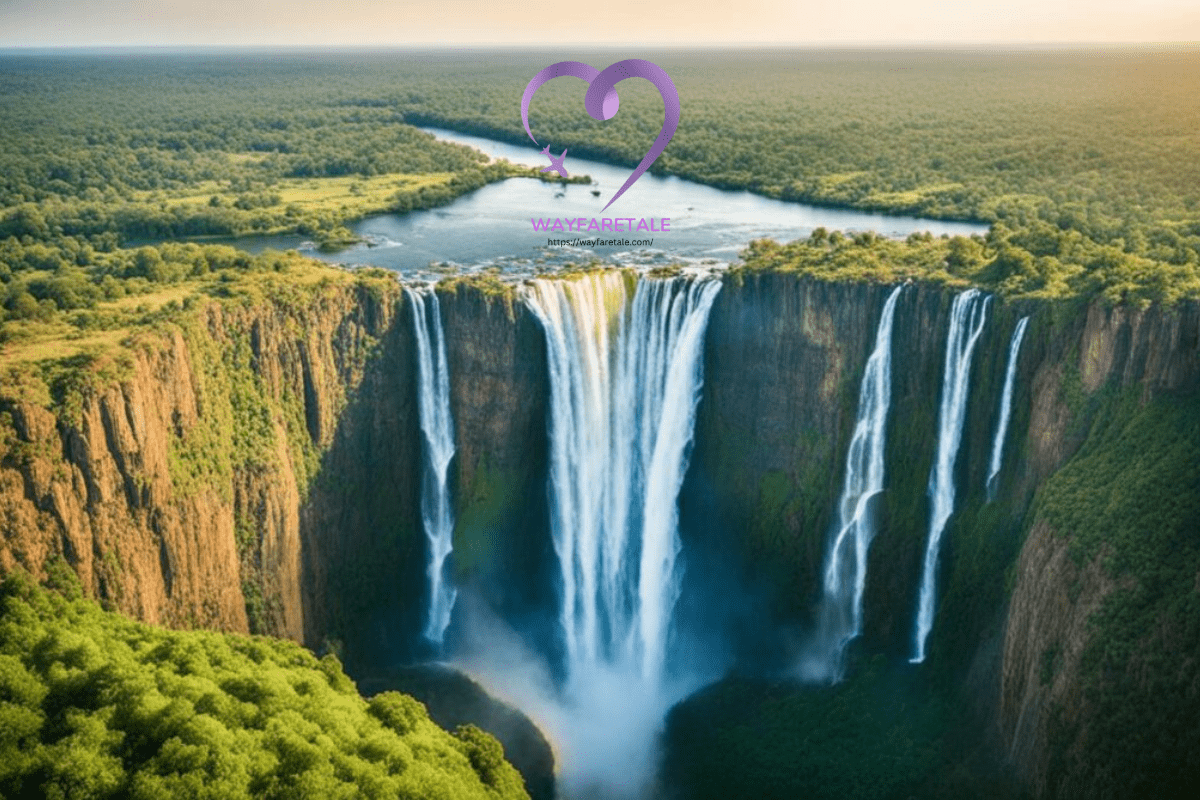
Arriving in Livingstone in late afternoon, I could hear the thundering roar of Victoria Falls long before seeing them. Known locally as Mosi-oa-Tunya (“The Smoke That Thunders”), Victoria Falls is absolutely breathtaking and lives up to every expectation.
The falls stretch 1,708 meters wide and plunge 108 meters into the Zambezi Gorge, creating a spectacular mist that can be seen from 20 kilometers away. Standing at the edge, feeling the spray on my face while watching millions of liters of water cascade over the cliff every second, I understood why David Livingstone called this “scenes so lovely they must have been gazed upon by angels.”
Things to do at Victoria Falls:
Walk the Victoria Falls rainforest trail The walking trail along the Zambian side of the falls offers 16 different viewpoints, each providing unique perspectives of this natural wonder. The trail takes 2-3 hours to complete leisurely, and I recommend starting early to avoid crowds and harsh midday sun.
USEFUL TIP: Bring a rain jacket or waterproof camera cover – the spray from the falls is intense, especially during high water season (March-May). The mist creates beautiful rainbows throughout the day, with the best photography opportunities in early morning and late afternoon light.
Visit Livingstone Island and Devil’s Pool (seasonal) During low water season (August-December), you can take a boat to Livingstone Island and swim in Devil’s Pool – a natural rock pool literally on the edge of Victoria Falls. This heart-stopping experience allows you to peer over the edge of the 108-meter drop while safely held back by a rock ledge.
SAFETY NOTE: Devil’s Pool is only accessible when water levels are safe, typically September-December. Book through reputable operators only – I used Tongabezi Lodge’s excursion which includes excellent safety briefing and experienced guides.
Experience the Knife Edge Bridge The narrow bridge extending into the gorge provides the most dramatic viewpoint of the Main Falls and Eastern Cataract. Standing here with the falls thundering below and mist swirling around you creates an almost mystical experience.
Livingstone Town and Museum Don’t miss exploring Livingstone town itself, named after the famous explorer Dr. David Livingstone. The Livingstone Museum provides fascinating context about local history, culture, and the European exploration of the region. The town’s colonial architecture and bustling markets offer authentic glimpses of modern Zambian life.
Where to stay near Victoria Falls?
For an unforgettable experience, I highly recommend Toka Leya Camp on the banks of the Zambezi River, about 12 kilometers upstream from the falls. This luxury tented camp offers incredible river views, excellent game viewing right from camp (elephants regularly visit), and world-class cuisine.
The camp’s location allows easy access to Victoria Falls while providing a genuine safari atmosphere. Each tent is beautifully appointed with private bathrooms and decks overlooking the river. The staff’s knowledge of local wildlife and culture enhanced every aspect of my stay.
Alternative options include:
- Royal Livingstone Hotel – luxury hotel within walking distance of the falls
- Zambezi Sun – mid-range option with good facilities
- Jollyboys Backpackers – budget-friendly hostel popular with adventure travelers
Book through Booking.com or directly with lodges for better rates.
Day 2: Full Victoria Falls Experience and Zambezi River
- Distance covered: 50 KM (local activities)
- Total drive time: 1 HR (various activity transfers)
- Overnight in: Livingstone
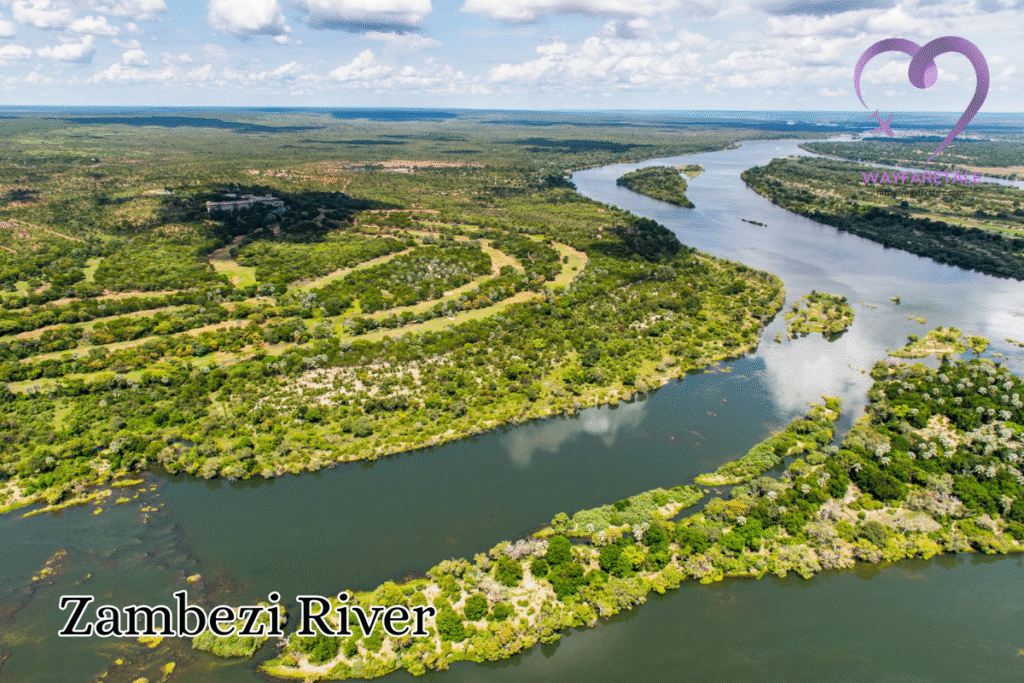
Dedicating a full day to Victoria Falls and Zambezi River activities proves essential – there’s simply too much to experience in a single afternoon.
MORNING: Victoria Falls sunrise and helicopter flight
I started at 6 AM to witness sunrise over Victoria Falls from the rainforest trail. The early morning light creates spectacular photography opportunities, and the trails are blissfully empty of crowds. The interplay of golden light, rainbow mists, and thundering water creates magical moments.
Helicopter flight over Victoria Falls A 15-minute helicopter flight provides the only way to truly comprehend the scale and power of Victoria Falls. From above, you can see the entire 1.7-kilometer width of the falls, the zigzag pattern of the gorge below, and how the Zambezi River transforms from a wide, peaceful waterway into a raging torrent.
Flight options:
- 15-minute “Flight of Angels” – covers the falls and immediate area ($150-180)
- 30-minute extended flight – includes upstream river sections ($280-320)
USEFUL TIP: Book morning flights for better light and calmer conditions. Afternoon flights can be bumpy due to thermal activity.
AFTERNOON: Zambezi River cruise and wildlife
No Victoria Falls experience is complete without a sunset cruise on the Zambezi River. These peaceful boat trips upstream from the falls offer incredible wildlife viewing opportunities and stunning African sunset views.
During my cruise, we encountered hippos surfacing nearby (maintaining safe distance), watched elephants drinking and bathing on the riverbank, and spotted crocodiles sunbathing on sandbanks. The birdlife is phenomenal – fish eagles, kingfishers, herons, and countless species I’d never seen before.
The cruise culminates with spectacular African sunset views with the falls’ mist visible in the distance. Most operators include drinks and light snacks, making it a perfect way to unwind after adventure-packed days.
Adventure activities (optional):
- Bungee jumping from Victoria Falls Bridge – 111-meter jump into the gorge
- White water rafting – grade 5 rapids below the falls (full day adventure)
- Zip lining across the gorge – adrenaline rush with incredible views
- Microlight flights – open-air aircraft for ultimate aerial experience
Cultural experiences:
- Mukuni Village visit – authentic local community experience
- Maramba Cultural Centre – traditional dancing and crafts
- Local market tours – experience daily Zambian life
EVENING: Traditional dinner and entertainment
I ended this incredible day with dinner at The Boma Restaurant, famous for its traditional Zambian cuisine and cultural entertainment. The four-course meal includes game meats (kudu, crocodile, warthog), traditional vegetables, and local specialties accompanied by drumming and dancing performances.
The restaurant’s campfire atmosphere and storytelling sessions provide perfect introduction to Zambian culture and traditions. It’s touristy but authentically executed and genuinely entertaining.
Day 3: Livingstone to Kafue National Park

- Distance covered: 300 KM
- Total drive time: 4 HRS 30 MIN
- Overnight in: Kafue National Park (2 consecutive nights)
After two incredible days at Victoria Falls, I departed Livingstone early for the drive to Kafue National Park – Zambia’s largest and oldest national park. The journey requires careful planning as the final stretch involves rough dirt roads that demand 4×4 capability.
THE DRIVE TO KAFUE
The route from Livingstone to Kafue takes you through Monze and Mazabuka before turning off onto increasingly rough roads leading to the park. I stopped in Monze for fuel and supplies – the last reliable opportunity before entering the wilderness.
The final 80 kilometers to Busanga Plains involves challenging driving on sandy tracks with river crossings that can be treacherous during rainy season. This is where the 4×4 vehicle proves essential, and why I always recommend traveling with a spare tire and recovery equipment.
USEFUL TIP: Start early from Livingstone as the rough roads slow progress significantly. Factor in extra time for wildlife sightings along the way – I spent 30 minutes watching a herd of elephants crossing the road who seemed in no hurry to move!
KAFUE NATIONAL PARK – AFRICA’S BEST-KEPT SECRET
At 22,400 square kilometers, Kafue National Park is larger than Israel and offers some of Africa’s most pristine wilderness experiences. Unlike crowded parks elsewhere, Kafue provides exclusive game viewing with rarely more than one or two other vehicles in sight.
The park’s diverse ecosystems support incredible wildlife populations: large elephant herds, healthy predator numbers including lions and leopards, rare antelope species like red lechwe and roan, and over 500 bird species. The Busanga Plains in the north transform into a wildlife paradise during dry season when animals concentrate around remaining water sources.
AFTERNOON GAME DRIVE
Arriving at Busanga Bush Camp in early afternoon, I immediately headed out for my first Kafue game drive. The vast open plains stretch to the horizon, dotted with palm islands and seasonal pans that create perfect wildlife viewing conditions.
Within the first hour, I encountered a pride of lions resting under a sausage tree, watched red lechwe bounding through shallow waters, and spotted a magnificent fish eagle perched prominently on a dead tree. The absence of crowds makes wildlife viewing intimate and authentic – often it’s just you, the animals, and endless wilderness.
Wildlife highlights in Kafue:
- Lions – healthy populations throughout the park
- Leopards – excellent sightings around rocky outcrops
- Wild dogs – rare but regularly seen in Busanga Plains
- Cheetahs – open plains provide ideal habitat
- Red lechwe – endemic antelope species thriving here
- Elephants – large herds especially during dry season
- Hippos and crocodiles – abundant along rivers and dams
Where to stay in Kafue National Park?
Busanga Bush Camp offers the ultimate Kafue experience – a small, seasonal camp (June-October) in the heart of Busanga Plains. The four spacious tents provide comfortable accommodation while maintaining complete wilderness immersion.
The camp’s location is unbeatable for game viewing, with animals regularly visiting the nearby hippo pool. Meals are excellent, guides are extremely knowledgeable, and the intimate atmosphere creates genuine safari magic.
Alternative options:
- Shumba Camp – luxury option in Busanga Plains (seasonal)
- Mukambi Safari Lodge – year-round operation near Kafue River
- KaingU Safari Lodge – mid-range option with good game viewing
Book directly with camps for better rates and detailed planning assistance.
Day 4: Full Day Kafue National Park Safari

- Distance covered: 80 KM (game drives)
- Total drive time: 6-8 HRS (game viewing)
- Overnight in: Kafue National Park
Dedicating a full day to Kafue National Park proves absolutely essential. The park’s vast size means wildlife is spread across enormous areas, and patience is required for the most rewarding sightings.
EARLY MORNING GAME DRIVE – DAWN CHORUS
Starting at 6 AM, the early morning game drive revealed Kafue at its most active. As the sun rose over the endless plains, the park came alive with sounds and movement that make African safaris unforgettable.
We encountered a hunting party of lionesses stalking red lechwe near a seasonal pan. Watching their coordinated approach, silent communication, and explosive chase attempt provided incredible insight into predator behavior. Though the lechwe escaped this time, witnessing natural hunting behavior in such pristine wilderness felt like a true privilege.
The bird life in Kafue during morning hours is phenomenal:
- Secretary birds striding through long grass hunting snakes
- Ground hornbills calling across the plains
- Countless raptors including tawny eagles and fish eagles
- Colorful bee-eaters and rollers adding vibrant splashes of color
- Crowned cranes dancing in seasonal wetlands
MIDDAY EXPLORATION – PALM ISLANDS
During the heat of midday, we explored one of Busanga’s famous palm islands – elevated areas covered in Hyphaene palms that provide shade and browsing for elephants. These islands create unique ecosystems within the grassland environment.
Climbing to higher ground on the palm island provided spectacular 360-degree views across Busanga Plains. The vastness is overwhelming – endless grasslands stretching to distant mountains with wildlife scattered as far as binoculars can reach.
USEFUL TIP: Bring plenty of water and snacks for full-day game drives. The closest facilities are hours away, and Kafue’s remoteness means self-sufficiency is essential.
AFTERNOON WETLAND AREAS
The afternoon drive focused on remaining wetland areas where wildlife concentrations reach their peak during dry season. These precious water sources attract every species in the area, creating incredible game viewing opportunities.
At one particular dam, I witnessed an amazing wildlife congregation: a herd of 50+ elephants drinking and bathing, hippos snorting and yawning nearby, crocodiles lurking ominously, various antelope species maintaining nervous vigilance, and countless water birds fishing and calling.
The sight of elephants playing in water never gets old. Watching young calves splash and tumble while their mothers keep watchful eyes demonstrates the complex family structures and emotional intelligence of these magnificent animals.
SUNSET MAGIC
Kafue sunsets are legendary among safari enthusiasts. As the African sun sets over the endless plains, the sky transforms into brilliant oranges and purples while wildlife silhouettes create perfect photographic opportunities.
We positioned ourselves on a slight rise overlooking a valley filled with red lechwe. As the light faded, the animals became increasingly active, preparing for nighttime movements. The combination of dramatic sky, abundant wildlife, and complete wilderness silence creates moments of pure magic that justify every challenging kilometer of rough road access.
Night sounds in Kafue are incredible: Lions roaring in the distance, hippos grunting at the nearby pool, hyenas whooping as they begin their nightly hunts, and countless insect and frog choruses that define African wilderness.
Day 5: Kafue to South Luangwa National Park

- Distance covered: 550 KM
- Total drive time: 8 HRS (including stops)
- Overnight in: South Luangwa National Park (2 consecutive nights)
The longest driving day of the entire road trip takes you from Kafue’s remote wilderness to Zambia’s most famous national park. This journey requires early departure and careful planning, but the destination makes every challenging kilometer worthwhile.
THE GREAT TRAVERSE
Leaving Busanga Plains at dawn, the route back to the main road involves retracing those rough 80 kilometers of sandy tracks and river crossings. The morning light transforms the landscape, and I encountered different wildlife returning from nighttime activities – including a magnificent leopard disappearing into thick bush just as I reached for my camera!
The drive via Lusaka to South Luangwa involves mostly good tar roads, but distance and fuel stops extend travel time significantly. I stopped in Lusaka for lunch and fuel, then continued east through increasingly rural landscape toward the Luangwa Valley.
USEFUL TIP: Start very early (5:30 AM) to complete this drive in daylight. Driving at night in rural Zambia is not advisable due to wildlife, poor road markings, and limited emergency services.
Descent into the Luangwa Valley
The final approach to South Luangwa involves descending into the spectacular Luangwa Valley – part of the Great Rift Valley system. The landscape transforms dramatically from highland woodland to hot, dry valley floor covered in mopane woodland and baobab trees.
This descent provides first glimpses of the unique ecosystem that makes South Luangwa special. The seasonal flooding patterns of the Luangwa River create oxbow lakes, lagoons, and fertile plains that support incredible concentrations of wildlife.
SOUTH LUANGWA NATIONAL PARK – THE BIRTHPLACE OF WALKING SAFARI
South Luangwa National Park rightfully deserves its reputation as one of Africa’s greatest wildlife sanctuaries. The park pioneered walking safaris in the 1950s and continues to offer the continent’s best opportunities for experiencing the African bush on foot.
The Luangwa River creates the park’s lifeblood, forming oxbow lagoons, seasonal islands, and constantly changing channels that concentrate wildlife during dry season. This dynamic environment supports enormous populations of hippos, crocodiles, elephants, and over 60 mammal species.
EVENING ARRIVAL AND NIGHT DRIVE
Arriving at Mfuwe Lodge in late afternoon, I was immediately struck by the unique architecture – the lodge is built around several large ebony trees, with a famous lagoon where elephants regularly come to drink. Reception takes place while elephants browse in the background!
South Luangwa offers exceptional night game drives – one of the few African parks permitting after-dark wildlife viewing. As darkness fell, our expert guide used a spotlight to reveal the park’s nocturnal secrets.
Night drive highlights:
- Leopards – incredibly active and visible at night
- Lions – beginning their nightly hunts
- Hyenas – whooping and socializing in groups
- Civets and genets – elusive small predators
- Bush babies – primitive primates with enormous eyes
- Hippos – leaving water to graze on land
The night drive provided completely different perspectives on wildlife behavior. Watching a leopard stalking through moonlit mopane woodland or listening to lion prides communicating across vast distances creates unforgettable wilderness experiences.
Day 6: South Luangwa Walking Safari and Game Drives
- Distance covered: 60 KM (walking safari and game drives)
- Total walking: 8 KM
- Overnight in: South Luangwa National Park
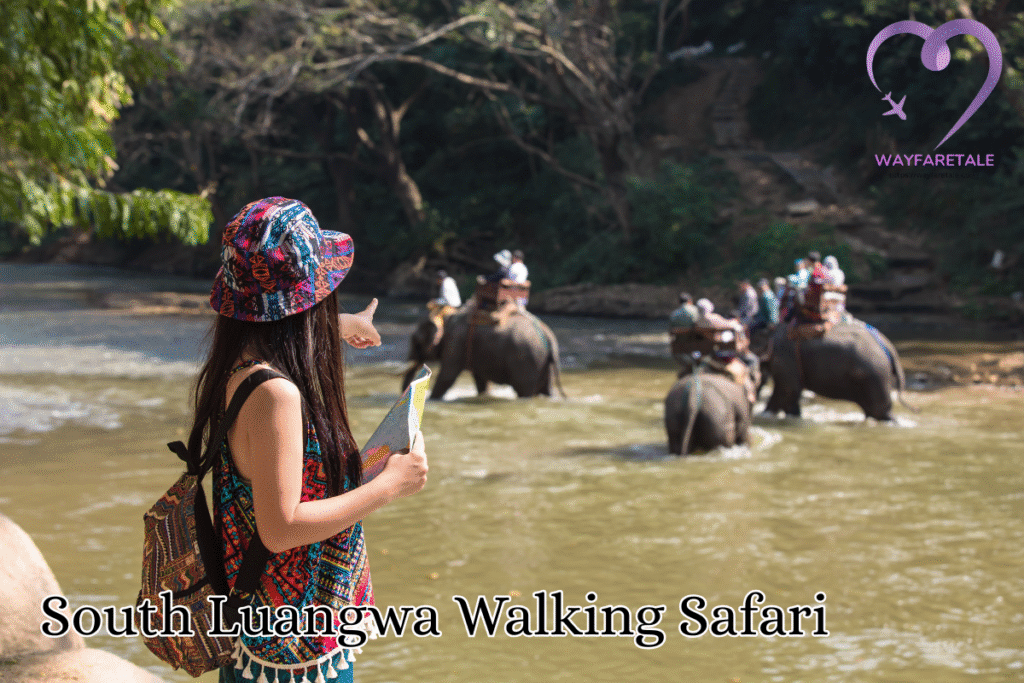
South Luangwa’s walking safaris represent African wildlife experiences at their most authentic. Walking among wild animals with experienced guides provides intimate bush encounters impossible from vehicles.
WALKING SAFARI – EXPERIENCING AFRICA ON FOOT
Starting at dawn, our walking safari began with detailed safety briefing from our guide and armed scout. Walking in areas with lions, elephants, and buffalo requires absolute attention to guide instructions and understanding of animal behavior.
The first steps into the African bush on foot create immediate sensory overload. Every sound becomes significant – breaking branches might indicate elephants, rustling grass could mean buffalo, and bird alarm calls often reveal predator presence. Your guide reads these signs constantly, creating safe but thrilling experiences.
Wildlife encounters on foot:
- Elephant herd – maintaining respectful distance while watching feeding behavior
- Buffalo bulls – impressive but potentially dangerous, requiring careful positioning
- Impala herds – allowing close approach when wind direction favorable
- Countless birds – much easier to spot and identify when moving slowly
- Tracks and signs – leopard pugmarks, elephant dung, territorial markings
The intensity of walking among dangerous game cannot be overstated. When our guide suddenly raised his hand and whispered “stop,” pointing to a large bull elephant 50 meters ahead, my heart rate doubled instantly. Watching this magnificent animal browse peacefully while being completely vulnerable on foot creates profound respect for African wildlife.
AFTERNOON GAME DRIVE – LUANGWA RIVER FOCUS
The afternoon game drive concentrated on the Luangwa River and associated lagoons where wildlife concentrations peak during dry season. These permanent water sources attract every species in the area, creating spectacular viewing opportunities.
At one particularly productive lagoon, I witnessed an incredible scene: over 100 hippos crowded into the remaining deep water, while countless crocodiles basked on surrounding banks. Elephants arrived to drink, carefully avoiding the hippos and crocs, while various antelope species waited nervously for their turn at the life-giving water.
Bird life around Luangwa River is phenomenal:
- Carmine bee-eaters – brilliant red birds nesting in riverbank colonies
- Fish eagles – Africa’s national bird calling from prominent perches
- Saddle-billed storks – enormous and strikingly colored
- Countless water birds – herons, egrets, ibis, and kingfishers
Where to stay in South Luangwa?
Mfuwe Lodge provides the perfect South Luangwa experience with its unique location and excellent wildlife viewing. The lodge’s famous bar overlooks a lagoon where elephants drink daily, and the ebony tree architecture creates authentic bush atmosphere.
The guides are exceptionally knowledgeable, particularly about walking safari safety and animal behavior. Meals are excellent, and the lodge’s location provides easy access to prime game viewing areas.
Alternative options:
- Chinzombo – ultra-luxury camp on Luangwa River
- Nkwali Camp – intimate camp with excellent guiding
- Flatdogs Camp – budget-friendly option popular with backpackers
Day 7: South Luangwa to Lusaka – Final Game Drive
- Distance covered: 350 KM
- Total drive time: 5 HRS 30 MIN
- Final destination: Lusaka (departure)
The final day combines one last South Luangwa game drive with the journey back to Lusaka for departures or onward travel.
MORNING FAREWELL GAME DRIVE
Starting at 6 AM for the final South Luangwa experience, I was determined to find leopards – the park’s most famous residents. Our guide knew exactly where to look, and within 30 minutes we found a magnificent male leopard resting in a sausage tree.
Watching this perfect predator in golden morning light provided a fitting conclusion to an incredible week. The leopard eventually descended and walked directly past our vehicle, completely unbothered by our presence – a testament to South Luangwa’s excellent wildlife management.
Final wildlife tally included:
- Leopards – multiple sightings including close encounters
- Lions – several prides with cubs observed
- Elephants – hundreds encountered across all parks
- Hippos and crocodiles – abundant in all river systems
- Wild dogs – rare but memorable sighting in Kafue
- Countless antelope species – impala, kudu, lechwe, puku, and others
RETURN TO LUSAKA
The drive back to Lusaka provides time for reflection on an incredible week exploring Zambia’s natural treasures. The contrast between wilderness areas and urban environments highlights how special these protected areas truly are.
I stayed at Taj Pamodzi Hotel near the airport for departure convenience – comfortable, reliable, and perfect for final preparations before international flights.
What I would skip and recommend skipping when planning your Zambia road trip
Lower Zambezi National Park – While beautiful, the park requires significant additional time and offers similar experiences to South Luangwa with less reliable game viewing.
Lake Kariba – Unless you’re specifically interested in fishing or houseboating, the lake doesn’t offer the wildlife experiences that make Zambia special.
Kasanka National Park – Only worthwhile during bat migration season (October-December), otherwise limited wildlife justifies the detour.
Blue Lagoon National Park – Small park with limited wildlife compared to the major destinations included in this itinerary.
Zambia Travel Resources
Planning your Zambia safari soon? Below are the booking resources I personally use and recommend:
- Find the BEST FLIGHTS to Lusaka using Skyscanner or Kayak – compare airlines and routes for the best value.
- Rent your 4×4 vehicle through Europcar or Avis – essential for national park access and rough roads.
- Book safari accommodations directly with lodges or through Booking.com for city hotels.
- Get comprehensive TRAVEL INSURANCE through World Nomads – essential for adventure activities and remote area travel.
- Book guided SAFARI TOURS through Viator or GetYourGuide for organized experiences.
Remember: Book safari accommodations 3-6 months in advance, especially for dry season travel (May-October).
I hope this comprehensive Zambia road trip itinerary helps you plan an unforgettable African adventure. The combination of Victoria Falls, pristine wilderness, and incredible wildlife makes Zambia one of Africa’s most rewarding destinations for intrepid travelers seeking authentic safari experiences.