
Iceland Road Trip: Epic Itinerary for 10 Days in Iceland!
Iceland is a dream destination for a European road trip. This detailed 10-day Iceland road trip itinerary covers the best places in the country that you can visit in 10 days to two weeks.
Iceland is a land of fire and ice with an incredible amount to see! The famous Ring Road winds through dramatic volcanic landscapes, thundering waterfalls, black sand beaches, massive glaciers, and geothermal hot springs. Therefore, going on an Iceland road trip is by far the best way to explore this Nordic island nation.
With your own wheels, you will be able to explore the best places in Iceland conveniently. Although some sights can be reached by public transport or organized tours, many of the most amazing places are best accessed by car, giving you the freedom to stop whenever you want.
Based on my experience visiting this wonderful country, I put together this comprehensive 10-day Iceland road trip itinerary covering the Golden Circle, South Coast, Jökulsárlón Glacier Lagoon, East Fjords, North Iceland, and the Snæfellsnes Peninsula. It also indicates distances traveled, and suggests places to stay in Iceland.
Essential Iceland Road Trip Resources:
- Car rental tip 1: Discovercars is an excellent choice for comparing rental rates in Iceland. This car search website helps you save up to 70% by comparing prices between different rental companies. It also offers reasonably priced full coverage insurance, which is essential in Iceland.
- Car rental tip 2: For 4WD vehicles and camper vans, check Northbound.is – they specialize in Iceland rentals with excellent local service.
- Stay: I booked all my accommodation in Iceland on Booking.com.
- Travel Insurance: Purchase reliable travel insurance at Heymondo or SafetyWing (the cheapest on the market).
- Check the best tours in Iceland on Viator or GetYourGuide.
Summary of My Iceland Road Trip Route
- Day 1: Reykjavik – Golden Circle (Þingvellir, Geysir, Gullfoss)
- Day 2: South Coast – Seljalandsfoss, Skógafoss, Reynisfjara Black Sand Beach
- Day 3: Skaftafell – Svartifoss, Glacier Hiking
- Day 4: Jökulsárlón Glacier Lagoon and Diamond Beach
- Day 5: East Fjords – Djúpivogur, Seyðisfjörður
- Day 6: Lake Mývatn Area – Dettifoss, Námaskarð, Mývatn Nature Baths
- Day 7: Ásbyrgi Canyon, Húsavík (Whale Watching)
- Day 8: Akureyri and Goðafoss Waterfall
- Day 9: Snæfellsnes Peninsula – Kirkjufell, Arnarstapi
- Day 10: Return to Reykjavik via Borgarnes
If I had One Week in Iceland, my itinerary would include Reykjavik – Golden Circle – South Coast to Vik – Jökulsárlón Glacier Lagoon – Snæfellsnes Peninsula – Reykjavik.
If I had Two Weeks in Iceland, I would add the Westfjords and spend more time exploring the remote Highlands.
Iceland Road Trip Planning Tips

Renting a Car in Iceland
Major car rental companies operate from Keflavík International Airport. I strongly suggest checking Discovercars or Northbound.is for the best rates. These platforms often offer significantly lower prices compared to booking directly.
IMPORTANT: In Iceland, you absolutely need proper insurance. The weather can be unpredictable, and gravel roads can damage your vehicle. I recommend getting full coverage including gravel protection and ash/sand damage coverage.
For summer travel (June-August), a 2WD vehicle is sufficient for the Ring Road. However, if you plan to venture into the Highlands (F-roads), you’ll need a 4WD vehicle. Winter driving (November-March) also requires 4WD for safety.
Driving in Iceland
Driving is the best way to explore Iceland’s stunning landscapes. Having your own vehicle allows you to access every highlight and stop at incredible viewpoints along the way. You’ll be able to stick to your own schedule and chase the Northern Lights if visiting in winter.
Iceland’s Ring Road (Route 1) is approximately 1,332 km and circles the entire island. The road conditions are generally good, mostly paved, though you’ll encounter some gravel sections in remote areas.
Important driving tips for Iceland:
- Speed limits: 90 km/h on paved roads outside towns, 80 km/h on gravel roads, 50 km/h in urban areas
- Single-lane bridges are common – slow down and yield to traffic already on the bridge
- Weather changes rapidly – always check road conditions at road.is before driving
- Wind can be extreme – open car doors carefully and hold them tight
- Sheep cross roads freely – be prepared to stop suddenly
- Never drive off-road – it’s illegal and damages fragile vegetation
- F-roads (mountain roads) are only open in summer and require 4WD
Where to Stay During the Iceland Road Trip
On every trip, including this Iceland adventure, I try to find guesthouses, farm stays, or small hotels rather than large chain hotels. This way, you get a more authentic Icelandic experience and often incredible hospitality from local hosts.
When looking for accommodation in Iceland with a rental car, parking is rarely an issue outside Reykjavik, as most places have ample parking space.
Accommodation: I always book my stays through Booking.com. This platform provides a variety of places to stay for any budget. As a returning customer, you get Genius discounts (10-30%) and special mobile-only prices.
Tip: Always check the cancellation policy. I usually book places with flexible cancellation terms in case my plans change due to weather (which happens often in Iceland!).
Here is a quick summary of where I stayed:
- Selfoss (Golden Circle area) – 1 night
- Vík í Mýrdal (South Coast) – 2 nights
- Höfn (near Jökulsárlón) – 1 night
- Egilsstaðir (East Fjords) – 1 night
- Mývatn/Reykjahlíð (North Iceland) – 2 nights
- Akureyri (North Iceland) – 1 night
- Snæfellsnes Peninsula (Grundarfjörður) – 1 night
- Reykjavik (beginning and end) – 1 night
I booked all my Iceland accommodation through Booking.com. You can find more detailed comments on each place later in this post.
What to Expect in Iceland?
In Iceland, you will be treated to otherworldly volcanic landscapes, powerful waterfalls that will leave you speechless, black sand beaches unlike anywhere else, massive glaciers and icebergs floating in lagoons, geothermal hot springs perfect for relaxation, and charming fishing villages. You’ll also have the chance to see the Northern Lights (if visiting in winter), experience the Midnight Sun (in summer), go whale watching, explore ice caves, and encounter friendly Icelandic horses and puffins (in summer months). All this and more awaits you in this magical Nordic island nation.
How Many Days Do You Need in Iceland?
Based on my experience, 10 days to two weeks is the perfect amount of time to explore Iceland’s Ring Road and major highlights without feeling rushed. In one week, you can cover the Golden Circle, South Coast, and Snæfellsnes Peninsula, hitting many of the most famous sights.
However, if you want to truly experience Iceland’s diversity, include the less-visited East Fjords, explore North Iceland properly, and have time for activities like glacier hiking, whale watching, or ice cave tours, then 10-14 days is ideal.
In this post, I also highlight the absolute must-see places for those with less time, and mention what you can skip if you’re short on days.
Note: This itinerary starts and ends in Reykjavik, but you can easily adjust it if you want to go counterclockwise around the Ring Road instead.
When to Visit Iceland?
Summer (June-August) is the most popular time to visit Iceland. You’ll experience the Midnight Sun, warmest temperatures (10-15°C), all roads are open, and you can see puffins. However, it’s also the most crowded and expensive season.
Shoulder seasons (May and September) are my favorite times to visit. You get fewer crowds, lower prices, a chance to see Northern Lights in September, and still decent weather with most roads open.
Winter (November-March) offers the best Northern Lights viewing, magical ice cave tours, and a true winter wonderland experience. However, some roads are closed, weather is harsh (-1 to 3°C), and daylight is limited (4-5 hours in December).
Spring and Fall (April, October) are the most unpredictable but can be rewarding with very few tourists and lower prices.
For this itinerary, I traveled in late August/early September, which gave me the best of both worlds – good weather and fewer crowds than peak summer.
Budget for Your Road Trip in Iceland
Iceland is one of the most expensive countries in the world. However, with careful planning, you can manage costs. Here’s a rough breakdown:
- Accommodation: €80-€150/night for a decent guesthouse or hotel
- Dine out: €30-€60/day depending on where you eat (grocery shopping is much cheaper)
- Car Rental: €40-€100/day depending on vehicle type and season (4WD more expensive)
- Fuel: €2.20-€2.50/liter for petrol (2024 prices)
- Activities: Glacier hiking (€100-€150), Ice cave tour (€150-€200), Whale watching (€80-€100)
- Hot springs: Free natural pools available, or €40-€50 for famous ones like Blue Lagoon
Money-saving tips:
- Cook your own meals using ingredients from Bónus supermarkets
- Stay in guesthouses or farms instead of hotels
- Visit free natural hot springs instead of expensive lagoons
- Fill up water bottles from tap water (it’s glacial and delicious!)
- Book activities in advance for better rates
Iceland 10-Day Road Trip Itinerary Day by Day
For those who want a comprehensive guide to what Iceland has to offer, here is my day-by-day breakdown of the route I took during my 10-day road trip.
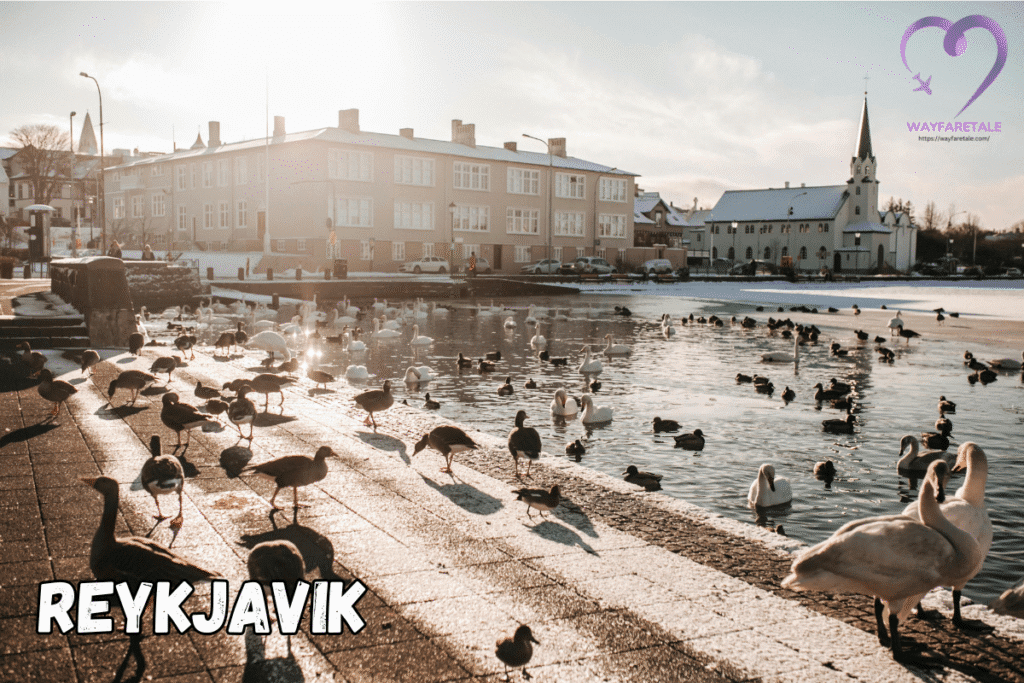
Day 1: Reykjavik and Golden Circle
- Distance covered: 240 KM
- Total drive time: 3 HRS 30 MIN
- Overnight in: Selfoss area
Most international flights arrive early morning in Keflavík. After picking up your rental car, I suggest heading straight to explore the famous Golden Circle route before checking into your accommodation.
The Golden Circle is Iceland’s most popular tourist route, and for good reason – it packs three incredible sights into an easy day trip from Reykjavik.
ÞINGVELLIR NATIONAL PARK
My first stop is Þingvellir (Thingvellir) National Park, a UNESCO World Heritage Site that’s both historically and geologically significant. This is where Iceland’s parliament was established in 930 AD, making it one of the oldest parliaments in the world.
Things to do in Þingvellir:
- Walk between two continents – Þingvellir sits in a rift valley where the North American and Eurasian tectonic plates are slowly pulling apart. You can literally walk between continents on the Almannagjá gorge trail.
- Visit Öxarárfoss waterfall – A beautiful waterfall cascading into the rift valley, about a 15-minute walk from the parking area.
- Explore the Silfra fissure – If you’re a certified diver or snorkeler, diving in Silfra is an unforgettable experience. The crystal-clear glacial water offers 100+ meter visibility between the continental plates.
USEFUL TIP: Arrive early (before 10 AM) to beat tour buses. The parking fee is 1,000 ISK (about €7), payable at parking meters.
The views from the Almannagjá viewing platform overlooking the valley are stunning. I spent about 2 hours here walking the trails and soaking in the historical atmosphere.
GEYSIR GEOTHERMAL AREA
About 50 minutes from Þingvellir, the Geysir geothermal area is home to hot springs, fumaroles, and erupting geysers. The original Geysir (which gave all geysers their name) is mostly dormant, but Strokkur more than makes up for it.
Strokkur geyser erupts every 5-10 minutes, shooting boiling water 15-30 meters into the air. I could have watched this natural spectacle for hours! The anticipation before each eruption, the bubble forming, and then the explosive burst – it never gets old.
PHOTOGRAPHY TIP: Position yourself upwind and use continuous shooting mode to capture the eruption sequence. The best light is early morning or late afternoon when the sun illuminates the water spray.
The area is free to visit, with a large parking lot and visitor center. I recommend walking around all the hot springs and pools – the vibrant blue colors are mesmerizing. Just stay on marked paths, as the water is literally boiling!
GULLFOSS WATERFALL
The final stop on the Golden Circle is magnificent Gullfoss (“Golden Falls”), and it’s an absolute showstopper. This massive two-tiered waterfall on the Hvítá river plunges 32 meters into a narrow canyon, creating an incredible spectacle of power and beauty.
I visited Gullfoss in late afternoon, and the mist created rainbows in the sunlight – absolutely magical! There are two viewing platforms: the upper one gives you a panoramic view, while the lower one gets you closer to the falls (and you’ll definitely get wet!).
USEFUL TIP: The lower path can be slippery, especially when wet. Wear good shoes and bring a rain jacket. The wind can be fierce, so hold onto hats and cameras!
There’s a legend that Gullfoss was almost destroyed for a hydroelectric project in the early 1900s, but was saved by Sigríður Tómasdóttir, a farmer’s daughter who threatened to throw herself into the falls if the project proceeded. Today, there’s a memorial stone honoring her conservation efforts.
Secret nearby hot spring: After a day of sightseeing, head to the Secret Lagoon (Gamla Laugin) in the village of Flúðir, about 20 minutes from Gullfoss. It’s Iceland’s oldest natural pool (dating back to 1891) and much less touristy than the Blue Lagoon. Entrance is around €35-40, but the authentic experience is worth it. I soaked here for two hours watching a small geyser erupt nearby – pure bliss!
Where to Stay Near the Golden Circle?
I stayed in the Selfoss area, which is perfectly positioned for exploring the Golden Circle and continuing toward the South Coast the next day. Selfoss is a charming town with good restaurants and supermarkets (perfect for stocking up on supplies).
I booked a guesthouse in Selfoss through Booking.com – it was a cozy farmhouse with incredible views of the surrounding countryside and mountains. The hosts were incredibly welcoming and gave me great tips for the South Coast.
Day 2: South Coast – Seljalandsfoss, Skógafoss, Reynisfjara Black Sand Beach
- Distance covered: 180 KM
- Total drive time: 2 HRS 30 MIN
- Overnight in: Vík (2 consecutive nights)
Day 2 is where Iceland truly begins to blow your mind. The South Coast is famous for having the highest concentration of waterfalls in the country, dramatic black sand beaches, and incredible coastal scenery. I recommend leaving early to maximize daylight.
SELJALANDSFOSS WATERFALL
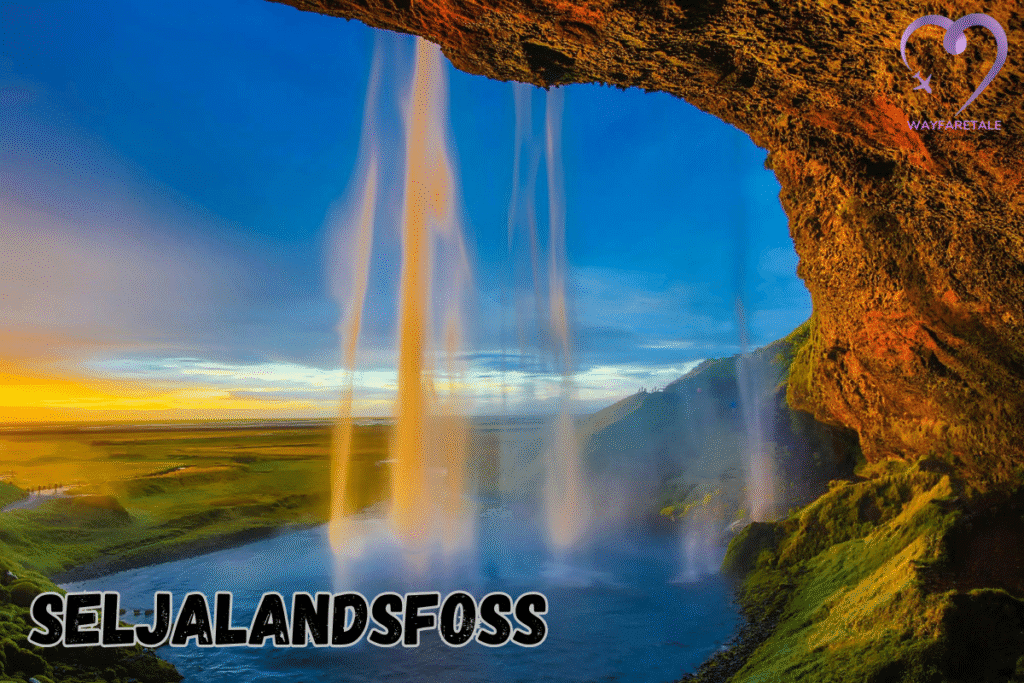
About an hour’s drive from Selfoss, Seljalandsfoss is one of Iceland’s most famous waterfalls – and for good reason. This 60-meter waterfall is unique because you can walk completely behind it!
The path behind the falls is absolutely magical. The curtain of water cascading in front of you, the thunderous roar, the constant spray creating rainbows – it’s a sensory overload in the best way possible. I felt like I was in another world.
IMPORTANT TIP: You WILL get soaked walking behind the falls. I’m talking completely drenched. Bring a good waterproof jacket (or buy a disposable poncho from the visitor center), waterproof pants if you have them, and protect your camera gear. Waterproof phone cases are essential for photos.
PHOTOGRAPHY TIP: Visit in the evening (8-10 PM in summer) when the sun hits the falls from the west, creating golden light and incredible rainbow opportunities. Most tour buses leave by then, so you might have it almost to yourself.
The parking fee is 800 ISK (about €5.50). There’s a small café at the parking area if you need coffee or snacks.
GLJÚFRABÚI (SECRET WATERFALL)
Just a 5-minute walk from Seljalandsfoss parking lot, there’s a hidden gem that many tourists miss – Gljúfrabúi waterfall. This beautiful falls is partially concealed inside a narrow canyon, creating an ethereal atmosphere.
To see it properly, you need to wade into the shallow stream and enter the narrow opening between the rock walls. It’s like discovering a secret fairy grotto! The water inside glows with an otherworldly light, and the falls cascade down in a private chamber of rock.
TIP: This is another place you’ll get wet. Wear waterproof boots or be prepared to take your shoes off and wade through ankle-deep water. It’s absolutely worth it – this was one of my favorite moments in Iceland.
SKÓGAFOSS WATERFALL
About 30 minutes east, Skógafoss is next on the agenda, and it’s completely different from Seljalandsfoss. This is a massive 60-meter wide, 25-meter high wall of water that crashes down with tremendous power.
Skógafoss is breathtaking in its raw power. The spray from the falls creates constant rainbows on sunny days (I saw a double rainbow!), and the sheer volume of water is humbling. You can walk right up to the base of the falls – just prepare to get absolutely soaked by the spray.
For the active travelers: Climb the 527 steps to the viewing platform at the top of the falls. The views from up there are phenomenal – you can see the waterfall from above, the Skógá river stretching inland, and the coastline extending toward Vik. The climb takes about 15-20 minutes and is definitely worth the effort.
HIKING TIP: From the top of Skógafoss, the Fimmvörðuháls trail begins – a famous multi-day trek that goes between Skógafoss and Þórsmörk valley, passing 26 waterfalls along the way! If you have time for a short hike, walk the first hour or so up the trail to see several beautiful waterfalls above Skógafoss.
Parking at Skógafoss is 800 ISK.
SÓLHEIMASANDUR PLANE WRECK
About 20 minutes from Skógafoss, there’s a controversial attraction – the DC-3 plane wreck on Sólheimasandur black sand beach. A US Navy plane crashed here in 1973 (everyone survived), and the wreck has remained on the beach ever since.
IMPORTANT UPDATE: The access road to the plane wreck has been closed to private vehicles due to too many tourists damaging the area. You now have to walk 4 km (one way) from the parking area to reach the wreck, which takes about 1.5-2 hours round trip. Alternatively, shuttle buses operate from the parking area for a fee.
I decided to skip this one due to time constraints and the long walk. Many travelers say it’s become too crowded and “Instagram-staged.” If you’re short on time, I’d prioritize other sights on the South Coast.
REYNISFJARA BLACK SAND BEACH
This is what I came to Iceland for! Reynisfjara is arguably the most famous black sand beach in the world, and it absolutely lives up to the hype.
The beach is otherworldly: jet-black volcanic sand, massive basalt column formations rising from the ground like a giant’s organ pipes, powerful waves crashing onto the shore, and dramatic sea stacks (Reynisdrangar) jutting out of the ocean. According to Icelandic folklore, these sea stacks are trolls who were turned to stone by the sunrise.
CRITICAL SAFETY WARNING: Reynisfjara is known for dangerous “sneaker waves” – massive waves that appear suddenly and can drag people out to sea. Several tourists have died here. NEVER turn your back on the ocean, stay well away from the water’s edge, and if you see a large wave, run immediately toward the cliffs. The waves here are unpredictable and deadly serious.
I spent over an hour exploring Reynisfjara. The Hálsanefshellir cave with its incredible hexagonal basalt columns is like something from a fantasy movie. The patterns in the rock formations are mesmerizing.
PHOTOGRAPHY TIP: Visit during golden hour (early morning or evening) when the light creates amazing contrasts on the black sand. The beach faces south, so sunset can be spectacular. Just be extra cautious of waves during high tide.
Parking at Reynisfjara is 800 ISK.
VÍK Í MÝRDAL
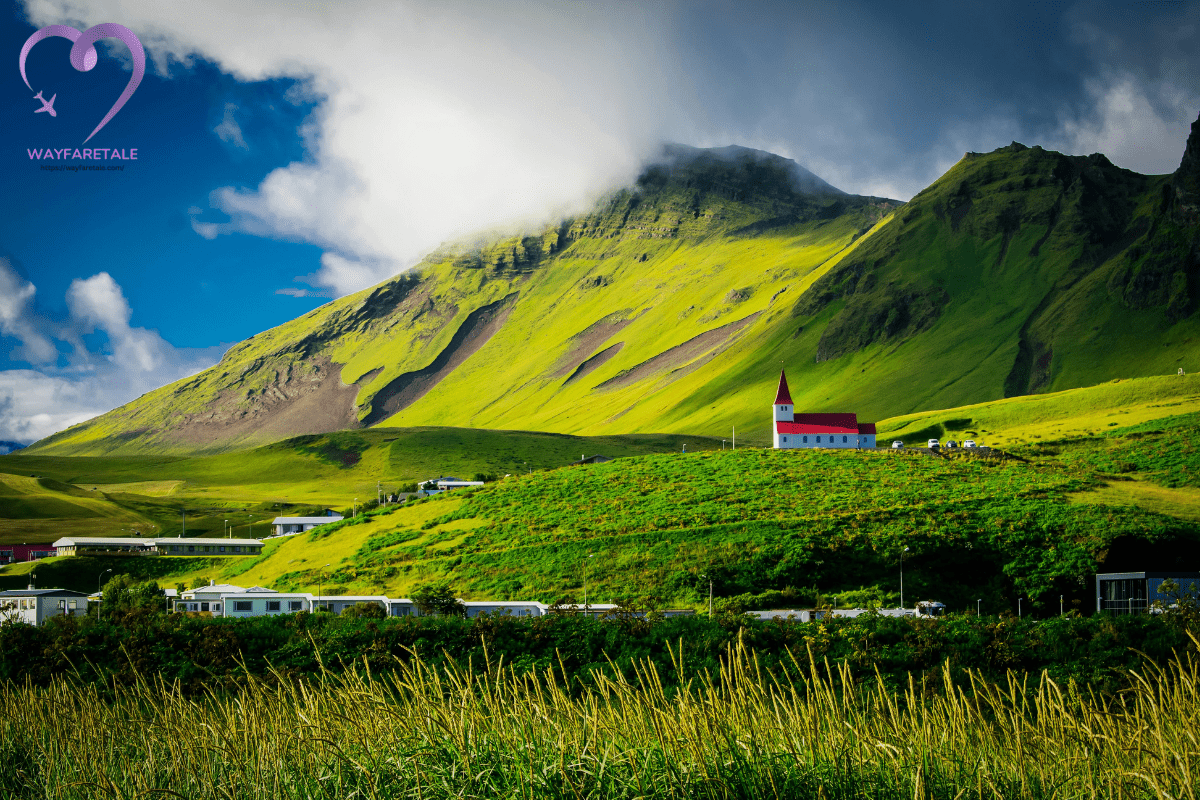
After exploring Reynisfjara, drive just 10 minutes to the charming village of Vík í Mýrdal, which will be your base for two nights. Vík is Iceland’s southernmost village and is famous for its iconic church on the hill overlooking black sand beaches.
Things to do in Vík:
- Visit Víkurkirkja church – Walk up to the beautiful white church with the red roof for panoramic views of Vík, the black sand beaches, and Reynisdrangar sea stacks. The sunset views from here are unbelievable!
- Explore Vík Beach – Another stunning black sand beach right in town, less crowded than Reynisfjara
- Wander the town – Vík is tiny but has several good restaurants, a supermarket (Vík Prjónsdóttir), and the famous Icewear wool shop
Where to eat in Vík: I had an amazing dinner at Suður-Vík restaurant – try the Icelandic lamb, it was the best meal of my trip! Halldórskaffi is also great for more casual fare and homemade soup.
Where to Stay in Vík?
Staying in Vík for two consecutive nights allows you to explore the area thoroughly without rushing. I stayed in a guesthouse with incredible views of the surrounding mountains and coastline. Book early, as Vík has limited accommodation and fills up quickly in summer.
The benefit of two nights here is that you can revisit places in different light conditions, explore at a leisurely pace, and have flexibility if weather doesn’t cooperate on one day.
Day 3: Skaftafell – Svartifoss Hike and Glacier Adventures
- Distance covered: 140 KM
- Total drive time: 1 HR 45 MIN
- Overnight in: Vík (second night)
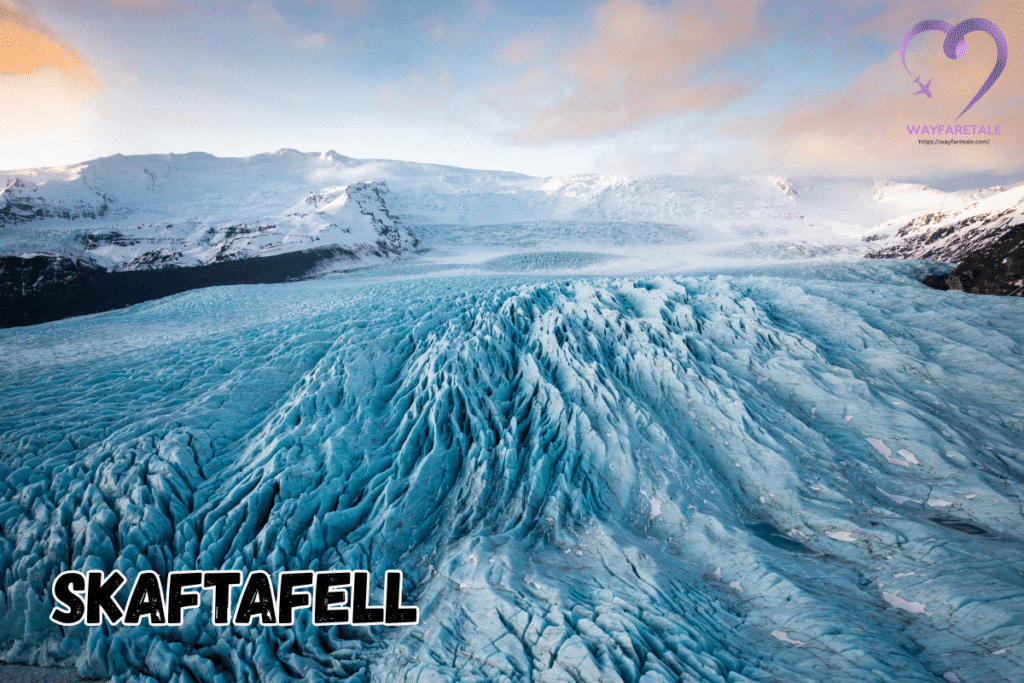
Today is dedicated to exploring Skaftafell, part of the massive Vatnajökull National Park. This area offers some of Iceland’s best hiking and glacier experiences.
DRIVING TO SKAFTAFELL
The drive from Vík to Skaftafell takes you along the Ring Road through increasingly dramatic landscapes. You’ll pass Skeiðarársandur, Iceland’s largest glacial outwash plain – a vast black sand desert created by glacial floods. The landscape is stark and almost lunar.
You’ll also drive past several glacial tongues from Vatnajökull glacier (Europe’s largest ice cap) descending toward the road. The sight of these massive rivers of ice is humbling.
SKAFTAFELL NATURE RESERVE
Skaftafell is paradise for hikers and nature lovers. The visitor center has excellent displays about the area’s geology and ecology, plus detailed hiking maps.
SVARTIFOSS WATERFALL HIKE
This is the most popular hike in Skaftafell, and it’s absolutely stunning. Svartifoss (Black Falls) is famous for the dark basalt columns surrounding it, which inspired the architecture of Reykjavik’s Hallgrímskirkja church.
The hike is 5.5 km round trip and takes about 2-3 hours total. The trail is well-maintained and moderately easy, climbing about 150 meters in elevation. Along the way, you’ll pass several viewpoints with incredible views of glaciers and mountains.
When you reach Svartifoss, you’ll understand why it’s so famous. The waterfall cascades over hexagonal basalt columns that look like organ pipes, creating a stunning natural cathedral. The contrast between the white water and dark columns is striking.
HIKING TIP: Continue beyond Svartifoss to Sjónarnípa viewpoint (adds 30 minutes) for panoramic views of Skaftafell valley, glaciers, and the coast. The views are absolutely worth the extra effort!
GLACIER HIKING ON VATNAJÖKULL
One of the absolute highlights of my Iceland trip was glacier hiking on Vatnajökull glacier. This is something you MUST book in advance with a certified guide – never attempt to walk on a glacier without proper equipment and guidance.
I booked a 3-hour glacier hiking tour with a local company. They provided all equipment: crampons, ice axes, harnesses, and helmets. Our guide was incredibly knowledgeable about glaciology, ice formations, and the effects of climate change.
Walking on the glacier was surreal. The ice stretched endlessly in all directions, carved into incredible formations by wind and melt water. We explored deep blue crevasses (safely!), walked along ice ridges, and learned about glacier dynamics. The ice was thousands of years old – you’re literally walking through frozen history.
ICE CAVE NOTE: If visiting in winter (November-March), you can add an ice cave tour to your glacier hike. The crystal blue ice caves under Vatnajökull are absolutely magical, though they can only be safely accessed in winter when they’re frozen solid.
RELATED ACTIVITIES: If glacier hiking isn’t your thing, consider:
- Glacier kayaking on Heinabergslón lagoon
- Ice climbing on Vatnajökull
- Scenic flights over the glaciers
- Simply hiking the many trails in Skaftafell
After an incredible day exploring Skaftafell, drive back to Vík for your second night. The evening drive gave me another chance to see the landscapes in different light.
Day 4: Jökulsárlón Glacier Lagoon and Diamond Beach
- Distance covered: 260 KM
- Total drive time: 3 HRS 20 MIN
- Overnight in: Höfn
This day is dedicated to one of Iceland’s most iconic sights – Jökulsárlón Glacier Lagoon. Trust me, no amount of photos can prepare you for how magical this place is in person.
FJAÐRÁRGLJÚFUR CANYON
On the way from Vík to Jökulsárlón, I recommend a detour to Fjaðrárgljúfur Canyon (yes, that’s a mouthful to pronounce!). This stunning canyon became Instagram-famous after appearing in a Justin Bieber music video, which unfortunately led to it being closed for a while due to over-tourism.
The canyon is about 100 meters deep and 2 kilometers long, carved by glacial melt water over thousands of years. The hiking trail along the rim offers spectacular views down into the serpentine gorge with its moss-covered walls.
IMPORTANT: The canyon is fragile and has been closed several times for restoration. Check if it’s open before visiting at vjp.is. When open, stay on marked paths to protect the delicate ecosystem.
The detour adds about 45 minutes to your drive but is absolutely worth it if open. I spent about an hour here walking the trail and taking in the incredible views.
JÖKULSÁRLÓN GLACIER LAGOON
After nearly 2.5 hours of driving east from Vík (with the Fjaðrárgljúfur detour), you’ll arrive at Jökulsárlón – and prepare to have your mind blown.
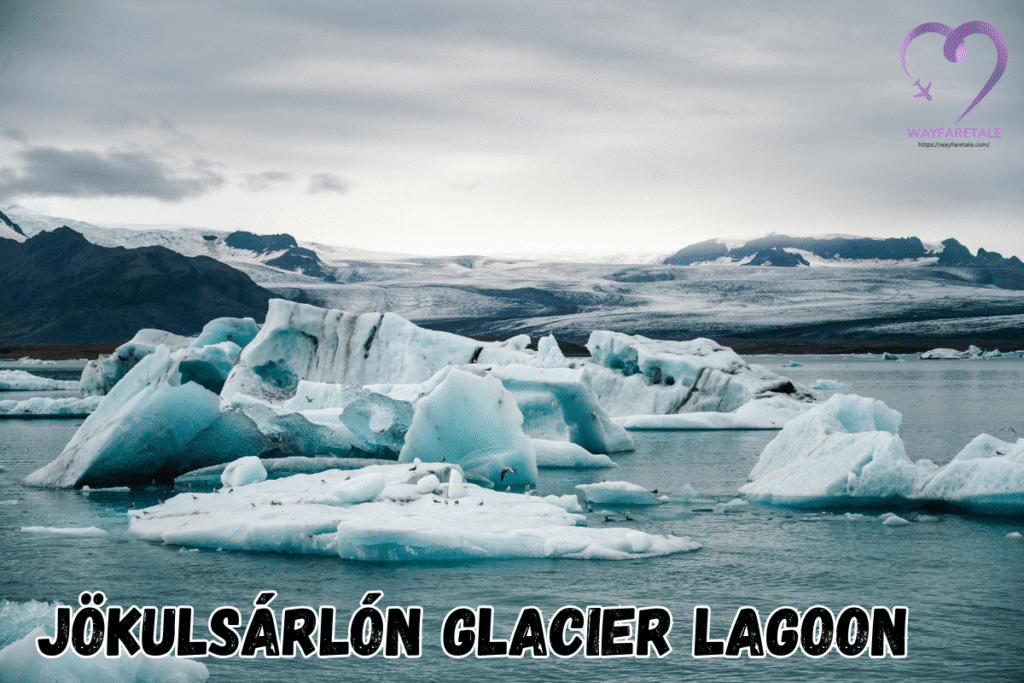
Jökulsárlón is a glacial lagoon where massive icebergs calve off from Breiðamerkurjökull glacier and float serenely in the deep blue water before drifting out to sea. The lagoon has been growing since 1935 as the glacier retreats – a visible reminder of climate change.
The icebergs come in every shade of blue and white, some streaked with black volcanic ash from ancient eruptions. They drift slowly through the lagoon, constantly changing position, creating an ever-shifting landscape of ice and water. Some icebergs are the size of houses!
I could have spent all day here just watching the ice. The play of light on the icebergs, the reflections in the water, the occasional loud crack as ice shifts – it’s mesmerizing. Seals often swim in the lagoon hunting for fish, popping their heads up between the icebergs.
BOAT TOURS: I highly recommend taking a boat tour on the lagoon. There are two options:
- Amphibian boat tours (40 minutes, about €45) – depart from the main shore
- Zodiac boat tours (1 hour, about €90) – smaller boats that get closer to the icebergs and glacier
I chose the Zodiac tour and it was incredible! Getting up close to the towering icebergs, hearing the ice crack and groan, touching thousand-year-old ice – it was unforgettable. Our guide even pulled up a chunk of ice for us to taste (it’s pure glacial ice, completely clean!).
BOOKING TIP: Book boat tours in advance, especially in summer when they sell out. You can book on IceGuide.is or through GetYourGuide.
Even if you don’t take a boat tour, spend plenty of time walking along the shore. There are viewing areas on both sides of the Ring Road bridge – the lagoon side and the ocean side (Diamond Beach).
DIAMOND BEACH
Directly across the Ring Road from Jökulsárlón is Diamond Beach, and it’s pure magic. This black sand beach is littered with ice chunks that have floated out of the lagoon and washed back onto shore.
The contrast is stunning: crystal-clear ice gleaming like diamonds on black volcanic sand, with waves crashing around them. Every piece of ice is unique – some are translucent blue, others crystal clear, ranging from pebble-size to car-size.
PHOTOGRAPHY PARADISE: Diamond Beach is a photographer’s dream, especially during golden hour. The ice glows from within when backlit by the sun, and the waves create dynamic motion around the stationary ice. I spent over an hour here just photographing different ice formations.
SAFETY NOTE: Again, watch out for sneaker waves! Don’t get so focused on photography that you forget the ocean. Keep a safe distance from the water’s edge.
TIMING TIP: Visit both Jökulsárlón and Diamond Beach at different times of day if possible. The light changes dramatically, creating completely different moods. I visited in the afternoon and returned again during golden hour – the evening light was spectacular!
HÖFN TOWN
After spending half a day at Jökulsárlón, continue about 45 minutes east to Höfn, where you’ll stay overnight. Höfn is a fishing town famous for its langoustine (Icelandic lobster).
Where to eat in Höfn: I had dinner at Pakkhús Restaurant, and the langoustine was absolutely divine – fresh, sweet, and perfectly prepared. It’s not cheap (about €40-50 for a main course), but it’s a must-try when in Höfn. For budget-friendly options, try Hafnarbúðin for fish and chips or grab groceries at Nettó supermarket.
Where to Stay in Höfn?
Höfn has several guesthouses and hotels. I stayed in a guesthouse with harbor views and could see the mountains and glaciers in the distance. The town is small but has everything you need – restaurants, supermarkets, and gas stations. Book through Booking.com for the best selection.
Day 5: East Fjords – Djúpivogur, Seyðisfjörður
- Distance covered: 250 KM
- Total drive time: 4 HRS (including scenic detours)
- Overnight in: Egilsstaðir
Day 5 takes you through Iceland’s beautiful East Fjords – a region that many travelers skip but absolutely shouldn’t. This is one of the most scenic drives in Iceland, with dramatic fjords, charming fishing villages, and mountains plunging into the sea.
DRIVING THE EAST FJORDS
The drive from Höfn to Egilsstaðir via the coastal route (Route 1) is spectacular but slow due to the winding roads. You’ll snake around deep fjords, climb mountain passes, and descend into tiny villages. This is truly scenic driving at its finest.
DRIVING TIP: This section has many tunnels (some single-lane!) and steep grades. Take your time, use passing places, and enjoy the incredible views. The narrow roads and tunnels can be nerve-wracking for some drivers, but the scenery is worth it!
DJÚPIVOGUR
About 1.5 hours from Höfn, the picturesque fishing village of Djúpivogur makes a perfect coffee break. This tiny village (population around 350) sits at the foot of the distinctive pyramid-shaped mountain Búlandstindur.
I stopped at Við Voginn café for coffee and homemade cake. The café has a lovely deck overlooking the harbor – perfect for watching fishing boats come and go. The village has a quirky outdoor art installation called “Eggs of Merry Bay” – 34 enormous egg sculptures representing local bird species.
Djúpivogur has a timeless quality that I loved. It feels like a place where life moves at a slower pace, connected to the rhythms of the sea and seasons.
STOKKSNES AND VESTRAHORN MOUNTAIN
About 30 minutes before Höfn (accessible from both directions), there’s a spectacular viewpoint at Stokksnes, featuring the dramatic Vestrahorn mountain (Batman mountain).
NOTE: There’s a 900 ISK entrance fee (about €6) to access the private road to Stokksnes. You pay at the Viking Café at the turnoff.
Vestrahorn is one of Iceland’s most photographed mountains – a dramatic 454-meter peak with jagged ridges reflected in the tidal pools and black sand of Stokksnes beach. The mountain’s distinctive pointed peaks look like Batman’s cowl, hence the nickname.
I spent about an hour here exploring the beach and photographing the mountain from different angles. If the tide is right, the reflection in the wet sand creates mirror-image photos. There’s also a reconstructed Viking village on the property (used as a film set) that you can explore.
PHOTOGRAPHY TIP: Visit during golden hour or blue hour for the most dramatic light. The mountain faces east, so sunrise is particularly spectacular.
SEYÐISFJÖRÐUR
This is the highlight of the East Fjords! Seyðisfjörður is hands down one of the most charming towns in Iceland. To reach it, you must take a detour from the Ring Road – drive Route 93 over Fjarðarheiði mountain pass (about 30 minutes from the Ring Road turnoff).
THE MOUNTAIN PASS: The drive over Fjarðarheiði pass is an adventure itself. You climb up through dramatic mountain scenery, and if there’s any fog (which is common), it creates an otherworldly atmosphere. Then suddenly, you crest the pass and the view opens up – the town of Seyðisfjörður nestled at the head of the fjord, with mountains plunging into the sea. It’s breathtaking!
ABOUT SEYÐISFJÖRÐUR:
This artistic little town has a population of about 650 and has a completely different vibe from anywhere else in Iceland. The town has strong artistic and hippie vibes, with colorful wooden houses, art galleries, craft shops, and a creative energy.
Things to do in Seyðisfjörður:
- Walk to the Blue Church (Bláa kirkjan) – This beautiful light blue church with a rainbow-painted road leading to it has become an Instagram icon. The rainbow road was painted to welcome the gay community and has become a symbol of inclusivity.
- Visit Skaftfell Cultural Center – An excellent contemporary art space with rotating exhibitions
- Explore the colorful downtown – Browse galleries, craft shops, and quirky stores
- Hike to Gufufoss and Fjarðará waterfalls – Beautiful waterfalls just outside town
- Have lunch at Kaffi Lára El Grillo Bar – Excellent food in a cozy atmosphere
I fell in love with Seyðisfjörður! The town has a creative, welcoming energy that’s infectious. If you have time, consider spending a night here instead of rushing through. I stayed for about 3 hours and could have easily stayed longer.
NOTE: The Smyril Line ferry from Denmark and the Faroe Islands docks here weekly, so the town gets busier on ferry days (usually Wednesdays in summer).
EGILSSTAÐIR
After exploring Seyðisfjörður, backtrack over the mountain pass to the Ring Road and continue to Egilsstaðir, the largest town in East Iceland (population about 2,500). It’s not particularly charming – more of a service town – but it’s a good base with all amenities.
I arrived in Egilsstaðir in the evening, had dinner at Café Nielsen (good burgers and fish), and relaxed at my guesthouse. Tomorrow would be a big day driving to North Iceland!
Day 6: Lake Mývatn Area – Dettifoss, Námaskarð, Mývatn Nature Baths
- Distance covered: 220 KM
- Total drive time: 3 HRS 30 MIN
- Overnight in: Reykjahlíð (Mývatn area) – 2 consecutive nights
Day 6 is packed with otherworldly landscapes! The Lake Mývatn area is one of Iceland’s most geologically active regions, featuring everything from Europe’s most powerful waterfall to bubbling mud pots and steaming fumaroles.
DETTIFOSS WATERFALL
Before heading to Lake Mývatn, I made a detour to Dettifoss – Europe’s most powerful waterfall – and it’s absolutely worth the extra driving. The turnoff from Route 1 is about 30 minutes north of Egilsstaðir.
There are two routes to Dettifoss:
- Route 862 (East side) – Paved road, easier access, shorter walk to viewpoint
- Route 864 (West side) – Rough gravel road (4WD recommended), but better views and access to Selfoss waterfall
I took Route 862 from the east side as I had a 2WD vehicle. The parking lot is about 1 km from the waterfall, with a well-marked path across the lava field.
DETTIFOSS EXPERIENCE:
Nothing can prepare you for the raw power of Dettifoss. This massive waterfall on the Jökulsá á Fjöllum river drops 45 meters, but it’s the sheer volume of water that’s mind-blowing – 193 cubic meters per second in summer! The ground literally shakes beneath your feet, and the roar is deafening.
The mist from the falls creates constant rainbows on sunny days, and the spray can drench you even from the viewing platforms. The waterfall sits in a dramatic black basalt canyon, making the white water stand out even more starkly.
MOVIE TRIVIA: Dettifoss was featured in the opening scene of Ridley Scott’s “Prometheus” – and standing there, I could understand why they chose it. It looks primordial and powerful.
HIKING TIP: If you have time and energy, hike north from Dettifoss to Selfoss waterfall (about 1.5 km, 30 minutes). Selfoss is smaller but incredibly beautiful – a horseshoe-shaped cascade that’s somehow more elegant than its powerful neighbor.
I spent about 2 hours at Dettifoss, completely mesmerized by the power of nature. The detour added about 2 hours to my drive (round trip from Route 1), but it was absolutely worth it!
HVERIR / NÁMASKARÐ GEOTHERMAL AREA
Continuing toward Lake Mývatn, you’ll reach Hverir (also called Námaskarð) – and suddenly you’ll feel like you’ve landed on another planet, or perhaps in Mordor from Lord of the Rings.
This active geothermal area features bubbling mud pots, steaming fumaroles, sulfur deposits, and hissing steam vents spread across a barren, colorful landscape. The ground is painted in yellows, oranges, reds, and browns from sulfur and other minerals.
The smell of sulfur (rotten eggs) hits you immediately – it’s strong! But the alien landscape is so fascinating that you quickly forget about it. I walked the boardwalk trails for about an hour, photographing the bubbling mud and steaming vents.
SAFETY WARNING: Stay on marked paths! The ground can be unstable, and some areas have boiling mud or steam that can cause serious burns. The earth’s crust is thin here, and there’s volcanic activity just below the surface.
PHOTOGRAPHY TIP: Visit early morning when steam is most visible in the cooler air, or during golden hour when the colorful ground glows. The contrast between the blue sky, colorful earth, and white steam creates incredible photos.
Parking is free, and there’s a viewing area right off Route 1. I found this place absolutely fascinating – it’s raw, powerful nature showing the volcanic forces that created Iceland.
GRJÓTAGJÁ CAVE
Just north of Námaskarð, there’s a small lava cave with a geothermal hot spring inside. Grjótagjá became famous as a filming location for Game of Thrones (Jon Snow and Ygritte’s love cave!).
The cave is free to access, but swimming is no longer allowed – the water temperature fluctuates wildly (currently around 50°C / 122°F), making it too hot and dangerous. However, it’s still worth a quick 15-minute stop to walk down the steps into the cave and see the stunning blue water.
The cave is dimly lit, and the geothermal water glows an ethereal blue. It’s a beautiful, intimate space that takes just a few minutes to explore.
DIMMUBORGIR LAVA FORMATIONS
Dimmuborgir (meaning “Dark Castles”) is a fascinating lava field with unusual rock formations that look like an ancient collapsed citadel. According to Icelandic folklore, this is where Satan landed when he was cast out of heaven, and it’s also said to be where Iceland’s Yule Lads (Christmas trolls) live.
The area has several well-marked hiking trails ranging from 15 minutes to 2 hours. I did the 30-minute “Church Circle” trail, which takes you past the most impressive formations including “Kirkjan” (The Church) – a cave that looks remarkably like a Gothic cathedral.
Walking through Dimmuborgir feels like exploring a fantasy landscape. The twisted lava pillars, caves, and arches create an otherworldly maze. It’s easy to see why so many legends are associated with this place.
Entry fee: 800 ISK parking fee. There’s a small café at the parking area.
LAKE MÝVATN
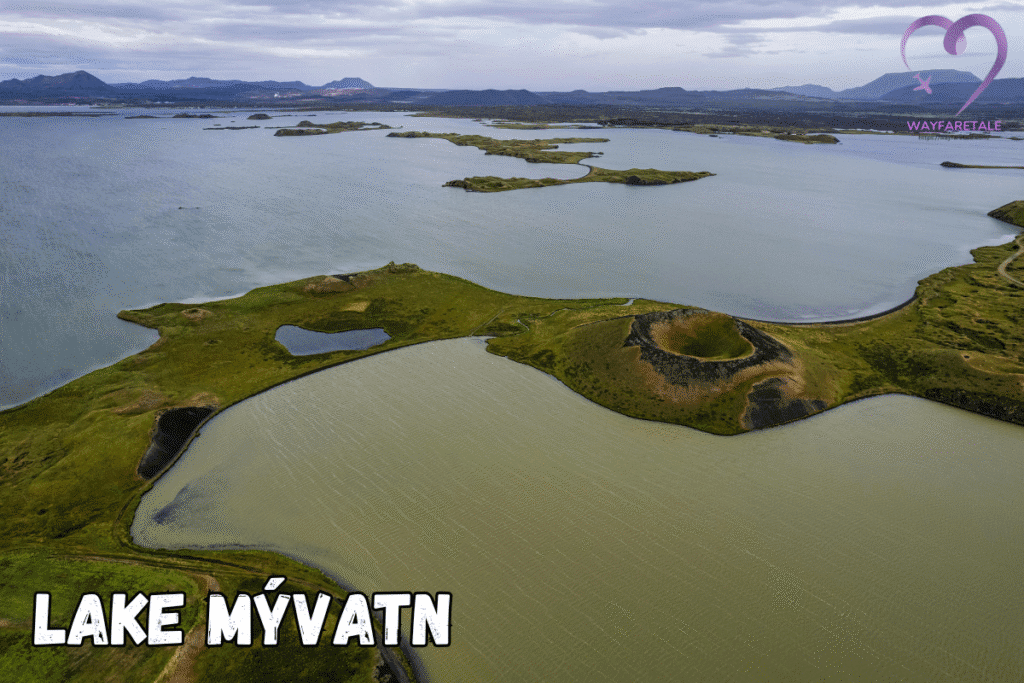
Lake Mývatn is the fourth largest lake in Iceland and sits in an incredibly active volcanic area. The name means “Midge Lake” – and yes, in summer there are LOTS of midges (tiny flies). They’re harmless but can be annoying.
Things to do around Lake Mývatn:
• Explore Skútustaðagígar Pseudo-Craters
These unique formations around the south shore of the lake look like volcanic craters but were actually formed by steam explosions when lava flowed over wetlands about 2,300 years ago. You can walk around and into some of the craters – the views over the lake from the top are beautiful.
I walked the 20-minute loop trail, which was easy and peaceful. The late afternoon light on the lake was gorgeous.
• Visit Höfði Nature Reserve
This small nature reserve on the eastern shore features beautiful lava formations extending into the lake, creating little bays and peninsulas. There’s a short 1 km loop trail through lava pillars and birch trees, with stunning lake views.
Höfði is particularly beautiful and peaceful. I saw several bird species here – Lake Mývatn is one of the best bird-watching spots in Iceland.
• Drive around the lake
Simply driving the 36 km loop around Lake Mývatn is wonderful. The road offers constantly changing views of the lake, lava fields, and surrounding volcanoes. Stop whenever something catches your eye!
MÝVATN NATURE BATHS
After a long day of sightseeing, end your day at the Mývatn Nature Baths – the North’s answer to the Blue Lagoon, but much less crowded and more affordable!
These geothermal baths feature naturally heated mineral-rich water (36-40°C) with a milky blue color. The pools overlook Lake Mývatn with mountains in the background – the setting is spectacular.
I soaked in the warm water for two hours, watching the sunset color the sky and reflect off the lake. After days of driving and hiking, the mineral water was incredibly relaxing. There’s also a steam bath that’s wonderfully hot.
PRACTICAL INFO:
- Price: About 5,500 ISK (€35-40) for adults
- Book tickets online in advance to guarantee entry and sometimes get a small discount
- Includes: Towel rental available, showers, changing rooms
- Tip: Go in the evening (open until 11 PM in summer) – fewer crowds and you can watch the sunset from the water
- Don’t forget: Remove all jewelry before entering (the minerals can damage it)
The Mývatn Nature Baths were a highlight of my trip – relaxing in hot water while surrounded by volcanic landscapes and watching the sky change colors was pure magic!
Where to Stay in Mývatn?
I stayed in Reykjahlíð, the main village on the northeast shore of Lake Mývatn. It’s a small village but has everything you need – several guesthouses, hotels, restaurants, a supermarket, and a gas station.
I booked a guesthouse with lake views through Booking.com. Staying for two consecutive nights meant I could thoroughly explore the area without rushing and could even revisit places in different light conditions.
Where to eat in Reykjahlíð: Vogafjós Farm Resort has a restaurant where you can eat while watching cows being milked through a window! Their homemade ice cream and geothermal bread are delicious. Gamli Bærinn is also good for traditional Icelandic food.
Day 7: Ásbyrgi Canyon, Húsavík (Whale Watching)

- Distance covered: 180 KM
- Total drive time: 2 HRS 30 MIN
- Overnight in: Reykjahlíð (second night)
Day 7 explores the incredible Diamond Circle route in North Iceland, featuring a spectacular canyon and Iceland’s whale watching capital.
ÁSBYRGI CANYON
About an hour’s drive north from Mývatn, Ásbyrgi is a horseshoe-shaped canyon that’s one of Iceland’s hidden gems. According to Norse mythology, the canyon was formed when Odin’s eight-legged horse Sleipnir touched the ground with one hoof. Geologists believe it was actually carved by catastrophic glacial floods from the Jökulsá river.
The canyon is 3.5 km long and up to 1 km wide, with sheer cliff walls rising 100 meters high. The floor of the canyon is filled with birch and willow forest, making it a green oasis in the otherwise barren landscape.
HIKING IN ÁSBYRGI:
There are several hiking options in Ásbyrgi:
• Botnstjörn Pond Trail (Easy, 30 minutes): A short loop around the small pond on the canyon floor, perfect if you’re short on time
• Eyjan Trail (Moderate, 1.5 hours): Climbs to the top of the “island” rock formation in the center of the canyon for panoramic views
• Cliff-top Trail (Moderate to Difficult, 2-3 hours): Follows the canyon rim for spectacular views down into the canyon
I did the Eyjan trail, which was steep in parts but totally manageable. The views from the top were incredible – you can see the entire horseshoe shape of the canyon, the forests below, and mountains in the distance.
Ásbyrgi is peaceful and beautiful, with far fewer tourists than more famous sights. I felt like I had this natural wonder almost to myself! There’s something special about being surrounded by 100-meter cliffs and ancient forest.
FACILITIES: Visitor center with exhibits about the area’s geology and ecology, free parking, toilets, and picnic areas.
HÚSAVÍK – WHALE WATCHING CAPITAL OF ICELAND
After exploring Ásbyrgi, drive about 30 minutes west to Húsavík, Iceland’s premier whale watching destination. This charming fishing town on Skjálfandi Bay has become famous for its incredibly high success rate for whale sightings (95-98%!).
WHALE WATCHING TOUR:
I booked a 3-hour whale watching tour with North Sailing (one of the original and most respected operators). Tours depart from the old harbor throughout the day.
WHAT I SAW: Our tour was incredibly successful! We saw:
- Multiple humpback whales – These massive creatures breaching and tail-slapping were absolutely thrilling to watch. When a 30-ton whale launches itself out of the water right next to your boat, it’s an experience you’ll never forget!
- White-beaked dolphins – A pod of playful dolphins riding the bow wave of our boat
- Harbor porpoises – Smaller and more shy, but adorable
- Minke whales – Glimpsed in the distance
We also saw thousands of seabirds, including puffins! (Puffins are usually visible from May to mid-August in the Húsavík area.)
TOUR TIPS:
- Book in advance, especially in summer – tours fill up quickly
- Dress very warm – it’s cold on the water even in summer! Wear layers, windproof jacket, hat, and gloves
- Take seasickness medication if you’re prone to motion sickness (even in calm conditions, the boat rocks)
- Bring binoculars if you have them
- Don’t forget your camera with a good zoom lens
- Traditional oak boats vs. modern boats: North Sailing uses traditional oak schooners which are charming and eco-friendly. Other companies use faster RIB boats. Both have advantages!
The whale watching was one of the absolute highlights of my Iceland trip. There’s something profoundly moving about seeing these magnificent creatures in their natural habitat.
IF WHALES DON’T APPEAR: Most companies offer a free return trip if you don’t see any whales, though this is very rare in Húsavík!
EXPLORING HÚSAVÍK TOWN
After the whale watching tour, spend some time exploring this charming town:
• Húsavík Whale Museum: Excellent museum with whale skeletons and detailed information about the marine mammals in Icelandic waters. Well worth a visit!
• Húsavíkurkirkja Church: The beautiful wooden church overlooking the harbor is one of Iceland’s most photographed churches. Built in 1907, it’s a stunning example of Scandinavian ecclesiastical architecture.
• Harbor area: Wander the old harbor, watch fishing boats come and go, and enjoy the maritime atmosphere.
• Geosea Geothermal Sea Baths: If you want another hot spring experience, Geosea is fantastic – geothermal baths overlooking the Arctic Ocean. I skipped it since I’d been to Mývatn Nature Baths the day before, but I’ve heard it’s wonderful!
Where to eat in Húsavík:
- Gamli Baukur – Excellent seafood, especially the fish soup and fresh catch of the day
- Naustið – More upscale seafood restaurant
- Salka Restaurant – Good burgers and more casual fare
After exploring Húsavík, I drove back to my accommodation in Reykjahlíð (about 1 hour drive) for my second night in the Mývatn area.
Day 8: Akureyri and Goðafoss Waterfall
- Distance covered: 140 KM
- Total drive time: 1 HR 45 MIN
- Overnight in: Akureyri
Day 8 takes you to Iceland’s “Capital of the North” – Akureyri – with a stop at one of the most beautiful waterfalls in the country.
GOÐAFOSS – WATERFALL OF THE GODS
About 45 minutes west of Mývatn on Route 1, Goðafoss is one of the most spectacular waterfalls in Iceland. The name means “Waterfall of the Gods” and comes from an important moment in Icelandic history.
HISTORY: In the year 1000 AD, when Iceland officially converted to Christianity, the lawspeaker Þorgeir Ljósvetningagoði supposedly threw his pagan idols into this waterfall, symbolizing Iceland’s conversion. Whether this story is true or not, the name has stuck.
THE WATERFALL:
Goðafoss is a wide, horseshoe-shaped waterfall on the Skjálfandafljót river, dropping about 12 meters. What it lacks in height, it makes up for in width (30 meters) and power. The falls are beautifully symmetrical, with a rocky island dividing the cascading water.
There are viewing platforms on both sides of the river (accessible from different parking areas). I recommend visiting both sides for different perspectives:
- East bank (main parking area): Classic front-on views of the horseshoe shape
- West bank: Closer views of the falls, slightly more dramatic angle
The water is an incredible milky blue-grey color from glacial silt, which contrasts beautifully with the black basalt rock. On sunny days, rainbows form in the mist.
I spent about an hour at Goðafoss, walking between viewpoints and taking photos. The sound of the falling water is thunderous, and the spray creates a constant fine mist that cools the air.
PARKING: 500 ISK on the east bank, free on the west bank (but west side parking is smaller and fills up quickly).
AKUREYRI – CAPITAL OF THE NORTH
After visiting Goðafoss, continue about 45 minutes to Akureyri, Iceland’s second-largest urban area (population about 19,000). Set at the head of Eyjafjörður fjord and surrounded by mountains, Akureyri is a surprisingly vibrant and charming city.
I checked into my hotel in Akureyri and spent the afternoon and evening exploring the city.
Things to do in Akureyri:
• Akureyrarkirkja Church
This stunning Art Deco church sitting on a hill above the town is Akureyri’s most iconic landmark. Built in 1940, the church features beautiful stained glass windows (including one from Coventry Cathedral in England) and a dramatic facade with steps leading up to the entrance.
The walk up the hill to the church is steep but worth it for the views over the town and fjord. I visited in the late afternoon when the light was beautiful.
• Botanical Garden (Lystigarður Akureyrar)
Iceland’s northernmost botanical garden is surprisingly impressive, featuring plants from around the Arctic and temperate regions. Even in the subarctic, the gardens are lush and colorful in summer. Admission is free, and it’s a peaceful place to wander.
• Downtown Akureyri
The pedestrianized downtown area (Hafnarstræti) is charming with colorful buildings, independent shops, cafés, and restaurants. I enjoyed browsing the bookshops and design stores.
Look for the unusual heart-shaped traffic lights scattered around town – a quirky local feature!
• Akureyri Art Museum
If you’re interested in art, this small museum features Icelandic contemporary art and is worth a visit.
• Swimming Pool (Sundlaug Akureyrar)
Like every town in Iceland, Akureyri has an excellent public swimming pool with hot tubs. I spent an evening here relaxing in the hot pots after days of driving and hiking. It’s a very local experience – Icelandic families gathering for their evening swim and chat in the hot tubs.
Where to eat in Akureyri:
- Rub23 – Excellent seafood and sushi, creative presentations
- Strikið – Great views over the fjord, good Icelandic cuisine
- Bláa Kannan – Cozy café with excellent coffee and homemade cakes
- Brynja – Famous ice cream shop (don’t miss it!)
- Supermarkets: Bónus and Krónan for groceries
NIGHTLIFE: Akureyri has a surprisingly lively nightlife scene for its size, with several bars and clubs if you’re interested. I kept it low-key with dinner and a walk around town in the evening light.
Where to Stay in Akureyri?
Akureyri has the best selection of accommodation in North Iceland, ranging from budget guesthouses to upscale hotels. I stayed in a hotel near the city center, within walking distance of restaurants and shops.
Book through Booking.com for the best rates. Staying in Akureyri gives you access to all amenities and makes a comfortable base for exploring North Iceland.
Day 9: Snæfellsnes Peninsula – Kirkjufell, Arnarstapi, Djúpalónssandur

- Distance covered: 340 KM
- Total drive time: 4 HRS 30 MIN
- Overnight in: Grundarfjörður (Snæfellsnes Peninsula)
Day 9 is a long driving day heading back toward Reykjavik, but you’ll explore the stunning Snæfellsnes Peninsula along the way – often called “Iceland in Miniature” because it has a bit of everything: glaciers, volcanoes, lava fields, waterfalls, black beaches, and charming fishing villages.
DRIVING TO SNÆFELLSNES PENINSULA
The drive from Akureyri to Snæfellsnes Peninsula takes you back along Route 1, heading south and west. The journey is long but scenic, passing through agricultural valleys and along fjords.
I left Akureyri early (around 7 AM) to maximize time on the peninsula. You’ll pass through Borgarnes, where you can stop for lunch and fuel before continuing to Snæfellsnes.
ROUTE OPTIONS: You can circle Snæfellsnes Peninsula clockwise or counterclockwise. I went counterclockwise (north coast first), which meant hitting the most famous sights in the afternoon light.
STYKKISHÓLMUR
If you have time, make a short detour to Stykkishólmur, a charming harbor town on the north side of the peninsula. This colorful town has a beautiful setting with islands dotting the bay.
Things to see:
- The Library of Water (Vatnasafn) – An art installation in a former library with columns of water from Icelandic glaciers
- Norwegian House (Norska Húsið) – Historic building housing a museum about local heritage
- Harbor area – Colorful houses reflected in the water, perfect for photos
I only had 30 minutes here, but it was a lovely little town. Consider having lunch at Narfeyrarstofa restaurant, which has excellent seafood and beautiful harbor views.
KIRKJUFELL – ICELAND’S MOST PHOTOGRAPHED MOUNTAIN
About 30 minutes from Stykkishólmur, you’ll reach Kirkjufell (Church Mountain) near the town of Grundarfjörður – and prepare to recognize it instantly from countless Iceland photos and even Game of Thrones!
Kirkjufell is a perfectly conical 463-meter mountain that rises dramatically right out of the fjord. Its distinctive shape makes it one of Iceland’s most iconic landmarks.
THE FAMOUS VIEW: The classic photo is taken from Kirkjufellsfoss waterfall, which is just across Route 54 from the mountain. The composition includes the mountain with the three-tiered waterfall in the foreground – it’s absolutely spectacular!
I spent over an hour here photographing from different angles and just admiring this beautiful scene. Even though it’s heavily photographed, standing there in person was special.
PHOTOGRAPHY TIPS:
- Best time: Sunset or sunrise for golden light on the mountain
- Winter: This is one of the best places to photograph Northern Lights with a landscape feature
- Use a wide-angle lens to capture both the waterfall and mountain
- Bring a tripod for long exposures of the flowing water
- Cross the road carefully – traffic can be heavy here
HIKING KIRKJUFELL: You can hike to the summit of Kirkjufell, but it’s steep, exposed, and requires experience and proper equipment. The hike takes about 1.5-2 hours one way and involves some scrambling. I chose to admire it from below!
Parking: Free parking at Kirkjufellsfoss, but it fills up quickly. Be patient and wait for a spot rather than parking illegally.
GRUNDARFJÖRÐUR
This is where I based myself for the night. Grundarfjörður is a small fishing village (population about 900) nestled between mountains and the sea, with Kirkjufell dominating the skyline.
The town is quiet and authentic, with a few restaurants, a supermarket, and a gas station. It’s the perfect peaceful base after busy days of sightseeing.
Where to eat: Bjargarsteinn Mathús has excellent fish and chips and seafood. Grundarfjörður Guesthouse restaurant also serves good traditional Icelandic food.
EXPLORING SOUTH COAST OF SNÆFELLSNES
After checking into my accommodation in Grundarfjörður, I spent the late afternoon/evening exploring the south coast of the peninsula.
ARNARSTAPI AND HELLNAR
These two tiny coastal villages are about 50 minutes from Grundarfjörður and feature dramatic coastal rock formations carved by the sea.
Arnarstapi has incredible basalt rock arches, sea stacks, and a stone arch sculpture of Bárður Snæfellsás (a half-troll, half-man figure from Icelandic folklore). A marked coastal path connects Arnarstapi to Hellnar (2.5 km, about 45 minutes walk).
I walked the coastal trail between the two villages and it was stunning! The path hugs the cliffs with constant views of bizarre rock formations, crashing waves, and seabirds. The basalt columns and arches are like natural sculptures.
Hellnar is even smaller than Arnarstapi but has a lovely little café (Fjöruhúsið) built into the rocks overlooking the sea – perfect for coffee or homemade soup with a view.
WILDLIFE TIP: These cliffs are excellent for bird watching. I saw Arctic terns, fulmars, and even some seals lounging on rocks below!
DJÚPALÓNSSANDUR BLACK BEACH
About 15 minutes from Arnarstapi, Djúpalónssandur is a dramatic black pebble beach backed by towering cliffs and dramatic rock formations.
The beach is famous for its “lifting stones” – four large stones that were historically used to test the strength of fishermen. They’re still there, and you can try to lift them yourself!
- Fullsterkur (Full strength) – 154 kg
- Hálfsterkur (Half strength) – 100 kg
- Hálfdrættingur (Weakling) – 54 kg
- Amlóði (Useless) – 23 kg
I managed the 23 kg one with effort – those fishermen were strong!
The beach also has the rusted remains of a British trawler that shipwrecked here in 1948, adding to the dramatic atmosphere. The twisted metal scattered across the black pebbles is haunting.
Walking on the beach with the powerful waves crashing, the black sand, the rusted shipwreck, and dramatic rock formations felt very atmospheric and slightly eerie.
SAFETY WARNING: Again, sneaker waves are dangerous here. Don’t go close to the water’s edge!
SNÆFELLSJÖKULL GLACIER
The Snæfellsjökull glacier-capped stratovolcano dominates the western end of the peninsula. This glacier is famous from Jules Verne’s novel “Journey to the Center of the Earth,” where it serves as the entrance to the Earth’s core!
On a clear day, you can see Snæfellsjökull from Reykjavik, over 100 km away. The glacier is visible from many points on the peninsula, creating a dramatic backdrop.
VISITING THE GLACIER: You can drive partway up the mountain (as far as conditions allow) or take a guided glacier tour to actually walk on it. I viewed it from various points around the peninsula, and its cone shape rising above the coastal landscapes was beautiful.
After a full day exploring Snæfellsnes, I returned to Grundarfjörður for the night. I watched the sunset light up Kirkjufell from my guesthouse – magical!
Where to Stay on Snæfellsnes Peninsula?
I stayed in Grundarfjörður, which is centrally located for exploring both sides of the peninsula. The town has several guesthouses and small hotels. I booked a guesthouse with mountain views through Booking.com.
Other good base options include Stykkishólmur (larger town, more amenities) or Ólafsvík (smaller, very peaceful).
Day 10: Return to Reykjavik via Borgarnes
- Distance covered: 180 KM
- Total drive time: 2 HRS 15 MIN
- Overnight in: Reykjavik (or evening flight out)
The final day of your Iceland road trip! Depending on your flight time, you have options for how to spend this day.
MORNING IN SNÆFELLSNES (IF TIME ALLOWS)
If you have time before heading to Reykjavik, there are a few more sights on Snæfellsnes worth visiting:
LÓNDRANGAR BASALT CLIFFS
These dramatic 75-meter high basalt rock pinnacles rising from the sea are the remains of an ancient volcanic crater. They’re about 10 minutes from Djúpalónssandur and make for impressive photos.
SVÖRTULOFT LIGHTHOUSE
This bright orange lighthouse on a rocky point creates a striking contrast with the black rocks and blue sea. It’s a quick stop but very photogenic.
BÚÐIR BLACK CHURCH
The tiny black wooden church at Búðir is one of Iceland’s most photographed churches. Set alone on a lava field with mountains behind it, it’s incredibly atmospheric. The church dates from 1848 and is beautifully minimalist.
I visited all three of these in the morning before driving to Reykjavik, adding about 2 hours to my schedule.
BORGARNES
On the drive back to Reykjavik, Borgarnes makes a good lunch stop. This small town has supermarkets, gas stations, and several restaurants.
THE SETTLEMENT CENTER: If you’re interested in Icelandic history and sagas, the Settlement Center museum in Borgarnes is excellent. It has exhibits about Iceland’s settlement and the famous Egils Saga. I spent about an hour here and found it fascinating.
Where to eat: The Settlement Center’s restaurant (Landnámssetur) serves excellent traditional Icelandic food.
REYKJAVIK
After about 1.5 hours from Borgarnes, you’ll reach Reykjavik. Depending on your flight time, you might have a few hours or a full day to explore Iceland’s colorful capital.
Things to do in Reykjavik:
• Hallgrímskirkja Church
This iconic church dominates Reykjavik’s skyline. The architecture was inspired by Iceland’s basalt columns. Take the elevator to the top of the tower for panoramic views over the city and surrounding mountains. (1,000 ISK entrance fee)
• Harpa Concert Hall
This stunning modern concert hall on the harbor features a glass facade inspired by Iceland’s basalt formations. Even if you don’t attend a concert, walk through the building to admire the incredible architecture and light effects.
• Laugavegur Street
Reykjavik’s main shopping street is lined with boutiques, restaurants, cafés, and street art. It’s perfect for souvenir shopping and people-watching.
• Old Harbor (Grandi)
The revitalized harbor area has excellent restaurants, museums (including the Whales of Iceland museum), and a weekend flea market. It’s a great area to wander.
• Try Icelandic Food:
If you haven’t tried these yet, Reykjavik is your last chance:
- Hot dogs from Bæjarins Beztu Pylsur (legendary hot dog stand)
- Icelandic lamb at any good restaurant
- Skyr (Icelandic yogurt) from any supermarket
- Kleinur (Icelandic twisted donuts)
- Rye bread ice cream at Café Loki
• Sun Voyager Sculpture
This striking steel sculpture on the waterfront is one of Reykjavik’s most photographed landmarks. Visit at sunset if possible.
Where to stay in Reykjavik:
If you need accommodation in Reykjavik, there are options for every budget from hostels to luxury hotels. The city center is compact and walkable, so staying anywhere downtown works well. Book through Booking.com.
RETURNING YOUR RENTAL CAR
Most car rental companies have offices at Keflavík Airport. Return the car about 2-3 hours before your flight. Fill up the gas tank before returning (there’s a gas station close to the airport).
INSPECTION TIP: Do a thorough walk-around inspection with the rental company staff to avoid any surprise charges. Take photos of the car’s condition.
BLUE LAGOON (OPTIONAL)
If your flight is late afternoon or evening and you didn’t visit the Blue Lagoon at the start of your trip, it’s conveniently located between Reykjavik and the airport (about 20 minutes from Keflavík).
The Blue Lagoon is Iceland’s most famous geothermal spa – a milky blue pool of mineral-rich water surrounded by black lava fields. Yes, it’s touristy and expensive (from €60-100+ depending on package), but it’s also genuinely beautiful and relaxing.
IMPORTANT: You MUST book in advance online – they don’t sell tickets at the door. Book several days ahead as it often sells out.
I visited the Blue Lagoon on my first trip to Iceland and enjoyed it, though I actually preferred the Mývatn Nature Baths for authenticity and fewer crowds. If you’ve been to other hot springs on this trip, you might skip it. But if it’s your first time in Iceland, it’s a iconic experience.
What I Skipped and What I Would Suggest Skipping
Based on my experience and feedback from other travelers, here are places you might consider skipping if you’re short on time:
• REYKJANES PENINSULA (except Blue Lagoon) – The peninsula near the airport has some geothermal areas, but they’re not as impressive as what you’ll see elsewhere in Iceland. Skip unless you have extra time.
• INTERIOR HIGHLANDS (F-ROADS) – These mountain roads are only open in summer, require 4WD, and add significant time. They’re beautiful but not essential for a first-time visitor. Save them for a return trip.
• WESTFJORDS – These remote fjords in northwest Iceland are stunning but add 3-4 days minimum to your itinerary. Skip on a 10-day trip and save for a longer visit.
• LANDMANNALAUGAR – This colorful mountain area is beautiful but requires either a 4WD vehicle or a bus tour, and it’s quite far off the Ring Road. Great for hikers who want multi-day treks, but not essential for a first visit.
• KERIÐ CRATER – This volcanic crater on the Golden Circle is pretty but charges an entrance fee (400 ISK) and isn’t particularly impressive compared to everything else you’ll see. Skip if pressed for time.
• BLUE LAGOON – Controversial opinion, but if you visit Mývatn Nature Baths or another natural hot spring, you might skip the expensive and crowded Blue Lagoon. However, it is iconic!
• PUFFIN COLONIES (if not in season) – Puffins are only in Iceland from May to mid-August. If traveling outside these months, don’t go out of your way for puffin sites.
Iceland Travel Resources
Planning your trip to Iceland soon? Below are some useful links to travel booking resources that I personally use.
FLIGHTS:
- Find the BEST FLIGHTS within your budget to Iceland using KIWI.com or Skyscanner – both offer excellent route comparisons and deals
- Icelandair and Play (budget airline) offer direct flights to Iceland from many European and North American cities
CAR RENTAL:
- Discovercars – Compare rates from multiple companies to get the best deal
- Northbound.is – Excellent for 4WD vehicles and camper vans
- Always book directly through rental companies or aggregators – avoid third-party scam sites
ACCOMMODATION:
- Booking.com – My go-to for hotels and guesthouses in Iceland with flexible cancellation
- Airbnb – Good for unique stays and farm accommodations
- Hotellook – Compares prices across multiple booking sites
TRAVEL INSURANCE:
- SafetyWing – Affordable coverage for adventure activities
- Heymondo – Comprehensive coverage including medical evacuation (important in Iceland!)
- DO NOT SKIP TRAVEL INSURANCE – Iceland’s medical costs are high, and rescue operations are expensive
TOURS AND ACTIVITIES:
- GetYourGuide – Book glacier hikes, ice cave tours, whale watching, and more
- Viator – Another excellent option for tours
- Guide to Iceland – Iceland-specific tour booking site
- Book activities in advance – Popular tours sell out, especially in summer
USEFUL APPS:
- Road.is – ESSENTIAL app for checking road conditions and weather
- Vedur.is – Icelandic weather app (critical for planning)
- 112 Iceland – Emergency app that shares your location with rescue services
- Maps.me – Offline maps that work without internet
DRIVING RESOURCES:
- Safetravel.is – Essential safety information for traveling in Iceland
- Drive.is – Information about driving regulations and conditions
Final Tips for Your Iceland Road Trip
WEATHER:
- Icelandic weather is extremely unpredictable – be prepared for all conditions even in summer
- Check weather and road conditions daily at road.is and vedur.is
- “If you don’t like the weather, wait 5 minutes” is genuinely true in Iceland!
PACKING ESSENTIALS:
- Layers, layers, layers – thermal base layers, fleece, waterproof jacket, warm hat, gloves
- Good waterproof hiking boots – you’ll get wet!
- Swimsuit – for hot springs
- Reusable water bottle – tap water is delicious and free
- Power adapter – Iceland uses European plugs (Type C and F)
- Headlamp or flashlight – useful for winter travel or late-night Northern Lights viewing
MONEY:
- Iceland is almost completely cashless – credit cards accepted everywhere
- Bring a credit card with no foreign transaction fees
- Budget more than you think – Iceland is expensive!
FOOD:
- Eating out is expensive – save money by shopping at Bónus supermarkets (cheapest)
- Cook some meals if your accommodation has a kitchen
- Try Icelandic specialties: lamb, fresh fish, skyr, kleinur, hot dogs
RESPONSIBLE TRAVEL:
- Stay on marked paths – Iceland’s nature is fragile and takes decades to recover from damage
- Never drive off-road – it’s illegal and destroys vegetation
- Respect private property – don’t trespass on farmland
- Take all trash with you – leave no trace
- Don’t disturb wildlife – keep respectful distance from animals
- Respect Icelanders – be courteous, keep noise down in rural areas
PHOTOGRAPHY:
- Golden hour is LONG in summer – light stays beautiful for hours
- Bring neutral density filters for long-exposure waterfall shots
- Protect camera gear from water/spray – you’ll be around waterfalls constantly
- Memory cards fill up fast – bring plenty of storage!
How Many Days Do You Really Need in Iceland?
10 DAYS: Perfect for the Ring Road circuit hitting all major highlights without feeling too rushed (this itinerary!)
7 DAYS: Doable for Ring Road but you’ll need to skip some areas or move faster. Focus on South Coast, Jökulsárlón, and either North Iceland OR Snæfellsnes.
14 DAYS: Ideal! You can do everything in this itinerary at a more relaxed pace, add the Westfjords, or spend more time hiking.
5 DAYS OR LESS: Stick to South Coast and Golden Circle – don’t try to do the Ring Road.
3 WEEKS+: Add Westfjords, Highlands, more extensive hiking, and thoroughly explore each region.
Conclusion
Iceland exceeded all my expectations. Every day brought new wonders – powerful waterfalls, massive glaciers, geothermal pools, volcanic landscapes, charming villages, and incredible wildlife. The landscapes are so dramatic and varied that sometimes I felt like I was on another planet.
The 10-day Ring Road itinerary is perfect for first-time visitors who want to see Iceland’s highlights without feeling rushed. You’ll experience the raw power of nature, from Europe’s most powerful waterfall to the serene beauty of icebergs floating in a lagoon.
Some personal highlights:
- Watching humpback whales breach in Húsavík – absolutely thrilling
- Glacier hiking on Vatnajökull – walking on thousand-year-old ice was surreal
- Jökulsárlón at sunset – the light on the icebergs was magical
- Soaking in Mývatn Nature Baths watching the sunset – pure bliss
- Driving the East Fjords – unexpected beauty in a less-visited region
- Kirkjufell at golden hour – understanding why it’s Iceland’s most photographed mountain
Iceland is expensive, the weather is unpredictable, and the wind will literally blow you over – but it’s absolutely, completely worth it. This is a place that reminds you of nature’s power and beauty, where you feel small in the best possible way.
Whether you’re chasing waterfalls, watching whales, soaking in hot springs, or driving scenic roads, Iceland will capture your heart. It certainly captured mine, and I’m already planning my return trip to explore the Westfjords and Highlands!
BEFORE YOU GO: Drop a comment below if you have questions about this Iceland itinerary! I’m happy to help with your planning. Safe travels, and enjoy your Iceland adventure!
More Iceland Travel Guides
- Best Waterfalls in Iceland – Complete guide to Iceland’s most spectacular falls
- Northern Lights Guide – Everything you need to know about seeing Aurora Borealis in Iceland
- Winter in Iceland – Tips for visiting Iceland in winter months
- Iceland Hiking Guide – Best day hikes and multi-day treks
- Iceland on a Budget – How to save money while traveling in expensive Iceland
- Iceland Photography Guide – Best locations and tips for capturing Iceland’s beauty
PIN THIS ICELAND ITINERARY FOR LATER!
Have you been to Iceland? What was your favorite experience? Let me know in the comments!