

England Road Trip: Epic 10-Day Itinerary Through Historic Cities, Charming Villages & Stunning Countryside!
England is an ideal destination for an unforgettable road trip. This detailed 10-day England itinerary covers the best places in the country that you can explore from London to the stunning landscapes of the Lake District.
England is a country of remarkable diversity packed into a relatively compact space! Scenic roads wind through historic market towns, rolling countryside, dramatic coastlines, and ancient stone villages. Therefore, going on an England road trip is by far the best way to experience this captivating country.
With your own wheels, you will be able to explore the best places in England conveniently. Although some sights can be reached by train or using organized tours, many of the most charming villages and hidden gems are only truly accessible by car.
Based on my experience of several visits to this wonderful country, I put together this comprehensive 10-day England road trip itinerary covering historic cities, picturesque countryside, coastal beauty, and iconic landmarks. It also indicates the distance traveled, provides an interactive map, and suggests places to stay in England.
Essential Travel Resources for Your England Road Trip
- Car rental tip 1: Discover Cars is an excellent choice for comparing rates between different rental companies in the UK. By comparing prices, you can save up to 70% on your rental rate. It also gives an option to add reasonably priced full coverage insurance.
- Car rental tip 2: If you prefer booking with major international companies, check Rentalcars.com for competitive rates from trusted providers.
- Stay: I booked all my accommodation in England on Booking.com and Airbnb.
- Travel Insurance: Purchase reliable travel insurance at Heymondo or SafetyWing (the cheapest option on the market).
- Check the best guided tours on Viator or GetYourGuide.
- Useful tip: Consider getting a National Trust membership if you plan to visit multiple historic properties – it can save you significant money!
Summary of My England Road Trip Route
- Day 1-2: London – Iconic Landmarks, Museums, and Historic Sites
- Day 3: Oxford – University Colleges and Literary Heritage
- Day 4: Cotswolds – Bibury, Bourton-on-the-Water, Stow-on-the-Wold
- Day 5: Bath and Stonehenge
- Day 6: Devon and Cornwall – Dartmoor, St Ives
- Day 7: Cornwall – Land’s End, St Michael’s Mount, Tintagel
- Day 8: York – Medieval Streets and York Minster
- Day 9: Lake District – Windermere, Grasmere, Mountain Pass Drives
- Day 10: Lake District – Hiking and Scenic Lakes
If I had One Week in England, my itinerary would include: London – Cotswolds – Bath & Stonehenge – Lake District – York.
If I had Two Weeks in England, I would add: Cambridge, the Peak District, Durham, and more time exploring Cornwall’s coastal villages.
England Road Trip Planning Tips

Renting a Car in England
Major car rental companies operate from all major airports including London Heathrow, Gatwick, Manchester, and Birmingham. However, I would suggest checking either Discover Cars or Rentalcars.com for the best rates.
IMPORTANT NOTE: Remember that in England, you drive on the LEFT side of the road! If you’re not accustomed to this, take extra time to adjust, especially at roundabouts (which are everywhere!).
Driving in England
Driving is an excellent way to explore England, especially the countryside and smaller villages that aren’t well-connected by public transport. Having your own vehicle allows you to stick to your own schedule and discover hidden gems off the beaten path.
England has excellent road infrastructure, with motorways (M-roads) connecting major cities and A-roads leading to smaller towns. However, be prepared for:
- Narrow country lanes: Many rural roads are extremely narrow – sometimes just wide enough for one car. You’ll need to use passing places and reverse when necessary.
- Roundabouts: They’re everywhere! Remember to give way to traffic coming from your right.
- Congestion charges: Central London has a congestion charge (£15/day). I recommend parking outside the city center and using public transport.
- Parking: In historic city centers and popular villages, parking can be challenging and expensive. Always check parking restrictions carefully.
Speed limits: 30mph in towns, 60mph on single carriageway roads, 70mph on dual carriageways and motorways.
Where to Stay During the England Road Trip
On every trip, including this road trip in England, I try to find a mix of privately owned B&Bs, boutique hotels, and self-catering apartments rather than chain hotels. This way, I get a more authentic experience and often better value for money.
When looking for accommodation in England with a rental car, parking is crucial. Not all city center accommodations offer parking, and street parking can be difficult. I always confirm parking availability before booking.
Accommodation: I book my stays through Booking.com and Airbnb. Both platforms offer great flexibility and user reviews that help make informed decisions.
Tip: Always check the cancellation policy. I usually book places with flexible cancellation terms in case my plans change.
Here is a Quick Summary of Where I Stayed:
- London – Premier Inn County Hall (near Westminster) – 2 nights
- Cotswolds – Boutique B&B in Stow-on-the-Wold – 1 night
- Bath – Georgian townhouse B&B – 1 night
- Cornwall – Coastal cottage near St Ives – 2 nights
- York – Historic guesthouse within city walls – 1 night
- Lake District – Traditional inn in Grasmere – 2 nights
I booked all my England accommodation through Booking.com and Airbnb. You can find more detailed comments on each place later in this post.
What to Expect in England?
In England, you will experience world-class museums and historic landmarks in London, the dreaming spires of Oxford, the honey-colored stone villages of the Cotswolds, Roman baths and Georgian architecture in Bath, and the mysterious prehistoric monument of Stonehenge. You’ll explore dramatic coastlines in Cornwall, walk in the footsteps of the Romans at Hadrian’s Wall, wander the medieval streets of York, and breathe in the spectacular mountain scenery of the Lake District. All this and more is waiting for you in this country steeped in history and natural beauty.
How Many Days Do You Need in England?
Based on my experience from several visits to the country, if you want to explore the main highlights, 10 days in England is a good amount of time. In one week, you can cover London, the Cotswolds, Bath, and one other region (either Lake District or Cornwall).
For two weeks, you can explore more regions including Cambridge, the Peak District, the Yorkshire Dales, or spend more time in each location.
This post highlights the absolute must-see places in England for those with limited time, plus places you might consider skipping if you’re short on time.
Note: This itinerary is flexible. You can adjust it based on your arrival airport and interests.
When to Visit England?
The best time to visit England is during the shoulder seasons of late spring (May-June) and early autumn (September-October). The weather is generally pleasant, attractions are less crowded, and accommodation prices are more reasonable.
Summer (July-August) is peak season with the best weather but also the biggest crowds and highest prices. Popular spots like the Cotswolds and Lake District can be very busy.
Spring (April-May) offers beautiful gardens in bloom and baby lambs in the countryside. However, weather can be unpredictable.
Winter (November-March) is cold and many rural attractions have reduced hours, but cities like London are beautiful with Christmas markets and decorations.
Budget for Your Road Trip in England
England can be expensive compared to many European countries. However, with careful planning, you can manage costs. A rough breakdown of expected costs:
- Accommodation: £60-£100/night for a decent B&B or hotel (£40-£70 for budget options)
- Dine out: £25-£50/day depending on where you eat (pub meals are usually £12-£18)
- Car Rental: £25-£50/day depending on the season and car type
- Fuel: £1.45-£1.55/liter (petrol prices in 2024)
- Attractions: Many museums are free, but historic sites typically cost £10-£25 per person
- Parking: £2-£15/day depending on location
Money-saving tips:
- Get a National Trust membership (£75/year) if visiting multiple properties
- Eat lunch at pubs for better value than dinner
- Book accommodation in advance for better rates
- Many London museums are free (British Museum, National Gallery, V&A)
England 10-Day Road Trip Itinerary Day by Day
For those of you who want to have a good grasp on what England has to offer, here is my day-by-day breakdown of the route I took during my 10-day road trip through this historic and beautiful country.
Day 1-2: London – Iconic Landmarks and World-Class Museums
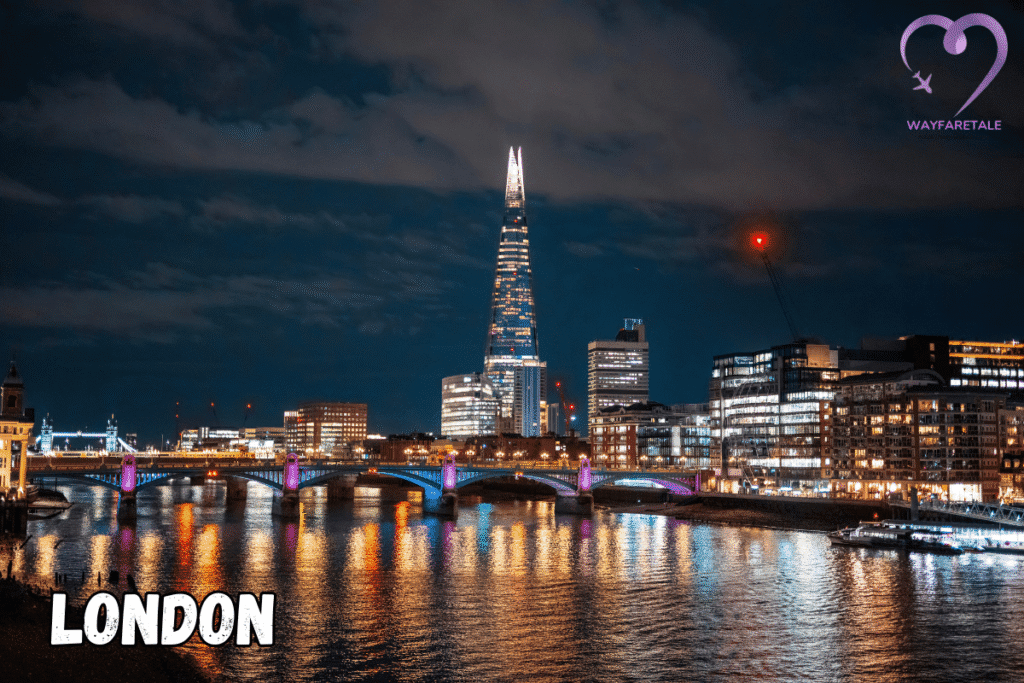
- Distance covered: 20-30 KM (within London)
- Total drive time: N/A (use public transport in London)
- Overnight in: London for 2 consecutive nights
If you’re flying into London, I recommend parking your rental car at your accommodation (or not picking it up until Day 3) and exploring the city using the excellent Tube system. Driving in central London is stressful and expensive due to congestion charges.
London is a city that needs no introduction. With over 2000 years of history, world-renowned museums, iconic landmarks, and diverse neighborhoods, you could easily spend weeks here. For this itinerary, I’ve focused on the absolute must-sees that first-time visitors shouldn’t miss.
Things to Do in London
WESTMINSTER & ROYAL LONDON
- Visit Westminster Abbey – This stunning Gothic church has been the coronation site of British monarchs since 1066. It’s where Prince William married Kate Middleton and where many kings, queens, and famous figures are buried. The architecture alone is breathtaking. Entrance: £27 per adult.
- See Big Ben and the Houses of Parliament – These iconic symbols of London are best photographed from Westminster Bridge. Big Ben (actually the name of the bell, not the tower!) is currently fully visible after recent restoration work. You can book tours of Parliament when it’s in session.
- Walk down to Buckingham Palace – Stroll through St James’s Park to reach the official residence of the King. If the Royal Standard flag is flying, the King is home! The Changing of the Guard ceremony happens at 11 AM (check schedule as it doesn’t happen daily).
MUSEUMS (ALL FREE!)
- The British Museum – One of the world’s greatest museums housing treasures from every continent. Don’t miss the Rosetta Stone, Egyptian mummies, and the Parthenon sculptures. I could spend days here! Allow at least 3-4 hours.
- The National Gallery – Located in Trafalgar Square, this museum houses masterpieces by Van Gogh, Da Vinci, Monet, and Turner. Even if you’re not an art enthusiast, the collection is extraordinary.
- Natural History Museum – Perfect if traveling with kids, but adults will love it too. The dinosaur gallery and the beautiful Victorian building itself are worth the visit.
USEFUL TIP: Most major London museums are FREE (though they request donations). This is incredible value and you can pop in and out without feeling pressure to stay for hours.
TOWER OF LONDON & TOWER BRIDGE
- Explore the Tower of London – This 1000-year-old fortress has served as a royal palace, prison, and execution site. See the Crown Jewels, hear stories from the Yeoman Warders (Beefeaters), and learn about the tower’s dark history. Allow 2-3 hours. Entrance: £33.60.
- Walk across Tower Bridge – This iconic Victorian bridge offers fantastic photo opportunities. You can also visit the glass walkway high above the Thames for spectacular views.
COVENT GARDEN & SOHO
- Wander through Covent Garden – This former fruit and vegetable market is now a vibrant area filled with street performers, boutique shops, and restaurants. The covered market building is beautiful, and the atmosphere is always lively.
- Explore Soho and Chinatown – These neighboring areas offer the best food scene in London. From Michelin-starred restaurants to authentic dim sum, you’ll find incredible dining options here.
SOUTH BANK
- Walk along the Thames South Bank – This pedestrian walkway from Westminster Bridge to Tower Bridge passes the London Eye, Tate Modern, Shakespeare’s Globe, and Borough Market. It’s a fantastic way to see multiple sights.
- Visit Borough Market – One of London’s oldest food markets (1000+ years old!). Come hungry and sample artisan foods, fresh produce, and street food from around the world. Open Wednesday-Saturday, best on Saturdays.
NOTTING HILL & PORTOBELLO ROAD
If you have time on Day 2, head to the charming neighborhood of Notting Hill with its colorful houses and the famous Portobello Road Market (best on Saturdays). It’s Instagram-perfect and feels like a village within the city.
USEFUL TIP: Get an Oyster Card or use contactless payment on the Tube – it’s much cheaper than buying individual tickets. The Tube is the fastest way to get around London.
DINNER RECOMMENDATION: For traditional British food, try a gastropub like The Churchill Arms in Kensington or The Harwood Arms. For something special, book afternoon tea at Sketch or The Wolseley.
Where to Stay in London?
I recommend staying outside the very center to save money while still being well-connected. Areas like Southwark, King’s Cross, or Paddington offer good value with excellent transport links.
I stayed at Premier Inn County Hall near Westminster – it had unbeatable views of Big Ben and the Thames, and I could walk to most major attractions. The price was reasonable for London standards (around £100/night), and breakfast was included.
Alternative recommendations:
- Budget: Generator Hostel London or Tune Hotel Westminster
- Mid-range: The Hoxton or CitizenM
- Luxury: The Savoy or Claridge’s
Book your stay on Booking.com or Hotels.com for the best rates and flexibility.
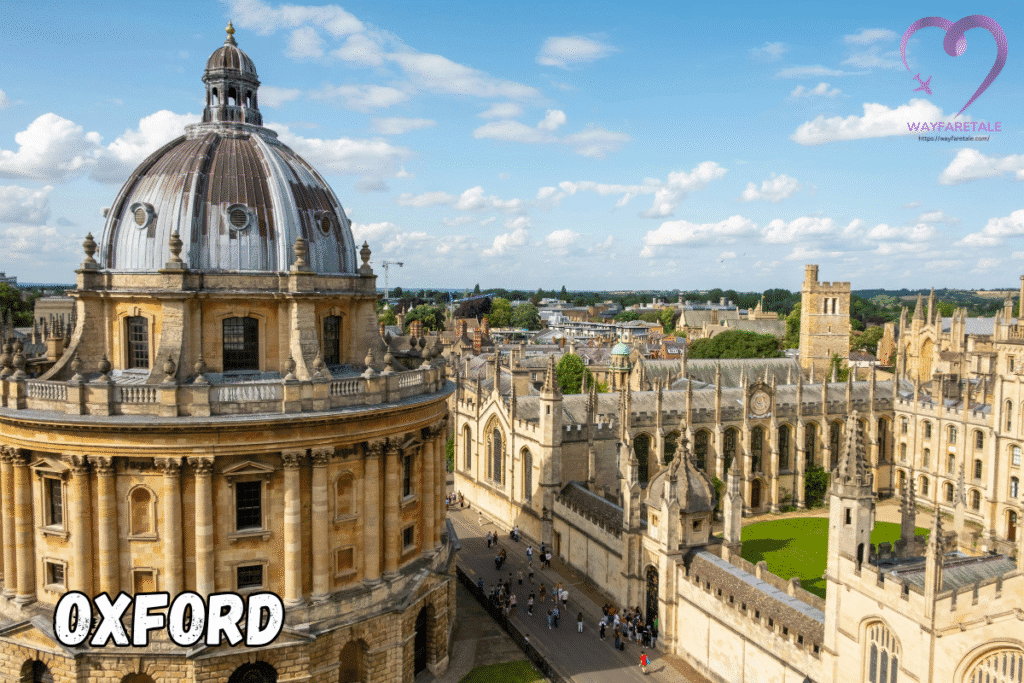
Day 3: Oxford – The City of Dreaming Spires
- Distance covered: 100 KM (round trip from London)
- Total drive time: 1 HR 30 MIN each way
- Overnight in: Oxford or continue to Cotswolds
Pick up your rental car in the morning and head northwest to Oxford, one of the world’s most famous university cities. The “city of dreaming spires” has been a center of learning for over 900 years and has educated countless prime ministers, Nobel laureates, and famous authors including Lewis Carroll, J.R.R. Tolkien, and C.S. Lewis.
PARKING TIP: Driving and parking in central Oxford is difficult. I recommend using one of the Park & Ride facilities on the outskirts (Pear Tree, Redbridge, or Seacourt) and taking the bus into the center. It’s cheaper and stress-free.
Things to Do in Oxford
OXFORD UNIVERSITY COLLEGES
Oxford isn’t a single campus but a collection of 39 independent colleges spread throughout the city. Several allow visitors (usually £5-10 entrance fee).
- Christ Church College – The most famous and grandest college. Its dining hall inspired Hogwarts’ Great Hall in Harry Potter films. The cathedral is England’s smallest. Don’t miss Tom Quad, the largest quadrangle in Oxford. Entrance: £15.
USEFUL TIP: Visit Christ Church early morning (opens at 10 AM) or late afternoon to avoid tour groups. The dining hall closes during meal times (12-2 PM), so plan accordingly.
- Bodleian Library – One of the oldest libraries in Europe and one of the largest in Britain. The medieval Duke Humfrey’s Library appeared in Harry Potter films as Hogwarts library. You must book a tour in advance (£9-17 depending on tour type).
- Radcliffe Camera – This stunning circular building is Oxford’s most photographed landmark. It’s part of the Bodleian Library and not open to the public, but you can admire it from the outside. The view from St Mary’s Church tower is spectacular!
CLIMB ST MARY THE VIRGIN CHURCH TOWER
For the best panoramic views of Oxford’s dreaming spires, climb the 127 steps of St Mary’s Church tower. From the top, you’ll see the Radcliffe Camera, All Souls College, and the entire historic center. Entrance: £5. Trust me, it’s worth the climb!
WALK DOWN THE HIGH STREET
Oxford’s High Street is considered one of the most beautiful streets in England. It curves gracefully past historic colleges, ancient churches, and elegant buildings. Just wandering and soaking in the atmosphere is a highlight.
EXPLORE THE COVERED MARKET
Dating back to 1774, this covered market is filled with independent shops, cafes, and food stalls. It’s a great spot for lunch – try a traditional pie from The Pie Shop or grab a gourmet sandwich.
TAKE A PUNT ON THE RIVER CHERWELL
For a quintessentially Oxford experience, hire a punt (flat-bottomed boat) and glide along the River Cherwell through the University Parks. It’s relaxing and offers a different perspective of the colleges. Punts can be hired at Magdalen Bridge or Cherwell Boathouse (£20-30 per hour).
VISIT THE ASHMOLEAN MUSEUM (if time permits)
Britain’s oldest public museum houses incredible collections from ancient Egypt, Greece, and Rome, plus European art. The building itself is beautiful. And it’s FREE!
LITERARY OXFORD
Oxford has incredible literary connections:
- The Eagle and Child Pub – Where J.R.R. Tolkien and C.S. Lewis (The Inklings) met regularly to discuss their writings. Grab a pint where literary history was made!
- Alice’s Shop – The inspiration for the sheep shop in “Through the Looking Glass.” Alice Liddell (the real Alice) bought sweets here as a child.
USEFUL TIP: If you’re a Harry Potter fan, consider joining a walking tour that covers all the filming locations in Oxford. Many colleges and halls were used as Hogwarts locations.
Where to Eat in Oxford
- Breakfast/Lunch: The Grand Café (England’s oldest coffee house) or The Vaults & Garden Café
- Afternoon Tea: The Randolph Hotel
- Dinner: The Turf Tavern (historic pub down a hidden alley) or Quod Restaurant & Bar
- Pub Meal: The Eagle and Child or The Bear Inn (Oxford’s oldest pub)
Where to Stay in Oxford?
If you prefer a quieter evening, stay in Oxford. Otherwise, continue driving 30 minutes to the Cotswolds where you’ll spend the next night.
Oxford accommodation options:
- Budget: Oxford YHA Hostel
- Mid-range: Vanbrugh House Hotel or The Bocardo Hotel
- Luxury: The Randolph Hotel or Macdonald Randolph Hotel
Or continue to the Cotswolds and stay in Stow-on-the-Wold, Bourton-on-the-Water, or Chipping Campden.
I chose to drive directly to the Cotswolds and arrived at my B&B in Stow-on-the-Wold by early evening, giving me the full next day to explore the villages.
Day 4: The Cotswolds – England’s Most Beautiful Villages

- Distance covered: 80 KM (exploring multiple villages)
- Total drive time: 2 HRS (with stops)
- Overnight in: Cotswolds (Stow-on-the-Wold or similar)
The Cotswolds is an Area of Outstanding Natural Beauty covering nearly 800 square miles of rolling hills, honey-colored stone villages, and pastoral countryside. This is the England of postcards and period dramas – chocolate-box cottages with thatched roofs, wisteria-draped walls, and sheep grazing in emerald fields.
Driving through the Cotswolds is pure joy. The narrow country lanes wind through picture-perfect villages that seem frozen in time. I recommend focusing on 3-4 villages rather than rushing through too many.
BIBURY – “The Most Beautiful Village in England”
Start your day early in Bibury, which William Morris called “the most beautiful village in England.” And honestly, he wasn’t wrong.
Arlington Row is the main attraction – a row of weavers’ cottages dating from the 14th century. These honey-colored stone cottages with steep roofs are probably the most photographed street in the Cotswolds. Come before 9 AM to avoid the crowds and tour buses.
USEFUL TIP: Park at the Swan Hotel car park (pay and display, around £4 for 3 hours). From here, it’s a short walk to Arlington Row. The best view is from across the meadow – the cottages reflected in the stream create a fairy-tale scene.
Walk along the River Coln to Bibury Trout Farm where you can feed the fish (kids love this!) or even catch your own trout to take away. The entire village can be explored in about an hour.
DRIVING TIP: The roads around Bibury are extremely narrow. Take it slowly, especially around blind corners. You’ll often need to reverse to passing places to let oncoming traffic through.
BOURTON-ON-THE-WATER – “The Venice of the Cotswolds”
Next, drive 15 minutes to Bourton-on-the-Water, nicknamed “The Venice of the Cotswolds” (though that’s a bit of a stretch!). This village is built around the River Windrush, with low bridges crossing the shallow water and willow trees lining the banks.
Things to do in Bourton-on-the-Water:
- Walk along the river – Children (and adults!) love paddling in the clear, shallow water on warm days. The riverside greens are perfect for picnics.
- Visit the Model Village – A 1:9 scale replica of Bourton-on-the-Water built in 1937. It’s charming and includes a model of itself! Entrance: £4.50.
- Motor Museum – If you’re into vintage cars, this quirky museum has a great collection. Otherwise, skip it.
Bourton-on-the-Water is definitely more touristy than other Cotswolds villages, with plenty of tea rooms, souvenir shops, and ice cream parlors. I suggest having lunch here – The Mousetrap Inn serves excellent pub food with a view of the river.
PARKING: Use the main car park off Station Road (pay and display, around £5 for 3 hours). It gets very busy on weekends and school holidays.
STOW-ON-THE-WOLD – Antiques and Market Square
Drive 10 minutes up the hill to Stow-on-the-Wold, the highest town in the Cotswolds at 800 feet. This market town has a completely different feel – less touristy, more authentically lived-in.
The large Market Square is surrounded by antique shops, galleries, and historic pubs. The town’s motto is “Stow on the Wold, where the wind blows cold” – and it really does! Even in summer, bring a jacket.
Things to do:
- Browse the antique shops – Stow has some of the best antique dealers in England. Even if you’re not buying, window shopping is fun.
- Visit St Edward’s Church – A beautiful medieval church with a distinctive door flanked by two ancient yew trees. It inspired J.R.R. Tolkien’s “Door of Durin” in Lord of the Rings!
- Have afternoon tea – The Cotswolds is the perfect place for proper English afternoon tea. Try Lucy’s Tea Room or The Old Bakery Tea Room.
I based myself in Stow-on-the-Wold because it’s centrally located and has excellent pubs and restaurants. In the evening, the day-trippers leave and you get to experience the peaceful Cotswolds atmosphere.
LOWER SLAUGHTER & UPPER SLAUGHTER (if time permits)
If you have extra time, visit these two villages with unfortunate names! “Slaughter” comes from “slohtre,” the Old English word for muddy place – nothing sinister!
Lower Slaughter is extraordinarily pretty with a gentle stream running through it, old mill, and perfect stone cottages. There’s nowhere to park in the village itself, so park in Bourton-on-the-Water and walk the riverside path (about 1.5 km).
These villages are quieter and less commercialized than Bibury or Bourton – perfect for a peaceful stroll.
BROADWAY & CHIPPING CAMPDEN (alternative route)
If you prefer, you could instead visit Broadway (called “the jewel of the Cotswolds”) and Chipping Campden in the northern Cotswolds. Both are stunning and less crowded than Bibury.
USEFUL TIP: The Cotswolds can be maddeningly busy on summer weekends. Visit on weekdays if possible, or arrive at villages before 9 AM or after 4 PM.
Where to Stay in the Cotswolds
I stayed at a boutique B&B in Stow-on-the-Wold called The Porch House – it claims to be England’s oldest inn (987 AD!). The rooms were cozy with exposed beams, the breakfast was excellent, and the location was perfect for evening walks around the town. Around £110/night including breakfast.
Other recommendations:
- Budget: The Cotswold House in Chipping Campden
- Mid-range: The Lamb Inn in Burford or Lords of the Manor in Upper Slaughter
- Luxury: Whatley Manor or Barnsley House
Book through Booking.com or check Airbnb for charming cottage rentals.
Day 5: Bath and Stonehenge – Romans and Ancient Mysteries
- Distance covered: 160 KM
- Total drive time: 2 HRS 30 MIN (excluding stops)
- Overnight in: Bath
Leave the Cotswolds and drive south to Bath, one of England’s most elegant cities. On the way, you’ll stop at the world’s most famous prehistoric monument – Stonehenge.
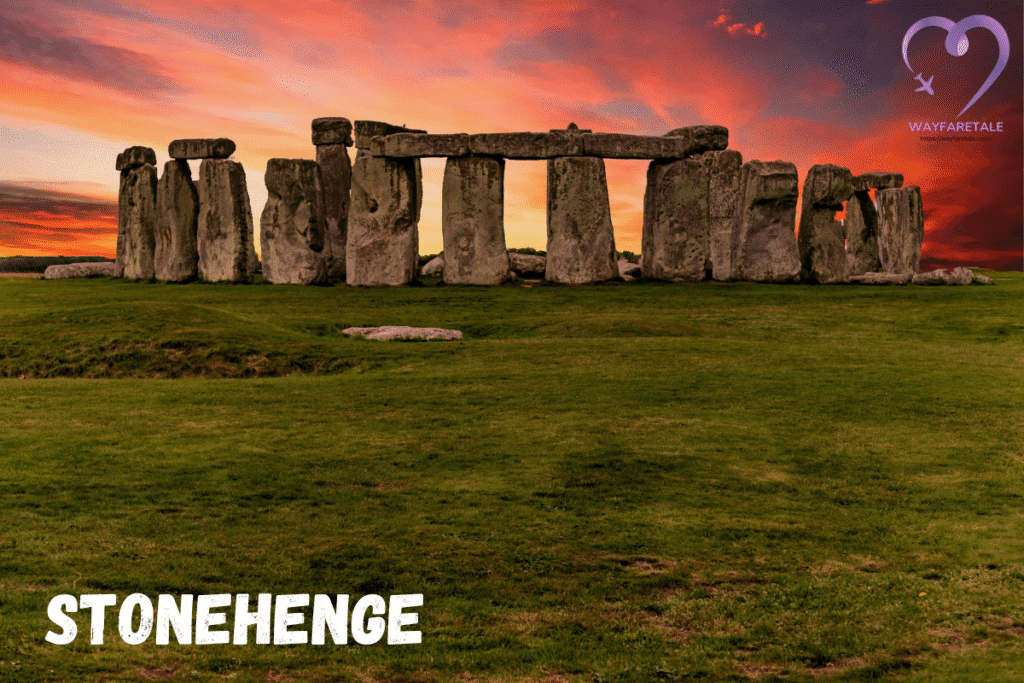
STONEHENGE – England’s Most Iconic Ancient Monument
USEFUL TIP: Visit Stonehenge first thing in the morning (opens at 9:30 AM) before heading to Bath. This way you’ll beat the worst crowds and have better light for photos.
Stonehenge needs no introduction. This mysterious circle of massive standing stones has stood on Salisbury Plain for over 4,500 years. How did prehistoric people transport these stones weighing up to 25 tons? Why did they build it? The mystery is part of the magic.
I’ll be honest – Stonehenge divides visitors. Some find it underwhelming because you can’t walk among the stones (you view them from a pathway about 10 meters away). Others find it deeply moving and awe-inspiring. I fell into the latter category. Standing before these ancient stones, knowing they’ve witnessed 4,500 years of history, gave me goosebumps.
What to expect:
- You park at the visitor center and take a shuttle bus to the stones (included in ticket)
- Audio guide is included and highly recommended – it brings the site to life
- You walk a circular path around the stones with excellent interpretation boards
- Allow 1.5-2 hours total
- Entrance: £21.50 (book online in advance – you MUST pre-book a time slot)
PHOTOGRAPHY TIP: The best light is early morning or late afternoon when the sun is lower. The stones face northeast, so morning light from the east side is particularly beautiful.
Alternative: If you want to walk among the stones, you can book a Special Access visit at sunrise or sunset (£48, very limited availability). It’s magical but must be booked months in advance.
BATH – Georgian Elegance and Roman History
Drive 45 minutes from Stonehenge to Bath, a UNESCO World Heritage city that’s been a spa destination for 2,000 years. The Romans built elaborate bath houses here to worship the goddess Sulis Minerva at Britain’s only natural hot springs.
In the 18th century, Bath became the most fashionable resort in England. The wealthy built stunning Georgian crescents and terraces from honey-colored Bath stone. The entire city center is architecturally harmonious and breathtakingly beautiful.
PARKING TIP: Bath is not car-friendly. I recommend parking at one of the Park & Ride facilities (Odd Down or Lansdown) and taking the bus into the center. Or use the multi-story car parks at Southgate or Charlotte Street (expensive – around £15-20 for the day).
Things to Do in Bath
THE ROMAN BATHS
The absolute must-see in Bath. These remarkably preserved Roman baths are one of the finest historic sites in Europe. Walk through the steaming waters, see the stunning Roman architecture, and learn about the ancient spa culture.
The museum is excellent with artifacts, interactive displays, and projections showing how the baths looked in Roman times. The audio guide (included) is narrated by Bill Bryson – entertaining and informative!
USEFUL TIP: The Roman Baths are extremely popular. Book your ticket online in advance for a specific time slot to avoid queuing. I recommend visiting early (9 AM) or late afternoon (after 4 PM). Allow 2 hours.
Entrance: £25. Expensive, but worth every penny!
PRO TIP: You can’t bathe in the Roman Baths (the water is toxic!), but you CAN bathe in Bath’s thermal waters at Thermae Bath Spa just around the corner. The rooftop pool with views over the city is incredible. Book ahead! (£40 for 2 hours).
BATH ABBEY
This magnificent Gothic abbey dominates the city center. The fan-vaulted ceiling is breathtaking – it’s like standing inside a carved stone forest. Climb the tower for panoramic views of Bath (212 steps). Free to enter the church (donations welcome), £8 for the tower.
THE ROYAL CRESCENT & THE CIRCUS
Bath’s most famous architectural landmarks. The Royal Crescent is a sweeping arc of 30 terraced houses forming a perfect crescent – one of the finest examples of Georgian architecture in Britain.
No. 1 Royal Crescent is a museum showing how wealthy residents lived in the 18th century. Interesting if you love historic interiors (£11.50).
Walk to The Circus, a circular arrangement of Georgian townhouses inspired by the Colosseum. Jane Austen connections are everywhere – she lived at different addresses in Bath.
PULTENEY BRIDGE
This beautiful bridge lined with shops (one of only four in the world) crosses the River Avon. It looks like Florence’s Ponte Vecchio. The view from the weir is lovely – grab a coffee at The Pulteney Arms and enjoy the scene.
JANE AUSTEN CENTRE
If you’re a Jane Austen fan, visit this museum dedicated to her time in Bath. Bath features prominently in “Persuasion” and “Northanger Abbey.” The costumed guides are passionate and knowledgeable. £14.50.
WALK THE BATH SKYLINE
If you have time and energy, the Bath Skyline walk is a 6-mile circular trail offering stunning views of the city and countryside. Start at Bath Abbey and follow the National Trust path. Allow 3-4 hours.
Where to Eat in Bath
- Lunch: Sally Lunn’s Historic Eating House (try the famous Sally Lunn bun – Bath’s oldest house!)
- Afternoon Tea: The Pump Room (elegant Georgian room where you can taste the spa water – it’s disgusting!)
- Dinner: The Circus Restaurant or The Scallop Shell (best fish & chips)
- Pub: The Raven (excellent pub food) or The Pig & Fiddle
Where to Stay in Bath
I stayed at Henrietta House, a beautiful Georgian townhouse B&B near the Royal Crescent. The rooms were elegantly furnished with period details, and breakfast was served in a grand dining room. Around £95/night.
Other recommendations:
- Budget: YHA Bath or St Christopher’s Inn
- Mid-range: Abbey Hotel Bath or Harington’s Hotel
- Luxury: The Royal Crescent Hotel or The Gainsborough Bath Spa
Day 6: Devon and Cornwall – Dartmoor and the Coast

- Distance covered: 250 KM
- Total drive time: 3 HRS 30 MIN
- Overnight in: St Ives or nearby
Leave Bath early and drive southwest toward Cornwall. This is the longest driving day, but the scenery becomes increasingly dramatic as you cross Dartmoor and approach the Atlantic coast.
DARTMOOR NATIONAL PARK – Wild Moorland and Granite Tors
Take the scenic route through Dartmoor National Park – a vast wilderness of moorland, granite tors, ancient stone circles, and wild ponies. This stark, windswept landscape inspired Sir Arthur Conan Doyle’s “The Hound of the Baskervilles.”
USEFUL TIP: The B3212 road across the heart of Dartmoor (from Exeter toward Tavistock) is spectacular. Stop at these spots:
WIDECOMBE-IN-THE-MOOR
A quintessential Dartmoor village with a beautiful church called “the Cathedral of the Moors.” The village fair inspired the folk song “Widecombe Fair.” Grab a cream tea at The Old Inn.
HAYTOR ROCKS
Pull over at Haytor car park and walk 10 minutes to these impressive granite tor formations. On clear days, you can see the English Channel. Wild Dartmoor ponies often graze nearby.
POSTBRIDGE
See the medieval clapper bridge – one of Dartmoor’s iconic sights. These stone slab bridges were built in the 13th century and are still standing!
WEATHER WARNING: Dartmoor weather can change rapidly. Even in summer, bring warm layers and waterproofs. The moor can be shrouded in mist within minutes.
If you’re short on time, you could skip Dartmoor and take the faster A30, but you’d miss this otherworldly landscape.
ST IVES – Artists’ Paradise on the Atlantic
Continue driving west into Cornwall. After the wild moors, the turquoise waters and white sand beaches of Cornwall’s coast are a stunning contrast.
St Ives is Cornwall’s most beautiful coastal town. This former fishing village clings to the rocky coastline with narrow cobbled streets tumbling down to harbors and beaches. The quality of light attracted artists here from the 1880s, including Barbara Hepworth and the St Ives Modernist movement.
PARKING TIP: St Ives is pedestrianized in the center. Park at Trenwith or Island car parks (pay and display, around £8-10/day). In high season (July-August), car parks fill by mid-morning. Consider using the Park & Ride at Lelant Saltings.
Things to Do in St Ives
EXPLORE THE WARREN (Downlong)
The old fishermen’s quarter is a maze of narrow alleys, whitewashed cottages, and hidden courtyards. Getting lost here is part of the fun! The atmospheric streets are filled with galleries, boutiques, and cafes.
VISIT THE BEACHES
St Ives has FIVE beaches, each with its own character:
- Porthmeor Beach – Long sandy beach facing the Atlantic with great surf. Backed by the Tate Gallery.
- Porthminster Beach – Sheltered, family-friendly with cafes. Voted Britain’s best beach!
- Harbour Beach – Small central beach, protected.
- Porthgwidden Beach – Tiny cove, very sheltered.
The water is surprisingly turquoise – it really does look like the Mediterranean! Pack your swimsuit.
TATE ST IVES
This outpost of London’s Tate Gallery showcases modern art with rotating exhibitions focused on the St Ives art movement. The building itself is stunning, perched above Porthmeor Beach with floor-to-ceiling windows framing Atlantic views. £10.50 (combined ticket with Barbara Hepworth Museum & Sculpture Garden: £13.50).
BARBARA HEPWORTH MUSEUM & SCULPTURE GARDEN
The studio and subtropical garden where Barbara Hepworth worked from 1949 until her death in 1975. Her sculptures are displayed among lush plants – it’s a peaceful oasis. £8.50.
ST IVES HARBOUR
Watch fishing boats unload their catch, eat fish and chips on the harbor wall, and enjoy the bustling atmosphere. This is St Ives at its most authentic.
SUNSET WALK TO ISLAND POINT
Walk around the headland to the chapel on the Island (it’s not really an island). The sunset views from here are spectacular – the entire bay lights up in golden light. This is one of my favorite spots in England.
Where to Eat in St Ives
- Breakfast: Porthminster Beach Café (beachfront with stunning views)
- Lunch: Blas Burgerworks or The Mex (fish tacos!)
- Fine Dining: Porthminster Kitchen or Alba Restaurant
- Fish & Chips: Harbour Fish & Chips (eat on the harbor wall)
- Ice Cream: Moomaid of Zennor (amazing flavors!)
Where to Stay in St Ives Area
St Ives accommodation is expensive in summer and books up months in advance. I stayed in a self-catering apartment in Carbis Bay (10 minutes from St Ives) with sea views and parking. Around £120/night.
Recommendations:
- Budget: St Ives YHA or Tregenna Castle (on the hill, budget rooms available)
- Mid-range: The Gannet Inn in Carbis Bay or Boskerris Hotel
- Luxury: Pedn Olva Hotel or Tregenna Castle Estate
Alternatively, stay in Penzance (10 miles away) where accommodation is cheaper and parking easier.
Day 7: Cornwall – Land’s End, St Michael’s Mount, and Tintagel

- Distance covered: 180 KM
- Total drive time: 3 HRS (with stops)
- Overnight in: St Ives or move to North Cornwall
Today you’ll explore Cornwall’s most iconic coastal landmarks. This involves quite a bit of driving on narrow Cornish lanes, but the scenery is absolutely worth it.
LAND’S END – The Most Westerly Point of Mainland England
Start by driving to Land’s End, the dramatic clifftop at England’s most westerly point. This is where mainland Britain ends and the Atlantic Ocean begins. The next landfall west is America, 3,000 miles away!
I’ll be honest – Land’s End itself is a bit of a tourist trap with an overpriced theme park-style complex. However, the coastal scenery is genuinely spectacular. The granite cliffs, crashing waves, and rugged headlands are magnificent.
USEFUL TIP: You can park outside the paid Land’s End complex and walk in for free. The clifftop coastal path is accessible to everyone. Save your money on the tacky attractions and just enjoy the dramatic views.
Walk along the South West Coast Path in either direction for quieter clifftop views. The Porthcurno direction (south) is particularly beautiful.
Better Alternative: If you want dramatic cliffs without the commercialization, visit Kynance Cove on the Lizard Peninsula instead. It’s considered one of Cornwall’s most beautiful beaches with turquoise water, white sand, and dramatic rock formations. The walk down takes 15 minutes.
ST MICHAEL’S MOUNT – Cornwall’s Mont Saint-Michel
Drive east along the coast to Marazion and you’ll see St Michael’s Mount rising dramatically from the sea – a tidal island topped with a medieval castle and church.
This is one of Cornwall’s most iconic and photogenic sights. The castle dates back to the 12th century and has been home to the St Aubyn family for nearly 400 years.
VISITING THE MOUNT:
At low tide, you can walk across the ancient causeway (check tide times!). At high tide, you take a short boat ride (£2 each way). The causeway walk is much more atmospheric – timing your visit with low tide is worth the effort.
USEFUL TIP: Visit in the morning (opens 10:30 AM) before it gets crowded. The castle and gardens are open Sunday-Friday (closed Saturdays). Check the website for opening times as they vary seasonally. Entry: £13.50.
Allow 2-3 hours to explore the castle, sub-tropical gardens, and harbor. The views from the castle terraces are superb.
The village of Marazion is lovely for lunch. Sit at a café on the beach with views of the Mount – it’s magical.
DRIVING THE NORTH CORNISH COAST
From Marazion, drive north across Cornwall toward the dramatic Atlantic coast. The scenery changes from gentle south coast to wild, windswept north coast with towering cliffs and powerful surf.
TINTAGEL CASTLE – King Arthur’s Legendary Birthplace
If you’re a King Arthur fan, Tintagel Castle is a must-visit. This dramatic clifftop ruin is said to be the birthplace of the legendary king (though historians debate this).
The castle ruins are spread across a headland accessible via a steep path (and now a dramatic footbridge installed in 2019). The location is breathtaking – surrounded by crashing waves and sheer cliffs.
USEFUL TIP: Tintagel gets very busy in summer. Visit early morning or late afternoon. The climb down to the beach and castle is steep – wear proper shoes and be reasonably fit. Entry: £14.40 (English Heritage).
Allow 2 hours minimum. The beach below has caves and rock pools to explore at low tide.
TINTAGEL VILLAGE
The village itself is touristy with Arthurian-themed shops and cafés everywhere. It’s a bit kitschy but fun if you embrace it. Try Cornish Oven for excellent pasties or Charlie’s Café for lunch with castle views.
PORT ISAAC
If time permits, detour to Port Isaac, a picturesque fishing village that starred as “Portwenn” in the TV series “Doc Martin.” The tiny harbor and steeply stacked cottages are impossibly pretty. Park at the top car park and walk down (the streets are too narrow for cars).
Have dinner at one of the seafood restaurants – The Golden Lion or Nathan Outlaw’s Fish Kitchen (Michelin-starred, book ahead!).
DRIVING TIP: North Cornwall roads are NARROW. The coastal lanes through Tintagel and Port Isaac are single-track with passing places. Take it slow, be patient, and enjoy the scenery. Summer weekends can be frustrating with traffic.
Where to Stay
Option 1: Return to your St Ives accommodation (about 1.5 hours drive). Option 2: Stay in North Cornwall near Tintagel or Padstow to be positioned for Day 8’s drive to York.
North Cornwall recommendations:
- Port Isaac: The Old School Hotel or Slipway Hotel
- Padstow: The Seafood Restaurant (Rick Stein’s famous spot) or St Petroc’s Hotel
- Rock: The Mariners or Cornerways
Day 8: Long Drive to York – Medieval City of Vikings
- Distance covered: 560 KM
- Total drive time: 6 HRS (this is a LONG drive!)
- Overnight in: York for 1-2 nights
WARNING: This is by far the longest driving day of the trip. You’re traveling from the far southwest to the northeast of England. I recommend breaking the journey with stops, or consider taking a train from Cornwall to York if you’re tired of driving.
Route: Take the A30/M5 north, then M6 toward Manchester, then M62/A1(M) to York. This is mostly motorway driving – efficient but not particularly scenic.
BREAK SUGGESTIONS:
- Tewkesbury or Gloucester (3 hours from Cornwall): Medieval town with abbey and Tudor buildings. Stop for lunch.
- Manchester (4.5 hours): If you want a city break, stop in Manchester for a few hours. Visit the Science & Industry Museum or the historic John Rylands Library.
- Peak District (slight detour): If you want scenic countryside, detour through the Peak District on the way to York. Add 1 hour but much more beautiful than motorway.
Alternative Plan: If this drive seems overwhelming (it is!), consider flying from Newquay or Exeter to Manchester, or taking a train. Cornwall to York in one day is exhausting.
YORK – England’s Most Complete Medieval City
Arrive in York by late afternoon/evening. Check into your accommodation and explore the city center before sunset.
York is absolutely magnificent – 2,000 years of history contained within medieval walls. Founded by the Romans as “Eboracum,” conquered by Vikings who called it “Jorvik,” York has the best-preserved medieval city walls in England and one of Europe’s finest Gothic cathedrals.
I fell in love with York. The historic center is compact, walkable, and dripping with atmosphere. The jumble of medieval streets, hidden alleyways (called “snickelways”), and timber-framed buildings make it feel like stepping back in time.
PARKING TIP: Don’t drive into the city center – the medieval streets are narrow and confusing. Park at one of the Park & Ride sites (Monks Cross, Designer Outlet, or Askham Bar) and take the bus in. Or use the multi-story car parks at Bootham Row or Piccadilly.
Things to Do in York
YORK MINSTER
This is one of the most magnificent Gothic cathedrals in the world. Larger than Notre Dame, York Minster dominates the city skyline. Construction took 250 years (1220-1472).
The stained glass windows are extraordinary – the Great East Window is the largest expanse of medieval stained glass in the world. The Chapter House has beautiful geometric tracery and medieval stone carvings.
MUST-DO: Climb the 275 steps up the Central Tower for panoramic views over York and the Yorkshire countryside. It’s a narrow spiral staircase (not for those with claustrophobia or poor fitness), but the views are incredible. Entry: £15 (including tower climb).
USEFUL TIP: Visit early morning (opens 9 AM) or book an evening tower climb for sunset views. Allow 2 hours minimum.
THE SHAMBLES
This narrow medieval street is one of the most famous in England. The timber-framed buildings lean so close together that people could shake hands across the street from upper windows!
Originally a street of butcher shops (the name comes from “shamel” – the shelves where meat was displayed), it’s now filled with quirky shops, cafés, and boutiques. It’s said to have inspired Diagon Alley in Harry Potter.
USEFUL TIP: The Shambles is ridiculously crowded midday. Visit early morning (7-8 AM) for atmospheric, empty streets and the best photos.
WALK THE CITY WALLS
York has the most complete circuit of medieval city walls in England – nearly 3 miles. You can walk most of the circuit on top of the walls with great views of the Minster, the city, and surrounding countryside.
Start at Bootham Bar (the gate near the Minster) and walk counterclockwise. The section from Bootham Bar to Monk Bar is particularly scenic. Allow 1-2 hours for the full circuit, or just walk a section.
FREE ACTIVITY TIP: Walking the walls is completely free and offers the best overview of York’s history and layout.
JORVIK VIKING CENTRE
This museum brings Viking York to life with reconstructed Viking-age streets, artifacts, and even authentic smells! You ride in “time capsules” through a recreation of 10th-century Jorvik complete with sounds, smells (yes, it smells authentically Viking!), and animatronics.
It’s touristy but genuinely fun and educational, especially for families. Built on an actual Viking archaeological site. Entry: £13.50. Book online for specific time slots.
NATIONAL RAILWAY MUSEUM
If you have any interest in trains, this is one of the world’s greatest railway museums. See iconic locomotives including Mallard (the world’s fastest steam train), Royal trains, and the bullet train from Japan. And it’s FREE!
Located just outside the city walls (10 minute walk from the center). Allow 2-3 hours.
CLIFFORD’S TOWER
This striking tower is all that remains of York Castle built by William the Conqueror. Climb to the top for 360-degree views of York. It’s not essential if you’ve climbed the Minster, but the views are different. Entry: £7.50 (English Heritage).
EXPLORE THE SNICKELWAYS
York has over 50 “snickelways” – narrow medieval alleys with wonderful names like Mad Alice Lane, Whip-Ma-Whop-Ma Gate, and Coffee Yard. Get a snickelways map and explore these hidden passages – it’s like a treasure hunt through history!
TAKE A GHOST WALK
York is reportedly England’s most haunted city. Join an evening ghost walk for spine-tingling tales of York’s dark past. Several companies operate nightly walks (around £7-10). It’s cheesy fun even if you’re skeptical!
Where to Eat in York
- Traditional Pub: The Golden Fleece (York’s most haunted pub!) or The Maltings
- Afternoon Tea: Bettys Café Tea Rooms (York institution since 1937 – expect queues!)
- Fine Dining: The Star Inn The City or Skosh
- Casual: Pairings Wine Bar or Evil Eye Lounge (quirky!)
- Fish & Chips: Drakes Fish & Chips
Where to Stay in York
I stayed at The Bloomsbury Hotel, a Victorian townhouse B&B just outside the city walls. Beautiful period features, comfortable rooms, excellent breakfast. Walking distance to everything. Around £90/night.
Other recommendations:
- Budget: Safestay York or The Fort Boutique Hostel
- Mid-range: Grays Court Hotel or The Grand York
- Luxury: The Principal York or Judges Lodging
- Unique: Stay in a historic building within the walls!
Book through Booking.com for flexibility.
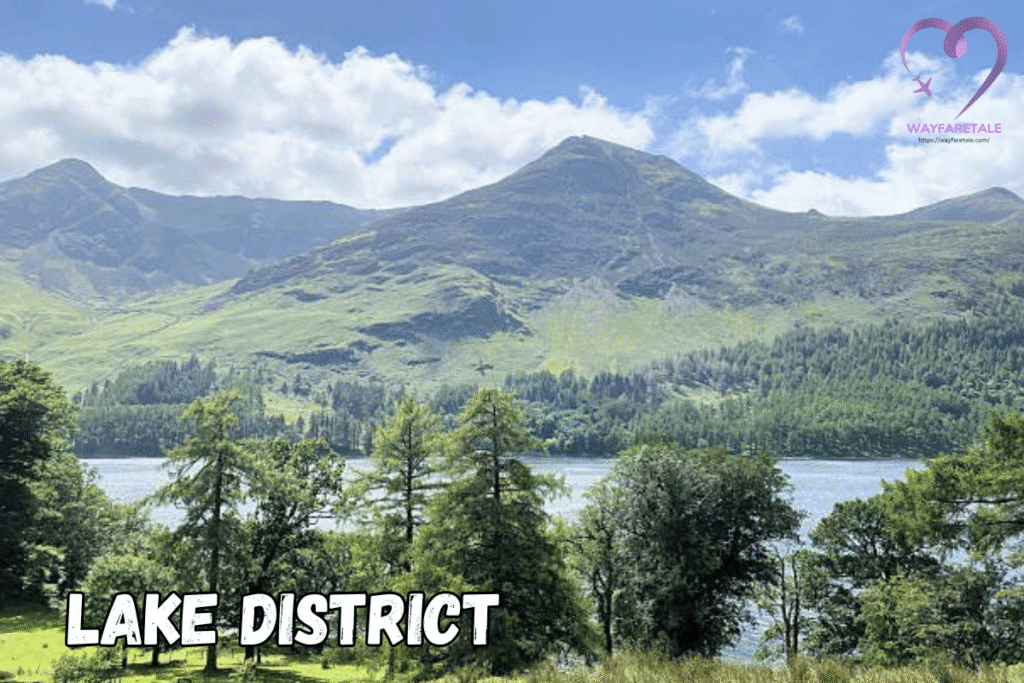
Day 9: The Lake District – England’s Most Beautiful National Park
- Distance covered: 180 KM (from York to Lake District, plus exploring)
- Total drive time: 2 HRS 30 MIN to Windermere, plus local driving
- Overnight in: Lake District (Windermere, Ambleside, or Grasmere) for 2 nights
Leave York after breakfast and drive west to the Lake District – England’s largest National Park and its most spectacular scenery. This is where the mountains meet the lakes in perfect harmony.
The Lake District has inspired poets (William Wordsworth, Samuel Taylor Coleridge), writers (Beatrix Potter, Arthur Ransome), and artists for centuries. Once you see it, you’ll understand why. The combination of glacial lakes, rugged mountains, stone-walled valleys, and charming villages is breathtaking.
DRIVING TIP: Lake District roads are narrow, winding, and slow. What looks like 10 miles on the map might take 30 minutes to drive. Don’t plan to cover too much in one day – embrace the slower pace and enjoy the scenery.
WINDERMERE – England’s Largest Lake
Most visitors base themselves around Windermere, England’s largest natural lake at 10.5 miles long. The towns of Bowness-on-Windermere and Windermere are touristy but convenient bases with plenty of accommodation and restaurants.
TAKE A LAKE CRUISE
The classic Lake District experience is taking a boat cruise on Windermere. Several companies operate cruises ranging from 45-minute circular trips to longer journeys connecting lakeside villages.
USEFUL TIP: Take the cruise from Bowness to Ambleside (one-way, 30 minutes). Explore Ambleside, then cruise back. The views from the water are stunning, and it’s wonderfully relaxing. Around £10-15.
VISIT BEATRIX POTTER’S HILL TOP FARM
If you love Peter Rabbit, visit Hill Top in Near Sawrey – the 17th-century farmhouse where Beatrix Potter wrote her famous tales. The house and garden remain exactly as she left them. Entry: £14 (National Trust). Book tickets online as numbers are limited.
Nearby Hawkshead is a picturesque village with whitewashed cottages worth exploring.
GRASMERE – Wordsworth Country
Drive north to Grasmere, the most beautiful Lake District village nestled beside the lake of the same name. This was William Wordsworth’s home, and he’s buried in St Oswald’s churchyard.
DOVE COTTAGE & WORDSWORTH MUSEUM
Visit Wordsworth’s home from 1799-1808 where he wrote his most famous poems. The cottage is tiny (he raised three children here!), but the museum is excellent. Entry: £10.50.
GRASMERE GINGERBREAD SHOP
This tiny shop beside the church has been making the famous Grasmere Gingerbread to a secret recipe since 1854. It’s more like a cross between gingerbread and shortbread – delicious! There’s always a queue, but it moves quickly.
WALK AROUND GRASMERE LAKE
An easy, flat 4-mile circular walk around the lake with stunning mountain views. Perfect for all fitness levels. Allow 1.5-2 hours at a leisurely pace.
SCENIC MOUNTAIN PASS DRIVES
The Lake District has several spectacular mountain pass roads that are highlights in themselves:
KIRKSTONE PASS
Drive from Windermere to Ullswater via Kirkstone Pass (A592). This dramatic road climbs to 1,489 feet with hairpin bends and stunning valley views. Stop at the Kirkstone Pass Inn (Britain’s third-highest pub) for refreshments.
HONISTER PASS
Drive from Keswick to Buttermere via Honister Pass (B5289). This is the steepest Lake District pass with gradients up to 1-in-4! The slate quarries and wild mountain scenery are spectacular. Not for nervous drivers!
HARDKNOTT PASS & WRYNOSE PASS (for brave drivers only!)
These two consecutive passes are the steepest roads in England with gradients up to 1-in-3 and hairpin bends. Incredibly scenic but genuinely challenging driving. Only attempt if you’re a confident driver.
USEFUL TIP: I drove Kirkstone and Honister passes – both were spectacular and manageable. I skipped Hardknott/Wrynose as locals warned me they’re genuinely scary!
KESWICK & DERWENTWATER
If you have time, drive to Keswick, the Lake District’s other main town. It’s less touristy than Windermere and has a more authentic mountain town feel.
Derwentwater is considered the most beautiful of the lakes. Take a cruise on the launch boats that hop between seven landing stages around the lake (£12 for all-day ticket).
Where to Stay in the Lake District
I stayed at The Inn at Grasmere, a cozy traditional inn right in the village center with comfortable rooms, excellent food, and friendly service. Perfect location for exploring. Around £110/night including breakfast.
Other recommendations:
- Windermere/Bowness: Hideaway at Windermere or Lindeth Howe Country House Hotel
- Ambleside: The Regent Hotel or Wateredge Inn
- Grasmere: Moss Grove Organic or The Wordsworth Hotel
- Keswick: The George Hotel or Swinside Lodge
Budget tip: The Lake District has excellent YHA hostels in stunning locations – Windermere, Grasmere, Borrowdale, etc. Great value!
Day 10: Lake District Hiking and Scenic Beauty
- Distance covered: Minimal (local exploring and hiking)
- Total drive time: Varies by activities chosen
- Overnight in: Lake District or start journey back to London
Your final full day should be spent enjoying the Lake District’s natural beauty at a slower pace. The Lake District has over 200 fells (mountains) and countless hiking trails for all abilities.
HIKING OPTIONS
FOR BEGINNERS: Catbells (2-3 hours)
This is the Lake District’s most popular fell walk – short, achievable, but with spectacular views. Start from Hawes End or Gutherscale car parks near Keswick. The summit is only 1,481 feet, but the panoramic views over Derwentwater are stunning.
Allow 2-3 hours round trip. The path is clear and well-trodden but has some steep sections. Bring proper footwear.
FOR MODERATE HIKERS: Helm Crag (2-3 hours)
Known as “The Lion and the Lamb” due to its distinctive summit rocks, Helm Crag starts from Grasmere and offers incredible views for a relatively short climb. Summit elevation: 1,299 feet. Allow 2-3 hours.
FOR EXPERIENCED HIKERS: Helvellyn (5-7 hours)
England’s third-highest mountain (3,117 feet) offers the Lake District’s most dramatic ridge walk – Striding Edge. This exposed narrow ridge is thrilling but requires a good head for heights and experience. Not recommended in poor weather or if you’re inexperienced.
Start from Glenridding (Ullswater) and allow a full day. This was one of the highlights of my Lake District visit – absolutely exhilarating!
USEFUL TIP: Weather in the Lake District changes rapidly. Even in summer, take waterproofs, warm layers, proper hiking boots, map, compass, food, and water. Check the weather forecast before heading out. The fells can be dangerous in mist or wind.
MORE LAKE DISTRICT ACTIVITIES
VISIT RYDAL WATER & RYDAL CAVE
This smaller lake between Grasmere and Ambleside is beautiful and less crowded. Walk to the man-made slate quarry caves – they’re atmospheric and fun to explore.
AIRA FORCE WATERFALL
Near Ullswater, this spectacular 65-foot waterfall is one of the Lake District’s most impressive. An easy woodland walk from the car park (20 minutes). Beautiful any time of year, but especially after rain. National Trust car park: £7.
CRUISE ULLSWATER
Less touristy than Windermere, Ullswater is often called the most beautiful of all the lakes. Take a historic steamer cruise from Glenridding to Howtown and walk back along the lakeshore (7 miles, easy, 3 hours). Stunning scenery!
VISIT CASTLERIGG STONE CIRCLE
Just outside Keswick, this 5,000-year-old stone circle rivals Stonehenge for atmosphere but without the crowds. The mountain backdrop is spectacular. FREE to visit, accessible anytime.
DRIVE TO BUTTERMERE
This remote valley with its perfect lake is less visited but incredibly beautiful. The 4-mile walk around Buttermere lake is easy and stunning. The Bridge Hotel does excellent pub lunches.
Afternoon Options
RELAX BY A LAKE
After your morning hike, spend the afternoon relaxing lakeside. Bring a picnic, take a swim (if you’re brave – the water is cold!), or just soak in the peaceful atmosphere.
VISIT A PUB
The Lake District has wonderful traditional pubs. Try The Drunken Duck Inn near Hawkshead (excellent food), The Sun Inn in Coniston, or The Old Dungeon Ghyll in Langdale for authentic fell-walking pub atmosphere.
CREAM TEA
End your Lake District adventure with a proper cream tea. Heidi’s Grasmere Lodge or The Jumble Room in Grasmere are excellent choices.
Final Evening
If you’re driving back to London tomorrow (Day 11), spend your final evening enjoying a celebration dinner in the Lakes. If you’re flying out of Manchester or another northern airport, you could drive there tonight and stay near the airport.
DRIVING BACK TO LONDON: Allow 5-6 hours from the Lake District to London (260 miles). Take the M6 south, then M1 or M40 into London. Leave early morning to avoid traffic.
What I Skipped and What I’d Suggest Skipping
PLACES I SKIPPED:
- Brighton – Popular seaside resort, but if you’re short on time and seeing Cornwall, it’s not essential.
- Cambridge – Beautiful university city similar to Oxford. If you visit Oxford, Cambridge is skippable unless you have extra time.
- Canterbury – Historic cathedral city. Beautiful but can be skipped if pressed for time.
- Stratford-upon-Avon – Shakespeare’s birthplace. Lovely but touristy. Only essential for Shakespeare enthusiasts.
PLACES I WISH I’D HAD MORE TIME FOR:
- Peak District – Beautiful national park between Manchester and Sheffield
- Durham – Stunning cathedral and castle on a hill
- Hadrian’s Wall – Roman frontier wall across northern England
- Norfolk Coast – Quiet beaches and charming villages
- Welsh Borders – Beautiful, less-touristy countryside
Final Tips for Your England Road Trip
WEATHER: England’s weather is famously unpredictable. Pack layers, waterproofs, and always carry an umbrella. Don’t let rain ruin your plans – many of the best experiences are outdoors, and the landscapes look dramatic in any weather!
DRIVING: Remember – LEFT SIDE OF THE ROAD! It takes most people half a day to adjust. Roundabouts become second nature after a few. Be patient with narrow country lanes.
FOOD: English food has improved dramatically! Try traditional dishes: fish and chips, Sunday roast, cream tea, Yorkshire pudding, Cornish pasty, Cumberland sausage. Pub food is often excellent value and quality.
MONEY: England is expensive, especially London and popular tourist spots. Budget accordingly. Many museums are free (especially in London), which helps!
PEOPLE: English people are generally friendly, polite, and helpful. Don’t believe stereotypes – they do talk to strangers, especially outside London!
England Travel Resources
Planning your trip to England soon? Below are useful links to booking resources I personally use:
- Find BEST FLIGHTS using Skyscanner or Google Flights
- Rent your car at the BEST RATE with Discover Cars or Rentalcars.com
- Find PERFECT ACCOMMODATION on Booking.com or Airbnb
- Get TRAVEL INSURANCE with Safety Wing or Heymondo
- Book GUIDED TOURS on GetYourGuide or Viator
- BritRail Pass – if mixing car rental with train travel
- National Trust Membership – if visiting multiple historic properties
I hope you found this England itinerary useful and inspiring! England is a remarkably diverse country packed with history, natural beauty, and charm. Whether you’re exploring medieval cities, hiking mountain passes, or wandering through honey-stone villages, you’ll find endless treasures.
This 10-day itinerary covers many highlights, but England has so much more to discover. Use this as a framework and adjust based on your interests, pace, and travel style.
Have an amazing road trip through England!
Safe travels and enjoy every moment of your English adventure!