

Kenya Road Trip: Epic One-Week Safari and Adventure Itinerary!
Kenya is the ultimate destination for an African road trip adventure. This detailed one-week Kenya road trip itinerary covers the best wildlife reserves, stunning landscapes, and cultural experiences that you can explore in 7 days.
Kenya offers an incredible diversity of experiences packed into one East African nation! From the world-famous Maasai Mara with its Great Migration to the snow-capped peaks of Mount Kenya, pristine beaches along the Indian Ocean coast, and the dramatic landscapes of the Great Rift Valley. A Kenya road trip is absolutely the best way to experience this incredible country at your own pace.
With your own vehicle, you’ll have the freedom to explore Kenya’s most spectacular destinations conveniently. While some attractions can be reached through organized safari tours, having your own wheels allows you to discover hidden gems, take spontaneous game drives, and truly immerse yourself in the African wilderness.
Based on my experience traveling through Kenya multiple times, I’ve put together this comprehensive 7-day Kenya road trip itinerary that covers the essential highlights – from world-class game viewing in the Maasai Mara to the stunning landscapes of Lake Naivasha and the cultural richness of local communities. This itinerary includes driving distances, provides practical tips, and suggests the best places to stay.
Car Rental Tips:
- Local Safari Operators: Many local companies offer 4WD vehicles specifically equipped for safari conditions. These often include camping gear and are more affordable than international chains.
- 4WD Essential: A 4WD vehicle is absolutely necessary for game parks and many roads in Kenya. Don’t compromise on this.
- Insurance: Ensure comprehensive coverage including wildlife damage – yes, elephants can dent your car!
- Fuel: Always carry extra fuel as petrol stations can be scarce in remote areas.
Essential Bookings:
- Stay: Book accommodations through Booking.com or directly with safari lodges
- Travel Insurance: Essential for Africa – check SafetyWing or World Nomads
- Park Fees: Can be paid at gate but consider KWS Smartcard for multiple parks
- Guided Tours: Check Viator for specialized cultural and adventure tours
Summary of My Kenya Road Trip Route
- Day 1: Nairobi – Lake Naivasha (Hell’s Gate National Park)
- Day 2: Lake Naivasha – Lake Nakuru National Park
- Day 3: Lake Nakuru – Maasai Mara National Reserve
- Day 4: Full Day Maasai Mara Game Drives
- Day 5: Maasai Mara – Lake Naivasha (Crescent Island)
- Day 6: Lake Naivasha – Amboseli National Park
- Day 7: Amboseli – Nairobi
If I had 5 Days in Kenya, my itinerary would focus on: Nairobi – Maasai Mara (2 nights) – Lake Nakuru – Lake Naivasha – Nairobi.
If I had 10 Days in Kenya, I would add: Samburu National Reserve, Mount Kenya region, and Tsavo National Parks.
Kenya Road Trip Planning Tips

Renting a Car in Kenya
Most international car rental companies operate from Jomo Kenyatta International Airport in Nairobi. However, I highly recommend going with local safari operators who specialize in equipped 4WD vehicles. These companies understand the unique requirements of Kenyan roads and game parks.
Essential Vehicle Requirements:
- High clearance 4WD (Land Cruiser or similar)
- Spare tires (at least 2)
- Recovery equipment
- Camping equipment if doing budget camping
- Roof tent option available
Driving in Kenya
Driving in Kenya requires patience, skill, and constant alertness. Roads vary dramatically from excellent tarmac highways to challenging dirt tracks that become impassable during rains.
Key Driving Considerations:
- Road Conditions: Main highways are generally good, but expect potholes. Game park roads are rough and require 4WD.
- Traffic: Nairobi traffic is notorious – plan accordingly
- Wildlife: Animals have right of way, always. Stop for elephants, be patient with herds crossing roads
- Speed: Don’t rush – enjoy the journey and wildlife sightings
- Navigation: GPS can be unreliable in remote areas – carry paper maps as backup
Safety Tips:
- Never drive at night outside cities
- Carry plenty of water and emergency food
- Inform someone of your travel plans
- Keep vehicle locked and valuables hidden
- Respect local customs and communities
Where to Stay During Your Kenya Road Trip
Kenya offers incredible variety in accommodation, from luxury safari lodges to budget camping options. I always try to mix experiences – staying in traditional safari camps, eco-lodges, and occasionally camping under the stars.
Accommodation Types:
- Safari Lodges: Luxury experience with game viewing from your room
- Tented Camps: Authentic safari experience with comfort
- Budget Camping: Most parks have designated camping areas
- Community Conservancies: Support local communities while enjoying exclusive access
- Eco-lodges: Sustainable options that support conservation
Booking Tips:
- Book in advance during peak seasons (July-October, December-January)
- Many lodges offer full-board packages including game drives
- Consider location within parks for better game viewing
- Check cancellation policies due to weather or political situations
Essential Criteria:
- Proximity to prime game viewing areas
- Secure parking for your vehicle
- Reliable communication for emergencies
- Quality of guides and game drive vehicles if included
What to Expect in Kenya
Kenya will captivate you with its incredible wildlife diversity – from the Big Five in the Maasai Mara to millions of flamingos at Lake Nakuru. You’ll witness traditional Maasai culture that has remained largely unchanged for centuries, experience the warmth and friendliness of Kenyan people, and be amazed by landscapes that range from savannah grasslands to snow-capped mountains.
The country offers unparalleled game viewing opportunities, especially during the Great Migration when millions of wildebeest and zebras cross from Tanzania. You’ll also discover the geological wonder of the Great Rift Valley with its chain of lakes, each with unique characteristics and wildlife.
Cultural Experiences:
- Visit traditional Maasai villages
- Learn about conservation efforts from local communities
- Experience traditional music and dance
- Sample local cuisine and fresh tropical fruits
- Support local artisans and craft markets
Best Time to Visit Kenya
The dry seasons (July-October and December-March) offer the best game viewing as animals congregate around water sources. However, each season has its advantages:
July-October: Peak season with Great Migration, clear skies, and excellent game viewing November-December: Short rains bring lush landscapes and fewer crowds January-March: Calving season with baby animals, hot and dry April-June: Long rains make some areas inaccessible but offer dramatic skies and green landscapes
Budget for Your Kenya Road Trip
Kenya can accommodate various budgets, from luxury safari experiences to budget camping adventures.
Rough Budget Breakdown (per day):
- Luxury: $300-500+ (high-end lodges, private conservancies)
- Mid-range: $150-300 (safari lodges, tented camps)
- Budget: $50-150 (camping, budget lodges, self-catering)
Major Costs:
- Vehicle Rental: $80-150/day for equipped 4WD
- Fuel: $1.20/liter (2024 prices)
- Park Fees: $20-80 per person per day depending on park
- Accommodation: $30-400+ per night
- Food: $10-50 per day depending on dining choices
Kenya 7-Day Road Trip Itinerary Day by Day
For those wanting to experience the very best of Kenya’s wildlife and landscapes, here’s my detailed day-by-day breakdown of the route I took during my one-week road trip through Kenya’s most spectacular destinations.
Day 1: Nairobi to Lake Naivasha – Hell’s Gate National Park
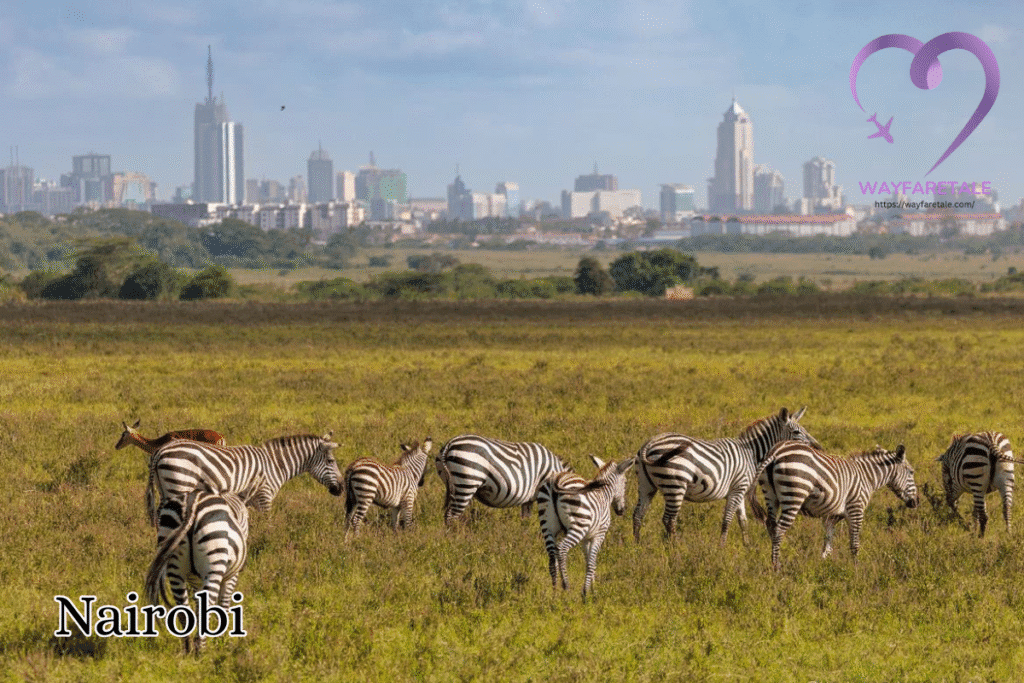
- Distance covered: 90 KM
- Total drive time: 2 HRS (without stops)
- Overnight in: Lake Naivasha
Starting your Kenya adventure from Nairobi, the journey to Lake Naivasha takes you through the spectacular Great Rift Valley. As you descend the escarpment, prepare to be amazed by the sweeping views of the valley floor stretching endlessly before you.
Lake Naivasha is a freshwater lake surrounded by acacia woodlands and volcanic landscapes. It’s the perfect introduction to Kenya’s natural beauty and serves as an excellent base for your first night.
Hell’s Gate National Park

Hell’s Gate is unique among Kenya’s parks because you can walk, cycle, and drive through it safely without the need for a guide. The park’s dramatic landscapes inspired Disney’s “The Lion King,” and you’ll immediately see why.
Things to do in Hell’s Gate:
Walk or Cycle Through the Park Unlike most Kenyan parks, Hell’s Gate allows you to explore on foot or bicycle. I highly recommend renting a bike at the gate – cycling among zebras, giraffes, and buffalo is an unforgettable experience. The animals are accustomed to visitors and generally ignore cyclists, but maintain a respectful distance.
Explore Hell’s Gate Gorge The narrow gorge with its towering red rock walls is the park’s main attraction. You can walk through the gorge (bring a local guide for safety), scrambling over rocks and through narrow passages. The geological formations are spectacular, with steam vents and hot springs evidence of the area’s volcanic activity.
Visit the Geothermal Power Station Kenya is a leader in geothermal energy, and Hell’s Gate houses one of the country’s main geothermal plants. While you can’t tour the facility, the steaming vents scattered throughout the park provide a fascinating glimpse into the Earth’s power.
USEFUL TIP: Enter Hell’s Gate early morning (gates open at 6 AM) to avoid crowds and enjoy cooler temperatures. The midday sun can be intense, especially in the gorge.
Wildlife Viewing While Hell’s Gate doesn’t have the Big Five, it offers excellent viewing of zebras, giraffes, buffalo, warthogs, and numerous antelope species. The birdlife is exceptional with over 100 species recorded.
Lake Naivasha Activities
Boat Safari on Lake Naivasha A boat trip on Lake Naivasha is essential for viewing hippos and the incredible birdlife. The lake supports over 400 bird species, including fish eagles, pelicans, and numerous waterbirds. Hippos spend their days in the water, surfacing regularly to breathe – watching them from a boat provides incredible photo opportunities.
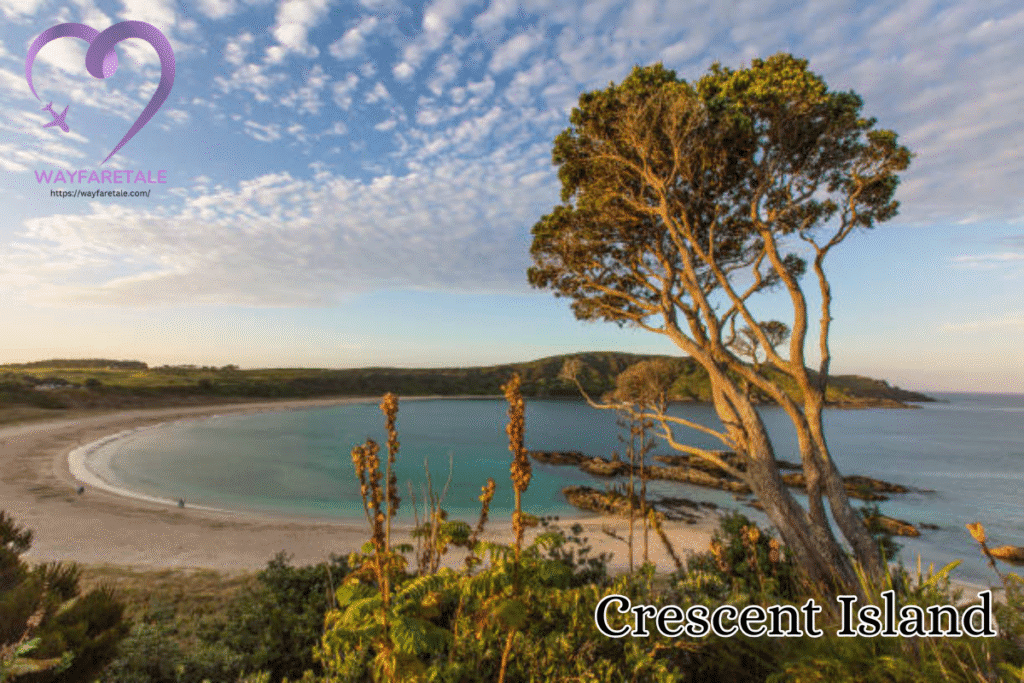
Visit Crescent Island This private conservancy is accessible by boat and offers guided walking safaris among giraffes, zebras, and antelopes. The island was used as a location for the film “Out of Africa” and provides stunning views across the lake.
BOAT TRIP TIP: Book your boat trip for late afternoon to catch the golden light and increased animal activity. Most operators offer sunset trips that include refreshments.
Where to Stay in Lake Naivasha
I stayed at Lake Naivasha Sopa Resort, which offers comfortable accommodation with direct lake access. The resort provides excellent facilities including a pool, restaurant, and organized activities. The grounds attract various wildlife, including vervet monkeys and numerous bird species.
Alternative options include:
- Budget: Fisherman’s Camp (camping and basic bandas)
- Mid-range: Lake Naivasha Country Club
- Luxury: The Great Rift Valley Lodge
ACCOMMODATION TIP: Book lakefront accommodation to maximize wildlife viewing opportunities. Many hotels offer complimentary boat trips or have resident naturalists.
Day 2: Lake Naivasha to Lake Nakuru National Park

- Distance covered: 60 KM
- Total drive time: 1 HR 15 MIN
- Overnight in: Lake Nakuru area
The short drive from Lake Naivasha to Lake Nakuru takes you deeper into the Great Rift Valley. Lake Nakuru National Park is famous worldwide for its flamingo spectacles and as a rhino sanctuary.
Lake Nakuru National Park
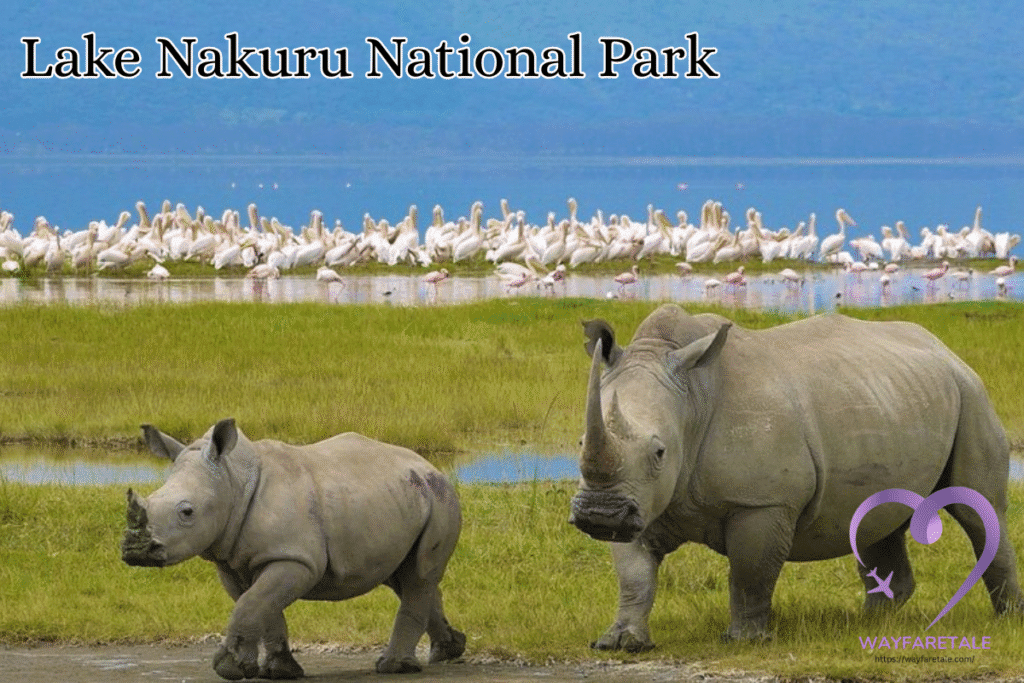
Lake Nakuru is one of Kenya’s most rewarding parks for wildlife viewing. Despite its relatively small size, it packs incredible diversity into its boundaries.
The Famous Flamingos While flamingo numbers fluctuate based on water levels and food availability, when present, they create one of nature’s most spectacular sights. Millions of pink birds can cover the lake’s surface, creating a pink carpet visible from space. The alkaline lake provides ideal conditions for the blue-green algae that flamingos feed on.
FLAMINGO VIEWING TIP: Flamingo numbers are highest during dry seasons when the lake’s alkalinity concentrates their food sources. Even when numbers are lower, the sight remains impressive.
Rhino Viewing Lake Nakuru is one of Kenya’s most successful rhino sanctuaries, protecting both black and white rhinos. The park’s fenced boundary and anti-poaching efforts have created a safe haven for these endangered species. Finding rhinos here is almost guaranteed, unlike in many other parks.
Diverse Wildlife Beyond flamingos and rhinos, the park supports lions, leopards, buffalo, giraffes, zebras, and various antelope species. The combination of grassland, woodland, and rocky outcrops creates diverse habitats supporting different wildlife.
Baboon Cliff Viewpoint This viewpoint offers spectacular panoramic views of the pink-tinged lake and surrounding landscapes. It’s particularly beautiful during sunrise and sunset when the light enhances the colors. The cliff is also a great spot for photographing the flamingo masses below.
Game Drive Strategy Lake Nakuru is small enough to cover thoroughly in a day. I recommend doing two game drives – one in early morning focusing on rhinos and lions, and another in late afternoon for the best flamingo viewing and photography.
Where to Stay Near Lake Nakuru
Lake Nakuru Lodge offers excellent accommodation within the park itself, allowing for early morning and late evening game drives when wildlife is most active. The lodge overlooks the lake and provides stunning views.
Other options:
- Budget: Camping within the park
- Mid-range: Flamingo Hill Camp (just outside the park)
- Luxury: Sarova Lion Hill Lodge
INSIDER TIP: Staying inside the park allows you to start game drives before other visitors arrive and continue after day visitors must leave.
Day 3: Lake Nakuru to Maasai Mara National Reserve
- Distance covered: 180 KM
- Total drive time: 4 HRS (including rough roads)
- Overnight in: Maasai Mara (2 consecutive nights)
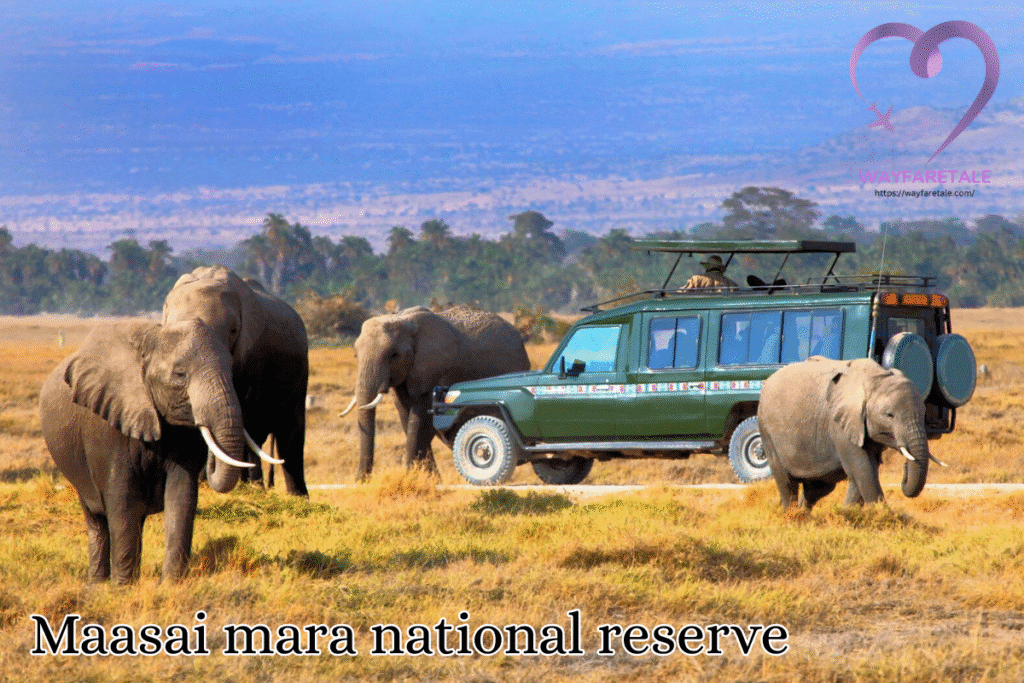
The journey from Lake Nakuru to the world-famous Maasai Mara is one of anticipation and excitement. As you leave the tarmac road and venture onto the rough murram roads leading to the Mara, you’ll understand why a 4WD vehicle is essential.
The drive takes you through rural Kenya, past small trading centers and traditional Maasai homesteads. You’ll see the landscape gradually change from the Great Rift Valley’s lake country to the rolling savannah grasslands that make the Maasai Mara legendary.
Entering the Maasai Mara
The Maasai Mara National Reserve is Kenya’s most famous wildlife destination and part of the greater Serengeti ecosystem. The moment you enter the reserve, you’ll likely encounter wildlife – zebras, wildebeest, and gazelles grazing peacefully, seemingly oblivious to your presence.
ARRIVAL TIP: Plan to arrive at your accommodation by 3 PM to allow time for an afternoon game drive. The evening game drive from 4-6 PM often provides the best wildlife viewing of the day.
First Game Drive Experience
Your first game drive in the Maasai Mara will be unforgettable. The reserve’s open grasslands provide excellent visibility for spotting the Big Five – lion, leopard, elephant, buffalo, and rhino. While rhinos are rare in the Mara, the other four are commonly seen.
The Mara River system creates a lifeline through the reserve, attracting massive concentrations of wildlife. Even outside migration season, the permanent population is impressive – large prides of lions, herds of elephants, and countless plains game.
PHOTOGRAPHY TIP: The Mara’s open landscapes and acacia trees create perfect safari photography conditions. The golden grasslands provide beautiful backdrops, especially during the golden hours after sunrise and before sunset.
Where to Stay in Maasai Mara
Keekorok Lodge was my base for two nights – a classic safari lodge located in the heart of the reserve. The lodge’s position along the Talek River attracts wildlife throughout the day, including hippos, crocodiles, and various animals coming to drink.
Other excellent options:
- Luxury: Governors’ Camp, Ashnil Mara Camp
- Mid-range: Mara Serena Safari Lodge, Sentrim Mara Lodge
- Budget: Public campsites within the reserve
- Community Conservancies: Basecamp Masai Mara, Rekero Camp
ACCOMMODATION STRATEGY: I recommend staying within the reserve itself rather than outside. While conservancy lodges offer exclusive access to private areas, being inside the reserve allows you to be among the wildlife from dawn to dusk.
Day 4: Full Day Maasai Mara Game Drives
- Distance covered: 120 KM (game drives)
- Total drive time: 8+ HRS (game viewing)
- Overnight in: Maasai Mara
Dedicate your full day to exploring the Maasai Mara’s incredible wildlife. I started at 6 AM with a sunrise game drive, returned for breakfast and a midday rest, then headed out again at 4 PM for the evening drive.
Morning Game Drive (6 AM – 10 AM)
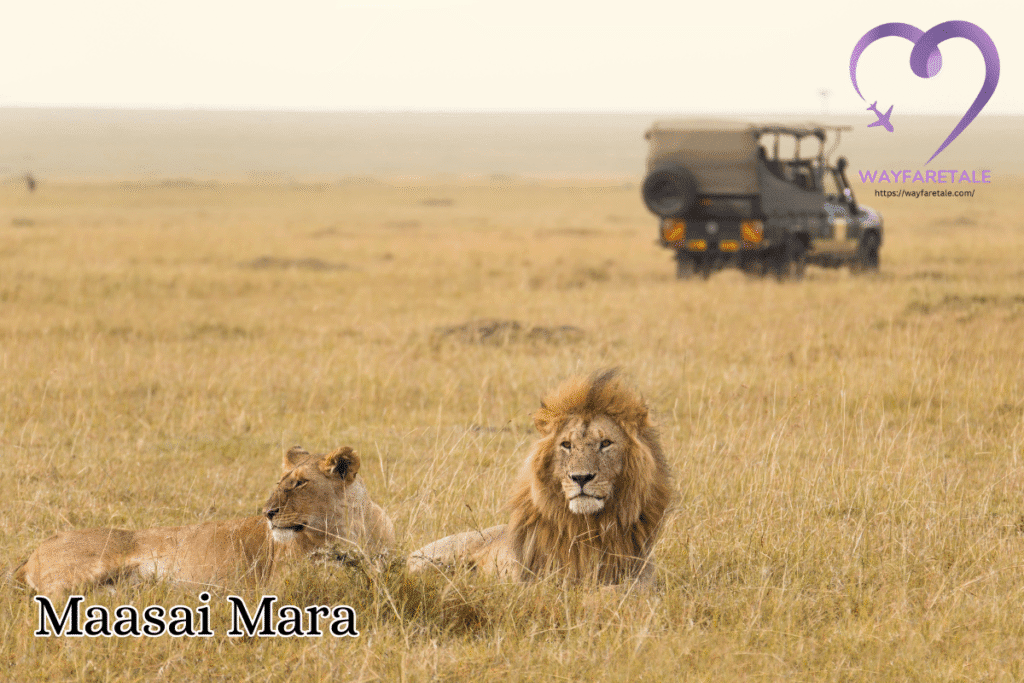
The early morning is prime time for predator activity. Lions are often still active from their night hunts, and this is your best chance to witness hunting behavior. The soft morning light is perfect for photography.
What to Look For:
- Lions returning from night hunts or starting morning patrols
- Elephants moving to water sources
- Large herds of zebras and wildebeest
- Secretary birds and other raptors hunting
- Hippos returning to water from night grazing
WILDLIFE HIGHLIGHT: I encountered a pride of 15 lions, including cubs, resting under a large acacia tree. We watched them for over an hour as the cubs played while adults dozed in the shade.
The Great Migration (July-October)
If you’re visiting during migration season, prepare for one of nature’s greatest spectacles. Over two million wildebeest, zebras, and gazelles cross from Tanzania’s Serengeti into the Maasai Mara, following ancient migration routes in search of fresh grasslands.
River Crossings The dramatic Mara River crossings are the migration’s most famous scenes. Thousands of animals mass on riverbanks before plunging into crocodile-infested waters. The timing is unpredictable – herds may wait for days before crossing.
MIGRATION TIP: River crossing viewing requires patience and luck. Position yourself at known crossing points early morning and be prepared to wait. The spectacle, when it happens, is worth any wait.
Afternoon Game Drive (4 PM – 6 PM)
Late afternoon brings renewed activity as temperatures cool. This is prime time for cat behavior – lions begin moving toward hunting areas, and leopards may emerge from daytime hiding spots.
The golden hour light transforms the Mara’s landscapes into a photographer’s paradise. Acacia trees silhouetted against dramatic skies create iconic African sunset images.
SUNSET STRATEGY: Many lodges offer sundowner stops – evening drinks overlooking the Mara plains as the sun sets. It’s a magical way to end a day of game viewing.
Cultural Experience – Maasai Village Visit
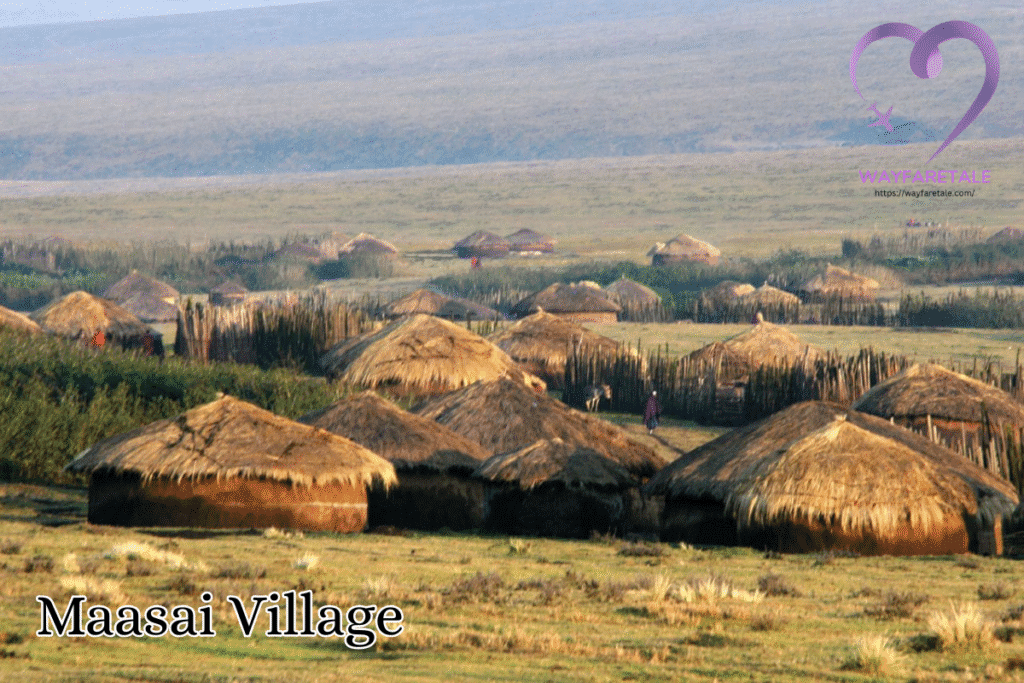
Consider visiting a traditional Maasai village to learn about one of Kenya’s most famous cultures. The Maasai people have lived in harmony with wildlife for centuries, and their traditional lifestyle continues largely unchanged.
What to Expect:
- Traditional jumping dance demonstrations
- Visits to traditional homes (bomas)
- Learn about Maasai customs and beliefs
- Purchase authentic beadwork and crafts
- Understanding of human-wildlife coexistence
CULTURAL TIP: Choose community-run cultural centers that directly benefit local families rather than tourist-focused commercial operations.
Day 5: Maasai Mara to Lake Naivasha – Crescent Island
- Distance covered: 200 KM
- Total drive time: 4 HRS 30 MIN
- Overnight in: Lake Naivasha
After two incredible days in the Maasai Mara, the journey back to Lake Naivasha allows you to process the amazing wildlife experiences while looking forward to a different type of adventure.
Morning Game Drive Departure
Start with an early morning game drive as you make your way toward the park exit. This isn’t just a drive to leave – treat it as one final opportunity to spot wildlife you might have missed.
DEPARTURE TIP: Take the route through different areas of the park than you explored on previous days. The Mara is vast, and different sections offer varied landscapes and wildlife concentrations.
Return to Lake Naivasha
Arriving back at Lake Naivasha in the afternoon, you’ll appreciate the change of pace from the intense game viewing of the Mara. The lake’s peaceful atmosphere provides a perfect contrast.
Crescent Island Walking Safari
Crescent Island Game Sanctuary offers a unique experience – walking among wildlife without fences or barriers. This private conservancy is actually a peninsula that becomes an island during high water levels.
Walking Safari Experience:
- Walk freely among giraffes, zebras, and antelopes
- No predators on the island, making walking safe
- Excellent bird watching opportunities
- Stunning lake views and photo opportunities
- Peaceful alternative to vehicle-based game viewing
PHOTOGRAPHY OPPORTUNITY: The island’s open grasslands and lake backdrop create perfect conditions for wildlife photography. You can get much closer to animals on foot than from a vehicle.
The walking safari typically lasts 2-3 hours and includes a local guide who shares knowledge about the animals, birds, and conservation efforts. Many visitors find this intimate wildlife encounter as memorable as traditional game drives.
SUNSET RECOMMENDATION: Time your Crescent Island visit for late afternoon to enjoy the golden light and potentially witness spectacular sunsets over Lake Naivasha.
Day 6: Lake Naivasha to Amboseli National Park
- Distance covered: 250 KM
- Total drive time: 5 HRS (including border crossing if coming from Tanzania side)
- Overnight in: Amboseli National Park
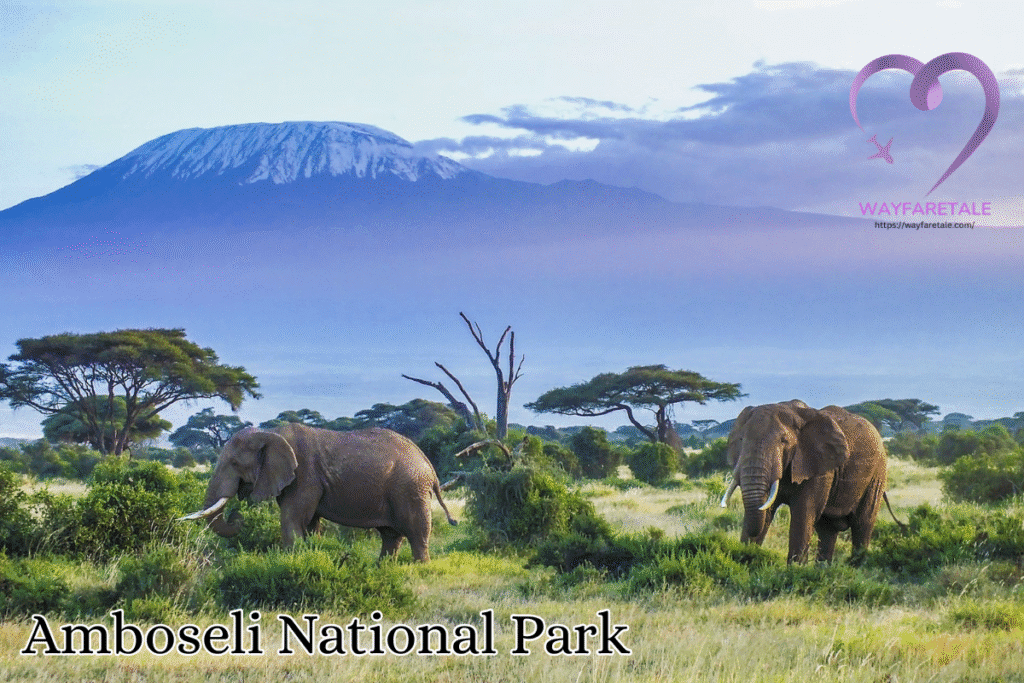
The journey to Amboseli National Park is the longest drive of your Kenya road trip, but the destination is absolutely worth it. Amboseli offers something no other Kenyan park can – spectacular views of Mount Kilimanjaro, Africa’s highest peak, combined with incredible elephant viewing.
The Drive to Amboseli
The route takes you through rural Kenya, passing through small towns and traditional Maasai communities. The landscape gradually becomes more arid as you approach the Tanzania border region where Amboseli is located.
DRIVING TIP: Fuel up before leaving Naivasha area. Petrol stations become scarce as you approach Amboseli, and the park itself has no fuel available.
Amboseli National Park
Amboseli may be relatively small, but it’s one of Kenya’s most photographed parks. The combination of large elephant herds against the backdrop of snow-capped Kilimanjaro creates some of the most iconic African images.
Mount Kilimanjaro Views
On clear days, Mount Kilimanjaro dominates the southern horizon. The massive volcanic mountain, located in Tanzania but visible from Amboseli, creates a stunning backdrop for wildlife photography. Early morning and late afternoon typically offer the clearest views before clouds obscure the peak.
PHOTOGRAPHY TIP: The best Kilimanjaro views are typically in early morning (6-9 AM) and late afternoon (4-6 PM). Midday clouds often obscure the mountain.
Elephant Paradise
Amboseli is famous for its large elephant population and excellent elephant research. The park’s elephants are well-studied and habituated to vehicles, allowing for incredible close encounters. Family groups with babies are commonly seen, providing heartwarming viewing opportunities.
ELEPHANT VIEWING HIGHLIGHTS:
- Large family herds with multiple generations
- Playful young elephants learning social behaviors
- Dramatic dust bathing scenes
- Elephants silhouetted against Kilimanjaro
- Close-up photography opportunities
Observation Hill
Climb Observation Hill for panoramic views of the entire park and, on clear days, spectacular vistas of Mount Kilimanjaro. The short walk to the top takes about 30 minutes and provides excellent opportunities for landscape photography.
Swamp Areas
Amboseli’s permanent swamps provide year-round water sources that attract wildlife throughout the dry seasons. These areas are hotspots for game viewing, especially elephants, buffalo, and numerous bird species.
Where to Stay in Amboseli
Amboseli Serena Safari Lodge offers comfortable accommodation with stunning Kilimanjaro views from many rooms. The lodge’s elevated position provides excellent vantage points for wildlife viewing and photography.
Other options:
- Luxury: Tortilis Camp, Tawi Lodge
- Mid-range: Kibo Safari Camp
- Budget: Public campsites within the park
ACCOMMODATION TIP: Choose accommodation with Kilimanjaro views to maximize your chances of seeing the mountain during the brief clear periods.
Day 7: Amboseli to Nairobi – Journey’s End
- Distance covered: 240 KM
- Total drive time: 4 HRS 30 MIN
- End point: Nairobi (Jomo Kenyatta International Airport area)
Your final day begins with one last early morning game drive in Amboseli, hopefully with Mount Kilimanjaro providing a spectacular backdrop for your farewell to Kenya’s wildlife.
Final Game Drive
Make the most of your last morning in the African bush. Amboseli’s open plains make it easy to spot wildlife, and the morning light creates perfect conditions for final photographs of your Kenya adventure.
Return Journey to Nairobi
The drive back to Nairobi takes you through increasingly populated areas as you approach the capital. The contrast between the wilderness you’ve experienced and Kenya’s bustling cities provides reflection time on your incredible week.
RETURN LOGISTICS:
- Allow extra time for Nairobi traffic
- Fuel up before entering the city
- Plan arrival at rental company 2-3 hours before flights
- Keep receipts and documents for final vehicle inspection
What I Skipped and Would Suggest Skipping
Nairobi National Park: While unique for being so close to a capital city, if you’re doing a safari circuit, your time is better spent in the major reserves.
Mount Kenya Region: Beautiful but requires more time than a one-week itinerary allows. Better suited for longer trips or specialized trekking adventures.
Coastal Regions: Kenya’s coast is spectacular but completely different from safari experiences. Better as a separate trip or extension.
Samburu National Reserve: Excellent park but too far north for a one-week southern circuit itinerary.
Essential Kenya Travel Resources
Planning your Kenya safari adventure? Here are the resources I personally use and recommend:
Transportation
- Flights: Use Skyscanner or Kayak for best international flight deals to Nairobi
- Car Rental: Local safari operators often provide better equipped vehicles than international chains
- Internal Flights: Consider Safarilink for accessing remote areas
Accommodation
- Booking.com: Reliable for safari lodges and city hotels
- Direct Lodge Booking: Many safari lodges offer better rates when booked directly
- Camping: KWS (Kenya Wildlife Service) manages public campsites in national parks
Essential Services
- Travel Insurance: Mandatory for Kenya – World Nomads or SafetyWing offer comprehensive coverage
- Visas: Kenya eVisa system – apply online in advance
- Vaccinations: Consult travel medicine clinic 6-8 weeks before departure
- Currency: US dollars widely accepted, Kenyan shillings for small purchases
Safari Planning
- Park Fees: KWS Smartcard for multiple park visits
- Guides: Licensed driver-guides essential for park access
- Equipment: Binoculars, camera with telephoto lens, sun protection
Health and Safety
- Malaria Prophylaxis: Essential for most of Kenya
- Water: Stick to bottled water in rural areas
- Communication: Safaricom SIM cards provide excellent coverage
- Emergency: Keep embassy contacts and travel insurance details accessible
Cultural Preparation
- Language: Basic Swahili phrases enhance interactions
- Customs: Respect for local traditions, especially in Maasai areas
- Tipping: Standard in tourism industry – budget accordingly
- Photography: Always ask permission before photographing people
Conservation Support
- Community Conservancies: Stay in community-run facilities when possible
- Responsible Tourism: Choose operators supporting conservation and local communities
- Wildlife Organizations: Consider donating to Kenya Wildlife Service or local conservation groups
Final Thoughts on Your Kenya Road Trip
Kenya offers one of the world’s most accessible and rewarding safari experiences. This one-week itinerary provides a perfect introduction to East Africa’s incredible wildlife and landscapes while maintaining a manageable pace that allows you to truly appreciate each destination.
The memories of watching lions hunt at sunrise in the Maasai Mara, elephants silhouetted against Mount Kilimanjaro in Amboseli, and millions of flamingos painting Lake Nakuru pink will stay with you forever. Kenya’s warmth extends beyond its climate – the genuine friendliness of its people and their passion for their country’s natural heritage makes every interaction meaningful.
Remember that safari experiences are unpredictable – that’s part of their magic. Wildlife sightings can never be guaranteed, but Kenya’s exceptional game densities make incredible encounters highly likely. Approach each game drive with patience and wonder, and Africa will reward you with experiences beyond your wildest dreams.
Safe travels, and karibu Kenya – welcome to Kenya!