
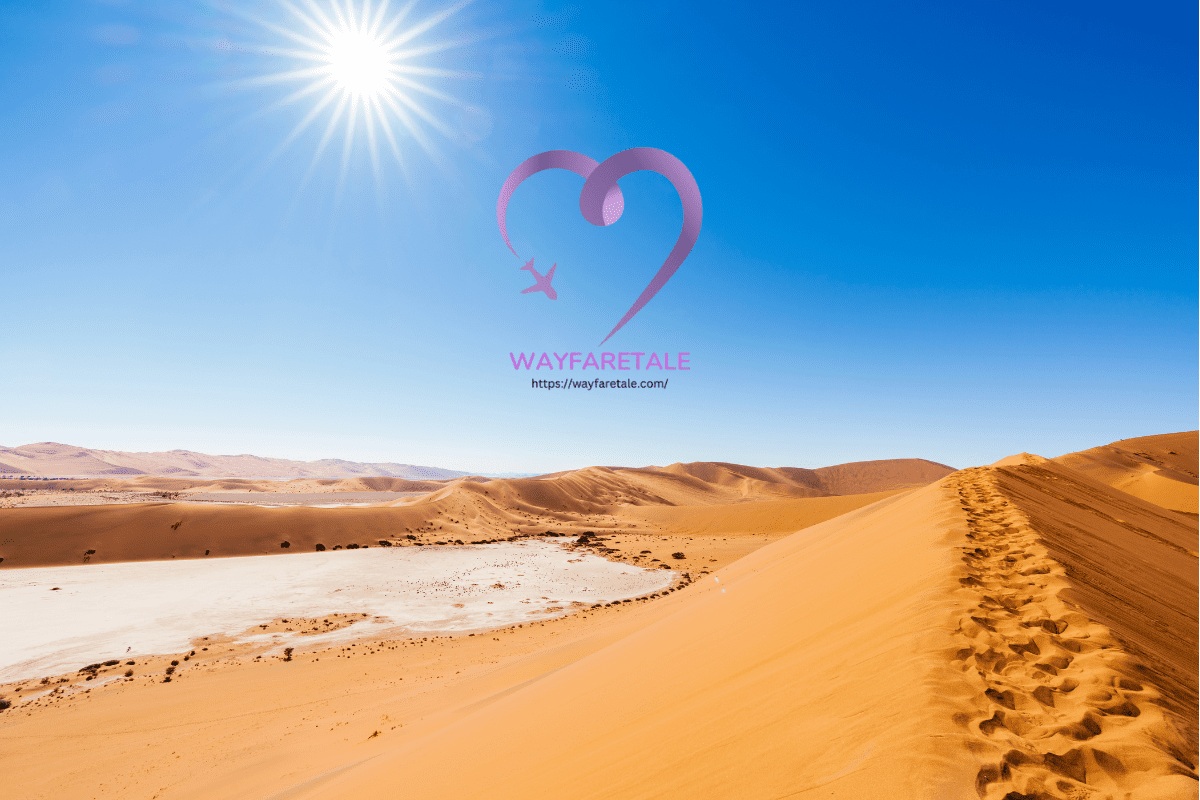
Namibia Road Trip: Epic One-Week Itinerary for the Ultimate Desert Adventure!
Namibia is the ultimate destination for an African road trip adventure. This detailed one-week Namibia road trip itinerary covers the most spectacular desert landscapes, wildlife encounters, and cultural experiences that you can explore in 7-10 days.
Namibia is a vast southwestern African country with incredibly diverse landscapes that will leave you speechless! Endless red sand dunes tower over ancient riverbeds, dramatic rocky outcrops pierce endless horizons, and desert-adapted wildlife thrives in seemingly impossible conditions. Therefore, embarking on a Namibia road trip is absolutely the best way to experience this remarkable country.
With your own 4×4 vehicle, you’ll be able to access the most remote and breathtaking locations in Namibia. While some attractions can be reached through organized tours, many of the most spectacular desert vistas, hidden oases, and wildlife viewing spots are only accessible by self-drive adventure.
Based on my experience exploring Namibia’s incredible desert landscapes and unique ecosystems, I’ve put together this comprehensive one-week road trip itinerary covering the iconic Namib Desert, Sossusvlei’s towering dunes, the dramatic Damaraland region, and unforgettable wildlife encounters at Etosha National Park. This guide includes driving distances, provides interactive maps, and suggests the best accommodations for your Namibian adventure.
Essential Planning Information
Car Rental Tips:
- Car rental tip 1: A 4×4 vehicle is absolutely essential for Namibia. The country’s gravel roads and desert tracks require high ground clearance and four-wheel drive capability. I recommend booking through major international companies like Avis or Hertz that offer reliable 4×4 options with comprehensive insurance.
- Car rental tip 2: Always opt for full insurance coverage including gravel road protection, as most of Namibia’s roads are unsealed. GPS navigation is crucial – ensure your rental includes an updated GPS system or bring your own with offline maps.
Accommodation: I booked all accommodations through Booking.com and directly with lodges for the best rates and availability.
Travel Insurance: Purchase comprehensive travel insurance through SafetyWing or World Nomads that covers adventure activities and medical evacuation.
Best Tours: Check guided desert and wildlife tours on Viator for activities you prefer not to self-drive.
Summary of My Namibia Road Trip Route
- Day 1: Windhoek arrival and orientation drive to Sossusvlei area
- Day 2: Sossusvlei dunes and Deadvlei exploration
- Day 3: Namib-Naukluft National Park and drive to Swakopmund
- Day 4: Swakopmund adventures and Walvis Bay
- Day 5: Drive to Damaraland via Spitzkoppe
- Day 6: Damaraland desert-adapted wildlife and rock art
- Day 7: Drive to Etosha National Park southern region
If I had 10 days in Namibia, my itinerary would include: Windhoek – Sossusvlei – Swakopmund – Damaraland – Etosha National Park – Caprivi Strip for Victoria Falls access.
If I had 5 days in Namibia, my itinerary would focus on: Windhoek – Sossusvlei – Swakopmund – one day in Etosha.
Namibia Road Trip Planning Tips

Renting a 4×4 in Namibia
All major car rental companies operate from Hosea Kutako International Airport near Windhoek. However, I strongly recommend booking a proper 4×4 vehicle well in advance, especially during peak season (April-October). Companies like Asco Car Hire, Britz, and Bidvest offer excellent 4×4 options specifically designed for Namibian conditions.
The most popular rental vehicle is a Toyota Hilux or similar double-cab pickup with camping equipment, but if you prefer lodge accommodation, a standard 4×4 SUV works perfectly.
Driving in Namibia
Driving is not just ideal but absolutely necessary to truly experience Namibia’s vast landscapes. The country is enormous – roughly the size of France and Germany combined – with attractions separated by hundreds of kilometers of spectacular desert scenery.
Namibia’s road network consists primarily of well-maintained gravel roads. While these provide excellent access to remote areas, they require careful driving techniques:
- Speed limits: Never exceed 80 km/h on gravel roads, and often 60 km/h is more appropriate
- Tire pressure: Check and adjust tire pressure regularly for gravel road conditions
- Fuel planning: Always carry extra fuel and water, as distances between fuel stops can exceed 300 km
- Emergency kit: Pack a comprehensive emergency kit including spare tires, tools, and satellite communication device
The reward for careful driving is access to some of Africa’s most spectacular and remote landscapes that few travelers ever experience.
Where to Stay During Your Namibia Road Trip
Namibia offers incredible variety in accommodation, from luxury desert lodges to well-equipped campsites. For this itinerary, I focused on a mix of lodges and guesthouses that offer authentic Namibian experiences while providing comfort after long driving days.
When booking accommodation in Namibia, consider these factors:
- Location relative to attractions: Some lodges are located hours from main sights
- Meal inclusion: Many remote lodges include all meals due to their isolated locations
- Activities offered: The best lodges provide guided activities that enhance your experience
Accommodation booking tip: I always book through Booking.com for international chains and directly with lodges for boutique properties. Always confirm your booking directly with the property, as communication in remote areas can be challenging.
Here’s a quick summary of where I stayed during my road trip:
Hotel List:
- Sossusvlei area – Desert Quiver Camp – 2 consecutive nights (strategic location for dune access)
- Swakopmund – Hotel Garni Bismarck – 1 night (historic German colonial charm)
- Damaraland – Damara Mopane Lodge – 1 night (excellent desert wildlife location)
- Etosha area – Etosha Safari Lodge – 2 consecutive nights (perfect for southern park access)
What to Expect in Namibia
Namibia will challenge and reward you with some of the world’s most dramatic landscapes. You’ll witness towering red sand dunes that shift colors throughout the day, ancient petrified forests, bizarre desert-adapted plants and animals, and some of the clearest night skies on Earth.
The country offers incredible wildlife viewing opportunities, from desert elephants in Damaraland to massive concentrations of animals around Etosha’s waterholes. You’ll also encounter fascinating cultural heritage, from ancient rock art sites to German colonial architecture.
Most importantly, Namibia provides a sense of space and solitude that’s increasingly rare in our connected world. The vast horizons and endless skies create a meditative experience that will stay with you long after you return home.
How Many Days Do You Need in Namibia?
Based on my multiple visits to this extraordinary country, one week provides an excellent introduction to Namibia’s highlights, allowing you to experience the iconic Sossusvlei dunes, coastal attractions, desert wildlife, and savanna animals of Etosha.
However, Namibia rewards longer visits. Two weeks allows for more remote exploration, including the Skeleton Coast, Caprivi Strip, or southern regions like Fish River Canyon. Three weeks or more enables you to truly appreciate the country’s incredible diversity and remoteness.
This itinerary focuses on first-time visitors who want to experience Namibia’s greatest hits while maintaining a reasonable pace that allows for unexpected discoveries and spontaneous stops.
When to Visit Namibia
Namibia’s peak season runs from April to October, offering clear skies, minimal rainfall, and comfortable daytime temperatures. This is also the best time for wildlife viewing, as animals concentrate around permanent water sources.
The summer months (November-March) bring higher temperatures and occasional rainfall, but also fewer crowds and lower prices. Summer can be spectacular for photography due to dramatic storm clouds and lush desert vegetation, though some remote areas may become inaccessible.
I recommend April-May or September-October for the best balance of weather, wildlife activity, and manageable tourist numbers.
Budget for Your Namibia Road Trip
Namibia can be surprisingly expensive, especially accommodation and fuel. However, the experience justifies the cost. Here’s a rough breakdown of expected expenses:
- Accommodation: $80-$200/night for mid-range lodges and guesthouses
- Meals: $40-$80/day depending on whether you’re at lodges (meals included) or self-catering
- 4×4 Rental: $60-$120/day for a proper 4×4 with insurance and camping equipment
- Fuel: Approximately $1.20/liter, but budget generously as you’ll cover significant distances
- Park fees: $10-$15/day for major national parks
- Activities: $50-$200 for guided activities like scenic flights or cultural tours
Namibia One-Week Road Trip Itinerary Day by Day
For those wanting to experience the very best of what this incredible desert country offers, here’s my detailed day-by-day breakdown of the route I took during my unforgettable week in Namibia.
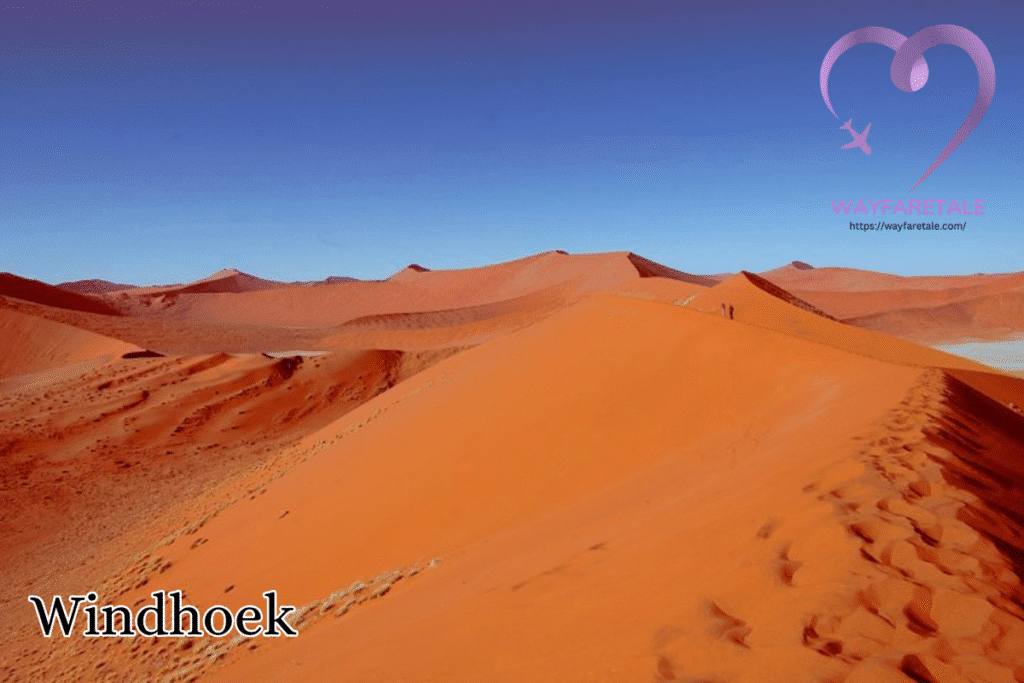
Day 1: Windhoek to Sossusvlei Area
- Distance covered: 360 KM
- Total drive time: 4 HRS 30 MIN
- Overnight in: Desert Quiver Camp (2 consecutive nights)
Most international flights arrive in Windhoek in the morning, making it perfect to collect your 4×4 rental and begin your adventure immediately. After completing rental paperwork and stocking up on supplies at Windhoek’s excellent supermarkets, I headed southwest toward the legendary Sossusvlei dunes.
The drive from Windhoek takes you through gradually changing landscapes, from highland savanna to increasingly arid terrain. This journey serves as a perfect introduction to Namibian road conditions – well-maintained but dusty gravel roads that require careful attention and reduced speeds.
ESSENTIAL STOP: Solitaire
About 2 hours into your drive, you’ll reach the quirky desert outpost of Solitaire. This tiny settlement, famous for its collection of rusted vintage cars and apple pie, serves as the last major supply point before entering the Namib Desert proper. I strongly recommend stopping here to:
- Fill up your fuel tank (next fuel is 100+ km away)
- Grab some of their legendary apple pie and strong coffee
- Check tire pressure and ensure your 4×4 is running smoothly
- Take photos with the iconic car graveyard – a photographer’s paradise
USEFUL TIP: Arrive at Solitaire before 2 PM to ensure the bakery still has fresh apple pie available. The German-Namibian owners take great pride in their baking, and it’s become a pilgrimage site for overlanders.
DRIVING THROUGH THE NAMIB DESERT
The final stretch to your Sossusvlei accommodation takes you deep into the ancient Namib Desert – possibly the world’s oldest desert at 55 million years old. The landscape transforms dramatically as red sand dunes begin appearing on the horizon, creating an otherworldly atmosphere that will leave you speechless.
The road quality remains good, but sand occasionally drifts across the surface. Drive carefully and maintain steady speed – this isn’t the place for sudden braking or acceleration.
Desert Quiver Camp proved to be the perfect base for exploring Sossusvlei. Located strategically close to the park entrance, this eco-friendly camp offers comfortable chalets with stunning desert views. The property’s elevated position provides breathtaking sunset and sunrise opportunities, and the restaurant serves excellent local cuisine.
PHOTOGRAPHY TIP: The hour before sunset offers magical lighting on the red dunes. Walk around your accommodation area for spectacular shots without needing to drive anywhere.
Day 2: Sossusvlei and Deadvlei Exploration
- Distance covered: 80 KM
- Total drive time: 3 HRS (including sand driving)
- Overnight in: Desert Quiver Camp
This day represents the absolute highlight of any Namibian adventure – exploring the iconic red sand dunes of Sossusvlei and the haunting white clay pan of Deadvlei. I recommend starting before sunrise to experience these natural wonders in the best possible light and temperatures.
SUNRISE AT SOSSUSVLEI
I woke at 4:30 AM to reach Sossusvlei’s entrance gate when it opened at sunrise. The early start is absolutely worth it – you’ll have the dunes largely to yourself, temperatures are manageable, and the lighting is simply magical as the sun illuminates the red sand.
The drive from the main gate to Sossusvlei requires careful attention. The first 60 km follows a good gravel road, but the final 5 km to the vlei itself crosses soft sand that requires 4×4 capability and proper driving technique.
ESSENTIAL DRIVING TIP: When approaching the sand section, reduce tire pressure to approximately 1.5 bar (22 PSI) for better traction. Maintain steady momentum and avoid stopping on soft sand. If you’re not confident driving in sand, park at the 2×4 parking area and walk the final 1 km – it’s a beautiful desert walk.
CLIMBING BIG DADDY DUNE
Big Daddy Dune, standing 325 meters high, offers the most spectacular viewpoint over Deadvlei. The climb takes 45-60 minutes of steady effort through soft sand, but the views justify every challenging step.
CLIMBING STRATEGY:
- Start early when temperatures are cooler (below 25°C)
- Follow the ridge line – it’s firmer than the face
- Take plenty of water and sun protection
- The descent is quick but requires control – lean back and take big steps
The summit provides 360-degree views over the Namib Desert, with Deadvlei’s white clay pan dotted with 900-year-old camel thorn trees creating one of the world’s most photographed landscapes.
EXPLORING DEADVLEI
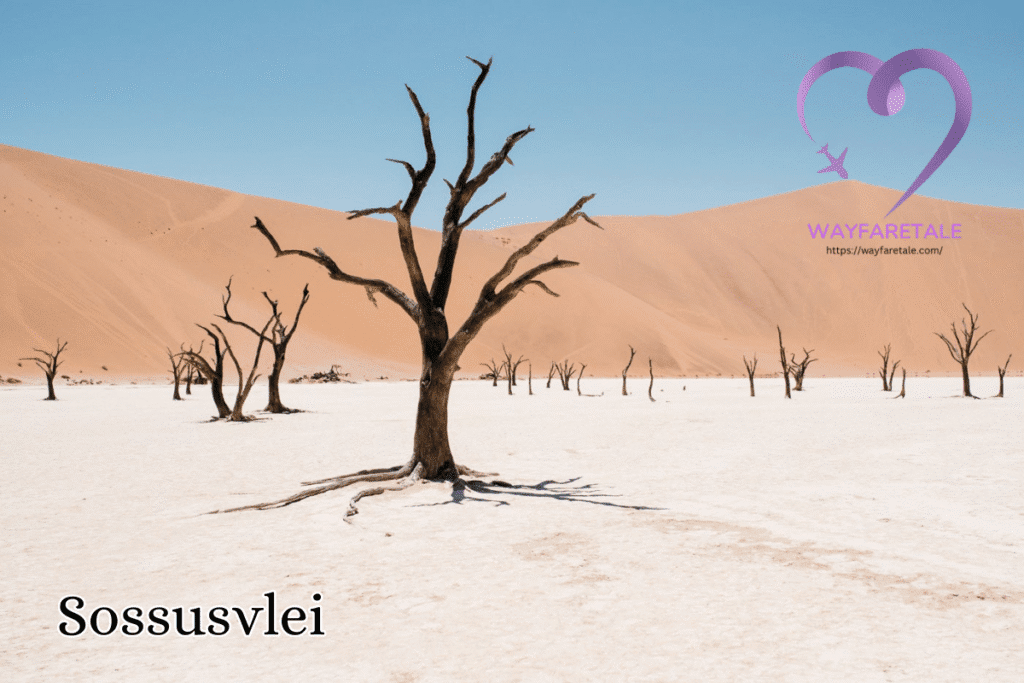
Deadvlei represents 900 years of perfectly preserved natural art. When the Tsauchab River changed course, it left this clay pan without water, creating a natural gallery where ancient camel thorn trees stand as dark sculptures against brilliant white clay and towering red dunes.
The contrast is absolutely surreal – white clay, black trees, red sand, and deep blue sky create a color palette that seems impossible until you witness it yourself.
PHOTOGRAPHY PARADISE: Deadvlei offers unlimited composition opportunities. The classic shot includes a lone dead tree against the red dune backdrop, but don’t miss wider compositions that show the full scale of this remarkable landscape.
HIDDEN CANYON EXPLORATION
Most visitors focus exclusively on the main dunes, but Sossusvlei’s Hidden Canyon offers a completely different experience. This narrow gorge, carved by flash floods over millennia, provides welcome shade and reveals the geological forces that shaped this landscape.
The walk requires scrambling over rocks and through narrow passages, but reveals hidden pools, unusual rock formations, and completely different desert vegetation adapted to the cooler, moister microclimate.
USEFUL TIP: Visit Hidden Canyon during the hottest part of the day (11 AM – 2 PM) when the shade provides relief from sun exposure and the lighting in the canyon is optimal for photography.
Day 3: Namib-Naukluft National Park to Swakopmund
- Distance covered: 350 KM
- Total drive time: 5 HRS
- Overnight in: Hotel Garni Bismarck, Swakopmund
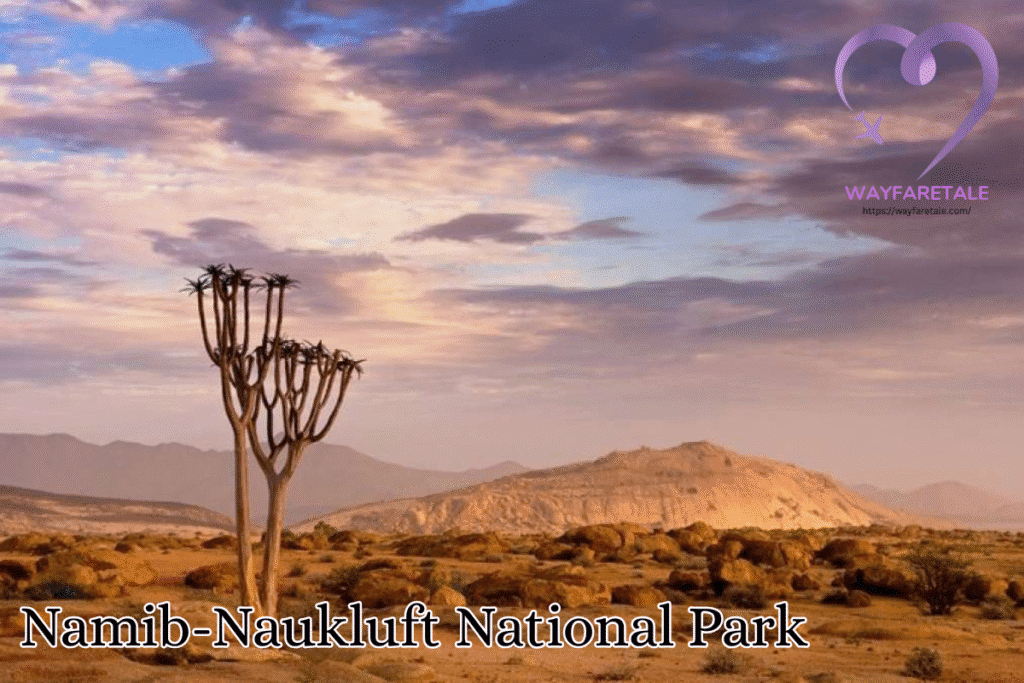
Leaving the red dunes behind, today’s journey takes you through diverse Namib Desert landscapes toward the Atlantic coast and Swakopmund – Namibia’s charming German colonial seaside town.
SESRIEM CANYON MORNING EXPLORATION
Before beginning the drive to Swakopmund, I highly recommend exploring Sesriem Canyon – a narrow gorge carved by the Tsauchab River over millions of years. The canyon provides insight into the geological forces that created this landscape and offers cool respite from the desert heat.
The name “Sesriem” (Six Thongs) comes from early settlers who had to tie six leather thongs together to draw water from pools at the canyon’s base. Today, you can walk into the gorge and explore its twisted passages and hidden pools.
GEOLOGICAL WONDER: The canyon walls reveal 15 million years of sedimentary deposits, creating a natural timeline of southern Africa’s climatic history. The different colored rock layers tell the story of ancient lakes, rivers, and changing environmental conditions.
KUISEB CANYON SCENIC DRIVE
The route to Swakopmund follows the spectacular Kuiseb Canyon – a major geological feature that acts as a natural barrier preventing the Namib Desert’s red dunes from advancing northward. The drive provides constantly changing scenery and numerous photography opportunities.
MOON LANDSCAPE VIEWPOINT
Approximately halfway to Swakopmund, a short detour leads to the Moon Landscape viewpoint – an area of eroded hills and valleys that resembles lunar terrain. This geological wonderland was created by the Swakop River carving through ancient rock formations over millions of years.
The viewpoint offers panoramic views over seemingly endless barren hills and valleys. The complete absence of vegetation and the bizarre rock formations create an otherworldly atmosphere that’s particularly dramatic in late afternoon light.
WELWITSCHIA DRIVE (OPTIONAL DETOUR)
If time permits, consider the Welwitschia Drive – a loop road that showcases some of the Namib Desert’s most unique plants and landscapes. This 4×4-only route takes 2-3 hours and includes:
- Ancient Welwitschia mirabilis plants (some over 1,000 years old)
- Lichen fields that demonstrate desert adaptation
- Diverse geological formations and desert pavement areas
ARRIVAL IN SWAKOPMUND
Swakopmund feels like stepping into a Bavarian town transported to the African coast. German colonial architecture, excellent restaurants, and Germanic efficiency create a unique atmosphere that contrasts dramatically with the desert you’ve just traversed.
Hotel Garni Bismarck provided the perfect base – a historic property in the town center with authentic German colonial charm. The comfortable rooms, excellent breakfast, and central location make it ideal for exploring Swakopmund’s attractions and preparing for coastal adventures.
FIRST EVENING IN SWAKOPMUND
Swakopmund’s waterfront promenade provides a perfect introduction to this unique town. The combination of German architecture, palm trees, and Atlantic Ocean creates an atmosphere unlike anywhere else in Africa.
I recommend dinner at one of the German restaurants – the quality is exceptional and provides interesting insight into Namibia’s colonial history. The local Windhoek beer pairs perfectly with traditional German cuisine adapted to African ingredients.
Day 4: Swakopmund Adventures and Walvis Bay
- Distance covered: 60 KM
- Total drive time: 1 HR (to Walvis Bay and return)
- Overnight in: Hotel Garni Bismarck, Swakopmund
Swakopmund serves as Namibia’s adventure capital, offering numerous activities that provide completely different perspectives on the desert and coastal environments. This day focuses on experiencing the contrast between desert and ocean while participating in some uniquely Namibian adventures.
QUADBIKING IN THE NAMIB DESERT
Starting the day with quadbiking through the desert dunes surrounding Swakopmund provides an adrenaline-pumping introduction to the area’s unique landscape. The guided tours take you through massive sand dunes where you can experience the thrill of riding over steep sand faces and through desert valleys.
The contrast between the skill required to navigate soft sand and the incredible desert scenery makes this one of Namibia’s most popular adventure activities. Most tours last 2-3 hours and include all safety equipment and instruction for beginners.
USEFUL TIP: Book quadbiking for early morning to avoid afternoon winds that can create challenging conditions and reduce visibility due to blowing sand.
SANDWICH HARBOUR EXCURSION
The journey to Sandwich Harbour represents one of Namibia’s most spectacular 4×4 adventures. This unique ecosystem, where massive sand dunes meet the Atlantic Ocean, creates landscapes that seem impossible until you witness them firsthand.
The drive requires specialized vehicles and expert guides familiar with tidal conditions and sand driving techniques. Towering dunes drop directly into the ocean, creating dramatic scenes where flamingos feed in shallow lagoons while desert sands shift overhead.
WILDLIFE ENCOUNTERS: Sandwich Harbour supports incredible wildlife diversity despite its harsh appearance. Flamingos, pelicans, and numerous other seabird species congregate in the nutrient-rich waters, while desert-adapted mammals leave tracks in the sand.
WALVIS BAY MARINE ADVENTURES
The afternoon journey to Walvis Bay introduces you to Namibia’s remarkable marine environment. This deep-water port serves as a base for boat trips that showcase the area’s incredible marine life and provide a completely different perspective on the Namibian coast.
DOLPHIN AND SEAL ENCOUNTERS
Walvis Bay boat trips offer virtually guaranteed encounters with playful dolphins and massive colonies of Cape fur seals. The dolphins often approach boats closely, providing incredible photography opportunities and unforgettable experiences.
Pelican Point seal colony hosts thousands of seals year-round. Watching these playful marine mammals in their natural environment while learning about Namibia’s marine conservation efforts provides educational value alongside pure entertainment.
FRESH OYSTERS AT SEA
One of the unique highlights of Walvis Bay boat trips is enjoying fresh oysters and sparkling wine while surrounded by marine wildlife and desert landscapes. Local boat operators harvest oysters directly from the bay’s pristine waters, serving them immediately with traditional accompaniments.
This combination of luxury dining with wildlife viewing in one of the world’s most unusual coastal environments creates memories that last long after your return home.
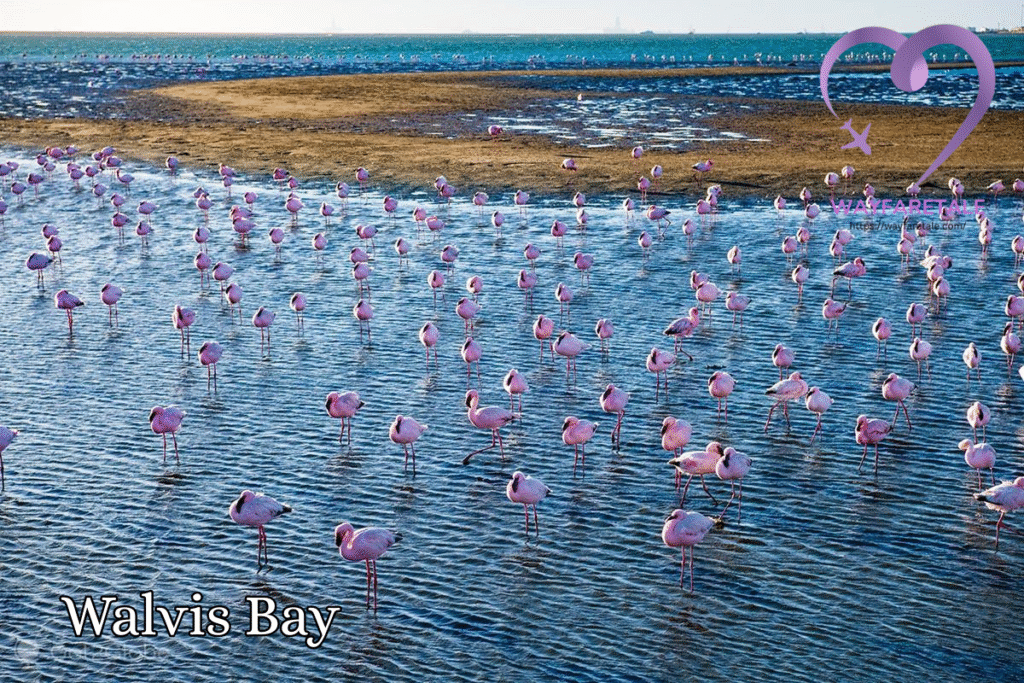
FLAMINGO VIEWING
Walvis Bay lagoon hosts one of southern Africa’s most important flamingo feeding areas. Thousands of both greater and lesser flamingos create pink clouds across the shallow waters, particularly during evening hours when they’re most active.
The contrast between brilliant pink flamingos, white salt deposits, and the surrounding desert creates photography opportunities that showcase Namibia’s incredible natural diversity.
GERMAN COLONIAL ARCHITECTURE EXPLORATION
Returning to Swakopmund in late afternoon provides perfect timing for exploring the town’s remarkable German colonial architecture. Buildings like the iconic lighthouse, railway station, and Hohenzollern Building transport you to early 20th-century German Southwest Africa.
SUNSET AT THE JETTY
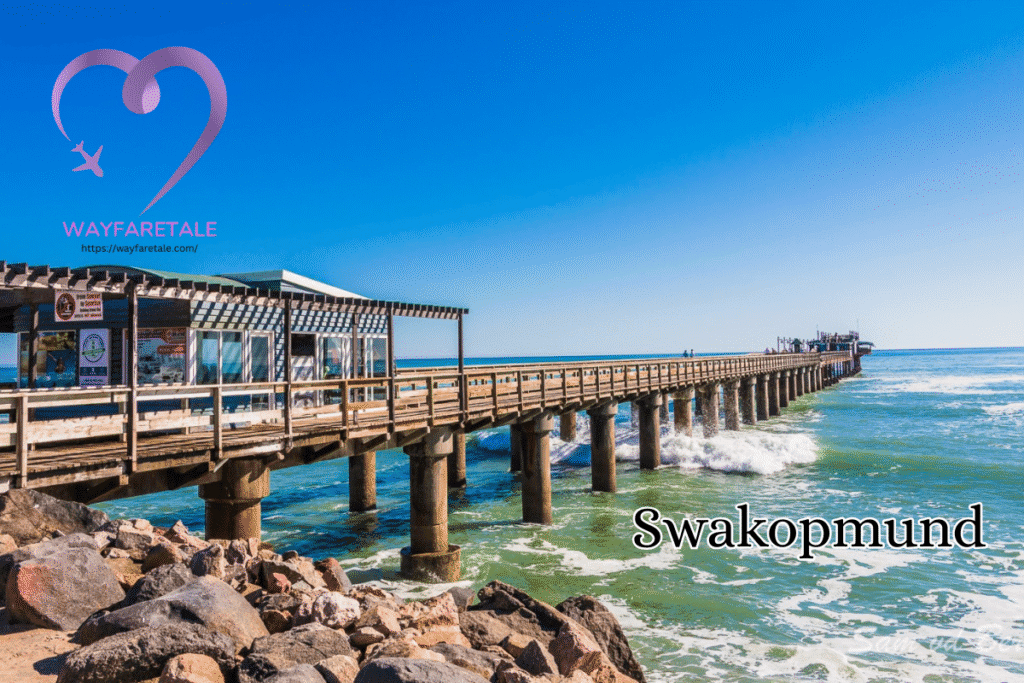
Swakopmund’s historic jetty provides the perfect conclusion to your coastal adventure day. The wooden walkway extends into the Atlantic, offering panoramic views of the coastline and spectacular sunset opportunities.
The combination of crashing waves, German colonial architecture, and desert landscapes visible in the distance creates a uniquely Namibian atmosphere that perfectly captures this remarkable country’s diversity.
Day 5: Spitzkoppe and Journey to Damaraland
- Distance covered: 280 KM
- Total drive time: 4 HRS 30 MIN
- Overnight in: Damara Mopane Lodge
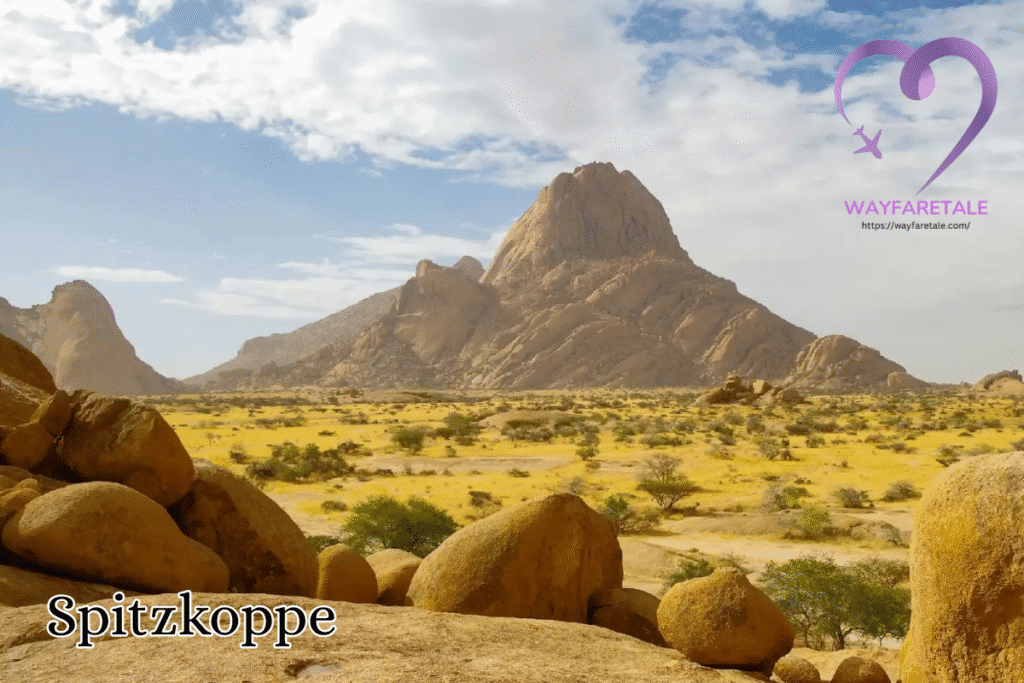
Today marks a significant transition as you leave the coast behind and venture into one of Namibia’s most spectacular but least visited regions – Damaraland. This journey includes a must-see stop at the iconic Spitzkoppe, often called the “Matterhorn of Namibia.”
SPITZKOPPE – THE MATTERHORN OF NAMIBIA
Rising 1,728 meters above the surrounding plains, Spitzkoppe creates one of Namibia’s most recognizable landmarks. This massive granite inselberg, formed over 100 million years ago, provides dramatic photography opportunities and fascinating geological insights.
The approach to Spitzkoppe is spectacular – the distinctive pointed peak appears on the horizon long before you arrive, growing more impressive with each kilometer. The surrounding landscape of smaller granite formations and desert vegetation creates a landscape that seems designed by an artist.
ROCK ART EXPLORATION
Spitzkoppe hosts some of southern Africa’s most significant rock art sites. Ancient San (Bushmen) paintings, some dating back over 6,000 years, provide windows into the lives and beliefs of Namibia’s earliest inhabitants.
The most famous site, known as “Bushman’s Paradise,” features dozens of paintings depicting animals, human figures, and abstract symbols. Local guides (often from nearby communities) can provide insights into the art’s cultural significance and demonstrate traditional survival techniques.
USEFUL TIP: Hire a local guide at the community camp – their knowledge transforms a simple rock art viewing into a comprehensive cultural education about traditional desert survival and ancient spiritual beliefs.
ROCK FORMATIONS AND NATURAL ARCHES
Beyond rock art, Spitzkoppe offers incredible geological formations including natural arches, balanced rocks, and hidden pools. The Rock Arch (Bogen) provides one of Namibia’s most photographed natural formations – a perfect granite arch framing desert landscapes.
Exploring these formations requires scrambling over rocks and through narrow passages, but reveals hidden chambers and provides unique perspectives on this ancient landscape.
PHOTOGRAPHY PARADISE: Spitzkoppe offers unlimited photography opportunities throughout the day, but sunrise and sunset provide the most dramatic lighting when the granite glows golden-orange against deep blue skies.
JOURNEY INTO DAMARALAND
The drive from Spitzkoppe to Damaraland takes you through gradually changing landscapes as you enter one of Namibia’s most geologically diverse regions. Ancient mountain ranges, volcanic outcrops, and desert-adapted vegetation create constantly changing scenery.
UIS MINING HERITAGE
A brief stop in Uis provides insight into Namibia’s mining heritage. This former tin mining town, now largely abandoned, offers a glimpse into the boom-and-bust cycles that have shaped Namibian development.
The contrast between industrial remnants and returning desert vegetation demonstrates nature’s resilience in reclaiming human-modified landscapes.
BRANDBERG MOUNTAIN VIEWS
As you approach Damaraland proper, Brandberg Mountain – Namibia’s highest peak at 2,573 meters – dominates the eastern horizon. This massive granite intrusion hosts the famous “White Lady” rock painting and represents one of southern Africa’s most significant archaeological sites.
While this itinerary doesn’t include Brandberg exploration (it requires a full day), the views from the road provide appreciation for its scale and geological significance.
DAMARA MOPANE LODGE
Damara Mopane Lodge provides the perfect base for exploring Damaraland’s unique attractions. The lodge’s elevated position offers panoramic views over mopane woodland and distant mountain ranges, while its proximity to key sites makes it strategically ideal.
The accommodation combines comfort with authentic African atmosphere – thatched chalets provide modern amenities while maintaining connection to the natural environment.
FIRST EVENING GAME DRIVE
Late afternoon at Damara Mopane Lodge offers opportunities for your first encounter with desert-adapted wildlife. The lodge’s concession area hosts elephants, giraffes, and various antelope species uniquely adapted to arid conditions.
These animals demonstrate remarkable adaptations to desert life – elephants travel vast distances between water sources, giraffes browse on plants that would be toxic to other species, and antelopes derive moisture entirely from their food.
Day 6: Damaraland Desert-Adapted Wildlife and Cultural Heritage
- Distance covered: 120 KM
- Total drive time: 4 HRS (including wildlife tracking)
- Overnight in: Damara Mopane Lodge
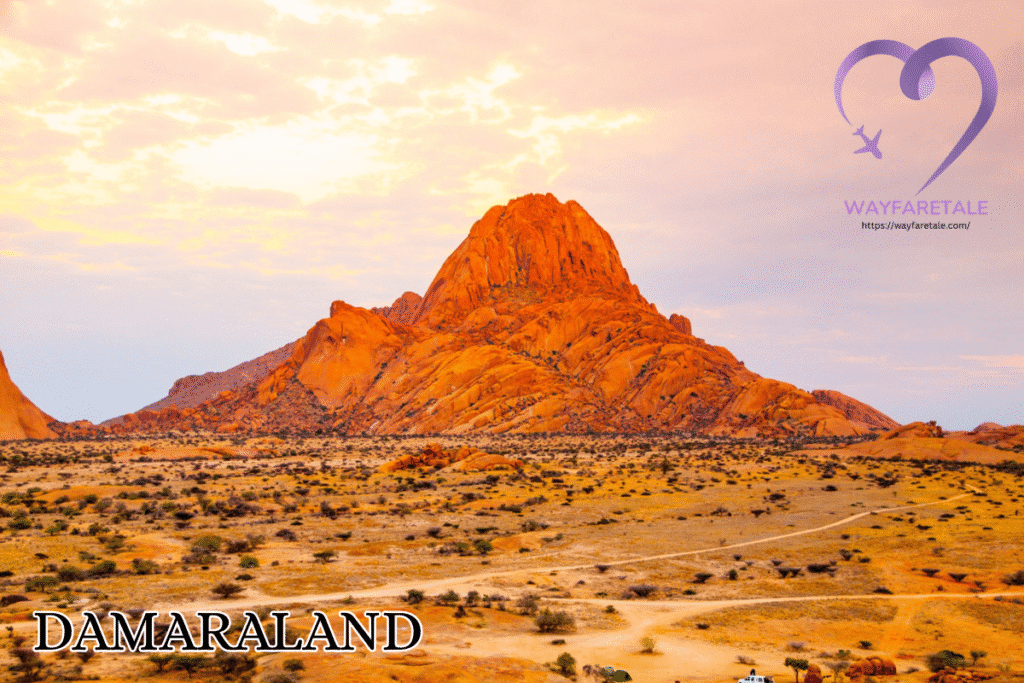
Damaraland represents one of Africa’s most unique ecosystems, where wildlife has evolved remarkable adaptations to survive in semi-desert conditions. This day focuses on tracking desert-adapted elephants and exploring the cultural heritage of the Damara people.
DESERT-ADAPTED ELEPHANT TRACKING
Damaraland’s desert elephants represent one of only two populations worldwide (along with Mali) that have adapted to true desert conditions. These remarkable animals can travel over 80 kilometers between water sources and have developed unique behaviors for desert survival.
TRACKING TECHNIQUES
Finding desert elephants requires patience, local knowledge, and careful observation of environmental signs:
- Fresh tracks in sand: Elephant footprints in soft sand indicate recent presence
- Dung analysis: Fresh dung (still moist) suggests elephants passed within hours
- Vegetation damage: Broken branches and stripped bark show feeding activity
- Water source monitoring: Elephants visit springs and rivers predictably during dry seasons
Local guides possess incredible tracking skills developed through generations of living alongside these animals. Their knowledge transforms what could be frustrating searches into fascinating lessons in animal behavior and desert ecology.
BEHAVIORAL ADAPTATIONS
Desert elephants exhibit unique behaviors rarely seen in other elephant populations:
- Extended family ranges: Family groups cover territories of 2,000+ square kilometers
- Water conservation: They can survive 3-4 days without drinking by deriving moisture from plants
- Specialized diet: They consume over 40 plant species, including toxic plants avoided by other elephants
- Sand bathing: Extensive sand bathing protects against desert sun and insects
PHOTOGRAPHY OPPORTUNITIES
Successfully locating desert elephants provides extraordinary photography opportunities. The contrast between massive gray animals and red desert landscapes creates images unique to Namibian wildlife photography.
The elephants’ tolerance of vehicles (when approached respectfully) allows for close observation of behaviors like dust bathing, feeding on desert plants, and complex social interactions adapted to harsh environments.
TWYFELFONTEIN ROCK ART SITE
Twyfelfontein represents one of Africa’s most significant rock art concentrations, featuring over 2,500 individual carvings (petroglyphs) created over approximately 6,000 years. This UNESCO World Heritage Site provides insights into ancient hunter-gatherer societies and their relationship with desert environments.
CULTURAL SIGNIFICANCE
The rock art serves multiple purposes:
- Spiritual significance: Many carvings represent shamanic practices and spiritual beliefs
- Educational tools: Images taught hunting techniques and animal behavior to young people
- Territorial markers: Some carvings may have marked water sources or territorial boundaries
- Astronomical observations: Certain arrangements might represent celestial patterns important to ancient peoples
GUIDED TOURS MANDATORY
Twyfelfontein requires guided tours to protect the art and ensure visitors understand its cultural significance. Local Damara guides provide insights into their ancestors’ lives and demonstrate how traditional knowledge continues today.
NOTABLE CARVINGS
Key petroglyphs include:
- The Dancing Kudu: One of the most famous and well-preserved animal carvings
- The Lion Man: A unique human-animal hybrid figure suggesting shamanic transformation
- Animal tracks: Detailed representations of various species’ footprints used for hunting education
BURNT MOUNTAIN AND ORGAN PIPES
The afternoon includes visits to two remarkable geological sites showcasing Damaraland’s volcanic heritage:
BURNT MOUNTAIN
This colorful hill appears to glow with internal fire due to its iron-rich volcanic rock. The contrast between dark volcanic stone and lighter sedimentary layers creates a natural artwork that changes color throughout the day.
The mountain demonstrates the complex geological processes that created Damaraland’s diverse landscapes over millions of years.
ORGAN PIPES
These perfectly formed dolerite columns, created by volcanic activity 120 million years ago, resemble massive church organ pipes. The geometric precision of these natural formations showcases the mathematical principles underlying geological processes.
DAMARA CULTURAL VILLAGE
A visit to a traditional Damara cultural village provides insights into how indigenous people have adapted to Damaraland’s challenging environment for thousands of years.
TRADITIONAL KNOWLEDGE DEMONSTRATION
Village visits typically include:
- Fire-making techniques: Traditional methods using local materials
- Medicinal plant knowledge: How desert plants provide healthcare solutions
- Traditional hunting tools: Demonstration of weapons and tracking techniques
- Cultural ceremonies: Music, dance, and storytelling traditions
ETHICAL TOURISM NOTE: Choose community-run cultural villages that provide fair compensation to local people and authentic cultural exchange rather than commercialized performances.
Day 7: Journey to Etosha National Park
- Distance covered: 200 KM
- Total drive time: 3 HRS 30 MIN
- Overnight in: Etosha Safari Lodge (2 consecutive nights)
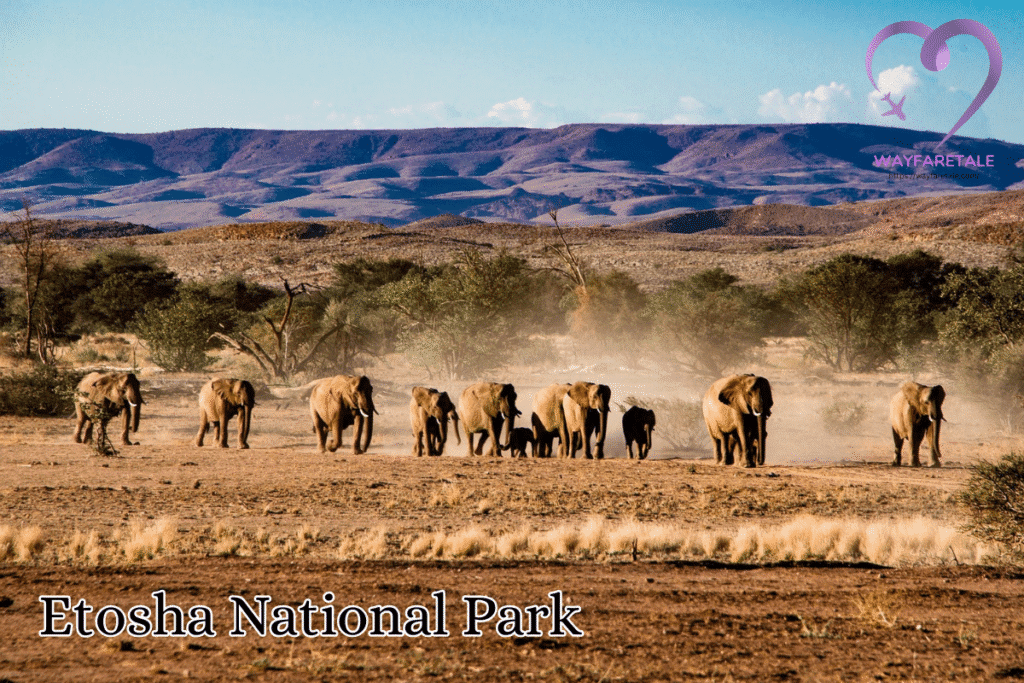
The final day of your week-long adventure takes you to Namibia’s premier wildlife destination – Etosha National Park. This transition from desert landscapes to savanna ecosystems provides your first opportunity to experience Africa’s classic Big Five game viewing.
DEPARTURE FROM DAMARALAND
The morning drive from Damaraland to Etosha takes you through gradually changing vegetation zones as annual rainfall increases and desert gives way to savanna woodland. This transition zone demonstrates how small changes in precipitation create dramatically different ecosystems.
OUTJO – LAST SUPPLY STOP
The town of Outjo serves as the final supply opportunity before entering Etosha. Stock up on drinks, snacks, and any forgotten essentials, as prices inside the park are significantly higher.
Outjo also offers fuel and tire pressure checking – important before entering Etosha’s extensive road network where proper vehicle preparation prevents problems far from assistance.
ETOSHA NATIONAL PARK INTRODUCTION
Etosha ranks among Africa’s greatest game reserves, protecting 22,270 square kilometers of diverse habitats centered around the massive Etosha Pan – a salt pan so large it’s visible from space. During dry season, animals concentrate around permanent waterholes, creating incredible wildlife viewing opportunities.
ANDERSON GATE ENTRY
Entering through Anderson Gate (western entrance) provides immediate introduction to Etosha’s wildlife abundance. The road from the gate to main camps passes several productive waterholes where early sightings often include elephants, giraffes, and various antelope species.
FIRST GAME DRIVE TO OKAUKUEJO
The afternoon drive to Okaukuejo camp provides your first taste of Etosha’s remarkable wildlife concentrations. Key waterholes along this route include:
GEMSBOKVLAKTE WATERHOLE
This artificial waterhole attracts large numbers of oryx (gemsbok), springbok, and other plains game. The open grassland setting provides excellent photography opportunities and demonstrates how water sources shape animal distribution in arid environments.
OKAUKUEJO WATERHOLE
Okaukuejo camp’s famous waterhole, illuminated at night, offers some of Africa’s most reliable wildlife viewing. Species regularly seen here include elephants, black rhinos, lions, giraffes, and numerous antelope species.
AFTERNOON GAME DRIVE STRATEGY
Late afternoon provides optimal game viewing as temperatures cool and animals become more active. Focus on:
- Waterhole visits: Animals concentrate near water during daylight hours
- Open grassland areas: Ideal for spotting cheetahs and other predators
- Mixed woodland: Provides opportunities for elephant and giraffe encounters
ETOSHA SAFARI LODGE
Located just outside Anderson Gate, Etosha Safari Lodge provides luxury accommodation with easy park access. The lodge’s elevated position offers panoramic views over mopane woodland, while comfortable rooms provide perfect relaxation after exciting game drives.
The lodge’s restaurant serves excellent cuisine featuring both international dishes and local specialties, while the bar provides a perfect setting for sharing the day’s wildlife encounters with fellow travelers.
NIGHT SOUNDS OF AFRICA
Your first night near Etosha introduces you to Africa’s incredible night sounds. Lions roaring in the distance, hyenas calling, and the constant chorus of insects and night birds create an atmospheric soundtrack that epitomizes the African wilderness experience.
BONUS ETOSHA ACTIVITIES (If extending your stay):
If you have additional days, Etosha offers incredible experiences:
- Full-day game drives: Explore eastern sections of the park via Namutoni camp
- Halali waterhole visits: Famous for black rhino sightings
- Night drives: Some lodges offer guided night drives for nocturnal wildlife
- Photography workshops: Professional guides help capture the perfect wildlife shots
What I Skipped and Would Suggest Skipping in Namibia
SKELETON COAST (Northern section): While incredibly remote and dramatic, accessing the northern Skeleton Coast requires either expensive fly-in safaris or extremely challenging 4×4 expeditions lasting multiple days. For a one-week itinerary, the time and expense aren’t justified when so many accessible highlights await.
FISH RIVER CANYON: Namibia’s second-most famous natural attraction after Sossusvlei, but it’s located far in the south and would require significant driving time that’s better spent exploring the central/northern highlights. Save this for a longer Namibia visit.
CAPRIVI STRIP: This narrow panhandle in northeastern Namibia offers completely different ecosystems and wildlife, but it’s essentially a different country experience requiring separate planning. Perfect for longer trips or combination with Botswana/Zambia.
WINDHOEK CITY EXPLORATION: Beyond using it as a logistical base, Windhoek doesn’t offer compelling attractions that justify time away from Namibia’s natural wonders. Use it for supplies and logistics, then get out to the desert.
LÜDERITZ: This coastal German colonial town is charming but requires a significant detour that doesn’t fit well with the main northern circuit. The ghost town of Kolmanskop nearby is interesting but not essential for first-time visitors.
Extended Namibia Itinerary Options
If you have 10 days in Namibia:
- Add Fish River Canyon (2 extra days in the south)
- Spend additional time in Etosha exploring eastern sections
- Include Waterberg Plateau for hiking and rare wildlife
If you have 14 days in Namibia:
- Add Caprivi Strip for tropical wildlife and Victoria Falls access
- Include Skeleton Coast fly-in safari
- Explore Kaokoland for Himba cultural experiences
- Visit Ai-Ais/Richtersveld Transfrontier Park
Essential Packing List for Namibia
Vehicle Equipment:
- Spare tires (at least 2 for remote areas)
- Tire repair kit and portable compressor
- Recovery boards for sand driving
- Extra fuel containers (jerry cans)
- Plenty of water storage
- GPS device with offline maps
- Satellite communication device for emergencies
Personal Gear:
- High SPF sunscreen and lip balm
- Wide-brimmed hat and sunglasses
- Lightweight long-sleeve shirts for sun protection
- Warm layers for desert nights (can drop to 5°C)
- Sturdy hiking boots and comfortable sandals
- Camera equipment with dust protection
- Binoculars for wildlife viewing
- Headlamp and flashlight
- Personal first aid kit
Namibia Road Trip Safety Tips
Desert Driving Safety:
- Always inform someone of your route and expected arrival times
- Carry emergency supplies for at least 3 days
- Never leave your vehicle if stranded – stay with it for rescue
- Check weather conditions before entering remote areas
- Understand basic vehicle maintenance and tire changing
Wildlife Safety:
- Maintain safe distances from all wildlife (minimum 25 meters)
- Never feed wild animals
- Keep vehicle windows closed when approaching large animals
- Store all food securely to prevent animal encounters at campsites
- Follow park rules regarding driving speeds and designated roads
Health Considerations:
- Malaria risk exists only in northern regions during rainy season
- Dehydration is the primary health risk – drink water constantly
- Protect against sun exposure at high altitude
- Basic medical facilities exist in major towns but carry comprehensive first aid supplies
Photography Tips for Namibia
Equipment Recommendations:
- Wide-angle lens for landscape photography (14-24mm)
- Telephoto lens for wildlife (70-200mm minimum)
- Sturdy tripod for low-light and long exposure shots
- Lens cleaning kit for constant dust exposure
- Extra batteries (cold nights drain power quickly)
- Protective camera bags against sand and dust
Best Photography Times:
- Golden hour: 30 minutes before/after sunrise and sunset
- Blue hour: 20-30 minutes after sunset for twilight shots
- Midday harsh light: Use for high-contrast black and white photography
- Overcast conditions: Excellent for wildlife photography with even lighting
Namibia Travel Resources
Planning your Namibia adventure? These resources proved invaluable during my trip:
Flights: Find the best flight deals to Windhoek using Skyscanner or Google Flights. Most international visitors connect through South Africa or European hubs.
Car Rental: Book 4×4 vehicles through:
- Asco Car Hire: Local Namibian company with excellent desert-equipped vehicles
- Britz: Specializes in camping-equipped 4x4s perfect for self-drive safaris
- Bidvest: Reliable international company with good insurance options
Accommodation:
- Booking.com: Best for international chains and many lodges
- Direct booking: Many remote lodges prefer direct reservations
- Namibia Tourism Board: Official accommodation listings and recommendations
Travel Insurance: Essential for adventure activities and remote travel:
- World Nomads: Covers adventure activities and emergency evacuation
- SafetyWing: Good budget option with decent coverage
- Allianz: Comprehensive coverage including vehicle rental protection
Guided Tours: For activities you prefer not to self-drive:
- Get Your Guide: Scenic flights, cultural tours, and adventure activities
- Viator: Comprehensive tour options from major centers
- Local operators: Often provide better value and more authentic experiences
Maps and Navigation:
- Tracks4Africa: Essential offline GPS maps designed for African conditions
- Google Maps: Limited offline capability but useful for major routes
- Paper maps: Always carry physical backups for remote areas
Communication:
- Local SIM cards: Available at Windhoek airport for data connectivity
- Satellite communicators: Consider renting for true remote area travel
- Emergency contacts: Program local emergency numbers before departing
This one-week Namibia road trip itinerary provides an incredible introduction to one of Africa’s most spectacular and accessible countries. The combination of otherworldly landscapes, unique wildlife encounters, and cultural experiences creates memories that will inspire return visits to explore Namibia’s vast wilderness areas more deeply.
The key to a successful Namibian adventure lies in proper preparation, respect for the challenging environment, and maintaining flexibility to embrace unexpected discoveries. Whether you’re watching the sun rise over Sossusvlei’s red dunes, tracking desert elephants through ancient landscapes, or listening to lions roar under Etosha’s star-filled skies, Namibia offers experiences that will fundamentally change your perspective on the natural world.
Remember that this itinerary represents just a taste of what Namibia offers. Each region could easily justify weeks of exploration, and many travelers find themselves planning return trips before they’ve even left. Start with this one-week introduction, and let Namibia’s magic inspire your future African adventures.
More Namibia Travel Guides
- Complete guide to driving in Namibia: Essential preparation for self-drive safaris
- Sossusvlei photography guide: Techniques for capturing the perfect dune shots
- Desert wildlife tracking: Understanding animal behavior in arid environments
- Namibian cultural experiences: Respectful ways to engage with indigenous communities
- Extended Namibia itineraries: Two and three-week routes for comprehensive exploration
Planning your Namibian adventure? Use these trusted booking resources that I personally recommend for reliable service and competitive prices.