
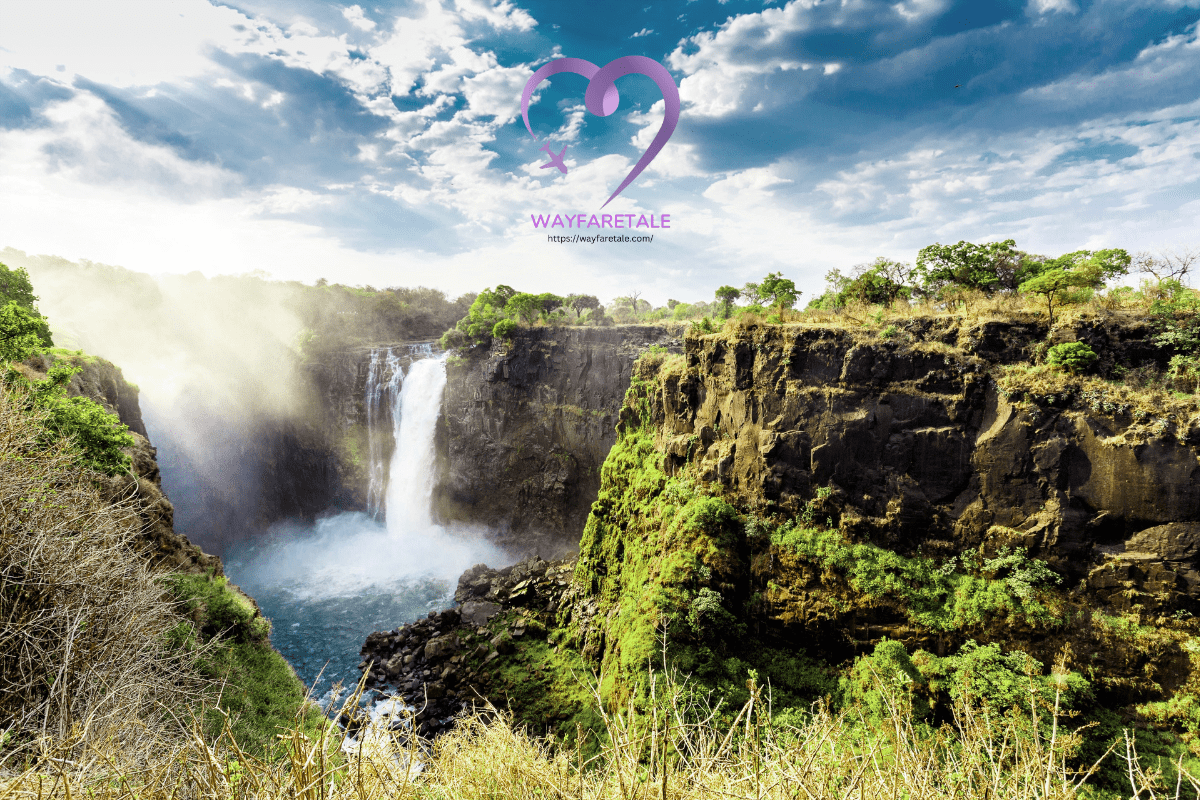
Zimbabwe Road Trip: Epic Itinerary for One Week in Zimbabwe!
Zimbabwe is an ideal destination for an African road trip adventure. This detailed one-week Zimbabwe road trip itinerary covers the best places in the country that you can visit in 7 days, showcasing the incredible diversity this southern African nation has to offer.
Zimbabwe is a landlocked country with an astounding variety of experiences packed within its borders! Scenic roads wind through thundering waterfalls, ancient granite formations, vast wildlife reserves, and dramatic landscapes that have remained virtually unchanged for millennia. Therefore, going on a Zimbabwe road trip is by far the best way to explore this remarkable African destination.
With your own wheels, you will be able to explore the best places in Zimbabwe conveniently and at your own pace. Although some sights in Zimbabwe can be reached by organized tours or public transport, many of the most spectacular places are best accessed by car, giving you the freedom to stop at viewpoints, interact with local communities, and truly immerse yourself in the Zimbabwean experience.
Based on my experience of exploring this incredible country, I put together this comprehensive 1-week Zimbabwe road trip itinerary covering the mighty Victoria Falls, world-class wildlife parks, ancient archaeological sites, and stunning granite landscapes. It also indicates distances traveled, provides practical tips, and suggests places to stay throughout Zimbabwe.
Essential Planning Information
Car rental tips: • Avis Zimbabwe and Hertz are the most reliable international car rental companies with offices in Harare and Victoria Falls • For 4WD vehicles essential for game drives, check Safari Car Rental Zimbabwe – they specialize in safari-ready vehicles • Always opt for comprehensive insurance and ensure your vehicle is equipped for both tarred and gravel roads • Book accommodation through Booking.com or contact lodges directly • Travel Insurance: Purchase reliable coverage through World Nomads or SafetyWing • Check wildlife and adventure tours on Viator or GetYourGuide
Summary of My Zimbabwe Road Trip Route
• Day 1: Arrival in Victoria Falls – Sunset cruise and town exploration • Day 2: Victoria Falls National Park – Devil’s Pool and helicopter flight • Day 3: Chobe Day Trip (Botswana border) – Wildlife viewing • Day 4: Victoria Falls to Hwange National Park – Game drives • Day 5: Full day Hwange National Park – Big Five safari • Day 6: Hwange to Matobo National Park – Ancient rock art • Day 7: Matobo National Park and Bulawayo – Cultural sites
If I had 10 days in Zimbabwe, my itinerary would include Victoria Falls – Hwange National Park – Matobo National Park – Great Zimbabwe Ruins – Eastern Highlands with Nyanga National Park.
If I had 2 weeks in Zimbabwe, I would add Mana Pools National Park, Lake Kariba, and the Zambezi Valley for a complete Zimbabwe experience.
Zimbabwe Road Trip Planning Tips

Renting a Car in Zimbabwe
Major car rental companies operate from Harare’s Robert Mugabe International Airport and Victoria Falls Airport. I highly recommend booking a 4WD vehicle, especially if you plan to do self-drive game viewing in national parks. The roads between major destinations are generally in good condition, but park roads can be challenging.
Most rental companies require you to be over 25 years old and hold an international driving permit alongside your regular license. Ensure your rental includes emergency contact numbers and roadside assistance – this is crucial when traveling in remote areas.
Driving in Zimbabwe
Driving in Zimbabwe requires patience and preparation, but it’s incredibly rewarding. The main highways connecting Victoria Falls, Bulawayo, and Harare are tarred and well-maintained. However, roads within national parks are typically gravel and can become challenging during the rainy season (November to March).
Traffic drives on the left side of the road, following British colonial tradition. Speed limits are 120km/h on highways, 60km/h in urban areas, and much slower in parks where wildlife has right of way. Always carry extra water, snacks, and a first-aid kit when venturing into remote areas.
One important consideration is fuel availability – always fill up when you see a station, especially when heading to remote areas like Hwange or Matobo. Some parks have fuel available, but it’s not guaranteed.
Where to Stay During the Zimbabwe Road Trip
Throughout my Zimbabwe road trip, I prioritized staying at lodges and camps that offer authentic experiences while maintaining good standards of comfort and safety. Zimbabwe has excellent safari lodges, from luxury options to more budget-friendly camps, most of which include meals and game drives in their rates.
When looking for accommodation in Zimbabwe with a rental car, consider staying at places that offer secure parking and are located near park entrances for early morning game drives. Many lodges also provide valuable local knowledge about current wildlife movements and road conditions.
Accommodation booking: I used a combination of Booking.com for established hotels and direct booking with safari lodges. Many of Zimbabwe’s best wildlife lodges aren’t listed on international booking sites, so researching and contacting them directly often yields better rates and personalized service.
Here’s a quick summary of accommodation types I used during my road trip:
• Victoria Falls: Safari lodge with waterfall views – 2 nights • Hwange National Park: Traditional safari camp – 2 nights
• Matobo National Park: Rock lodge among granite formations – 2 nights • Bulawayo: Historic colonial hotel – 1 night
What to Expect in Zimbabwe
In Zimbabwe, you will be treated to some of Africa’s most spectacular wildlife viewing opportunities, including the famous Big Five in their natural habitat. You’ll witness the raw power of Victoria Falls – one of the world’s most impressive waterfalls – and explore ancient granite landscapes that have inspired humans for thousands of years through remarkable rock art.
The country offers incredible diversity: thundering waterfalls, vast savanna plains teeming with elephants and lions, ancient archaeological sites that reveal fascinating civilizations, and granite kopjes that create dramatic skylines. You’ll also experience the warmth of Zimbabwean hospitality and rich cultural traditions that have been preserved despite modern challenges.
Wildlife enthusiasts will find Zimbabwe particularly rewarding, with Hwange National Park hosting one of Africa’s largest elephant populations and Matobo National Park offering unique opportunities to track rhinos on foot.
How Many Days Do You Need in Zimbabwe?
Based on my experience exploring Zimbabwe, one week provides enough time to see the major highlights including Victoria Falls, at least one major national park, and some cultural sites. However, Zimbabwe has so much to offer that you could easily spend two weeks or more without running out of spectacular sights.
This itinerary focuses on the absolute must-see destinations for first-time visitors, but I also mention additional places worth considering if you have more time available.
When to Visit Zimbabwe
The best time to visit Zimbabwe is during the dry season from May to October. During these months, wildlife congregates around water sources making game viewing exceptional, and the weather is pleasant with clear skies and minimal rainfall.
The peak season is May to August when temperatures are comfortable and rainfall is virtually non-existent. September and October can be very hot but offer excellent wildlife viewing as animals concentrate around remaining water sources.
Victoria Falls is most impressive from February to July when water levels are highest, though it’s spectacular year-round. During the dry season (August-December), water levels are lower but you can participate in activities like Devil’s Pool.
Budget for Your Road Trip in Zimbabwe
Zimbabwe requires a higher budget than many African destinations, but the experiences are absolutely worth the investment. The country primarily operates on US dollars, making budgeting straightforward for American travelers.
Rough breakdown of expected costs: • Accommodation: $80-200/night for safari lodges (including meals and activities) • Car Rental: $50-80/day for a 4WD vehicle with comprehensive insurance
• Fuel: $1.20/liter for petrol (prices fluctuate) • Park Fees: $15-30/day per person for national parks • Activities: $150-300 for helicopter flights, $50-100 for cultural tours • Meals: $15-30/day if not included in accommodation
Zimbabwe 1-Week Road Trip Itinerary Day by Day
For those of you who want to experience the best of Zimbabwe in one week, here is my day-by-day breakdown of the route I took during my unforgettable road trip through this incredible country.
Day 1: Victoria Falls – The Smoke That Thunders
- Distance covered: 22 KM (from airport to town and activities)
- Total drive time: 30 MIN
- Overnight in: Victoria Falls town for 2 consecutive nights
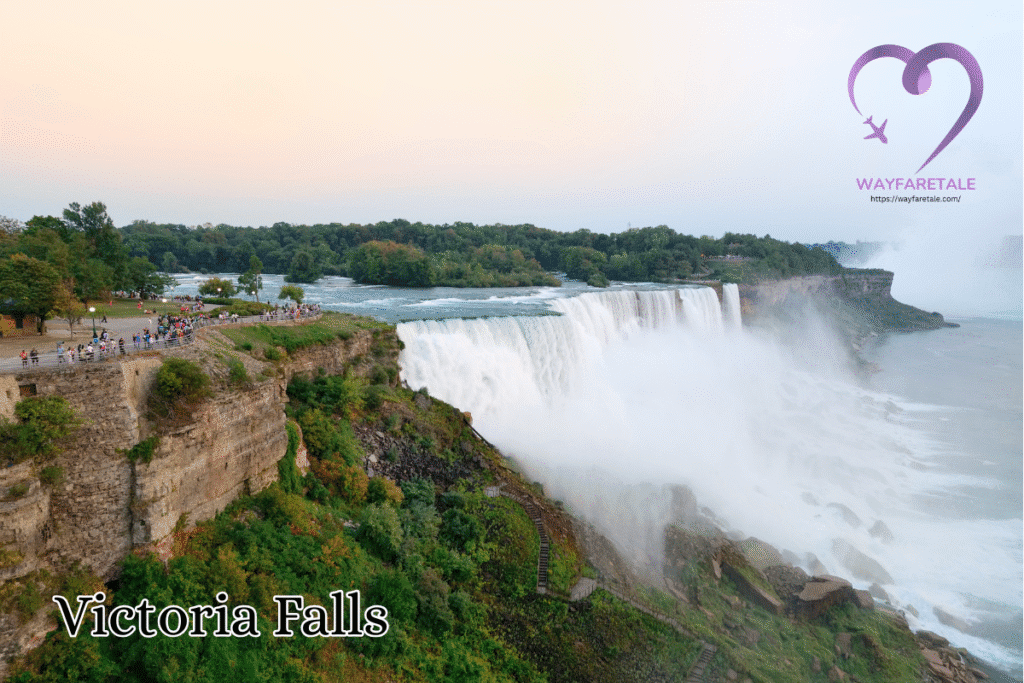
Landing at Victoria Falls Airport, I was immediately struck by the sound – a deep, thunderous rumble that you feel in your chest before you hear it with your ears. This is Mosi-oa-Tunya, “The Smoke That Thunders,” as the locals call Victoria Falls, and it’s absolutely impossible to ignore.
Victoria Falls is not just a waterfall; it’s a force of nature that has carved one of the world’s most spectacular gorges over millions of years. The Zambezi River plunges 108 meters into a narrow chasm, creating a curtain of water over 1.7 kilometers wide. Standing on the edge, you’re enveloped in a constant mist that can soak you completely on high-water days.
Things to do in Victoria Falls
Take a sunset cruise on the Zambezi River Nothing quite prepares you for the magic of a Zambezi sunset cruise. As our boat drifted along the river above the falls, elephants came down to drink on the banks while hippos surfaced nearby. The African sun painted the sky in impossible shades of orange and pink, reflected perfectly in the calm water. Local guides shared stories while serving cold beverages and snacks. This is absolutely essential – book it for your first evening to set the tone for your entire Zimbabwe adventure.
USEFUL TIP: Book your sunset cruise through your lodge or a reputable operator like Wild Horizons. The best cruises include transfers from your hotel and typically last 2-3 hours. Don’t forget your camera and a light jacket for the evening breeze.
Walk through Victoria Falls town Victoria Falls town has evolved significantly since my first visit years ago. What was once a sleepy outpost is now a vibrant hub of activity, though it maintains its small-town charm. The main street buzzes with curio markets selling beautiful stone sculptures, traditional textiles, and handcrafted jewelry. I spent hours chatting with local artisans who were eager to share stories about their work.
The town center features several restaurants serving both international cuisine and traditional Zimbabwean dishes. Try sadza (cornmeal staple) with relish, or sample game meat like kudu or impala if you’re feeling adventurous.
USEFUL TIP: When shopping at curio markets, bargaining is expected and part of the fun. Start at about 30-40% of the asking price and negotiate from there. Always carry small US dollar bills for purchases.
Visit the Victoria Falls Hotel for high tea Even if you’re not staying there, the iconic Victoria Falls Hotel offers a glimpse into colonial-era elegance with its manicured lawns and vintage charm. Their afternoon tea service includes stunning views across the gorge, and you can often hear the falls thundering in the distance. It’s a bit touristy, but the historical atmosphere and prime location make it worthwhile.
Where to stay in Victoria Falls?
I chose to stay at The Victoria Falls Safari Club, which offers excellent value with spectacular views over the Zambezi River and convenient access to town activities. The rooms are comfortable, the staff incredibly helpful, and the location allows you to walk to many attractions.
For luxury travelers, The Victoria Falls Hotel is the classic choice with its colonial elegance and prime location. Budget-conscious travelers should consider Shearwater Village or Victoria Falls Backpackers Lodge, both offering decent accommodation at reasonable rates.
Accommodation tip: Book accommodation with air conditioning – Victoria Falls can get very hot, especially from September to November. Also, ensure your lodge offers secure parking for your rental vehicle.
Day 2: Victoria Falls National Park and Adventure Activities
- Distance covered: 15 KM (local activities and viewpoints)
- Total drive time: 45 MIN (including stops)
- Overnight in: Victoria Falls town
THE VICTORIA FALLS VIEWPOINTS
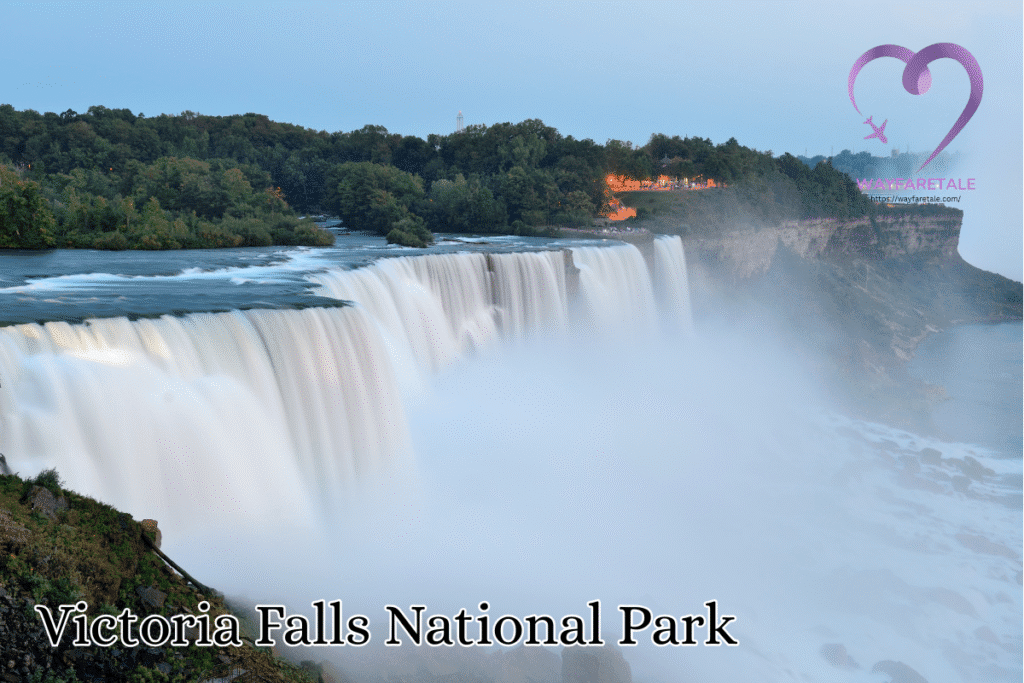
The second day is dedicated to experiencing Victoria Falls from every possible angle. The Zimbabwean side of the falls offers the most comprehensive views, with a well-maintained path that takes you to 16 different viewpoints, each revealing new perspectives of this natural wonder.
Walk the Falls viewpoints trail Starting early at 7 AM (the park opens at 6 AM), I avoided both the heat and crowds while experiencing the falls in the soft morning light. The trail is relatively easy, taking about 2 hours to complete at a leisurely pace with photography stops. Each viewpoint has a unique character – from the gentle introduction at Devil’s Cataract to the overwhelming power at Main Falls.
The highlight is undoubtedly Danger Point and the Main Falls viewpoint, where you’re positioned directly opposite the largest section of the cascade. During high water season (February-July), the spray is so intense you’ll be completely soaked within minutes. I recommend bringing a waterproof camera cover or plastic bag for your phone.
ESSENTIAL TIP: The park entrance fee is $30 for international visitors (payable in US dollars). Bring a raincoat or waterproof clothing during high water season – you will get absolutely drenched, especially at Rainbow Falls viewpoint. The mist creates beautiful rainbows throughout the day, with the best rainbow viewing typically between 10 AM and 2 PM.
Experience Devil’s Pool (seasonal) Available only during low water season (roughly August to January), Devil’s Pool is one of the world’s most thrilling natural infinity pools. Swimming to the edge of Victoria Falls requires serious consideration – it’s simultaneously terrifying and exhilarating.
The experience begins with a boat ride to Livingstone Island, followed by a short swim guided by experienced local guides. They know exactly where it’s safe to position yourself for photos while ensuring you don’t get swept over the edge. The sensation of sitting on the precipice of one of the world’s greatest waterfalls, with the Zambezi River flowing beneath you into the gorge, is absolutely unforgettable.
SAFETY NOTE: Devil’s Pool is only accessible when water levels are low enough to ensure safety. Local guides are extremely experienced and safety-focused. This activity costs around $150-200 per person and must be booked in advance through operators like Tongabezi or Royal Livingstone.
Take a helicopter flight over the falls Nothing – and I mean nothing – prepares you for the aerial perspective of Victoria Falls. The helicopter flight reveals the true scale of the gorge system, shows you both the Zimbabwean and Zambian sides simultaneously, and provides photography opportunities that are simply impossible from ground level.
The standard “Flight of Angels” lasts 12-15 minutes and follows the Zambezi River upstream before circling the falls multiple times. Longer flights (25-30 minutes) extend over the upstream rapids and provide additional scenery. Seeing the falls from above helps you understand the geological forces that created this wonder – the zigzag gorges carved by the river over millions of years are clearly visible from the air.
PHOTOGRAPHY TIP: Book an afternoon flight for the best lighting conditions. The helicopter has large windows perfect for photography – just ensure your camera strap is secure. Flights cost $150-300 per person depending on duration and can be booked through most lodges or directly with operators like Batoka Sky.
Day 3: Chobe Day Trip – World’s Largest Elephant Population
- Distance covered: 140 KM (round trip to Botswana border)
- Total drive time: 3 HRS (including border crossings)
- Overnight in: Victoria Falls town
CHOBE NATIONAL PARK BORDER CROSSING
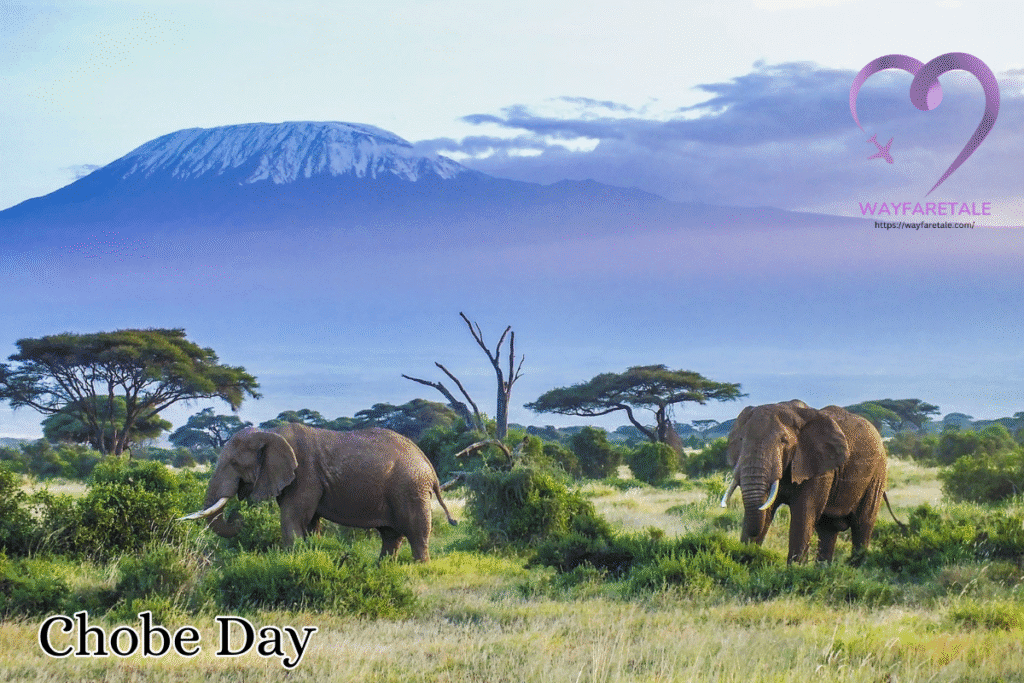
One of the incredible advantages of staying in Victoria Falls is the proximity to Botswana’s Chobe National Park – home to Africa’s largest elephant population. The border is only 70 kilometers away, making it perfect for a day trip that will rank among your most memorable African wildlife experiences.
The drive to Kazungula border post takes about 1 hour and 15 minutes on good tarred roads. Border procedures are straightforward but can take time, so I recommend starting early (around 6 AM departure). You’ll need your passport and may require a visa for Botswana depending on your nationality – US, UK, and EU citizens get free entry stamps.
Chobe River boat safari The Chobe River boat safari is absolutely legendary among African wildlife experiences, and for good reason. During the dry season (May-October), thousands of elephants congregate along the riverbanks to drink, creating scenes that seem almost impossible to believe.
I witnessed herds of over 100 elephants stretching along the shoreline as far as the eye could see. Young calves playfully splashed while matriarchs kept watchful eyes, and bull elephants engaged in gentle pushing matches. The boat allows you to get remarkably close – often within 10-15 meters – while the elephants remain completely unbothered by your presence.
Beyond elephants, the Chobe River hosts incredible diversity: massive Nile crocodiles basking on sandbanks, hundreds of bird species including fish eagles and kingfishers, hippos grunting in pods, and various antelope species coming to drink.
USEFUL TIP: Book your Chobe day trip through a reputable operator like Chobe Game Lodge or Wild Horizons who handle border transfers, park fees, and provide expert guides. The full day trip typically includes both boat safari and game drive with lunch, costing $180-220 per person. Bring sunscreen, hat, and plenty of camera memory – you’ll take hundreds of photos.
Chobe National Park game drive The afternoon game drive in Chobe National Park provides a completely different perspective from the morning boat safari. The park’s diverse ecosystems – from riverine forests to open savannas – support an incredible variety of wildlife beyond the famous elephants.
During my drive, we encountered lions lounging under acacia trees, leopards stalking through tall grass, and massive herds of buffalo creating dust clouds visible from kilometers away. The bird life is exceptional, with over 450 species recorded in the park.
The contrast between morning and afternoon lighting creates completely different photographic opportunities. Morning light is soft and golden, perfect for elephant portraits, while late afternoon provides dramatic backlighting and silhouettes.
BORDER TIP: Keep all your border crossing paperwork organized and accessible. The return crossing can be busy in the evening, so allow extra time. Some operators provide express border assistance for smoother transitions.
Day 4: Victoria Falls to Hwange National Park – Into the Wild
- Distance covered: 200 KM
- Total drive time: 3 HRS
- Overnight in: Hwange National Park for 2 consecutive nights
THE DRIVE TO HWANGE
Leaving Victoria Falls behind, the drive to Hwange National Park takes you through increasingly wild landscape. The tarred road is in excellent condition for the first 100 kilometers, then transitions to well-maintained gravel roads as you approach the park.
The scenery gradually changes from the Zambezi River valley’s lush vegetation to the classic African savanna – vast grasslands punctuated by distinctive baobab trees and mopane woodlands. Keep your eyes open during the drive; wildlife frequently crosses the road, and I spotted several giraffe, kudu, and even elephant along the route.
HWANGE NATIONAL PARK – ZIMBABWE’S WILDLIFE JEWEL
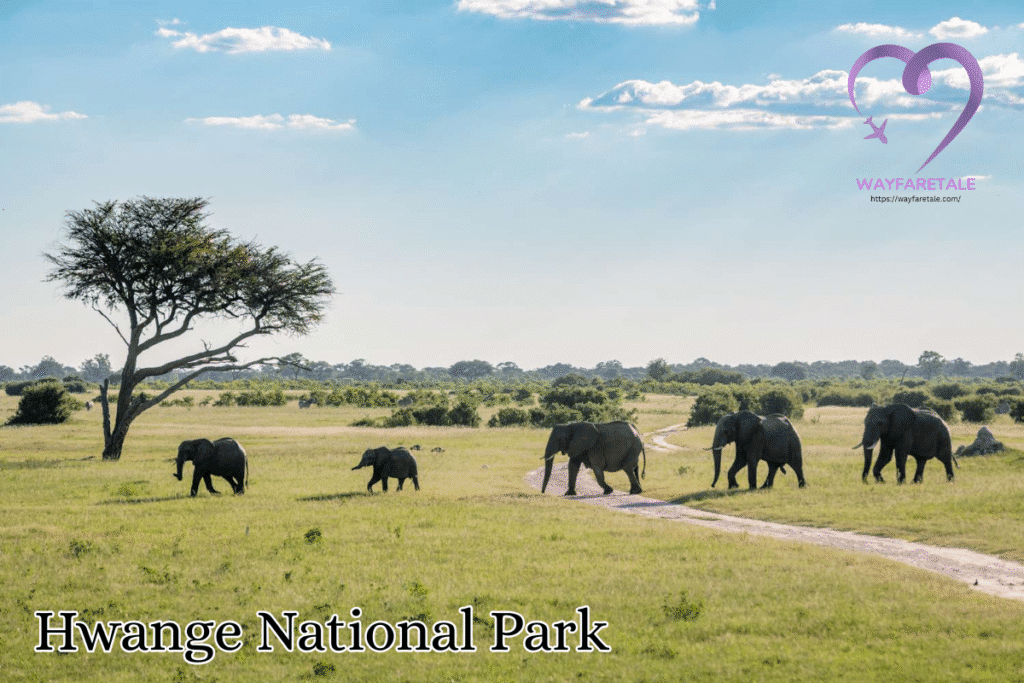
Hwange National Park is Zimbabwe’s largest national park and arguably its crown jewel for wildlife viewing. Covering over 14,600 square kilometers, it’s roughly the size of Belgium and hosts one of Africa’s largest elephant populations – estimated at over 40,000 individuals.
What makes Hwange special is its incredible diversity. The park encompasses multiple ecosystems, from Kalahari sands in the south to granite hills in the north, creating habitats that support over 100 mammal species and 400 bird species.
Arrive and settle into safari camp I based myself at Hwange Safari Lodge, positioned on elevated ground overlooking a natural waterhole. The location is absolutely perfect – from the lodge’s viewing deck, you can watch wildlife throughout the day without even leaving the comfort of your accommodation.
The lodge’s waterhole becomes incredibly active during the dry season as animals travel from miles around to drink. Elephant families arrive in the early morning and late afternoon, often staying for hours. Lions, leopards, wild dogs, and countless antelope species also frequent the water source.
ACCOMMODATION TIP: Many Hwange lodges are positioned near waterholes specifically for wildlife viewing. Book accommodation that includes game drives and meals, as options within the park are limited. Hwange Safari Lodge, Elephant’s Eye, and The Hide are all excellent choices offering different price points and experiences.
Afternoon game drive introduction Your first game drive in Hwange sets expectations for the incredible experiences ahead. Even this introductory drive typically yields impressive sightings – herds of elephant, buffalo, and various antelope species are almost guaranteed, while predator sightings depend on luck and season.
The park’s road network is extensive, allowing access to different ecosystems within a single drive. Your guide will tailor the route based on recent wildlife movements and seasonal patterns – during dry months, drives focus on remaining water sources where animals concentrate.
WILDLIFE TIP: Hwange’s elephants are particularly impressive due to abundant food sources that allow them to grow larger than elephants in many other parks. The park also hosts the endangered African wild dog, with one of Africa’s most successful breeding populations.
Day 5: Full Day Hwange National Park – Big Five Safari Adventure
- Distance covered: 80 KM (within park on game drives)
- Total drive time: 6 HRS (multiple game drives)
- Overnight in: Hwange National Park
EARLY MORNING GAME DRIVE – THE GOLDEN HOUR
Starting at 5:30 AM, the early morning game drive in Hwange reveals the park at its most active. As the African sun rises over the savanna, the entire ecosystem comes alive with sounds and movement that you simply cannot experience at any other time of day.
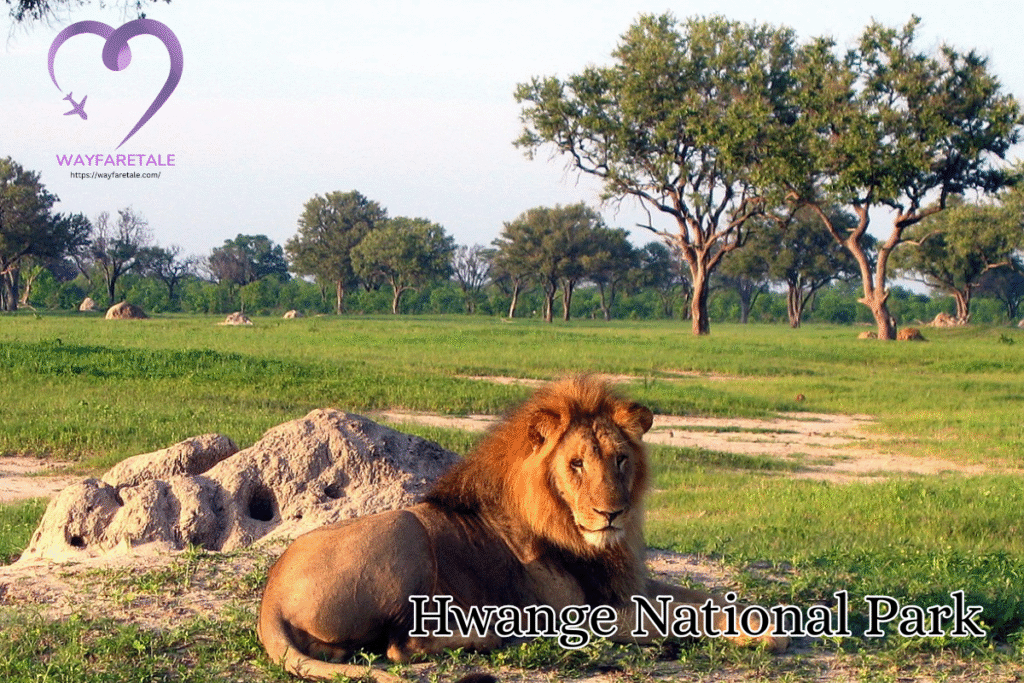
The predators are still active from their nighttime hunting – we encountered a pride of lions finishing a kudu kill, their golden coats glowing in the soft morning light. Leopards retreat to trees as the day warms up, providing excellent photographic opportunities as they drape themselves across acacia branches.
Encounter with elephant mega-herds Nothing quite prepares you for encountering Hwange’s famous elephant mega-herds. During the dry season, families unite into massive groups that can exceed 300 individuals. Watching these gentle giants interact – calves playing between their mothers’ legs, matriarchs leading processions to water, young bulls testing their strength – provides insights into complex social structures that rival any human community.
The elephants show remarkable intelligence and awareness. Our guide explained how matriarchs remember drought patterns from decades past and lead their families to reliable water sources. Some of these massive females are over 60 years old and have been guiding their families through this landscape for generations.
PHOTOGRAPHY TIP: Early morning light is magical for elephant photography. The golden hour (first hour after sunrise) provides warm, soft lighting that brings out the texture of their skin and creates beautiful silhouettes. Always maintain the recommended 25-meter distance and never position yourself between elephants and their water source.
THE BIG FIVE QUEST
Hwange National Park provides genuine opportunities to see all of Africa’s Big Five, though some require more patience and luck than others.
Elephants are virtually guaranteed – you’ll see hundreds throughout your stay. Buffalo gather in massive herds near water sources, often creating dramatic dust clouds visible from kilometers away. Lions are regularly spotted, particularly around the park’s artificial waterholes where prey congregates.
Leopards require patience and expert guiding – they’re present but secretive. Our guide knew specific territories and managed to locate a magnificent male during our afternoon drive. Rhinos are the most challenging, as both black and white rhinos exist in small numbers. We didn’t spot any during this visit, but recent conservation efforts have been successful in rebuilding populations.
African wild dog encounters One of Hwange’s most thrilling experiences is encountering the endangered African wild dog. These incredible predators hunt in coordinated packs and have one of the highest success rates of any African predator. During our morning drive, we witnessed a pack of twelve dogs successfully hunting impala – a rare privilege that demonstrates why Hwange is considered one of Africa’s premier wildlife destinations.
Wild dogs are critically endangered with only about 7,000 individuals remaining across Africa. Hwange’s population represents one of the species’ most important strongholds, making any sighting incredibly significant from a conservation perspective.
MID-DAY AT THE WATERHOLE
Returning to the lodge during the hottest part of the day doesn’t mean wildlife viewing stops. The lodge’s waterhole becomes incredibly active as temperatures soar and animals seek relief.
From the comfort of the shaded viewing deck, I watched a constant parade of wildlife. Warthogs wallowed in muddy spots, various antelope species took turns drinking in established hierarchies, and baboon troops created chaos with their playful antics.
The most memorable moment came when a massive bull elephant arrived and claimed the entire waterhole for himself. Other animals respectfully retreated and waited their turn – a demonstration of the natural respect all species show toward Africa’s largest land mammal.
Day 6: Hwange to Matobo National Park – Ancient Landscapes
- Distance covered: 300 KM
- Total drive time: 4 HRS 30 MIN
- Overnight in: Matobo National Park for 2 consecutive nights
THE JOURNEY TO MATOBO
The drive from Hwange to Matobo National Park represents one of Zimbabwe’s most dramatic landscape transitions. You leave behind the flat savanna and mopane woodlands of Hwange and gradually enter a mystical world of ancient granite formations that have inspired humans for thousands of years.
The route takes you through small rural communities where traditional life continues much as it has for generations. Children wave from roadside schools, cattle graze under the watchful eyes of young herders, and women carry water containers balanced perfectly on their heads. These glimpses of authentic Zimbabwean culture provide context that many safari-only visitors miss.
MATOBO NATIONAL PARK – SPIRITUAL LANDSCAPE
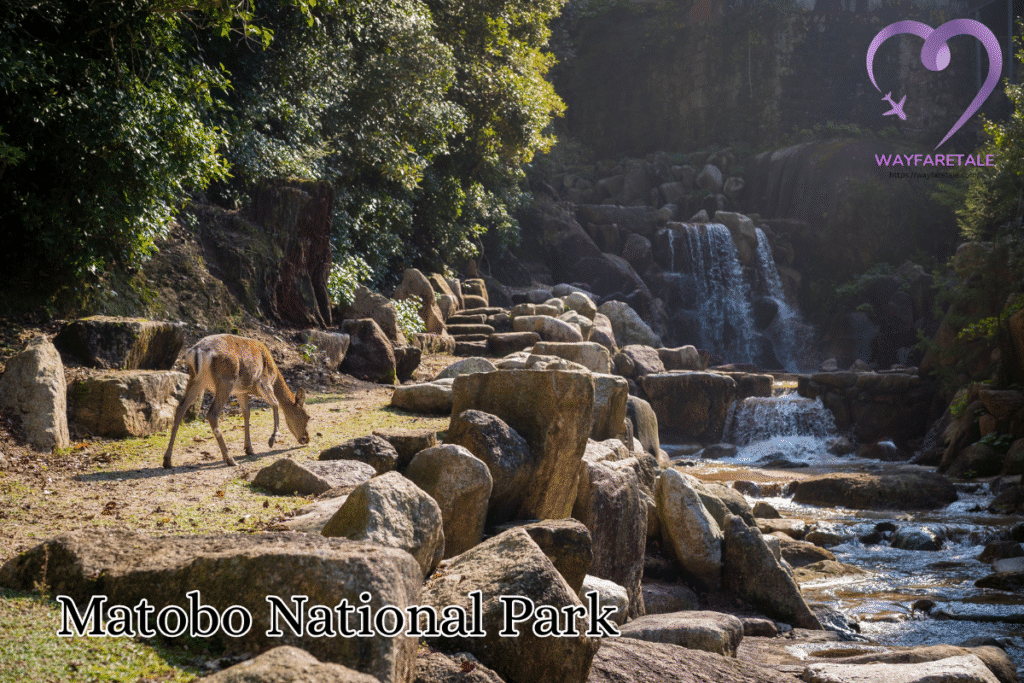
Matobo National Park is unlike anywhere else on Earth. Massive granite domes and balancing rock formations create a landscape so unique and spiritual that it has been sacred to local people for over 2,000 years. The park encompasses both incredible natural beauty and profound historical significance.
The granite formations, called “kopjes” locally, were formed over 2 billion years ago and sculpted by millions of years of erosion into today’s dramatic landscape. These rocks create microclimates that support unique vegetation and provide shelter for specialized wildlife, including one of Zimbabwe’s most important black rhino populations.
Cecil Rhodes, the controversial British colonial figure, chose to be buried atop Matobo’s World’s View because he considered it the most beautiful place he had ever seen. Whether you agree with his politics or not, the location’s beauty is undeniable.
Arrive at camp among the granite domes
I stayed at Camp Amalinda, a luxury lodge built directly into the granite kopjes. The main lodge and individual suites are constructed around massive boulders, creating the sensation of living within the landscape rather than simply visiting it. From my suite’s deck, I could see ancient San rock art on nearby formations while listening to the haunting calls of fish eagles echoing through the granite corridors.
The lodge’s design philosophy respects both the natural environment and cultural significance of the location. Local materials and traditional building techniques were used wherever possible, and the Ndebele staff share stories about their ancestors’ connections to this sacred landscape.
Afternoon exploration of the granite wonderland
The afternoon in Matobo provides your first opportunity to explore this geological wonderland on foot. Unlike traditional game drives, much of Matobo’s magic is discovered through guided walks that allow intimate exploration of the rock formations, caves, and cultural sites.
The granite kopjes create an almost alien landscape – perfectly balanced rocks that seem to defy gravity, natural amphitheaters with acoustics that allow whispered conversations across vast distances, and hidden valleys that harbor unique ecosystems found nowhere else.
CULTURAL TIP: The Matobo Hills are deeply sacred to local Shona and Ndebele peoples. Many sites are considered holy, and visitors should always be accompanied by knowledgeable guides who understand both the cultural protocols and the landscape’s spiritual significance.
Day 7: Matobo National Park and Bulawayo – Cultural Heritage
- Distance covered: 90 KM
- Total drive time: 2 HRS
- Final night: Bulawayo
ANCIENT ROCK ART – WINDOWS INTO PREHISTORY
The morning in Matobo is dedicated to one of southern Africa’s most significant cultural treasures: San rock art. The park contains over 3,000 registered rock art sites, with paintings dating back over 13,000 years. These aren’t just historical curiosities – they’re windows into the spiritual and daily lives of the region’s earliest inhabitants.
Nswatugi Cave and Pomongwe Cave rock art sites
The two most accessible and impressive rock art sites are Nswatugi and Pomongwe caves. Both require moderate walks through granite formations, but the experience of viewing these ancient masterpieces in their original context is absolutely extraordinary.
At Nswatugi Cave, the paintings depict hunting scenes, spiritual ceremonies, and daily life with remarkable artistic skill. The pigments – made from iron oxides, clay, and other natural materials – have survived thousands of years protected within the granite overhangs. Some paintings show clear evidence of being created in multiple periods, with later artists adding to earlier works.
Pomongwe Cave features more abstract spiritual imagery, including trance scenes that provide insights into San religious practices. The detail and artistry demonstrate sophisticated cultural traditions that thrived in this landscape for millennia before European contact.
GUIDED TIP: Always visit rock art sites with knowledgeable guides who can interpret the cultural and spiritual significance of the paintings. The stories behind the images are as important as the art itself, and guides from local communities often share oral traditions that provide context not found in academic sources.
Black rhino tracking on foot
One of Matobo’s most thrilling activities is tracking black rhinos on foot with armed rangers. This endangered species has made a remarkable recovery in Matobo thanks to intensive conservation efforts, and the park now hosts one of Zimbabwe’s most important populations.
The tracking experience begins early in the morning when rangers use telemetry equipment to locate rhinos fitted with radio collars. The approach must be conducted downwind and with extreme care – black rhinos have poor eyesight but excellent hearing and smell, and they can be unpredictably aggressive when surprised.
Successfully approaching within 30-40 meters of these magnificent creatures provides an adrenaline rush unlike any other wildlife encounter. The size, power, and prehistoric appearance of black rhinos creates an almost overwhelming sense of privilege – you’re viewing one of Africa’s most endangered species in their natural habitat through the dedication of conservation heroes who risk their lives daily to protect them.
CONSERVATION NOTE: Rhino tracking fees directly support anti-poaching operations and local community conservation programs. The activity costs around $50-75 per person and must be booked in advance through Zimbabwe Parks and Wildlife Management Authority.
World’s View – Cecil Rhodes’ final resting place
Before leaving Matobo, a visit to World’s View provides spectacular panoramic views across the granite landscape. This is where Cecil Rhodes chose to be buried, calling it “my view of the world.” Regardless of opinions about Rhodes himself, the location offers unparalleled 360-degree views across the Matobo Hills.
From this elevated position, you can see for kilometers in every direction – endless granite domes stretching to the horizon, creating a landscape that seems more like an alien planet than Earth. The silence is profound, broken only by wind through the rocks and occasional calls of rock dassies (small mammals related to elephants) that live among the granite formations.
BULAWAYO – ZIMBABWE’S CULTURAL CAPITAL
The final stop of your Zimbabwe road trip is Bulawayo, the country’s second-largest city and cultural heart. This colonial-era city retains much of its historical architecture while serving as the gateway to understanding modern Zimbabwean culture.
Explore colonial architecture and local markets
Bulawayo’s city center features some of southern Africa’s best-preserved colonial architecture. The City Hall, built in 1897, demonstrates the grandiose ambitions of early settlers, while the Railway Museum showcases the engineering achievements that connected Zimbabwe to the wider world.
The local markets provide authentic cultural experiences far removed from tourist-focused craft markets. Here you can observe daily Zimbabwean life, sample local foods, and purchase everything from traditional medicines to modern household goods. The conversations with friendly vendors offer insights into contemporary Zimbabwean challenges and hopes.
What I would skip and recommend skipping when planning your Zimbabwe trip
Harare – While Zimbabwe’s capital has its merits, most visitors find it less rewarding than time spent in natural areas. The city doesn’t offer unique cultural experiences that justify time away from wildlife and landscapes.
Lake Kariba during dry season – Unless you’re specifically interested in fishing or houseboating, Lake Kariba can be disappointing when water levels are low. The wildlife viewing doesn’t match Hwange or Chobe.
Rushed park visits – Many visitors try to see too many parks in too little time. Better to spend 2-3 days in fewer locations than single days in multiple parks.
I hope this Zimbabwe itinerary proves valuable for your adventure. Zimbabwe offers experiences that will fundamentally change your perspective on Africa and create memories lasting far beyond your return home.
Zimbabwe Travel Resources
Planning your trip to Zimbabwe soon? Below are some useful links to travel booking resources that I personally use:
- Find the BEST FLIGHTS within your budget to Zimbabwe using Skyscanner or Google Flights – both offer excellent route options and price comparisons
- Rent your car at THE BEST RATE with Avis Zimbabwe or Hertz – both provide reliable 4WD vehicles essential for safari travel
- Find your PERFECT ACCOMMODATION in Zimbabwe on Booking.com or by contacting safari lodges directly for better rates
- Always get TRAVEL INSURANCE for peace of mind – check World Nomads or SafetyWing for comprehensive coverage including adventure activities
- Book the best-rated WILDLIFE TOURS and activities on Viator or GetYourGuide
- For SAFARI PLANNING, consult Expert Africa or Africa Travel Resource for specialized Zimbabwe knowledge