
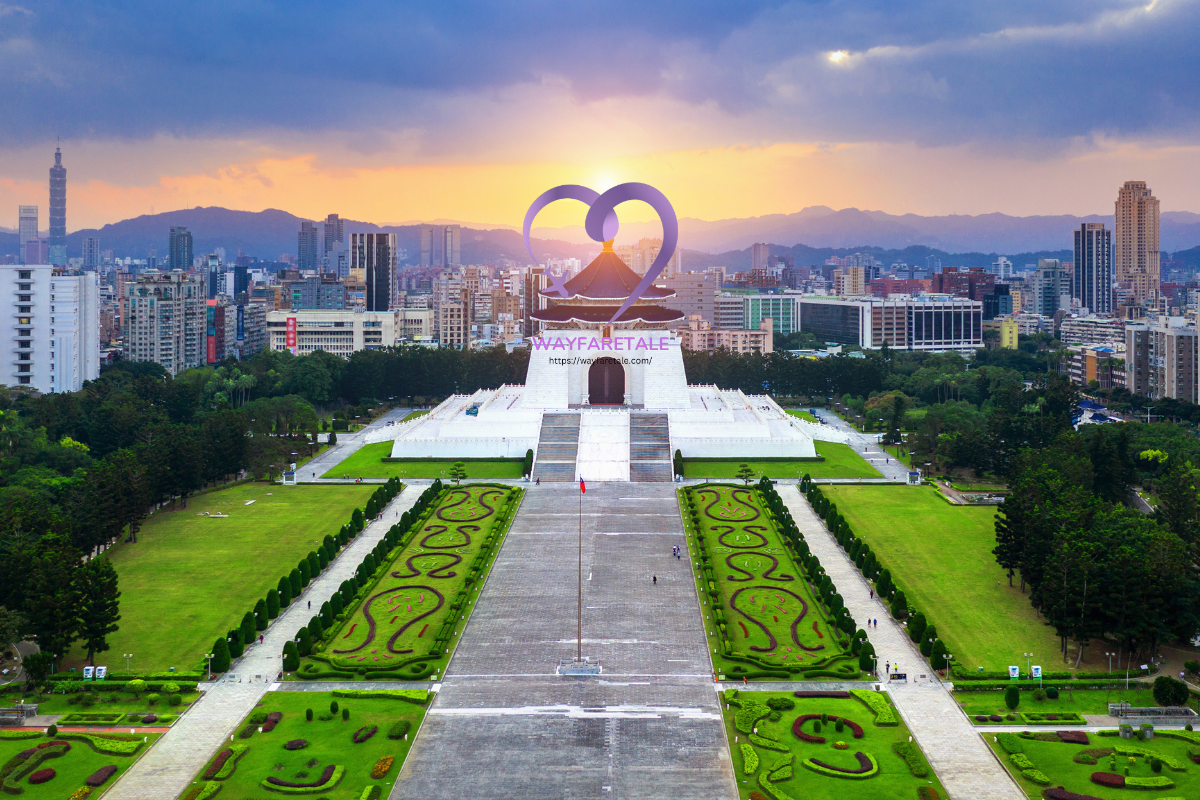
Taiwan Road Trip: The Ultimate One-Week Travel Itinerary
Taiwan (Formosa) is an absolute gem for an Asian road trip adventure. This comprehensive one-week Taiwan road trip itinerary covers the best places on this incredible island that you can explore in 7-10 days.
Taiwan is a compact island nation with an astonishing variety of landscapes to discover! Scenic highways wind through bustling night markets, dramatic coastal cliffs, emerald-green rice terraces, misty mountain passes, and ancient temples. Therefore, embarking on a Taiwan road trip is hands down the best way to experience this dynamic island.
With your own vehicle, you’ll have the freedom to explore Taiwan’s highlights at your own pace. While Taipei and some major cities are well-connected by Taiwan’s excellent rail system, many of the most spectacular spots—hidden hot springs, remote aboriginal villages, and pristine beaches—are only accessible by car.
Based on my unforgettable journey through Taiwan, I’ve compiled this detailed 7-day Taiwan road trip itinerary covering the vibrant capital, the stunning East Coast, the majestic Central Mountains, and the tropical south. It includes distances traveled, provides an interactive map approach, and recommends the best places to stay throughout your journey.
Essential Taiwan Road Trip Planning Tips
Car Rental Tip 1: I highly recommend booking through Klook or KKDay—both are popular platforms in Asia offering competitive rates from reputable local providers. International companies like Budget and Avis also have offices at Taiwan Taoyuan International Airport and major cities.
Car Rental Tip 2: For the best deals, compare rates on RentalCars.com or Discovercars. Booking in advance can save you up to 40% compared to walk-in rates. Most rental companies require an International Driving Permit (IDP) along with your home country’s license.
- Stay: I booked most of my accommodation through Booking.com and Agoda (Agoda often has better deals in Asia).
- Travel Insurance: Purchase reliable coverage through World Nomads or SafetyWing for peace of mind.
- Check tours: Find the best guided experiences on Klook and KKDay—these platforms are specifically popular in Taiwan and offer excellent rates.
Summary of My Taiwan Road Trip Route
- Day 1: Taipei – Jiufen – Jinguashi
- Day 2: Northeast Coast – Yehliu Geopark – Keelung
- Day 3: Taroko Gorge National Park (Hualien)
- Day 4: East Coast Scenic Drive – Taitung
- Day 5: Kenting National Park
- Day 6: Tainan – Kaohsiung
- Day 7: Sun Moon Lake – Return to Taipei
If I had 5 Days in Taiwan, my itinerary would include: Taipei – Jiufen – Taroko Gorge – East Coast to Taitung – Sun Moon Lake – Taipei.
If I had 10 Days in Taiwan, my itinerary would include: Taipei (2 days) – Jiufen – Northeast Coast – Taroko Gorge (2 days) – East Coast Drive – Taitung – Kenting (2 days) – Tainan – Kaohsiung – Sun Moon Lake – Alishan – Taipei.
Renting a Car in Taiwan

Major international car rental companies operate from Taiwan Taoyuan International Airport (TPE), Taipei Songshan Airport (TSA), and downtown locations. I’d suggest checking Klook or KKDay first, as they often offer better rates than booking directly with rental companies.
Important Requirements:
- Valid passport
- Home country driver’s license
- International Driving Permit (IDP) – absolutely essential!
- Credit card for deposit
Taiwan drives on the right side of the road (same as the USA and most of Europe), which makes it easier for many international visitors.
Driving in Taiwan
Driving is an excellent way to explore beautiful Taiwan. Having your own wheels gives you access to remote hot springs, mountain villages, and coastal spots that tour buses never reach. Plus, you can stop for those incredible roadside food stalls whenever hunger strikes!
Taiwan’s road infrastructure is generally excellent. The highway system is modern and well-maintained, with clear signage in both Chinese and English. However, be prepared for:
- Dense traffic in cities – Taipei and Kaohsiung can be chaotic during rush hours
- Scooter culture – Taiwanese LOVE their scooters, and they’re everywhere
- Mountain roads – Narrow, winding, with steep drops (especially in Taroko and along the East Coast)
- Tunnels – Taiwan has MANY tunnels through mountains; keep your headlights on
Driving Tips:
- GPS is essential – download offline maps on Google Maps
- Highway tolls are collected electronically via eTag (ask your rental company)
- Parking in cities can be challenging – look for paid parking lots
- Gas stations are plentiful except in remote mountain areas
- Speed cameras are common – stick to speed limits!
The beauty of driving in Taiwan is that distances are manageable. You can drive from Taipei to the southern tip in about 5-6 hours on highways, though I recommend taking scenic routes whenever possible.
Where to Stay During Your Taiwan Road Trip
Throughout my Taiwan adventure, I mixed different accommodation types—from boutique hotels in cities to family-run guesthouses in small towns and even a homestay with an aboriginal family. Taiwan’s hospitality is legendary, and you’ll find genuine warmth everywhere.
Accommodation Tips:
- Book through Booking.com or Agoda (Agoda often has exclusive deals in Asia)
- Many smaller guesthouses and homestays can be found on local platforms
- Always check parking availability when booking
- Night market areas can be noisy – request rooms away from the street
- Mountain areas get cold at night – check heating availability in winter
Cancellation Policy: I always book places with flexible cancellation when possible, especially during typhoon season (July-September). Weather can change plans quickly in Taiwan.
Accommodation Summary
Here’s where I stayed during my week in Taiwan:
- Taipei – Ximending area – 2 nights (beginning and end of trip)
- Jiufen – Traditional teahouse guesthouse – 1 night
- Hualien (Taroko Gateway) – Hotel near city center – 1 night
- Taitung – Beachfront guesthouse – 1 night
- Kenting – Resort near Kenting National Park – 1 night
- Tainan – Historic district boutique hotel – 1 night
I’ll provide detailed recommendations for each location in the day-by-day breakdown below.
What to Expect in Taiwan?
Taiwan will surprise you in the best possible ways. You’ll be welcomed by possibly the friendliest people in Asia, treated to night markets bursting with incredible street food (best in the world, in my opinion), and amazed by the seamless blend of ultra-modern cities and ancient traditions.
Expect stunning natural diversity: marble-carved gorges in Taroko, golden beaches in Kenting, misty tea plantations in the mountains, and dramatic Pacific coastlines. You’ll discover ornate temples where locals still burn incense daily, aboriginal cultures thriving in mountain villages, and Japanese colonial architecture that tells stories of Taiwan’s complex history.
The food alone is worth the trip—from xiaolongbao (soup dumplings) in Taipei to beef noodles, bubble tea (invented here!), night market snacks, and fresh seafood. Taiwan is a foodie paradise where eating is a cultural experience, not just sustenance.
How Many Days Do You Need in Taiwan?
Based on my experience, one week is perfect for hitting Taiwan’s major highlights while still having time to soak in the culture. With 10-14 days, you can explore more remote areas, spend longer hiking in the mountains, and really dive deep into the food scene.
This itinerary focuses on the essential must-sees for first-time visitors. I’ll also mention places I skipped and would recommend skipping if you’re short on time.
Note: This itinerary assumes you’re flying into Taipei (Taoyuan International Airport). If you’re arriving via Kaohsiung in the south, you can easily reverse this route.
When to Visit Taiwan?
The best time for a Taiwan road trip is October through December and March through May. During these months, you’ll enjoy pleasant temperatures, lower humidity, and minimal rain.
Avoid July through September if possible—this is typhoon season, and severe weather can disrupt travel plans. However, summer is peak season for beach activities in Kenting if you’re willing to brave the heat and humidity.
Winter (December-February) can be surprisingly cold in northern Taiwan and the mountains, but it’s perfect for hot springs! The south stays warm year-round.
Budget for Your Taiwan Road Trip
Taiwan offers excellent value compared to Japan or South Korea, though it’s not as cheap as Southeast Asia. Here’s a rough breakdown:
- Accommodation: NT$1,200-2,500/night (€35-70) for comfortable guesthouses or mid-range hotels
- Food: NT$500-1,000/day (€15-30) depending on whether you eat at night markets or restaurants
- Car Rental: NT$1,500-2,500/day (€45-75) depending on vehicle type and season
- Fuel: NT$30-32/liter (around €0.90/liter)
- Highway Tolls: Minimal, usually NT$40-100 per journey
- Attractions: Most natural sites are free or charge minimal entrance fees (NT$50-200)
Pro tip: Eating at night markets and local restaurants will save you tons of money while giving you the most authentic experience!
Taiwan 7-Day Road Trip Itinerary
Day 1: Taipei → Jiufen & Jinguashi
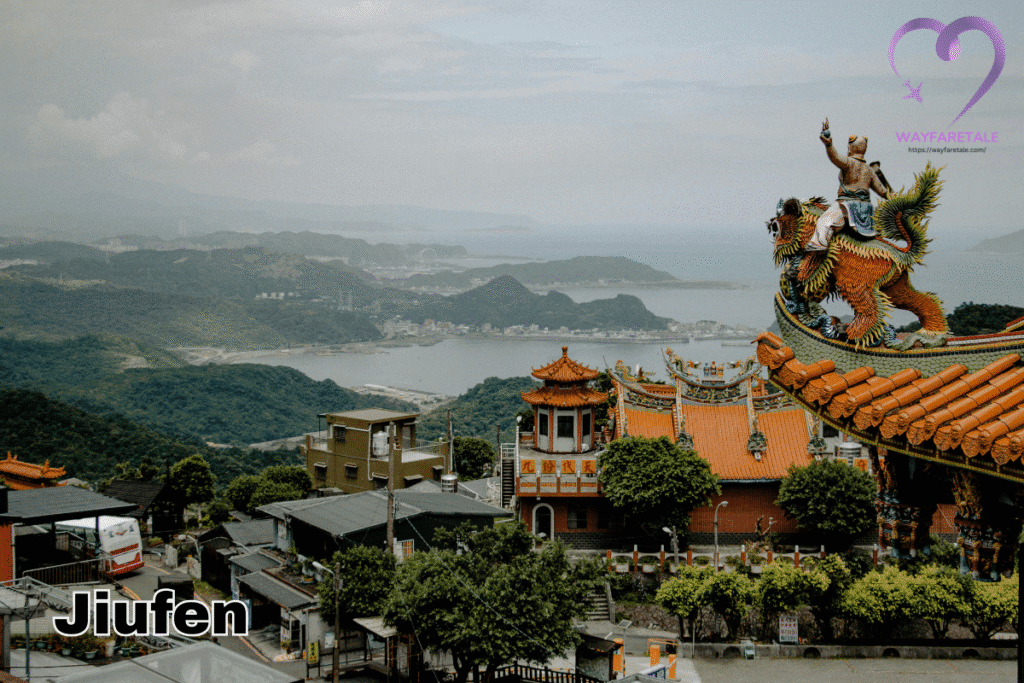
Distance covered: 50 KM
Total drive time: 1 HR (without traffic, but expect longer from Taipei)
Overnight in: Jiufen (1 night)
After picking up your rental car (I collected mine from Taipei Songshan Airport), I suggest spending your first day exploring one of Taiwan’s most magical destinations—the hillside mining town of Jiufen.
Why Skip Taipei on Day 1?
I know it sounds counterintuitive to leave the capital immediately, but hear me out. Landing in Taiwan, you’re probably jet-lagged and overwhelmed. Jiufen offers the perfect soft introduction to Taiwan—stunning views, amazing food, and a fairy-tale atmosphere that will immediately make you fall in love with this island. Save Taipei’s urban chaos for the end when you’ve got your Taiwan legs!
Driving Tip: Leaving Taipei can be intense if you’re not used to Asian traffic. Take your time, use GPS, and remember that Taiwanese drivers are generally courteous despite the scooter madness. The drive to Jiufen follows the Northeast Coast, with occasional glimpses of the Pacific Ocean.
JIUFEN (九份)
Jiufen is the town that allegedly inspired the bathhouse setting in Studio Ghibli’s “Spirited Away” (though Miyazaki has never confirmed this). Whether true or not, wandering these narrow stepped alleys as red lanterns illuminate at dusk feels like stepping into that magical film.
This former gold mining town clings to a mountainside overlooking the Pacific Ocean. During the Japanese colonial period, it thrived as a mining hub. When the gold ran out, Jiufen nearly became a ghost town until it was “rediscovered” in the late 1980s after being featured in the film “A City of Sadness.”
Things to Do in Jiufen:
Wander Jiufen Old Street (Jishan Street)
The main attraction is simply getting lost in the maze of covered stairways, alley shops, and food stalls. The street is packed with vendors selling traditional snacks, handmade crafts, and tea. Come around 3-4 PM when shops open, then stay through sunset when the lanterns create pure magic.
Must-try foods:
- Taro balls (芋圓) – Ah Gan’s shop has the best, served hot or cold with sweet soup
- Fish balls and sweet potato balls
- Peanut ice cream roll (花生捲冰淇淋)
- Herbal rice cakes
CRITICAL TIP: Jiufen gets PACKED on weekends, especially Saturday afternoons and evenings. If possible, visit on a weekday. I arrived on a Tuesday around 3 PM and had the streets relatively to myself until around 5 PM when tour buses started arriving.
Visit a Traditional Teahouse
This is non-negotiable. Jiufen’s hillside teahouses offer some of the most spectacular views you’ll find anywhere. I spent two hours at Jiufen Teahouse (阿妹茶樓), the most photographed teahouse hanging on the cliff with ocean views. Yes, it’s touristy, but it’s touristy for good reason.
Order oolong tea (the server will teach you the traditional brewing ceremony) and just breathe in the atmosphere. The view at sunset, with the ocean stretching to the horizon and the town’s red lanterns beginning to glow, is worth the entire trip to Taiwan.
Explore the Seaside Mountain Trail
If you arrive early enough, take the 30-minute coastal trail offering panoramic views. The trailhead is near the parking area, and you’ll get stunning perspectives of Jiufen from above.
PARKING TIP: Parking in Jiufen is challenging. There are paid parking lots at the base of the town (NT$50-100). Don’t attempt to drive up into the old street—it’s pedestrian-only and the roads are incredibly narrow. Park below and walk up (about 10 minutes uphill).
JINGUASHI (金瓜石)
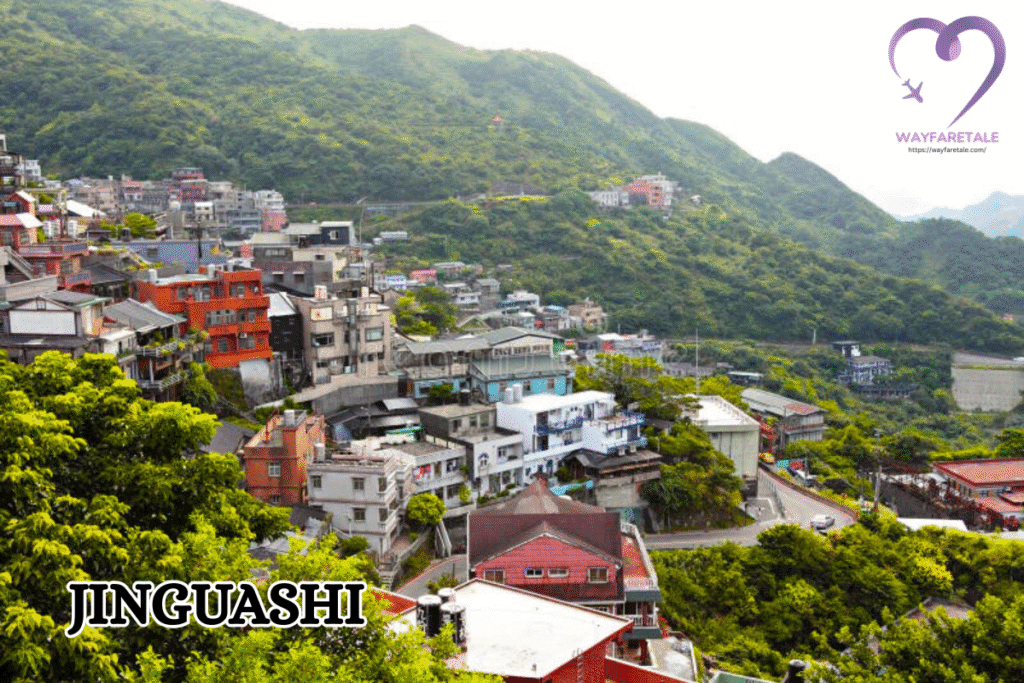
Just 10 minutes from Jiufen is the even-less-touristy former mining town of Jinguashi. If you’re a history buff or enjoy industrial heritage, the Gold Museum is fascinating and tells the story of Taiwan’s gold rush era and Japanese occupation.
The highlight for me was the Crown Prince Chalet, a beautifully preserved Japanese-era building with tatami rooms and gorgeous architecture. The NT$80 entrance fee includes the museum complex, mine tunnels you can walk through, and the chalet.
Where to Stay in Jiufen?
I stayed at a traditional guesthouse called Rueifang Impression Inn on the outskirts of Jiufen. The owner barely spoke English but was incredibly warm, showing me how to brew tea properly and giving me tips for avoiding crowds. The room had traditional wooden floors, paper screens, and a window overlooking terraced hillsides.
Book somewhere in or near Jiufen to experience the magical evening atmosphere after the day-trippers leave. The town transforms into a peaceful, lantern-lit dream around 8 PM.
Day 2: Northeast Coast → Yehliu Geopark → Keelung
Distance covered: 90 KM
Total drive time: 2 HRS
Overnight in: Keelung or return toward Taipei (Staying in Keelung recommended)
Day 2 takes you along Taiwan’s stunning Northeast Coast, where dramatic cliffs meet the Pacific Ocean. This coastal drive rivals anything I’ve seen in Europe or California.
NORTHEAST COAST SCENIC DRIVE
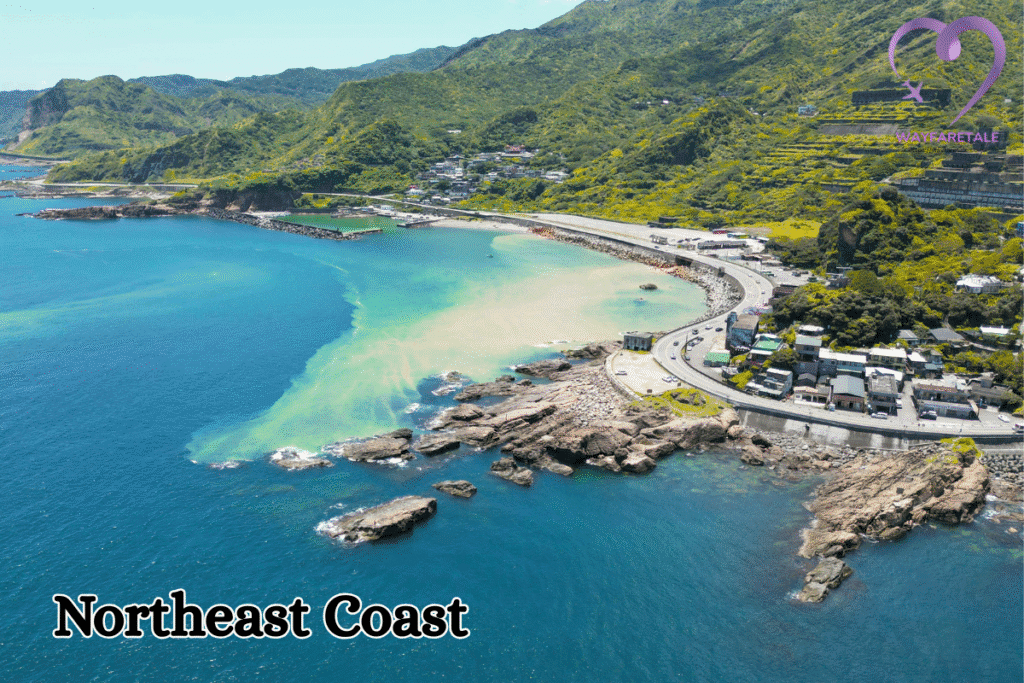
The Northeast Coast National Scenic Area offers one of the most beautiful coastal drives in Taiwan. Take Provincial Highway 2 (台2線) which hugs the coastline, offering endless photo opportunities.
Stop at these highlights:
Nanya Rock Formations (南雅奇岩)
These wind and wave-eroded rock formations look like natural sculptures. The golden-brown striations create patterns that photographers go crazy for. There’s a small parking area right off the highway—stop for 20-30 minutes to explore.
Bitou Cape (鼻頭角)
If you’re up for hiking, the Bitou Cape Trail offers spectacular clifftop views. The lighthouse trail takes about 1.5-2 hours and provides panoramic ocean vistas. I opted for just the viewpoint near the parking area due to time constraints, but I regretted not allowing more time for the hike.
Longdong Bay (龍洞灣)
Popular with rock climbers and snorkelers, this protected bay is gorgeous. Even if you don’t dive in, the azure waters against volcanic rock formations are stunning.
YEHLIU GEOPARK (野柳地質公園)
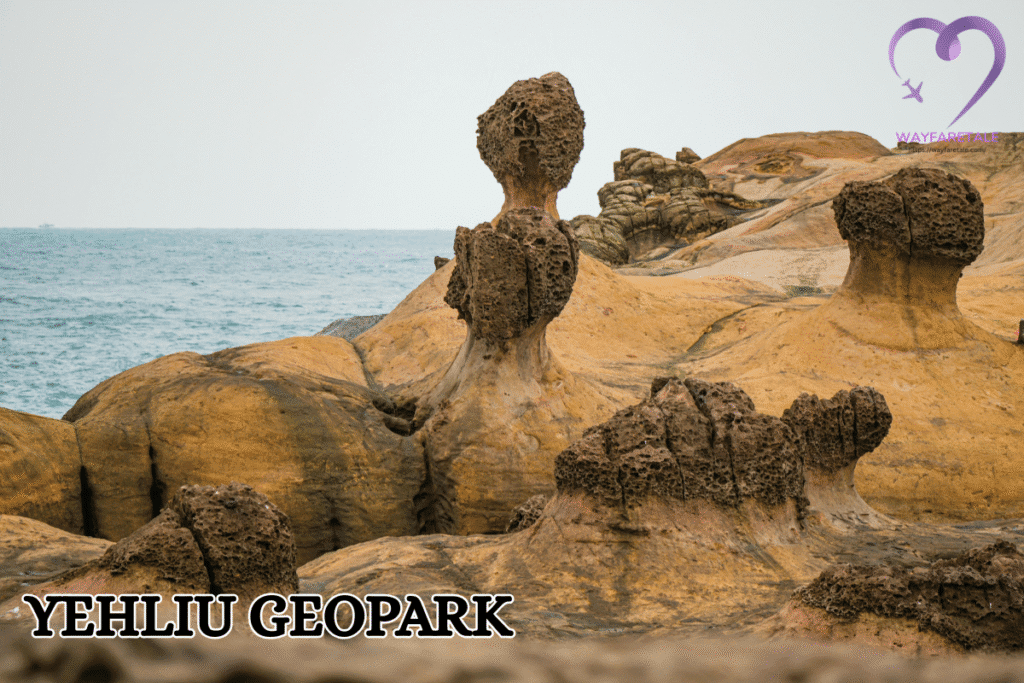
This is THE must-see attraction on the North Coast. Yehliu Geopark features some of the most bizarre and beautiful rock formations I’ve ever encountered. Millions of years of erosion have created mushroom-shaped rocks, honeycombed surfaces, and the famous “Queen’s Head”—a rock formation that looks exactly like the profile of Queen Nefertiti.
Entrance Fee: NT$80 (absolute bargain!)
TIMING TIP: Arrive early morning (8-9 AM) or late afternoon (after 3 PM) to avoid the massive tour groups. I arrived at 8:30 AM on a Wednesday and practically had the place to myself for the first hour. By 10 AM, it was swarming with tour buses.
The park is divided into three zones. Walk through all of them—each section has unique formations. Don’t just rush to photograph Queen’s Head and leave. Some of the most spectacular formations are in the third zone, which many tourists skip.
Photography Note: The rock formations photograph beautifully in soft morning or late afternoon light. Harsh midday sun creates too much contrast.
KEELUNG (基隆)
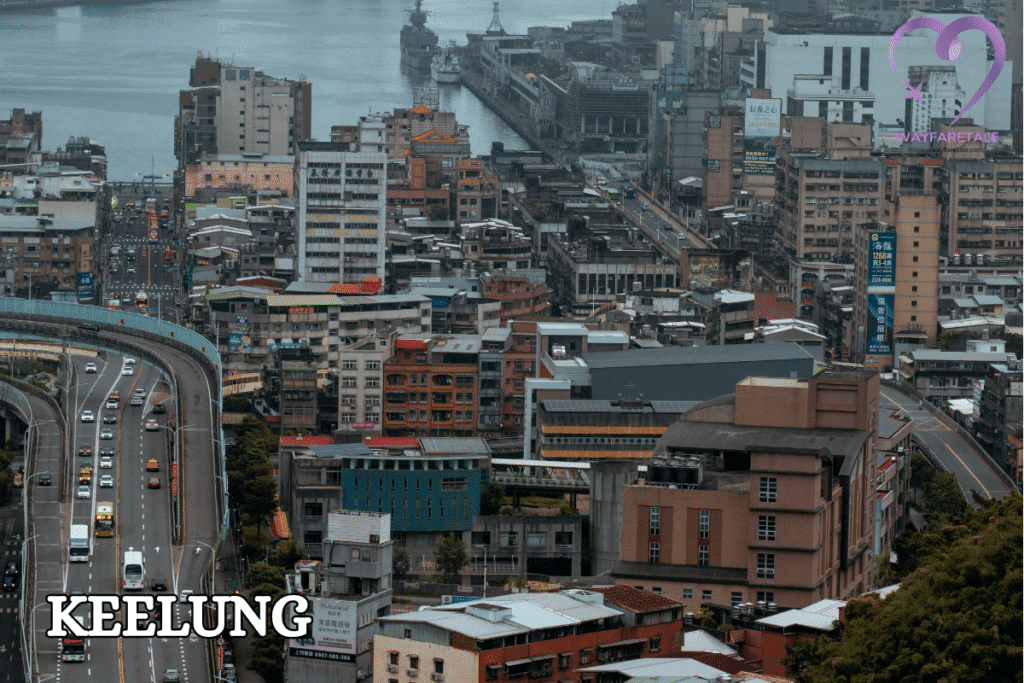
After Yehliu, continue to Keelung, Taiwan’s northern port city. Keelung isn’t traditionally “pretty,” but it has character and serves up some of the best street food in Taiwan.
Miaokou Night Market (廟口夜市)
This is why you came to Keelung. Miaokou Night Market is smaller and more authentic than Taipei’s touristy night markets. It’s also easier to navigate—basically one main street lined with legendary food stalls, many operating for 3-4 generations.
Must-try foods:
- Crab thick soup (螃蟹羹) – stall #6
- Tempura (天婦羅) – stall #4
- Nutritious sandwich (營養三明治) – sounds weird, looks weird, tastes AMAZING – stall #23
- Ding bian cuo (鼎邊趖) – Keelung specialty rice noodle soup – stall #54
I spent three hours eating my way through this market and consider it one of the best food experiences in Taiwan. Come hungry!
Where to Stay?
I stayed at a budget hotel near Keelung train station. Honestly, accommodation in Keelung is just a place to sleep after stuffing yourself at the night market. Any clean hotel near the station works fine.
Alternatively, you could drive back toward Taipei and stay somewhere between Keelung and the city, positioning yourself for the next day’s journey east.
Day 3: Taroko Gorge National Park (Hualien)
Distance covered: 180 KM from Keelung to Hualien
Total drive time: 2 HRS 30 MIN (via Suhua Highway)
Overnight in: Hualien (1 night)
Today is all about one of Taiwan’s crown jewels—Taroko Gorge National Park. But first, you’ll need to drive there, and the journey itself is unforgettable.
THE SUHUA HIGHWAY (蘇花公路)
The Suhua Highway (Provincial Highway 9) connecting Yilan to Hualien is one of the most scenic—and hair-raising—coastal roads I’ve ever driven. Carved into sheer cliff faces with the Pacific Ocean crashing hundreds of meters below, this 118 km stretch is both exhilarating and nerve-wracking.
DRIVING SAFETY TIPS – READ CAREFULLY:
- Check weather conditions before driving. The highway closes during heavy rain or typhoons
- Drive during daylight hours only
- Watch for falling rocks (seriously—this happens)
- Many tunnels are narrow and dimly lit
- Large trucks use this route—be patient and don’t rush overtaking
- There are designated photo stops—use them rather than stopping randomly
Photo Stops Not to Miss:
- Qingshui Cliffs (清水斷崖) – The most dramatic section where 800-meter cliffs plunge straight into the ocean. The viewpoint is clearly marked with parking. This is one of Taiwan’s most iconic views—absolutely stop here.
The drive took me about 3 hours with photo stops. It’s intense but incredibly rewarding. By the time I reached Hualien, my knuckles were sore from gripping the steering wheel, but I was grinning ear to ear.
TAROKO GORGE NATIONAL PARK (太魯閣國家公園)
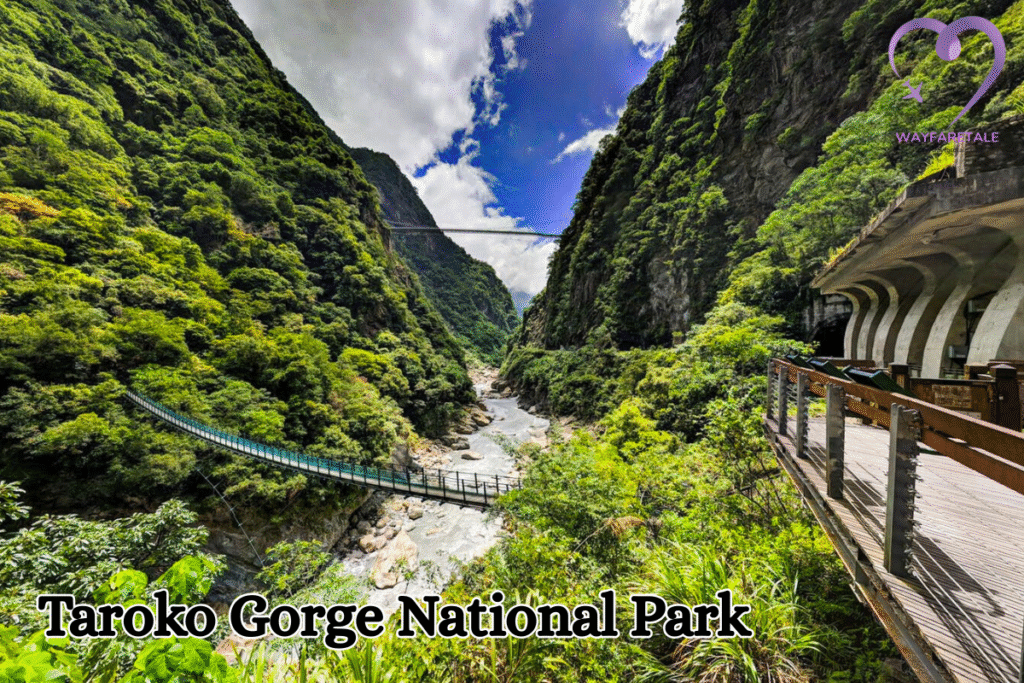
Taroko Gorge is Taiwan’s most famous natural attraction, and it absolutely deserves the hype. A marble-walled gorge carved by the Liwu River over millions of years, Taroko features towering cliffs, turquoise streams, temples clinging to cliff sides, and hiking trails that range from easy walks to serious mountain treks.
Entrance: FREE! One of Asia’s most spectacular natural sites costs absolutely nothing to enter.
Essential Information:
- The main road through the gorge is Provincial Highway 8
- You’ll need to register for permits for certain trails (more on this below)
- Bring a helmet—many trails require them due to falling rocks (provided free at trailheads)
- The gorge is 19 km long with numerous stops
PERMIT ALERT: As of recent years, the popular Zhuilu Old Trail requires a permit that must be applied for in advance (up to 60 days before). Check the Taroko National Park website. I didn’t get a permit in time and couldn’t do this trail—learn from my mistake!
Must-See Spots in Taroko:
Shakadang Trail (砂卡礑步道)
This easy 4.5 km riverside trail is absolutely stunning. The water is an unreal turquoise color, flowing over smooth river rocks. The trail is mostly flat, carved into the cliff side, and takes about 1.5-2 hours round trip. No helmet required for this one.
TIMING TIP: Start here early morning (7-8 AM) to avoid the tour bus crowds. I arrived at 7:30 AM and had the trail mostly to myself. The morning light on the gorge walls is magical.
Swallow Grotto (燕子口)
A dramatic section where the gorge narrows and marble walls tower above you. The trail is about 1.3 km with several tunnels carved through the rock. Helmet required (provided free). Watch for swallows nesting in holes in the cliff walls—hence the name.
The views here are jaw-dropping. The marble walls have been sculpted by water into smooth curves and potholes. It’s like walking through a natural cathedral.
Eternal Spring Shrine (長春祠)
This gorgeous shrine built into the cliff side commemorates the workers who died building the Central Cross-Island Highway. A waterfall cascades beside it, creating a scene straight from a Chinese painting. There’s a short trail behind the shrine offering elevated views.
Tunnel of Nine Turns (九曲洞)
Recently reopened after being closed for years due to rockfall damage, this is the most spectacular section of the gorge. The marble walls are so close you can touch both sides, and the river thunders below. The trail is 700 meters through tunnels and walkways. Helmet absolutely required.
I spent about 5-6 hours in Taroko, hitting the main highlights. You could easily spend 2-3 days here if you’re a serious hiker.
FOOD TIP: Pack snacks and water. There’s a visitor center with a restaurant, but options are limited inside the gorge. I bought lunch from a 7-Eleven in Hualien before heading up.
Where to Stay in Hualien?
I stayed at a hotel near Hualien train station, which put me close to the famous Dongdamen Night Market. After a day in the gorge, wandering this massive night market was the perfect way to end the day.
Hualien night market specializes in aboriginal cuisine—try the grilled mountain boar sausage, mochi, and wild vegetable dishes. It’s less touristy than Taipei’s markets and feels more authentic.
Day 4: East Coast Scenic Drive to Taitung
Distance covered: 180 KM
Total drive time: 3 HRS (but plan for much longer with stops)
Overnight in: Taitung (1 night)
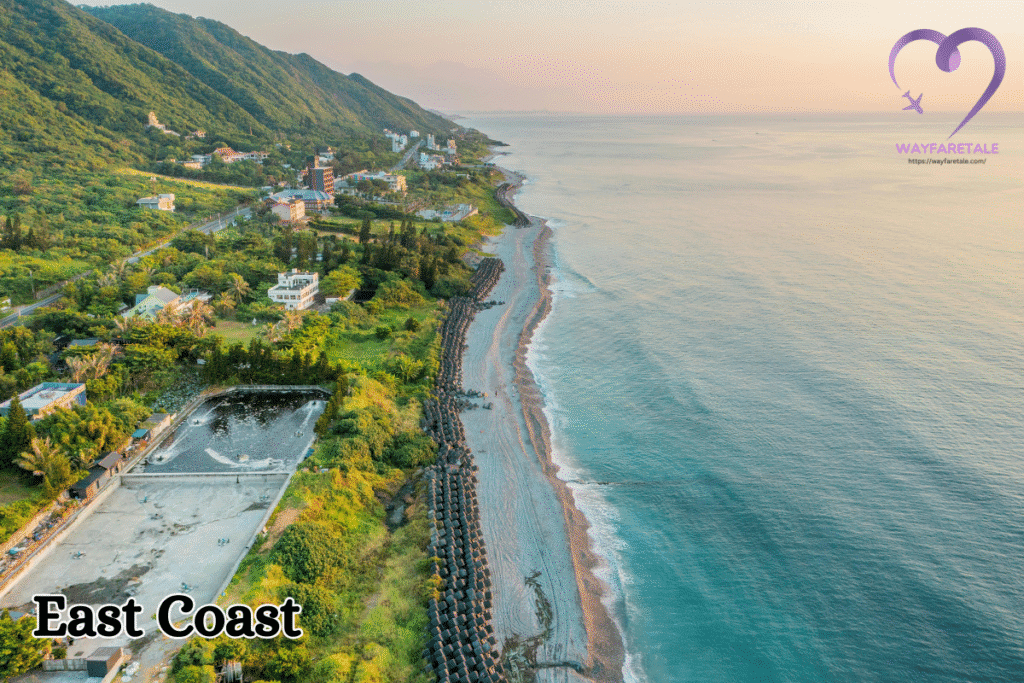
The East Coast drive from Hualien to Taitung along Provincial Highway 11 is, without exaggeration, one of the most beautiful coastal drives in the world. I’ve driven the Amalfi Coast, California’s Highway 1, and Scotland’s North Coast—this rivals them all.
The highway hugs the Pacific coastline with the Coastal Mountain Range on your left and the endless blue ocean on your right. Rice paddies cascade down hillsides, tiny fishing villages dot the route, and the East Rift Valley stretches into the distance.
TIMING: Leave early and take your time. This 180 km drive deserves at least 5-6 hours with stops. I left Hualien at 8 AM and didn’t reach Taitung until 4 PM.
Must-Stop Locations:
QIXINGTAN BEACH (七星潭)
Just north of Hualien city, this pebble beach offers stunning mountain-to-sea views. The water is impossibly blue, and on clear days, you can see the mountains rising directly from the ocean. I stopped here at 8:30 AM and had the beach nearly empty except for a few locals doing morning exercises.
Photography Tip: The pebbles are smooth and round—perfect for foreground interest in photos. The beach faces east, so sunrise here must be spectacular.
STONE UMBRELLA (石雨傘)
A unique rock formation jutting into the ocean that resembles an umbrella. There’s a small parking area and a short trail down to the rocks. At low tide, you can walk around the formation. The surrounding area has volcanic rock pools and interesting geology.
SANXIANTAI (三仙台)
The highlight of the East Coast! This offshore island is connected to the mainland by an iconic eight-arch bridge that has become one of Taiwan’s most photographed landmarks. The bridge undulates like a dragon, and crossing it feels like walking on water.
The island itself is a former geological site with rock formations, caves, and a lighthouse. The hiking trail around the island takes about 1.5 hours and offers spectacular coastal views. I walked halfway around before the heat drove me back.
Entrance Fee: NT$20 (basically free)
CRITICAL TIMING TIP: Come early morning or late afternoon. I arrived at 11 AM and the sun was brutal. No shade on the bridge or island. Also, tour buses descend around 10 AM-2 PM.
The indigenous Amis people consider this island sacred, believing three immortals rested here—hence the name “Three Immortals Platform.”
WATER RUNNING UPWARD (水往上流)
This optical illusion has become a quirky roadside attraction. A road appears to run uphill, but water flows “upward.” It’s actually a gravitational anomaly caused by the surrounding landscape. Worth a 5-minute stop for the novelty.
SMALL WILD WILLOWS (小野柳)
Similar rock formations to Yehliu Geopark but much smaller and less crowded. If you skipped Yehliu, definitely stop here. If you already saw Yehliu, this is optional.
DULAN VILLAGE (都蘭)
This laid-back aboriginal village has become a haven for artists and surfers. Stop at Dulan Sugar Factory, a repurposed industrial site now filled with art studios, cafes, and craft shops. I had the best coffee of my trip at a tiny cafe overlooking the ocean.
The village has a distinctly bohemian vibe—very different from mainstream Taiwan. If you’re into surfing, Dulan Beach has good waves.
Where to Stay in Taitung?
I stayed at a beachfront guesthouse south of Taitung city near Fugang Fishing Harbor. Waking up to sunrise over the Pacific was worth the slightly longer drive into town.
Taitung itself is a relaxed city with a pleasant waterfront park. Taitung Night Market operates Thursday-Sunday and is less touristy than Hualien’s.
Don’t Miss: Tiehua Music Village in Taitung—an outdoor cultural space with live music, art installations, and food vendors. It’s particularly lively on weekends.
Day 5: Taitung to Kenting National Park
Distance covered: 150 KM
Total drive time: 2 HRS 30 MIN
Overnight in: Kenting (1 night)
Today you’ll head south to Taiwan’s tropical tip—Kenting National Park. The landscape transforms as you drive: mountains give way to rolling hills, rice paddies turn to banana plantations, and the climate becomes noticeably warmer and more humid.
ROUTE OPTIONS:
You have two choices for reaching Kenting from Taitung:
Option 1: Provincial Highway 9 (Mountain Route) – Goes through the interior, passing through aboriginal villages and offering mountain scenery. Slightly faster.
Option 2: Provincial Highway 11 continuation (Coastal Route) – Follows the coast past beautiful beaches and fishing villages. More scenic but slower.
I took the coastal route because I couldn’t get enough of those ocean views.
STOPS ALONG THE WAY:
DUOLIANG STATION (多良車站)
This abandoned train station is called “Taiwan’s most beautiful train station” for good reason. Perched on a hillside, the platform overlooks the Pacific Ocean with nothing but blue stretching to the horizon. Although the station is closed, trains still pass by, and photographing them against the ocean backdrop has become an Instagram phenomenon.
Timing Tip: Check the train schedule online so you can catch a train passing through. It happens roughly every 30-60 minutes.
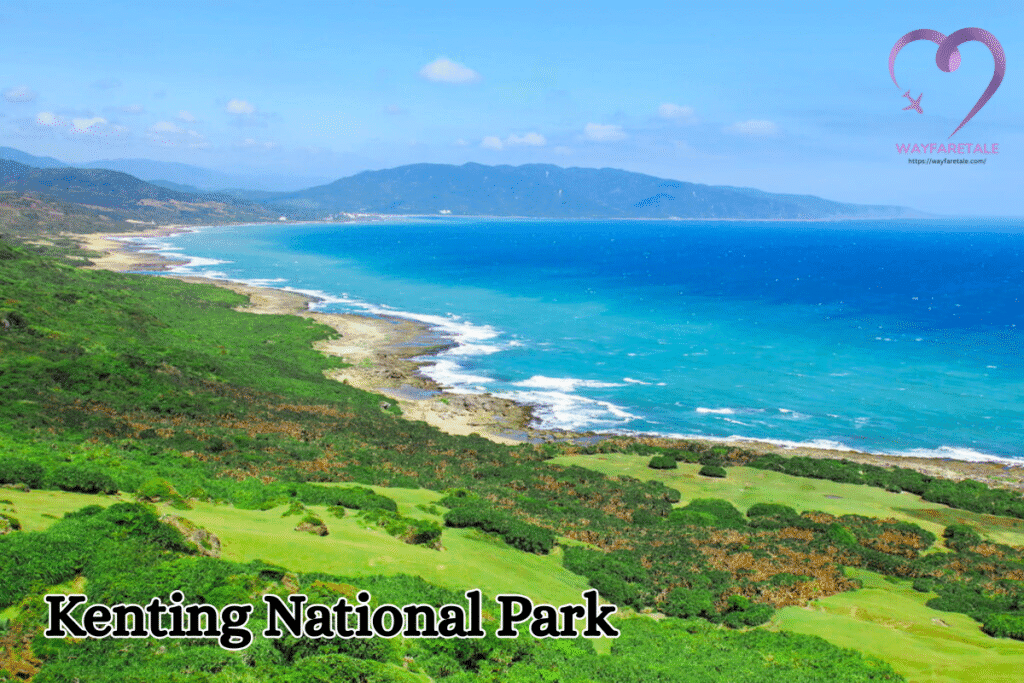
KENTING NATIONAL PARK (墾丁國家公園)
Taiwan’s oldest and southernmost national park, Kenting offers tropical beaches, coral reefs, lush forests, and dramatic coastal cliffs. The atmosphere here is completely different from northern Taiwan—it’s Taiwan’s beach resort destination, with a laid-back, slightly party-town vibe.
Things to Do in Kenting:
Kenting Main Street (墾丁大街)
The main beach strip comes alive at night with night market stalls, bars, and crowds. It’s touristy and a bit chaotic, but also fun in a beach-town way. I grabbed dinner here—grilled squid and Thai-style papaya salad—then retreated to quieter areas.
Eluanbi Lighthouse (鵝鑾鼻燈塔)
Taiwan’s southernmost point! This gorgeous white lighthouse sits in a park with walking trails, gazebos, and coastal cliffs. The park fee is NT$60. The lighthouse area is well-maintained and offers great sunset views.
I visited around 4 PM and stayed until sunset. The golden hour light on the white lighthouse was beautiful.
Longpan Park (龍磐公園)
This windswept grassland plateau offers dramatic cliff-top views of the Pacific. It’s completely free and relatively undeveloped—just wild grass, ocean, and sky. The landscape reminded me of Ireland’s coastal cliffs.
STARGAZING TIP: Longpan Park is one of the best stargazing spots in Taiwan due to minimal light pollution. If you’re staying in Kenting, drive up here after dark. The Milky Way is visible on clear nights!
Maobitou (貓鼻頭)
A rocky cape on the west side shaped vaguely like a cat’s nose (hence the name). The views of coral reef coastline and rock formations are beautiful. Easier access than Longpan Park—good for sunset.
Day 6: Tainan and Kaohsiung
Distance covered: 170 KM
Total drive time: 2 HRS 30 MIN
Overnight in: Tainan (1 night) or Kaohsiung
Today you’ll explore Taiwan’s cultural and historical heartland before reaching the vibrant southern metropolis of Kaohsiung.
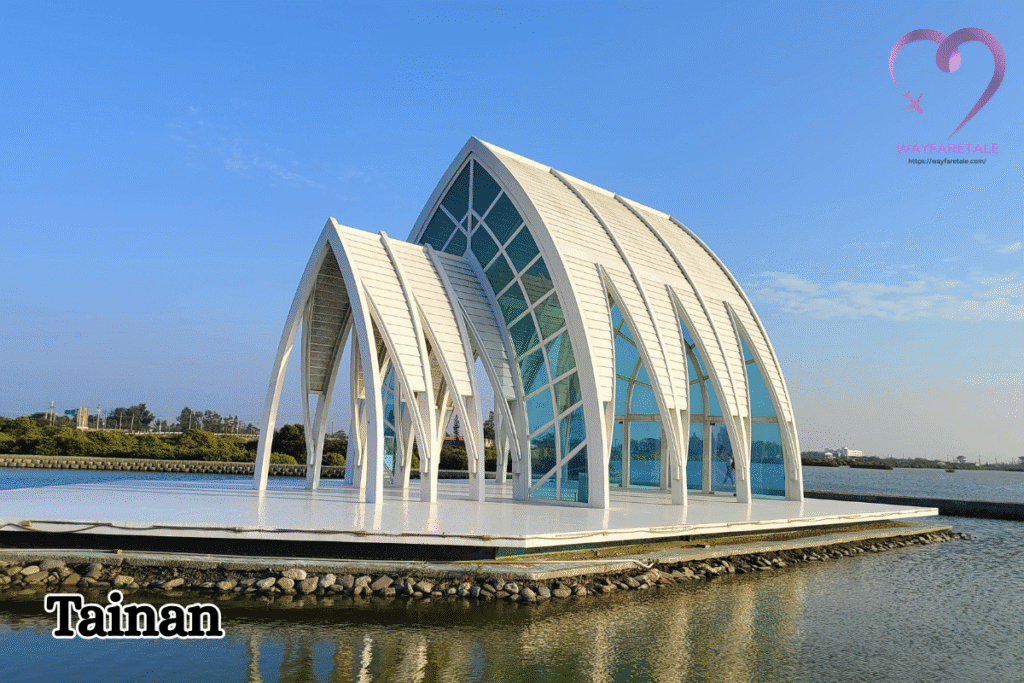
TAINAN (台南)
Tainan is Taiwan’s oldest city and former capital, often called “Taiwan’s Kyoto” due to its concentration of temples and historical sites. The city has a completely different vibe from Taipei—slower-paced, more traditional, and absolutely obsessed with food.
Things to Do in Tainan:
Anping Old Fort (安平古堡)
This 17th-century Dutch fort is Tainan’s most famous historical site. Originally built by the Dutch East India Company, it later became a stronghold for Koxinga, the Ming loyalist who drove the Dutch from Taiwan. The museum inside tells Taiwan’s colonial history.
Entrance Fee: NT$70
The fort has a distinctive red-brick observation tower offering panoramic views of Anping district. I spent about an hour here, then wandered through the surrounding old streets filled with snack vendors.
Anping Old Street (安平老街)
Adjacent to the fort, this bustling street is a food lover’s paradise. Every other shop sells shrimp crackers (Tainan’s famous souvenir), oyster omelets, coffin bread, and traditional Taiwanese sweets.
Must-try: Coffin bread (棺材板) – a Tainan specialty. It’s basically a thick slice of fried bread hollowed out and filled with creamy seafood or chicken stew. Sounds weird, tastes amazing.
Chihkan Tower (赤崁樓)
Another Dutch-era building that became a Chinese imperial complex. The architecture is beautiful, and the surrounding gardens are peaceful. The site mixes Dutch and Chinese architectural styles in a way that’s uniquely Taiwanese.
Blueprint Culture & Creative Park (藍晒圖文創園區)
A trendy arts district in repurposed warehouse buildings. Cafes, galleries, and shops fill the space. I stopped for coffee at a minimalist cafe and loved the creative atmosphere. Skip this if you’re not into the hipster scene.
TAINAN FOOD SCENE:
Tainan is arguably Taiwan’s food capital. The city has its own distinct culinary traditions, and locals are fiercely proud of their food culture.
Must-try Tainan specialties:
- Danzai noodles (擔仔麵) at Du Hsiao Yueh
- Beef soup (牛肉湯) – Tainan specialty, eaten for breakfast!
- Milkfish (虱目魚) dishes
- Shrimp rolls (蝦捲)
I ate at Du Hsiao Yueh, a 100+ year-old restaurant famous for danzai noodles. The portions are small, so order multiple dishes. The noodles were simple but incredibly flavorful—minced pork, shrimp, and a perfect broth.
INSIDER TIP: Many of Tainan’s best food stalls are only open for breakfast or lunch. If you’re serious about food, consider spending two nights here to eat your way through the city properly.
KAOHSIUNG (高雄)
Taiwan’s second-largest city and main southern port, Kaohsiung has transformed from an industrial city to a modern, livable metropolis with impressive art installations and waterfront development.
Things to Do in Kaohsiung:
Lotus Pond (蓮池潭)
This scenic lake is surrounded by colorful temples and pagodas. The famous Dragon and Tiger Pagodas let you walk through the dragon’s mouth and exit through the tiger’s mouth—said to bring good fortune. The whole area is photogenic and quintessentially Taiwanese.
Free to visit and explore. I spent about 1.5 hours walking around the lake perimeter, visiting temples and taking photos.
Pier-2 Art Center (駁二藝術特區)
A massive waterfront arts district in converted warehouses. Giant art installations, murals, galleries, and creative shops fill the space. It reminded me of similar projects in Berlin or Brooklyn.
The waterfront promenade is perfect for a sunset stroll. I grabbed dinner at one of the harbor restaurants watching the sun set over the port.
Fo Guang Shan Buddha Museum (佛光山佛陀紀念館)
If you have time, this enormous Buddhist complex about 30 minutes from Kaohsiung city is impressive. The massive Buddha statue and peaceful grounds offer a spiritual counterpoint to the urban energy.
Liuhe Night Market (六合夜市)
Kaohsiung’s most famous night market. It’s more organized than most—a straight pedestrian street lined with food stalls. While slightly touristy, the food quality is still excellent.
Where to Stay:
I stayed in the Yanchengpu area near Pier-2 Art Center. The neighborhood has character, great restaurants, and is close to the waterfront. Kaohsiung is less expensive than Taipei for accommodation.
Day 7: Sun Moon Lake → Return to Taipei
Distance covered: 280 KM
Total drive time: 3 HRS 30 MIN
Overnight in: Taipei (or depart if your flight is evening)
Your final day takes you through Taiwan’s interior to the country’s most famous lake before returning to Taipei.
SUN MOON LAKE (日月潭)
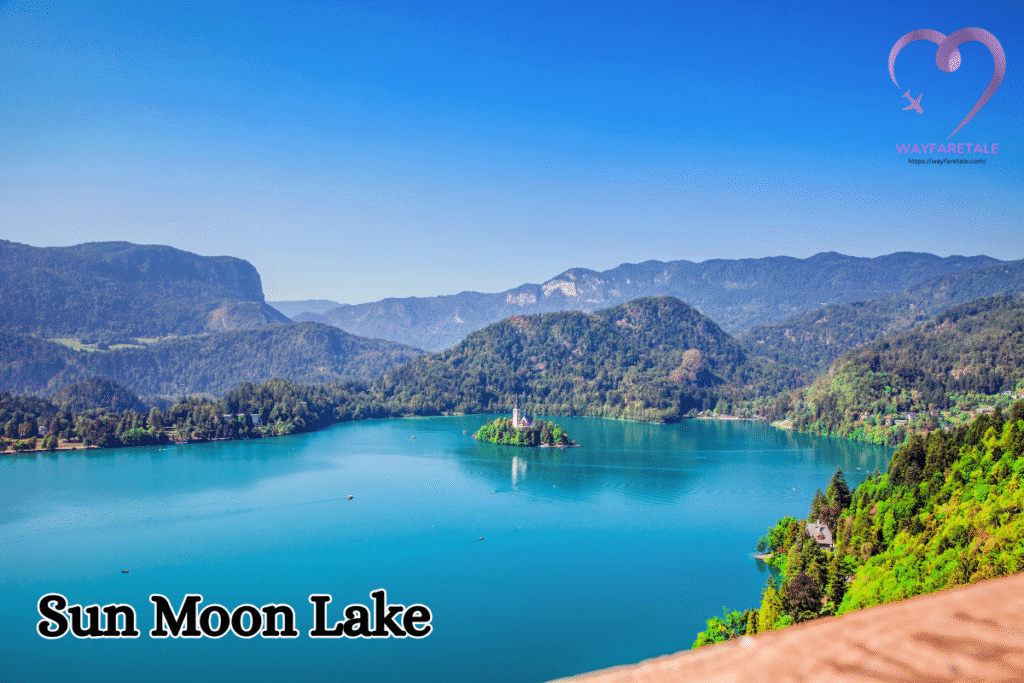
Taiwan’s largest freshwater lake sits in the mountains of central Taiwan. The name comes from the lake’s shape—one side resembles the sun, the other the moon. While extremely popular with domestic tourists (sometimes overwhelmingly so), the lake’s beauty is undeniable.
Getting There from Kaohsiung:
Take Highway 3 north through beautiful mountain scenery, then follow signs to Sun Moon Lake. The drive is scenic, winding through tea plantations and mountain villages.
Things to Do at Sun Moon Lake:
Bike the Lake Loop Trail (環湖自行車道)
CNN named this one of the world’s most beautiful cycling routes. The 30 km trail circles the entire lake with stunning views at every turn. Bike rental shops are everywhere (NT$100-200 for a few hours).
I rented a bike and rode about two-thirds of the loop (the full circle would take 2-3 hours). The section between Shuishe and Xiangshan Visitor Center is the most scenic.
Take a Ferry to Lalu Island
Short ferry rides connect the main villages around the lake. The boats offer different perspectives of the surrounding mountains. Ferry passes are about NT$300 for unlimited rides.
Visit Wenwu Temple (文武廟)
This impressive temple dedicated to Confucius and various martial gods sits dramatically on the hillside overlooking the lake. The architecture is ornate, and the views are spectacular. Giant stone lion statues guard the entrance.
Ci’en Pagoda (慈恩塔)
A short hike from the parking area leads to this pagoda with panoramic lake views. Built by Chiang Kai-shek in memory of his mother, the pagoda sits at exactly 1000 meters above sea level.
TIMING CONSIDERATION:
Sun Moon Lake gets absolutely packed on weekends and holidays. If possible, visit on a weekday. I visited on a Tuesday and it was still busy but manageable. Weekend crowds can be overwhelming.
FOOD TIP: Try Thao aboriginal cuisine at lakeside restaurants. The indigenous Thao people are native to this area, and their traditional dishes are worth trying.
RETURN TO TAIPEI
From Sun Moon Lake, it’s about 2.5-3 hours back to Taipei via Highway 6 and Highway 3. The drive takes you through Taiwan’s mountainous interior—very different scenery from the coast.
If your flight is evening or the next day, you’ll have time to explore parts of Taipei you missed at the beginning. I spent my final evening at Raohe Night Market (less touristy than Shilin) and took a final stroll through Ximending district.
Return your rental car at the airport at least 2-3 hours before your flight to allow time for the shuttle to the terminal.
What I Skipped and Would Suggest Skipping
Alishan (阿里山):
While famous for its mountain railway and sunrise views, Alishan requires significant time commitment. Unless you have 10+ days, skip it in favor of Taroko, which is more accessible and equally spectacular.
Taipei 101:
The observation deck is expensive (NT$600) and honestly, you get better views from nearby Elephant Mountain for free. Save your money unless you’re really into skyscrapers.
Yangmingshan National Park:
Nice, but if you’re already visiting Taroko and other mountain areas, Yangmingshan feels redundant unless you’re specifically interested in hot springs.
Green Island/Orchid Island:
These offshore islands require ferries and multiple days. Only worth it if you have 2+ weeks.
Essential Taiwan Road Trip Tips
Navigation:
- Google Maps works perfectly in Taiwan
- Download offline maps for mountain areas where signal is weak
- Many rental cars include GPS units, but phone navigation is more reliable
Parking:
- Most hotels and guesthouses offer parking
- Cities have paid parking lots and garages
- Never park in scooter parking areas (you’ll get towed)
- Parking fees are reasonable (NT$20-40/hour in cities)
Driving Etiquette:
- Taiwanese drivers are generally courteous
- Horn honking is normal—don’t take it personally
- Watch for scooters EVERYWHERE—they weave through traffic
- At intersections, scooters often wait in front of cars—this is normal
Highway Tolls:
- Most highways use electronic toll collection (eTag)
- Your rental car should have an eTag reader—charges go to the rental company
- Some older highways still have manual toll booths (NT$40-60 typically)
Gas Stations:
- Full-service is standard—attendants pump your gas
- Say “加滿” (jiā mǎn) for “fill it up”
- Credit cards accepted at most stations
- Premium (98) costs about NT$32/liter, Regular (95) is NT$30/liter
Convenience Stores:
- 7-Eleven and FamilyMart are EVERYWHERE
- They have clean bathrooms, ATMs, snacks, and even hot meals
- Perfect for road trip supplies and emergency stops
Emergency Numbers:
- Police: 110
- Ambulance/Fire: 119
- English-speaking tourist hotline: 0800-011-765
Taiwan Travel Resources
Planning your Taiwan road trip? Here are booking resources I personally used:
- Find BEST FLIGHT DEALS to Taiwan using Skyscanner or Google Flights
- Rent your car at competitive rates with Klook, KKDay, or RentalCars.com
- Find perfect accommodation on Booking.com or Agoda (Agoda often has better Asia deals)
- Get TRAVEL INSURANCE through World Nomads or SafetyWing
- Book GUIDED TOURS on Klook or KKDay (best platforms for Taiwan)
Final Thoughts
Taiwan exceeded every expectation I had. This island combines the best of Asia—incredible food, warm hospitality, rich culture, and efficient infrastructure—with some of the most diverse natural beauty I’ve encountered anywhere.
The freedom of having a rental car allowed me to discover hidden viewpoints, stop at random food stalls, and experience Taiwan at my own pace. While the Suhua Highway had my heart racing and the scooter-filled city traffic tested my nerves, every challenging moment was worth it.
If you’re considering a Taiwan road trip, stop considering and just book it. This incredible island deserves far more attention than it gets. One week is just enough to fall deeply in love with Taiwan—but I guarantee you’ll leave already planning your return trip.
Safe travels, and enjoy your Taiwan adventure!